

How to Evaluate Fees, Slippage, and Execution in Copy Trading
A checklist to evaluate fees, slippage, and execution in crypto copy trading—so you judge follower net returns, not gross leaderboard ROI.


Key Takeaway
Fees, slippage, and execution quality decide whether a copy-trading edge exists for followers at all. A lead’s gross ROI can look excellent while follower net returns are mediocre—or negative—after maker/taker fees, funding, profit share, spreads, and late fills. Education pieces from Coin Bureau and operational post-mortems keep repeating the same point: dashboards often sell highlight reels. Evaluators need a cost checklist before they treat a strategy as copyable.
This guide shows how to evaluate fees, slippage, and execution in crypto copy trading. It covers cost categories, how to measure entry lag, why popular leads can worsen their own fills, how allocation modes interact with minimums, and what “good enough” documentation looks like before you scale a budget on Alphio.
Map every cost that sits between you and the lead
Explicit fees and profit share
List maker/taker fees on the venue, any platform add-ons, and profit-share rules including high-water marks and settlement timing. Frequent strategies can turn small per-fill rates into large percent-of-notional drains over a month. If ROI tiles do not state whether profit share is included, ask. If nobody can answer, assume the tile is marketing.
Funding, spreads, and silent drags
Perpetual funding can tax a correct directional hold. Spreads and slippage tax entries and exits. Blockchain fees can matter for some on-chain copy paths. Your evaluation should estimate an all-in cost band under calm and under stressed markets, then ask whether the lead’s edge historically cleared that band with room to spare.
Measure slippage like a scientist, not like a fan
Entry lag and fill gap
Record lead price, your fill, and timestamp gap on a sample of trades. A few seconds can matter on thin perps, breakouts, and liquidation wicks. If you are systematically worse, shrink size, restrict pairs, or unfollow. Do not “hope latency improves” while full size is live.
Depth, popularity, and follower piles
A lead’s order may fit the book; the follower pile may not. Check spread and depth near typical entries before enabling a pair. Thin markets need stricter max slippage and smaller allocations. Popular celebrities on leaderboards deserve extra skepticism precisely because they attract simultaneous mirrors.
Allocation mode is an execution choice
Fixed ratio, fixed amount, and minimums
Fixed ratio and fixed amount create different order sizes and therefore different interactions with liquidity and venue minimums. Small accounts may skip trades under minimum notional, producing random sampling of the lead’s stream. Larger fixed amounts may fill more reliably while increasing impact. Neither mode is universally cheaper. Test with dust and log skips.
Exit slippage can be worse than entry
When many followers close together, exits gap. Know whether reduce-only behavior, partial fills, and stop execution are documented. A signal without an exit path is incomplete. Practice emergency flattens.
Bind size only after these tests inside Alphio Copy Trade.
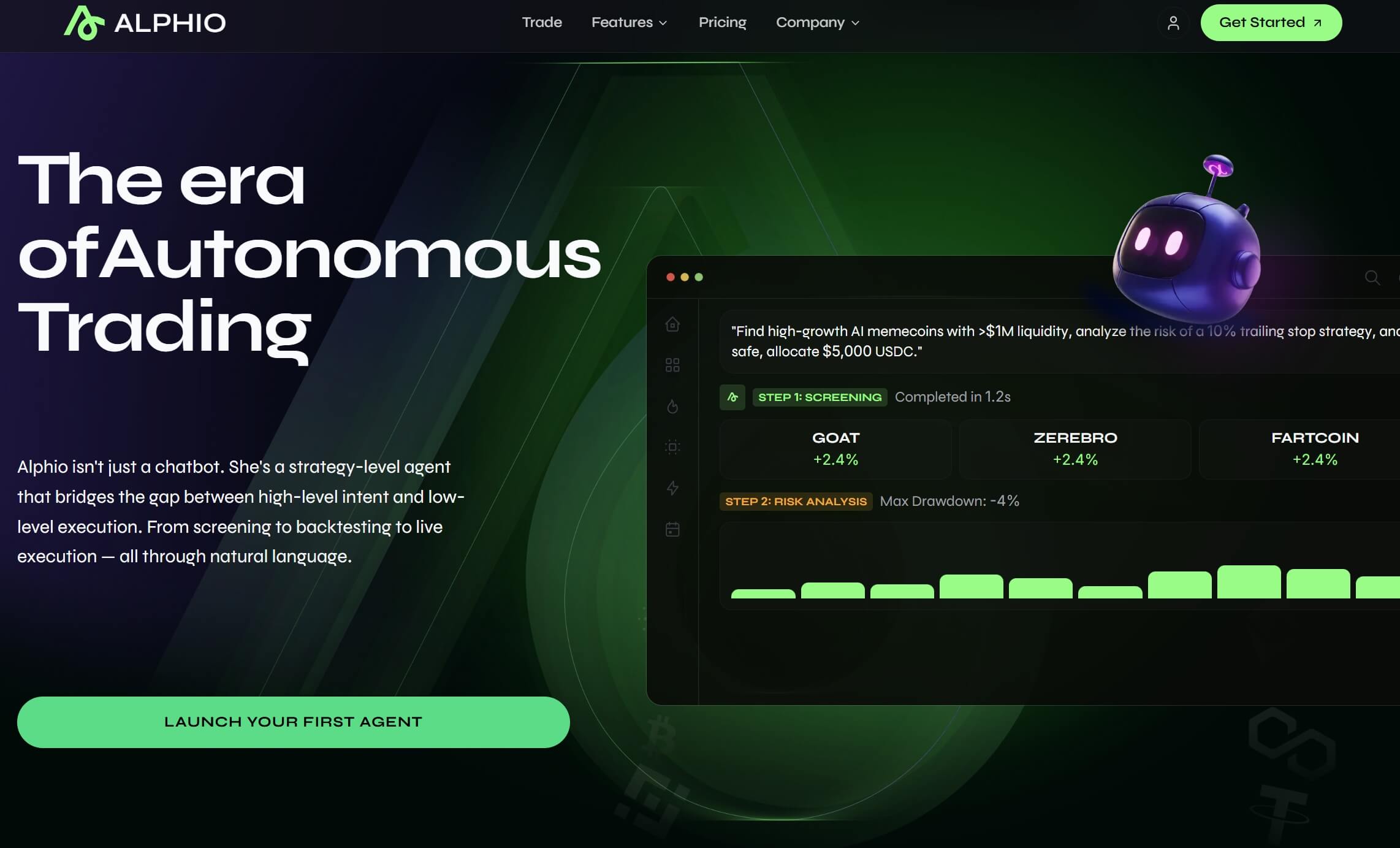
Budget after execution tests on Alphio
What good execution disclosure looks like
Auditable leader versus follower fills
Prefer products that let you compare lead and follower fills, timestamps, fees, funding, and realized net PnL. If you cannot reconstruct why a week differed, you cannot manage the relationship. Operational essays on copy trading emphasize that failed copies are not all equal: missing a loser helps; missing a winner before a recovery hurts. Direction of failure matters.
Outage behavior
Ask what happens when the copy engine or venue degrades. Positions that cannot exit are an execution risk as real as slippage. Prefer honest docs over silence.
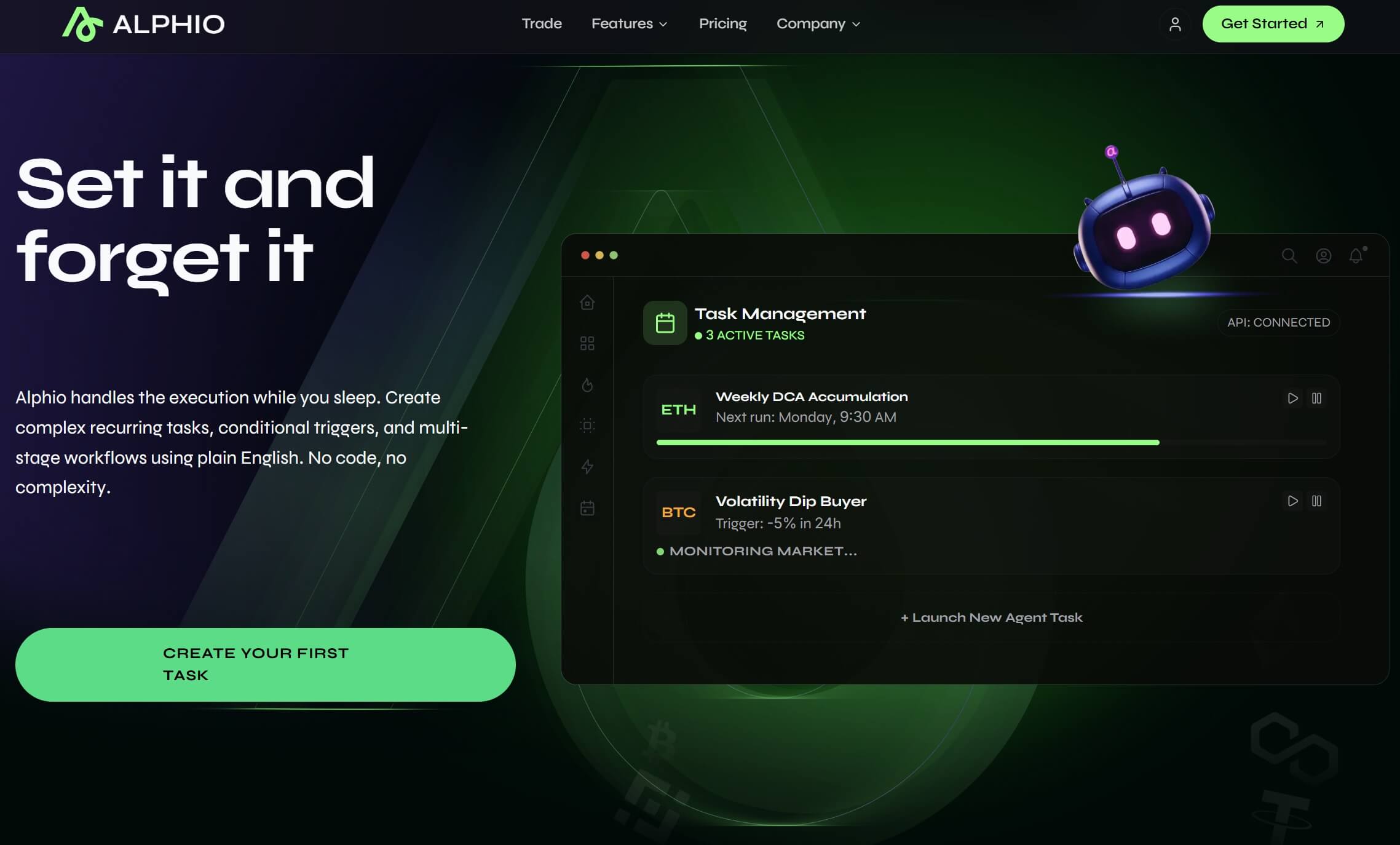
Schedule monthly execution reviews with Alphio Scheduled Task and keep notes in Alphio Conversational Trading.
AI strategies and execution fantasy
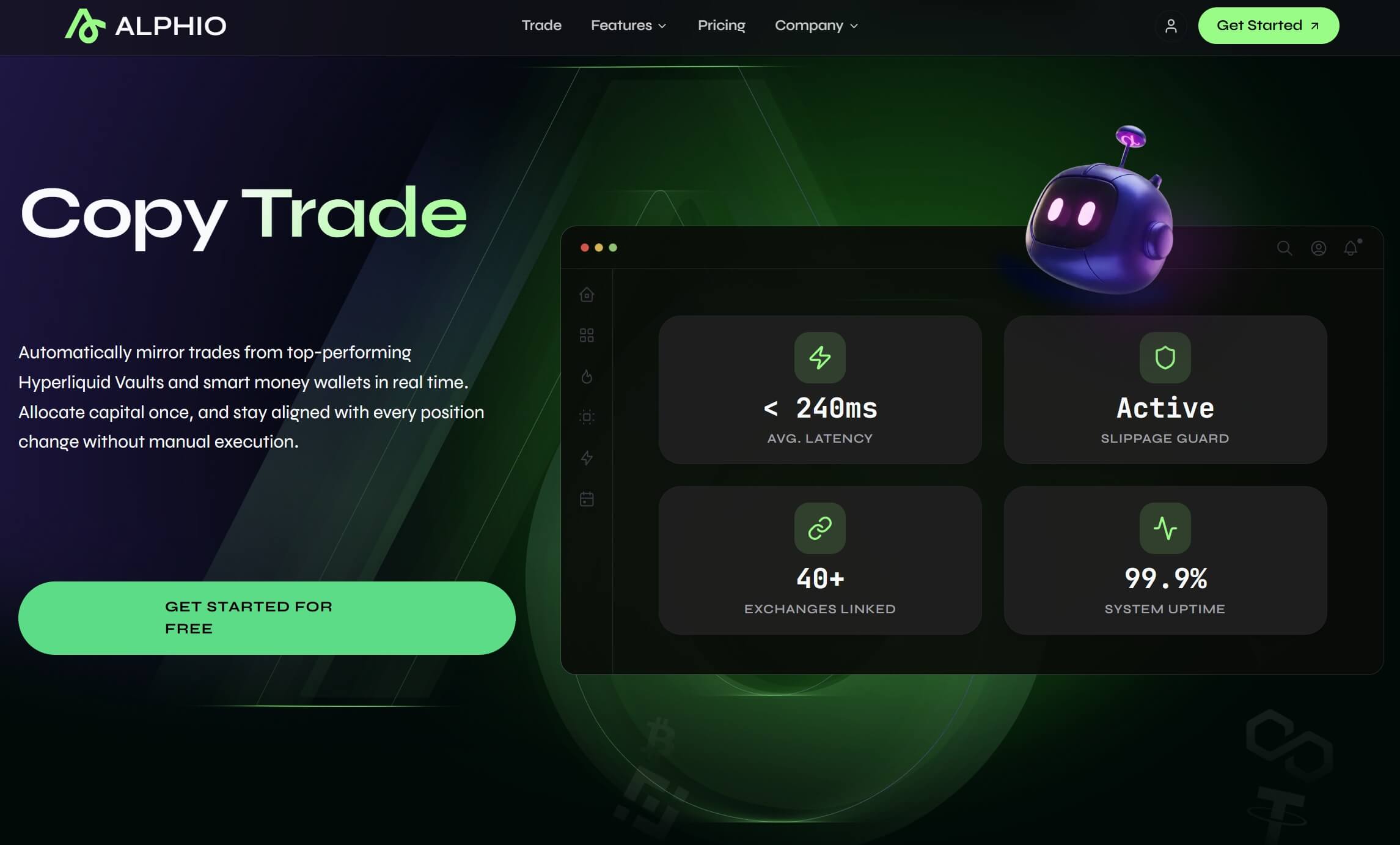
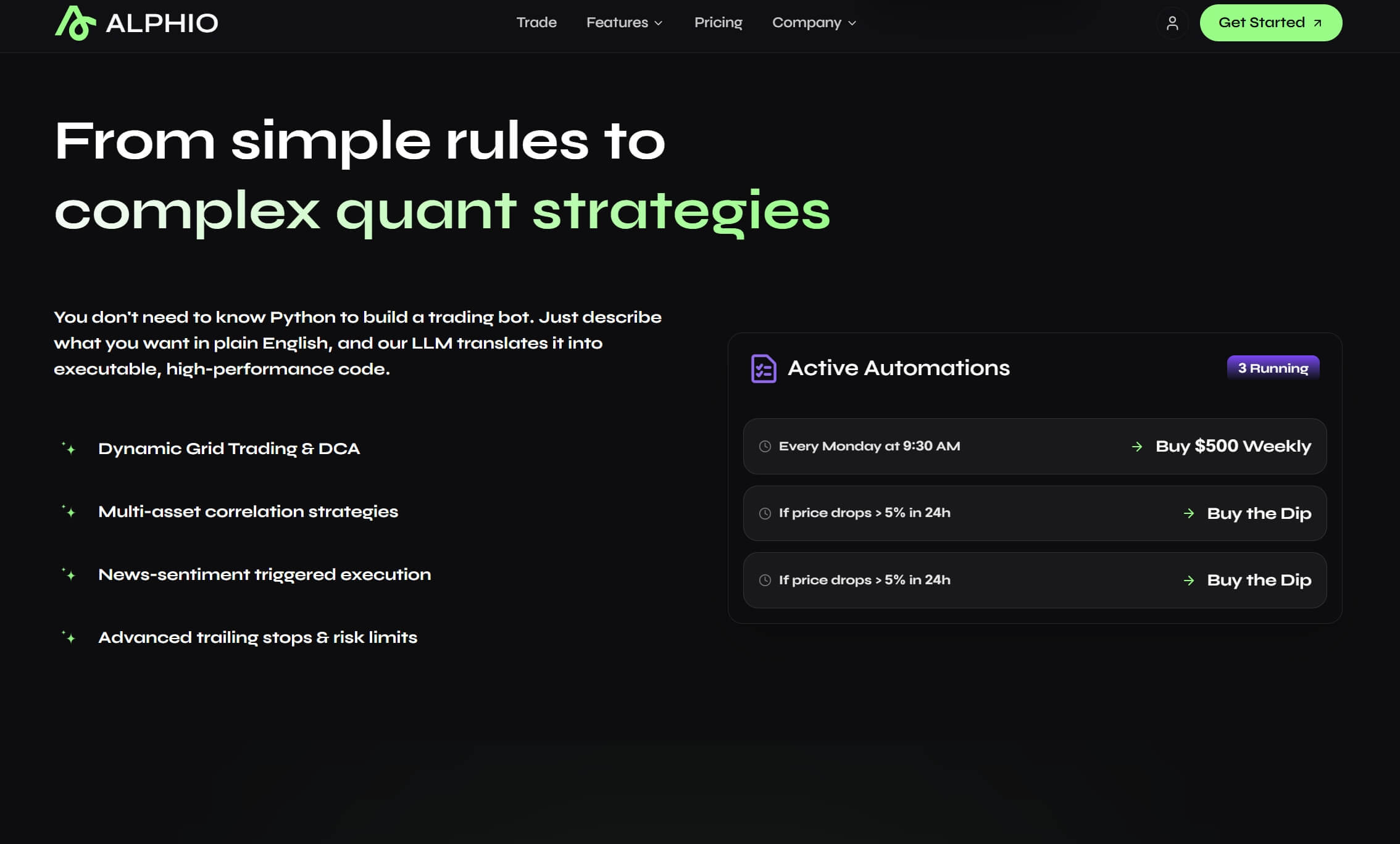
Agent pitches sometimes assume fills at mid. Require the same lag and fee logging you demand from human leads, plus external spend caps on Alphio Autonomous Trading. A model that ignores fees in its objective will overtrade.
A practical score before scaling
Score the strategy on fee transparency, funding relevance, measured lag, depth suitability for your size, skip rate, and exit behavior. Low scores mean dust or no. Promote size only when net expectancy still clears costs after a live sample. Gross romance is not a budget thesis.
Also remember correlation: if several leads trade the same liquid perps, your aggregated impact and timing risk can exceed any single relationship’s stats. Evaluate the book’s execution, not only the celebrity vault’s brochure.
Field notes from followers who learned the hard way about evaluate fees slippage execution copy trading
The most expensive lessons in crypto automation rarely come from a single bad tick. They come from missing controls that looked optional during a calm onboarding. Someone funded a hot sleeve without a revoke drill. Someone raised a budget after three green days. Someone treated a leaderboard as a due-diligence report. Someone kept a lead through style drift because lifetime ROI still sparkled. Each story is specific; the pattern is identical: evidence was replaced by narrative at the moment capital scaled.
You can interrupt that pattern with ceremony that feels almost bureaucratic. Before every increase in size related to evaluate fees slippage execution copy trading, require two artifacts: a one-page note of what changed since the last review, and a dust-sized test that proves the control you think you have still works. If either artifact is missing, the increase does not happen. Alphio’s Scheduled Task surface exists to make the ceremony recur, and Conversational Trading exists to make the note attach to the same place you act.
How this checklist connects to Alphio workflows
Checklists fail when they live only in blog tabs. They work when they become defaults in the product path you actually click. For followers, that usually means evaluating a lead, binding a budget, then mirroring—not mirroring first. For agent users, it means external caps before autonomy theater. Use Alphio Copy Trade when the object is a vault, whale, or followable strategy, and Alphio Autonomous Trading when the object is an agent loop that must be fenced.
Apply the checklist in Alphio Copy Trade
Fence agents in Alphio Autonomous Trading
Keep liquid market context honest while you do it. Crypto-sensitive equities such as
and
will not manage your risk for you, but they will remind you that beta clusters. If your notes on evaluate fees slippage execution copy trading ignore that clustering, your diversification claims are probably cosmetic.
A thirty-day adoption plan you can actually finish
Week one: write the one-pager and run dust drills only. No scaling. Week two: allow a tiny live sleeve under the strictest caps you wrote, and log every reject or skip. Week three: compare your fills and drawdowns to the thesis; demote anything that drifted. Week four: decide whether to promote, hold, or kill—then schedule the next monthly review before you celebrate. The plan is deliberately slow. Speed is how social trading apps sell. Slowness is how educational capital survives.
If you skip weeks, do not “catch up” by jumping to week four size. Restart at the last honest week. Ambition is cheap; repaired process is not. Store the week-four decision where you will see it again, ideally beside an Alphio reminder via Scheduled Task.
Questions to ask support before you increase size
Ask where funds sit overnight, how to revoke trading permissions, what happens on engine outages, how skipped copies are surfaced, whether profit share and fees are netted in displayed ROI, and how to flatten without the happy-path UI. Write the answers into your evaluate fees slippage execution copy trading file. If support cannot answer without delay or deflection, treat that as a soft veto on scaling. Good teams are boringly specific. Vague poetry is a risk factor.
Also ask what changed in the last ninety days: custody model, fee schedule, margin defaults, or authorization scope. Quiet changes are where yesterday’s checklist becomes today’s false comfort. A quarterly diff review is as important as the initial review.
Closing synthesis before the formal conclusion
By now the through-line should be obvious. Whether the page title centers on evaluate fees slippage execution copy trading or on a neighboring evaluation theme, durable copy and agent trading is a stack: custody, budgets, sizing, stops, fees, and unfollow rules. Removing one layer does not make you agile; it makes you leveraged to a single point of failure. Prefer products and habits that make the stack visible. Prefer Alphio paths that bind capital to limits before narratives get loud.
If a friend forwards a perfect curve tomorrow, you already know the response: open the checklist, run the drills, and only then discuss size. That response is the entire educational edge available to most retail followers.
Another practical reminder on evaluate fees slippage execution copy trading: after any platform incident in the wider market—an exchange outage, a bridge failure, a sudden venue rule change—re-run your revoke and withdraw drills even if your own stack seemed fine. Contagion often shows up as stuck exits and confused support queues. Cap size first, ask questions second.
Another practical reminder on evaluate fees slippage execution copy trading: after any platform incident in the wider market—an exchange outage, a bridge failure, a sudden venue rule change—re-run your revoke and withdraw drills even if your own stack seemed fine. Contagion often shows up as stuck exits and confused support queues. Cap size first, ask questions second.
Another practical reminder on evaluate fees slippage execution copy trading: after any platform incident in the wider market—an exchange outage, a bridge failure, a sudden venue rule change—re-run your revoke and withdraw drills even if your own stack seemed fine. Contagion often shows up as stuck exits and confused support queues. Cap size first, ask questions second.
Another practical reminder on evaluate fees slippage execution copy trading: after any platform incident in the wider market—an exchange outage, a bridge failure, a sudden venue rule change—re-run your revoke and withdraw drills even if your own stack seemed fine. Contagion often shows up as stuck exits and confused support queues. Cap size first, ask questions second.
Another practical reminder on evaluate fees slippage execution copy trading: after any platform incident in the wider market—an exchange outage, a bridge failure, a sudden venue rule change—re-run your revoke and withdraw drills even if your own stack seemed fine. Contagion often shows up as stuck exits and confused support queues. Cap size first, ask questions second.
Another practical reminder on evaluate fees slippage execution copy trading: after any platform incident in the wider market—an exchange outage, a bridge failure, a sudden venue rule change—re-run your revoke and withdraw drills even if your own stack seemed fine. Contagion often shows up as stuck exits and confused support queues. Cap size first, ask questions second.
Another practical reminder on evaluate fees slippage execution copy trading: after any platform incident in the wider market—an exchange outage, a bridge failure, a sudden venue rule change—re-run your revoke and withdraw drills even if your own stack seemed fine. Contagion often shows up as stuck exits and confused support queues. Cap size first, ask questions second.
Another practical reminder on evaluate fees slippage execution copy trading: after any platform incident in the wider market—an exchange outage, a bridge failure, a sudden venue rule change—re-run your revoke and withdraw drills even if your own stack seemed fine. Contagion often shows up as stuck exits and confused support queues. Cap size first, ask questions second.
Another practical reminder on evaluate fees slippage execution copy trading: after any platform incident in the wider market—an exchange outage, a bridge failure, a sudden venue rule change—re-run your revoke and withdraw drills even if your own stack seemed fine. Contagion often shows up as stuck exits and confused support queues. Cap size first, ask questions second.
Conclusion
Evaluate fees, slippage, and execution before you believe a copy edge is yours. Map all-in costs, measure lag, respect depth, and treat allocation mode as an execution decision. Scale only on net evidence.
Use Alphio Copy Trade to bind budgets after tests and Alphio Autonomous Trading to keep AI loops inside cost-aware caps. The lead’s gross curve is their story. Your fills are yours.
FAQs
Why can my copy-trading returns differ from the lead’s ROI?
Because of fees, funding, profit share, slippage from delayed fills, skipped minimums, and different leverage or margin settings.
How do I measure copy-trading slippage?
Sample trades and record lead price, your fill, and time lag. Persistent adverse gaps mean you should cut size, limit pairs, or unfollow.
Do profit-sharing fees matter if win rate is high?
Yes. Profit share and trading fees reduce net returns and can erase thin edges, especially for high-frequency strategies.
Can allocation mode change execution quality?
Yes. Different modes create different order sizes, which interact differently with liquidity, minimum notionals, and market impact.
How does Alphio fit an execution-first evaluation?
Alphio supports budget-bound following after you evaluate a strategy, plus agent caps and scheduled reviews for ongoing fee and slippage checks.
Related articles
- Stock Market Surges After 2026 Midterms: What the Democratic Sweep Means for Your PortfolioThe stock market rallied after Democrats won the 2026 midterms. Discover what the election means for investors, tech stocks, and the S&P 500 outlook.
- Stock Market Surges After 2026 Midterms: What the Democratic Sweep Means for Your PortfolioThe stock market rallied after Democrats won the 2026 midterms. Discover what the election means for investors, tech stocks, and the S&P 500 outlook.
- Oil Prices Surge Above $105 Amid US-Iran Conflict: Energy Investment Opportunities in November 2026Oil prices climb past $105 as US strikes Iran's Qeshm Island. Discover energy investment opportunities, top oil stocks, and market outlook for November 2026.
- EV/EBITDA vs P/E: How Capital Structure Changes What Looks Cheap in 2026EV/EBITDA vs P/E explained with Oct 2026 MSFT, VZ, XOM & CAT figures—when leverage distorts equity multiples, sector medians, and a practical checklist.
- Copy Trading Risk Management: Stop-Loss, Allocation Caps, and Exit Rules for 2026Copy trading risk management: satellite allocation, per-trader caps, copy stop-loss vs max drawdown, diversification, and exit rules for 2026 markets.
- Energy Stocks 2026: Oil Majors vs AI Power Demand—How Investors Should Split the TradeInvest in energy stocks 2026 by separating oil majors' cash returns from AI data-center power demand—allocation splits, falsifiers, and a practical watchlist.