

Berkshire Hathaway Succession: What Abel's $4.5 Billion Bet Means for Investors
Greg Abel's massive $4.5 billion Berkshire Hathaway stock purchase signals confidence in the post-Buffett era. Discover what this means for long-term investors.

Key Takeaway
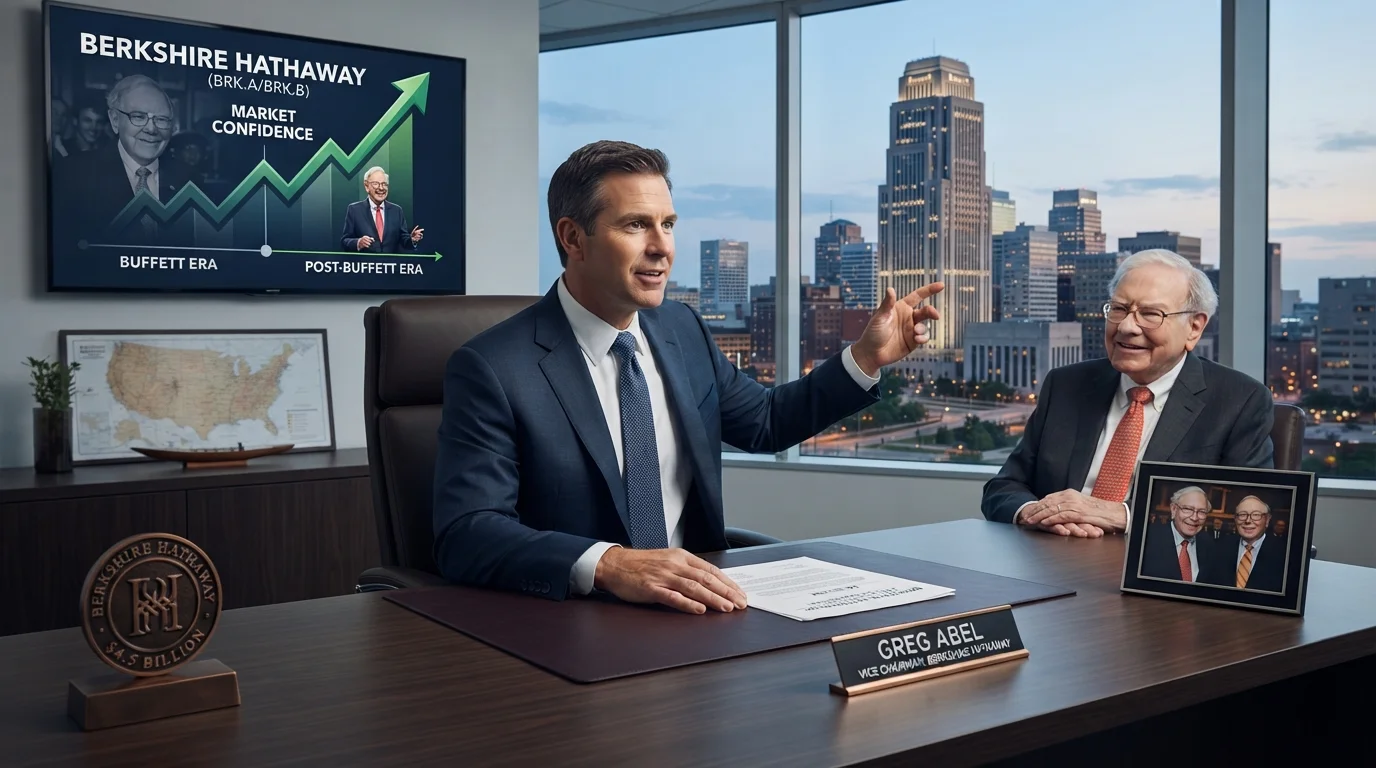
Warren Buffett's designated successor, Greg Abel, has made an extraordinary statement of confidence in Berkshire Hathaway's future by purchasing $4.5 billion of the company's stock. This massive insider buy comes at a pivotal moment as the 95-year-old Oracle of Omaha gradually transitions leadership of the $800 billion conglomerate he built over six decades. For investors, Abel's bet represents more than just a vote of confidence—it signals that the core principles underpinning Berkshire's success will endure long after Buffett steps aside. The transition from the world's most famous investor to his handpicked successor marks a critical inflection point for one of the most closely watched companies in financial markets.
The significance of this purchase extends far beyond its dollar value. Insider transactions of this magnitude are rare in corporate America, and when they occur, they typically reflect genuine conviction rather than opportunistic trading. Abel, who has overseen Berkshire's non-insurance operations since 2018, is uniquely positioned to understand the company's intrinsic value and future prospects. His decision to allocate such a substantial personal investment suggests that the next chapter of Berkshire Hathaway may be even more compelling than its legendary past.
For long-term investors contemplating Berkshire Hathaway stock, Abel's purchase provides a powerful endorsement of the company's continued ability to generate superior returns through disciplined capital allocation and prudent risk management. The succession plan that Buffett has carefully orchestrated appears designed to preserve the culture and methodology that created one of history's greatest investment success stories.
The Significance of Abel's $4.5 Billion Investment
Understanding the Scale of This Insider Purchase
Greg Abel's $4.5 billion stock purchase represents one of the largest insider buys in recent corporate history. To put this figure in perspective, it exceeds the market capitalization of many mid-cap companies and demonstrates a level of personal commitment rarely seen among C-suite executives. While CEOs and directors frequently purchase shares to signal confidence, transactions of this magnitude typically indicate something far more meaningful: genuine conviction that the stock is substantially undervalued relative to its long-term potential.
The timing of this purchase carries particular weight given the broader market context. With concerns about elevated valuations across large-cap stocks and ongoing uncertainty about Federal Reserve policy, Abel's decision to commit such a substantial sum suggests he believes Berkshire's diversified business model and fortress balance sheet position the company to weather any economic turbulence while continuing to compound shareholder value. This insider activity stands in stark contrast to the broader trend of insider selling that has characterized much of 2026, making it an even more powerful signal.
What This Signals About Berkshire's Future Direction
Abel's massive investment provides crucial insights into how Berkshire Hathaway will evolve under his leadership. As the architect of Berkshire's energy empire and the overseer of its diverse portfolio of operating companies, Abel has demonstrated a keen ability to identify and nurture businesses with durable competitive advantages. His background in capital-intensive industries has equipped him with the skills necessary to evaluate and manage Berkshire's complex array of subsidiaries, from railroads to utilities to manufacturing operations.
The investment suggests that Abel intends to maintain Berkshire's core philosophy of acquiring high-quality businesses at reasonable prices while allowing capable managers to operate with autonomy. However, subtle shifts in strategy may emerge as Abel brings his own perspectives to capital allocation decisions. Unlike Buffett, who came of age during a different era of American capitalism, Abel's experience has been shaped by the challenges and opportunities of the modern regulatory and competitive environment. His approach to deploying Berkshire's massive cash hoard—currently exceeding $330 billion—will be closely scrutinized by investors seeking clues about the company's future trajectory.
Berkshire Hathaway's Evolution Under the Buffett Era
From Textile Mill to Global Conglomerate
Warren Buffett's transformation of Berkshire Hathaway from a struggling New England textile manufacturer into one of the world's largest and most respected conglomerates stands as one of the greatest business achievements in history. When Buffett took control in 1965, Berkshire was a fading industrial company with limited prospects. Through a combination of brilliant capital allocation, patient long-term thinking, and an unwavering commitment to shareholder value, Buffett built an enterprise spanning insurance, railroads, utilities, manufacturing, retail, and technology.
The magnitude of Berkshire's success is reflected in its stock performance. From 1965 through 2025, Berkshire's per-share book value compounded at an annual rate of approximately 20%, compared to roughly 10% for the S&P 500 including dividends. A $10,000 investment in Berkshire stock at the beginning of Buffett's tenure would be worth hundreds of millions today. This extraordinary track record has created a generation of devoted shareholders who view their Berkshire holdings as multi-generational wealth vehicles rather than speculative trading positions.
The Investment Philosophy That Built an Empire
At the heart of Berkshire's success lies a deceptively simple investment philosophy focused on acquiring wonderful businesses at fair prices and holding them indefinitely. Buffett's approach, heavily influenced by his mentor Benjamin Graham, emphasizes understanding the intrinsic value of businesses, maintaining a margin of safety, and ignoring short-term market fluctuations. This methodology has proven remarkably resilient across multiple market cycles, economic disruptions, and technological revolutions.
The Berkshire model also prioritizes decentralized management, with subsidiary CEOs granted significant autonomy to run their operations. This approach minimizes bureaucracy while attracting talented managers who value independence. Additionally, Berkshire's insurance operations provide a unique source of low-cost float—investable funds generated from premiums held in reserve—that has fueled decades of compound growth. Understanding these foundational elements helps investors appreciate what Abel is inheriting and what he must preserve to maintain Berkshire's competitive advantages.
Greg Abel: The Architect of Berkshire's Future
Abel's Rise Through the Ranks
Greg Abel's journey to becoming Warren Buffett's heir apparent reflects a classic American success story built on competence, integrity, and results. Joining Berkshire Hathaway Energy (then MidAmerican Energy) in 1992, Abel steadily rose through the organization, demonstrating exceptional skill in managing complex, capital-intensive operations. His leadership transformed Berkshire's energy portfolio from a regional utility into one of the largest renewable energy producers in the United States, with investments spanning wind, solar, and natural gas infrastructure.
Buffett first identified Abel as a potential successor during the 2010s, and by 2018, Abel was elevated to Vice Chairman of Berkshire Hathaway with responsibility for all non-insurance operations. This broadened mandate gave Abel oversight of the company's diverse manufacturing, service, and retail businesses, providing him with invaluable experience managing the complexities of Berkshire's sprawling empire. His reputation for operational excellence, ethical leadership, and strategic vision made him the clear choice to eventually succeed Buffett as CEO.
Abel's Management Philosophy and Strategic Vision
While Abel shares Buffett's fundamental commitment to shareholder value and long-term thinking, his management style reflects the differences in their backgrounds and experiences. Abel's roots in the utility industry have instilled a deep appreciation for regulatory relationships, environmental considerations, and the capital requirements of infrastructure-intensive businesses. His track record suggests a leader who balances growth investments with disciplined risk management, capable of navigating the increasingly complex regulatory and competitive landscape facing Berkshire's diverse operations.
Industry observers note that Abel brings a more systematic and process-oriented approach to capital allocation compared to Buffett's more intuitive style. This may prove advantageous as Berkshire confronts the challenge of deploying its massive cash reserves in an environment where large-scale acquisition opportunities appear increasingly scarce. Abel's experience with complex project financing and infrastructure investments could open new avenues for Berkshire's capital deployment that complement rather than replace Buffett's traditional equity-focused strategy.
Analyzing Berkshire's Current Portfolio and Valuation
The Crown Jewels: Berkshire's Core Holdings
Berkshire Hathaway's investment portfolio represents a carefully curated collection of some of the world's most durable businesses. The company's equity holdings include massive positions in Apple, Bank of America, American Express, Coca-Cola, and Chevron, alongside wholly owned subsidiaries like GEICO, BNSF Railway, and Berkshire Hathaway Energy. This diversified portfolio provides exposure to multiple economic sectors while generating substantial dividend and interest income that funds ongoing operations and new investments.
The Apple position deserves particular attention, representing Berkshire's largest equity holding and a testament to the evolution of Buffett's investment approach. While historically skeptical of technology stocks, Buffett recognized Apple's exceptional brand loyalty, ecosystem lock-in, and capital return program as characteristics of a consumer franchise comparable to his beloved Coca-Cola. Under Abel's leadership, investors will be watching closely to see how this position is managed and whether similar adaptation occurs in response to changing market conditions.
Valuation Metrics and Investment Considerations
Despite its historical outperformance, Berkshire Hathaway stock currently trades at valuations that appear reasonable relative to its intrinsic value. The company's price-to-book ratio—a metric Buffett himself has cited as relevant for Berkshire valuation—has fluctuated between 1.2x and 1.5x in recent years, suggesting the market is not pricing in excessive optimism about future growth. This valuation discipline reflects the same prudent approach that has characterized Berkshire's acquisition strategy for decades.
For investors considering Berkshire as a long-term holding, several factors warrant attention. The company's massive cash position provides both defensive resilience and offensive optionality, allowing Abel to capitalize on market dislocations when they inevitably occur. Additionally, Berkshire's insurance operations continue generating float that effectively provides zero-cost financing for investments. However, the law of large numbers presents an undeniable challenge—as Berkshire's market capitalization approaches $1 trillion, maintaining historical growth rates becomes increasingly difficult.
For investors seeking to mirror sophisticated investment strategies and automate their portfolio management, Alphio AI's copy trading feature enables you to follow proven investment approaches and smart money movements with ease.

The Succession Challenge: Preserving Berkshire's Culture
The Importance of Corporate Culture in Investment Success
One of the most underappreciated aspects of Berkshire Hathaway's success has been its distinctive corporate culture. Unlike most conglomerates that micromanage subsidiaries or impose burdensome reporting requirements, Berkshire operates with a decentralized structure that empowers business unit leaders to make decisions without excessive corporate interference. This culture has enabled Berkshire to attract and retain exceptional managers who might otherwise be reluctant to sell their companies to a larger corporation.
The preservation of this culture represents Abel's most critical challenge as he assumes leadership. Berkshire's ability to identify, acquire, and successfully integrate businesses depends heavily on its reputation as a permanent home for entrepreneurs who wish to see their life's work continue to thrive. Any perception that Berkshire is becoming more bureaucratic or short-term oriented could significantly impair its ability to execute the acquisition strategy that has been central to its growth. Abel's insider purchase signals his awareness of this responsibility and his commitment to maintaining the cultural foundations of Berkshire's success.
Managing the Transition While Honoring the Legacy
Succession planning at major corporations often fails because successors feel compelled to immediately establish their independence by pursuing dramatically different strategies. Abel appears to be taking a more measured approach, signaling continuity while preparing to implement his own vision over time. This balanced strategy recognizes that Berkshire's shareholders include a substantial number of long-term investors who chose the company specifically because of its distinctive approach to business ownership.
The transition also involves managing expectations about performance. Buffett's track record of 20% annualized returns was achieved during a period of significant American economic growth and multiple market cycles. Abel will be evaluated against this extraordinary benchmark even as structural changes in markets, including increased competition from private equity and sovereign wealth funds, make large-scale value acquisitions more challenging. Setting realistic expectations while maintaining high standards will be essential for Abel's long-term success.
Investment Implications for Long-Term Shareholders
Why Berkshire Remains a Compounding Machine
Despite the challenges of succession and scale, Berkshire Hathaway retains several structural advantages that position it to continue compounding shareholder wealth at attractive rates. The company's insurance float provides an essentially permanent source of low-cost capital that grows as Berkshire's insurance operations expand. This float, which currently exceeds $170 billion, functions as an interest-free loan that can be invested for the benefit of shareholders. As long as Berkshire's insurance underwriting remains profitable, this float will continue growing and compounding.
Additionally, Berkshire's diverse portfolio of operating companies generates substantial free cash flow that can be redeployed into new investments or share buybacks when valuations are attractive. Unlike companies dependent on external financing, Berkshire's self-funding model provides insulation from credit market disruptions and allows for countercyclical investment during periods of market stress. These structural advantages are independent of who serves as CEO and should persist well into the future.
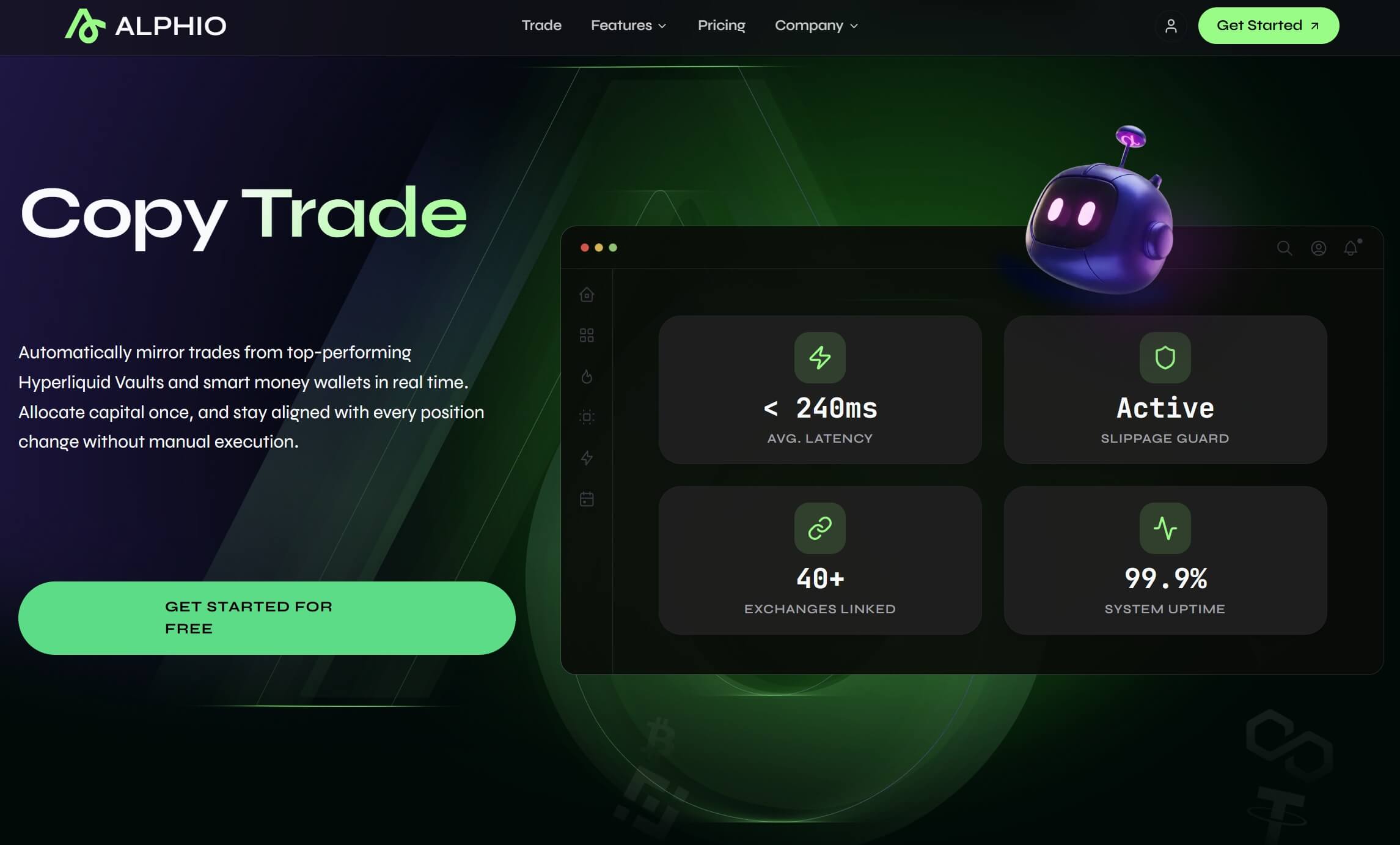
For those looking to automate their trading decisions and eliminate emotional bias from investment choices, Alphio AI's agentic trading provides intelligent portfolio management that executes strategies based on predefined criteria and market conditions.
Dividend Policy and Capital Returns
One area where Abel may depart from Buffett's approach involves dividend policy and share buybacks. Buffett has historically resisted paying dividends, preferring to retain and reinvest all earnings. However, as Berkshire's cash hoard has grown to levels that exceed realistic deployment opportunities, pressure has mounted for the company to return excess capital to shareholders through dividends or more aggressive share repurchases.
Abel's background in capital-intensive utility businesses, where dividend payments are standard practice, may make him more amenable to initiating a Berkshire dividend than Buffett ever was. Such a move would attract a new class of income-focused investors and could potentially reduce the persistent discount to intrinsic value at which Berkshire shares have often traded. However, any dividend initiation would represent a significant philosophical shift and would likely be implemented gradually to avoid signaling a lack of growth opportunities.
Risks and Challenges Facing the New Leadership
The Challenge of Deploying Excess Capital
Berkshire's most pressing challenge under Abel's leadership will be deploying its massive cash reserves in a manner that generates satisfactory returns. With over $330 billion in cash and short-term investments, Berkshire has more capital than it can easily invest in public equities without significantly moving market prices. The private acquisition market has become increasingly competitive, with private equity firms and sovereign wealth funds driving up prices for attractive businesses.
This capital deployment challenge represents a reversal from Berkshire's historical position of having more investment opportunities than available capital. Abel may need to explore new avenues for value creation, including increased share buybacks when the stock trades below intrinsic value, special dividends to return excess capital, or investments in asset classes that Buffett traditionally avoided. The pressure to do something with the cash could lead to suboptimal decisions if discipline wavers.
Navigating Regulatory and Political Headwinds
As Berkshire's scale has grown, so too has regulatory and political scrutiny of its activities. The company's size and diversified operations make it a target for antitrust concerns, environmental regulations, and tax policy changes. Abel will need to navigate an increasingly complex regulatory environment while maintaining the entrepreneurial culture that has enabled Berkshire's success. His experience managing heavily regulated utility operations should serve him well in this regard.
Additionally, Berkshire's substantial energy operations face ongoing transition pressures as the global economy moves toward decarbonization. While Berkshire Hathaway Energy has been a leader in renewable energy investment, the pace and scale of this transition will present both opportunities and challenges. Abel's demonstrated ability to manage this transition effectively will be crucial for preserving the value of one of Berkshire's most important business units.
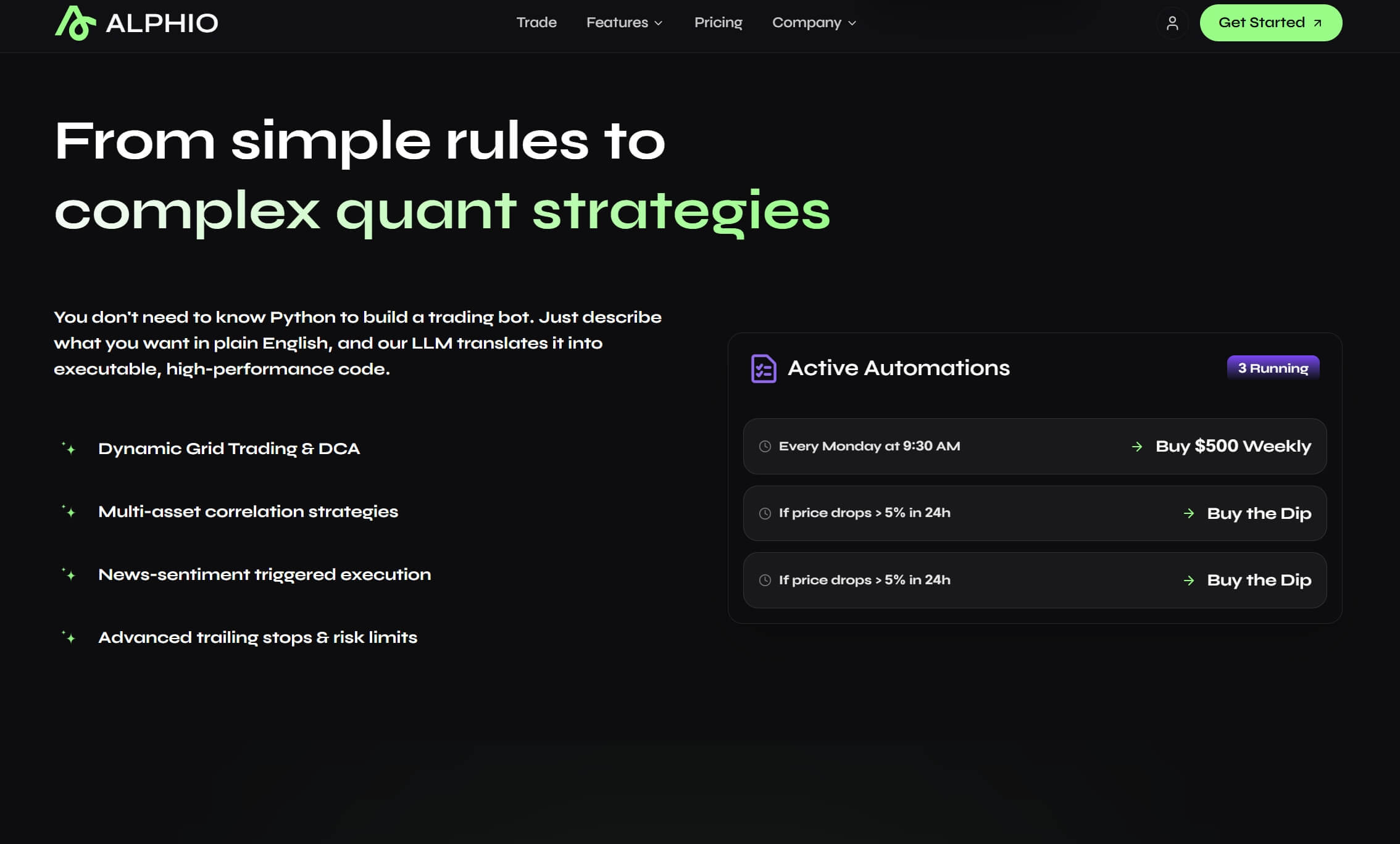
To streamline your investment workflows and execute complex trading strategies without constant monitoring, consider Alphio AI's automation features that allow you to set conditional triggers and scheduled tasks.

The Broader Market Context for Berkshire Investors
Economic Conditions and Investment Opportunities
The current economic environment presents a mixed picture for Berkshire Hathaway. On one hand, elevated interest rates have increased the returns available on Berkshire's massive cash holdings, generating billions in additional income. On the other hand, higher rates have increased competition for acquisitions as private equity firms find leveraged transactions more expensive. The uncertain economic outlook has also created volatility that could present acquisition opportunities for a patient investor with abundant capital.
Berkshire's diversified business model provides natural hedges against various economic scenarios. The company's utility and railroad operations tend to be relatively recession-resistant, while its consumer brands benefit from economic strength. This balance allows Berkshire to perform reasonably well across different economic environments, reducing the risk of permanent capital impairment that concerns value investors most. Abel's challenge will be maintaining this balance while positioning the portfolio for long-term growth.
Competition from Passive Investing and Alternative Assets
Berkshire Hathaway also faces intensifying competition from passive investment vehicles and alternative asset classes. The rise of index funds has made it easier for investors to achieve market returns with minimal effort, potentially reducing the appeal of actively managed conglomerates. Additionally, the proliferation of private equity and venture capital has created new channels for business owners seeking capital or liquidity, potentially reducing the pipeline of acquisition opportunities available to Berkshire.
However, Berkshire's unique structure and permanent capital base provide advantages that passive vehicles and private equity cannot replicate. The ability to hold investments indefinitely without pressure to realize returns allows Berkshire to focus on long-term value creation rather than short-term performance metrics. This structural advantage should continue attracting business sellers who prioritize long-term stewardship over maximizing immediate sale prices.
Conclusion
Greg Abel's $4.5 billion investment in Berkshire Hathaway represents far more than a routine insider purchase—it signals the beginning of a new chapter in one of corporate America's most remarkable stories. For investors, this massive vote of confidence from the incoming CEO provides reassurance that the principles underpinning Berkshire's six decades of success will endure beyond Warren Buffett's tenure. The transition from legendary founder to handpicked successor is never without risk, but Abel's demonstrated competence, personal investment, and deep understanding of Berkshire's operations suggest the company is in capable hands.
For long-term investors considering Berkshire Hathaway stock, the current environment presents a compelling opportunity. The company's fortress balance sheet, diversified business portfolio, and structural competitive advantages position it to weather economic uncertainty while continuing to compound shareholder value. Abel's insider purchase suggests that those with the deepest knowledge of Berkshire's prospects believe the best days may still lie ahead. As always, Berkshire rewards patient investors who share the company's long-term orientation and commitment to fundamental value.
If you're looking to enhance your investment approach with AI-powered tools, explore how Alphio AI's platform can help you make smarter trading decisions. From conversational trading interfaces that let you execute complex orders through natural language to sophisticated automation features, modern AI tools are transforming how investors interact with financial markets.
Whether you're a value investor inspired by Berkshire's approach or an active trader seeking better execution, combining timeless investment principles with cutting-edge technology can help you achieve your financial goals. The key is finding the right balance between proven strategies and innovative tools that enhance rather than replace sound investment judgment.
FAQs
Who is Greg Abel and why is he buying $4.5 billion of Berkshire stock?
Greg Abel is Warren Buffett's designated successor as CEO of Berkshire Hathaway. His $4.5 billion stock purchase represents a massive vote of confidence in the company's future under his leadership. As someone with intimate knowledge of Berkshire's operations and intrinsic value, this insider buy signals genuine conviction that the stock is undervalued and the company will continue thriving post-Buffett.
What is Berkshire Hathaway's succession plan?
Berkshire Hathaway's succession plan designates Greg Abel as the next CEO and Ajit Jain to oversee insurance operations. This structure separates capital allocation from insurance underwriting while maintaining continuity in Berkshire's decentralized management approach. Buffett has been gradually transitioning responsibilities to Abel since 2018, ensuring a smooth leadership change when the time comes.
Is Berkshire Hathaway stock still a good investment after Buffett?
Berkshire Hathaway retains several structural advantages that should persist beyond Buffett's tenure, including its massive insurance float, diversified business portfolio, fortress balance sheet, and decentralized management culture. While replacing Buffett's legendary investment acumen is impossible, Abel's $4.5 billion insider purchase suggests the company's intrinsic value and growth prospects remain compelling for long-term investors.
How does Berkshire Hathaway make money?
Berkshire Hathaway generates revenue through multiple channels: insurance operations (including GEICO) that provide investment float, wholly owned subsidiaries like BNSF Railway and Berkshire Hathaway Energy, and a massive equity portfolio including major stakes in Apple, Bank of America, and Coca-Cola. The company's diversified model allows it to generate cash flow across economic cycles while reinvesting profits for compound growth.
What are the main risks facing Berkshire Hathaway under new leadership?
Key risks include the challenge of deploying Berkshire's $330+ billion cash hoard at satisfactory returns, maintaining the corporate culture that attracts quality business sellers, managing increased regulatory scrutiny due to the company's scale, and meeting high expectations set by Buffett's extraordinary track record. Additionally, the transition from founder-led to professional management always carries execution risks, though Abel's insider purchase suggests confidence in navigating these challenges.
Related articles
- Stock Market Surges After 2026 Midterms: What the Democratic Sweep Means for Your PortfolioThe stock market rallied after Democrats won the 2026 midterms. Discover what the election means for investors, tech stocks, and the S&P 500 outlook.
- Stock Market Surges After 2026 Midterms: What the Democratic Sweep Means for Your PortfolioThe stock market rallied after Democrats won the 2026 midterms. Discover what the election means for investors, tech stocks, and the S&P 500 outlook.
- Oil Prices Surge Above $105 Amid US-Iran Conflict: Energy Investment Opportunities in November 2026Oil prices climb past $105 as US strikes Iran's Qeshm Island. Discover energy investment opportunities, top oil stocks, and market outlook for November 2026.
- Oil Prices Surge Past $90: How to Position Your Portfolio for the 2026 Energy RallyOil prices hit $85-91/barrel amid Strait of Hormuz tensions. Discover top energy stocks like XOM and CVX, plus investment strategies for the 2026 oil rally.
- Fed Interest Rate Policy and Stock Market Outlook: Navigating August 2026's Uncertain WatersAnalysis of Federal Reserve interest rate policy, inflation trends, oil price impacts, and investment strategies for August 2026. Expert insights on market outlook.
- Rising Oil Prices and Stock Market Impact: August 2026 Investor GuideOil prices near $89/barrel amid Iran tensions are pressuring stocks. Learn how the Hormuz crisis impacts markets, sectors to watch, and investment strategies for August 2026.