

Rising Oil Prices and Stock Market Impact: August 2026 Investor Guide
Oil prices near $89/barrel amid Iran tensions are pressuring stocks. Learn how the Hormuz crisis impacts markets, sectors to watch, and investment strategies for August 2026.

Key Takeaway
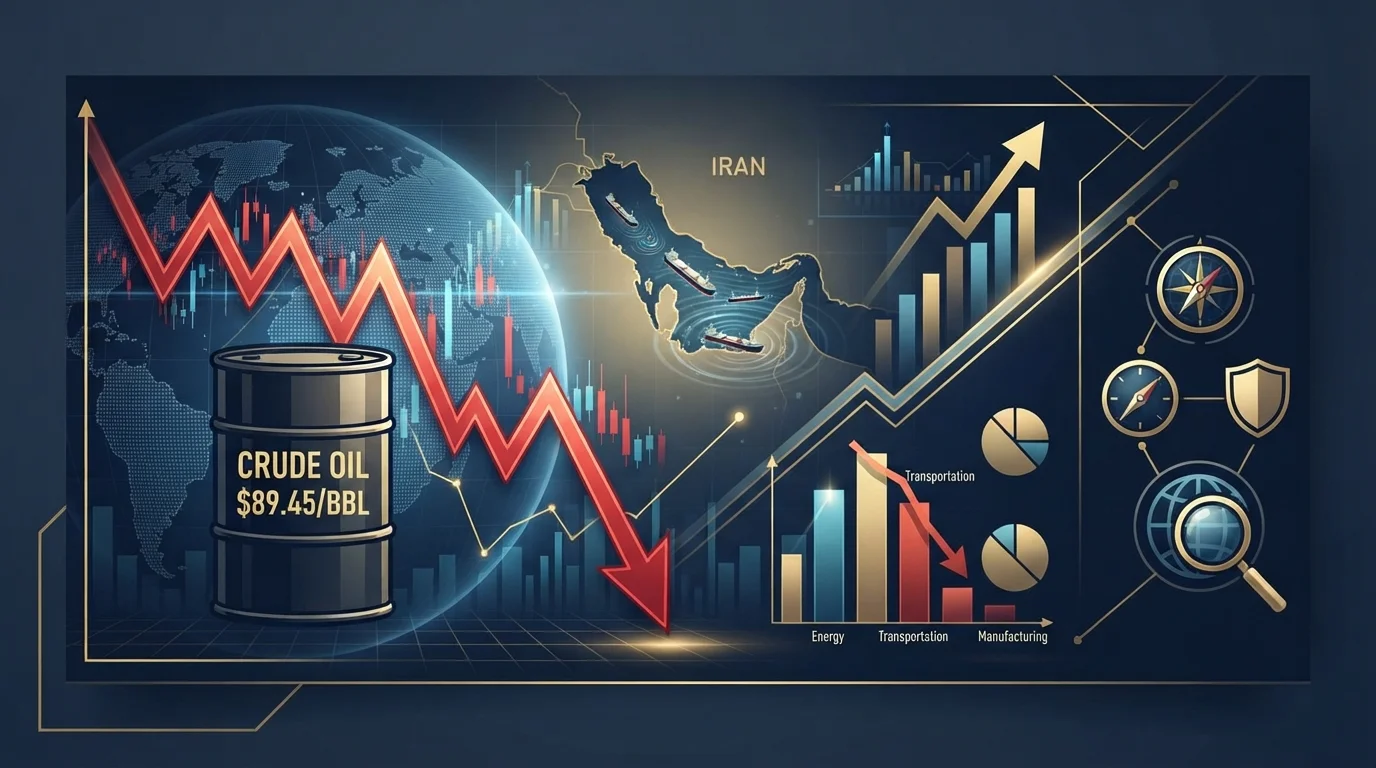
Oil prices have emerged as the dominant force shaping global financial markets in August 2026, with Brent crude hovering near $89 per barrel following the collapse of U.S.-Iran negotiations to reopen the Strait of Hormuz. This supply disruption has created a complex trading environment where energy stocks surge while broader equity indices face persistent selling pressure, particularly in rate-sensitive technology and semiconductor sectors.
The market reaction reflects genuine economic concerns rather than mere sentiment shifts. Higher oil prices function as a tax on consumers and businesses alike, reducing disposable income while simultaneously raising production costs across virtually every industry. With approximately 20% of global oil shipments passing through the Strait of Hormuz, the ongoing closure represents one of the most significant supply disruptions in decades, creating ripple effects that extend far beyond energy markets into inflation expectations, Federal Reserve policy calculations, and corporate earnings forecasts.
For investors navigating this environment, understanding the differentiated impacts across sectors becomes crucial. While energy producers stand to benefit significantly from elevated prices, transportation, manufacturing, and consumer discretionary sectors face margin compression. The key question facing markets is whether current oil price levels represent a temporary spike or the beginning of a sustained period of higher energy costs that could fundamentally alter the investment landscape for 2026 and beyond.
The Strait of Hormuz Crisis: Understanding the Supply Shock
The current oil price surge traces its origins to escalating tensions between the United States, Israel, and Iran that intensified throughout early 2026. Following failed nuclear negotiations in Geneva and military operations beginning in February, Iran implemented a blockade of the Strait of Hormuz in July, effectively cutting off one of the world's most critical maritime chokepoints for oil transportation.
The strategic significance of this waterway cannot be overstated. The Strait of Hormuz handles approximately 21 million barrels of oil per day, representing roughly one-fifth of global petroleum consumption. Any sustained disruption creates immediate supply constraints that cannot be easily offset by alternative routes or increased production from other regions. Saudi Arabia and other Gulf producers have limited pipeline capacity to bypass the strait, while global spare production capacity remains constrained after years of underinvestment in new supply.
Market participants initially priced in a quick resolution, with Brent crude trading in the high $70s through July. However, as diplomatic efforts stalled and Iran's demands for reopening the strait became clear, prices began a steady climb toward current levels near $89 per barrel. The market is now pricing in a prolonged disruption scenario, with forward curves suggesting elevated prices persisting through year-end.
Market Impact: How Rising Oil Prices Affect Different Sectors
The transmission mechanism from oil prices to equity markets operates through multiple channels, creating winners and losers across the economic landscape. Understanding these dynamics helps investors position portfolios appropriately during periods of energy market volatility.
Energy sectors naturally benefit from higher prices. Exploration and production companies see immediate revenue and cash flow improvements, with many U.S. shale producers now highly profitable at current price levels. The Energy Select Sector SPDR Fund has outperformed broader indices significantly in recent weeks as investors rotate toward commodity exposure. Integrated oil majors also benefit, though their refining and marketing operations may face margin pressure from higher input costs.
Conversely, transportation stocks face headwinds as fuel costs represent a major operating expense. Airlines have already begun trimming capacity growth plans and raising ticket prices to offset higher jet fuel costs. Shipping companies face similar challenges, though some can pass costs through via fuel surcharges. The trucking industry, already struggling with driver shortages and regulatory costs, faces additional margin pressure that could accelerate consolidation among smaller operators.
Consumer discretionary sectors feel the pinch through reduced household purchasing power. Every dollar spent at the gasoline pump represents one less dollar available for retail spending, dining out, or entertainment. Historical analysis suggests that sustained oil price increases above $85 per barrel correlate with measurable slowdowns in consumer spending growth, particularly among lower-income households where fuel costs represent a higher percentage of total expenses.
For investors seeking to navigate these sector rotations, consider using Alphio AI's copy trading feature to mirror successful traders who specialize in energy sector rotations and commodity-driven market cycles.

Technology and Semiconductor Selloff: The Rate Sensitivity Factor
While oil prices directly impact energy and consumer sectors, the technology and semiconductor industries face indirect pressure through the interest rate channel. Higher oil prices raise inflation expectations, which in turn reduces the probability of Federal Reserve rate cuts and may even increase the risk of additional tightening.
Technology stocks, particularly high-growth companies with earnings concentrated in the distant future, are highly sensitive to discount rate changes. When investors anticipate higher rates for longer periods, the present value of future cash flows declines, compressing valuation multiples across the sector. This dynamic has contributed to the recent semiconductor selloff that has erased billions in market value from leading chipmakers.
NVIDIA, AMD, and other AI-focused semiconductor companies have faced particular pressure despite strong underlying demand for artificial intelligence infrastructure. The market appears concerned that higher energy costs could eventually dampen corporate capital expenditure plans, including the massive investments in data centers and AI computing that have driven chip demand. Additionally, higher oil prices raise operational costs for data centers, potentially affecting the economics of AI deployment.
The selloff has created potential opportunities for long-term investors who believe AI demand trends remain intact. NVIDIA continues to dominate the AI chip market with an estimated 80-90% market share, and hyperscale cloud providers have guided toward approximately $200 billion in aggregate capital spending for 2026, with the majority directed toward AI infrastructure. However, near-term volatility may persist until inflation and interest rate trajectories become clearer.
For those looking to automate their response to these market dynamics, Alphio AI's agentic trading offers automated portfolio management that can adjust allocations based on changing market conditions and sector rotations.

Gold's Surprising Weakness: When Safe Havens Fail
One of the more puzzling market developments in August 2026 has been the sharp decline in gold prices despite heightened geopolitical tensions and equity market volatility. Gold futures have fallen approximately 1.27% in recent sessions, trading around $4,107 per ounce, challenging the precious metal's traditional role as a safe-haven asset during times of crisis.
Several factors explain this counterintuitive price action. First, the same liquidity pressures affecting other markets have hit gold as investors raise cash to meet margin calls or rebalance portfolios. When volatility spikes, investors often sell winners to cover losses elsewhere, and gold had performed exceptionally well in the months prior to the current crisis, making it a natural source of funds.
Second, rising real interest rates reduce the opportunity cost of holding non-yielding assets like gold. As oil-driven inflation concerns push nominal Treasury yields higher while the Fed maintains its hawkish stance, real yields have climbed, diminishing gold's relative attractiveness. The precious metal faces competition from cash and short-term bonds that now offer meaningful returns without the price volatility.
However, dismissing gold's safe-haven credentials may be premature. Historical analysis shows that gold often experiences initial selloffs during crisis periods as liquidity needs override other considerations, only to recover strongly as the crisis persists and investors seek genuine portfolio protection. The current price levels, while down from recent peaks, remain significantly above long-term averages, suggesting the underlying bull market remains intact.
Precious metals experts note that the current correction should be viewed within the context of an exceptional price cycle that saw gold reach record highs just weeks ago. The pullback may represent a healthy consolidation rather than a fundamental shift in the factors supporting gold over the medium to long term, including ongoing geopolitical tensions, fiscal deficits, and central bank diversification away from dollar reserves.
Federal Reserve Dilemma: Oil, Inflation, and Interest Rates
The Federal Reserve faces an increasingly complex policy calculus as oil prices complicate its inflation-fighting mission. While core inflation had shown signs of moderating earlier in 2026, the oil price spike threatens to reignite headline inflation and potentially bleed into inflation expectations, which the Fed watches carefully for signs of becoming unanchored.
The central bank's challenge lies in distinguishing between transitory supply shocks and persistent inflationary pressures. Oil price increases driven by supply disruptions, such as the Hormuz closure, represent relative price changes that monetary policy is poorly equipped to address. Raising interest rates cannot reopen a blocked strait or increase global oil production capacity. However, if high oil prices persist long enough to influence wage demands and business pricing decisions, they could contribute to the kind of broad-based inflation the Fed is determined to prevent.
Market pricing for Fed policy has shifted dramatically in response to oil developments. Futures markets now indicate reduced expectations for rate cuts in 2026, with some analysts even suggesting the possibility of additional tightening if inflation data surprises to the upside. This repricing has contributed to the pressure on rate-sensitive sectors including technology, real estate, and utilities.
The Fed's communication strategy becomes crucial in this environment. Clear guidance about its reaction function to supply-driven inflation can help anchor expectations and reduce market volatility. However, the central bank must balance this against the risk of appearing indifferent to inflation concerns or, conversely, overreacting to temporary price pressures that could reverse as supply conditions normalize.
For investors seeking to set conditional responses to Fed policy developments, Alphio AI's automations feature allows you to create scheduled workflows that execute trades based on economic data releases and policy announcements.

Investment Strategies for the Current Environment
Navigating markets during periods of oil-driven volatility requires a balanced approach that acknowledges uncertainty while maintaining exposure to long-term growth themes. Several strategies have proven effective in similar historical environments.
Sector rotation toward energy and commodities represents the most direct response to current conditions. Energy stocks offer leverage to oil prices while providing dividend income that can cushion portfolio volatility. However, investors should be selective, focusing on companies with strong balance sheets and low production costs that can maintain profitability even if prices eventually decline. The shift toward renewable energy and electrification remains a long-term theme, but fossil fuels will dominate the energy mix for years to come, creating ongoing opportunities in traditional energy sectors.
Quality factor investing becomes particularly important when margins face pressure from higher input costs. Companies with strong competitive positions, pricing power, and efficient operations can better navigate inflationary environments than their weaker competitors. This favors large-cap over small-cap stocks in many sectors, as larger companies typically have more resources to manage supply chain disruptions and cost pressures.
Dividend growth stocks offer an attractive middle ground between growth and income in the current environment. Companies with histories of consistently raising dividends often possess the pricing power and operational efficiency needed to thrive during inflationary periods. Additionally, dividend payments provide returns even when stock prices are volatile, improving the risk-adjusted performance of equity allocations.
Defensive positioning through utilities, consumer staples, and healthcare can reduce portfolio volatility, though these sectors may face their own challenges from higher interest rates and input costs. Investors should focus on companies within these sectors that have demonstrated ability to pass cost increases through to customers without significant volume impacts.
Global Market Implications Beyond U.S. Borders
The oil price surge and Hormuz crisis have significant implications for global markets that extend well beyond U.S. equities. Understanding these international dynamics helps investors identify both risks and opportunities in a globally interconnected financial system.
European markets face particular pressure from the oil shock due to the region's higher energy import dependency and proximity to Middle East tensions. The euro has weakened against the dollar as investors seek safe-haven assets, creating additional headwinds for European companies with dollar-denominated costs. European central banks, already struggling with inflation above target levels, may face even more difficult policy choices than the Federal Reserve.
Emerging markets present a mixed picture. Oil-exporting nations including Saudi Arabia, Russia, and various Gulf states benefit from higher revenues that can support domestic investment and government spending. Conversely, oil-importing emerging economies face deteriorating trade balances and currency pressure that could force interest rate increases despite slowing growth. Countries like India, Turkey, and South Africa face particularly challenging environments.
China's response to the oil shock carries global significance as the world's largest oil importer. Chinese authorities have significant policy flexibility to support growth if higher energy costs slow the economy, including monetary easing and fiscal stimulus. However, additional stimulus could reignite capital outflow pressures and complicate the government's efforts to manage the property sector downturn and local government debt issues.
Conclusion: Positioning for Uncertainty
The August 2026 oil price surge driven by the Strait of Hormuz crisis has created a challenging investment environment characterized by sector rotation, heightened volatility, and increased uncertainty about the path of inflation and interest rates. While these conditions present risks, they also create opportunities for prepared investors who can maintain discipline during periods of market stress.
The key to navigating the current environment lies in maintaining perspective about the temporary versus permanent nature of current disruptions. While the Hormuz closure creates immediate supply constraints, history suggests that such disruptions eventually resolve through diplomatic, economic, or military means. Investors who position for a permanent state of crisis risk missing the recovery when conditions normalize.
At the same time, dismissing the current challenges as purely temporary ignores the genuine economic impacts of higher energy costs on corporate earnings and consumer spending. A balanced approach acknowledges both the near-term headwinds and the potential for eventual normalization, positioning portfolios to weather current volatility while maintaining exposure to long-term growth themes.
For investors seeking to execute trades and manage portfolios during these volatile conditions, Alphio AI's conversational trading platform allows you to execute trades via chat and receive AI-powered insights on market developments.

Whether you choose to increase energy exposure, rotate toward quality dividend payers, or maintain a diversified approach, the current environment rewards careful analysis and disciplined execution. By understanding the transmission mechanisms from oil prices to equity markets and maintaining flexibility as conditions evolve, investors can navigate the current uncertainty while positioning for long-term success.
For those interested in automating their trading strategies during these volatile market conditions, explore Alphio AI's copy trading feature to mirror successful traders and smart money wallets who specialize in navigating commodity-driven market cycles.
FAQs
How long could the Strait of Hormuz closure last?
The duration of the Hormuz closure depends on diplomatic and military developments between the U.S., Israel, and Iran. Current market pricing suggests investors expect a prolonged disruption lasting several months, though historical precedents indicate such crises typically resolve within 6-12 months through negotiated settlements or military intervention.
Which sectors benefit most from rising oil prices?
Energy sectors including exploration and production companies, oilfield services, and integrated oil majors benefit directly from higher prices. Commodity-related sectors including mining and agriculture may also see relative strength. Conversely, transportation, consumer discretionary, and rate-sensitive technology sectors typically underperform during oil-driven inflationary periods.
Should investors buy the dip in semiconductor stocks?
The semiconductor selloff has created potential opportunities for long-term investors who believe AI demand trends remain intact. However, near-term volatility may persist until inflation and interest rate trajectories become clearer. Dollar-cost averaging into positions rather than timing a single entry point may be prudent given ongoing uncertainty.
Why has gold fallen despite the geopolitical crisis?
Gold has declined due to liquidity pressures as investors raise cash to meet margin calls, combined with rising real interest rates that increase the opportunity cost of holding non-yielding assets. However, historical patterns suggest gold often recovers strongly as crises persist, and current prices remain well above long-term averages.
How might the Federal Reserve respond to oil-driven inflation?
The Fed faces a difficult choice between addressing inflation concerns and avoiding overreaction to supply-driven price increases. Current market pricing suggests reduced expectations for rate cuts in 2026, with the Fed likely to maintain a hawkish stance until inflation data clearly moderates, even if oil prices are contributing to headline inflation figures.
Related articles
- Stock Market Surges After 2026 Midterms: What the Democratic Sweep Means for Your PortfolioThe stock market rallied after Democrats won the 2026 midterms. Discover what the election means for investors, tech stocks, and the S&P 500 outlook.
- Stock Market Surges After 2026 Midterms: What the Democratic Sweep Means for Your PortfolioThe stock market rallied after Democrats won the 2026 midterms. Discover what the election means for investors, tech stocks, and the S&P 500 outlook.
- Oil Prices Surge Above $105 Amid US-Iran Conflict: Energy Investment Opportunities in November 2026Oil prices climb past $105 as US strikes Iran's Qeshm Island. Discover energy investment opportunities, top oil stocks, and market outlook for November 2026.
- NVIDIA Stock Analysis 2026: Navigating the AI Semiconductor Investment LandscapeComprehensive NVIDIA stock analysis for 2026. Explore AI semiconductor investment opportunities, financial metrics, and expert price targets for NVDA shares.
- Berkshire Hathaway Succession: What Abel's $4.5 Billion Bet Means for InvestorsGreg Abel's massive $4.5 billion Berkshire Hathaway stock purchase signals confidence in the post-Buffett era. Discover what this means for long-term investors.
- S&P 500 Tech Stock Market Analysis August 2026: NVDA, AAPL Lead the ChargeComprehensive analysis of S&P 500 tech stocks in August 2026. Discover NVDA, AAPL price targets and market outlook for smart investment decisions.