

Fed Interest Rate Policy and Stock Market Outlook: Navigating August 2026's Uncertain Waters
Analysis of Federal Reserve interest rate policy, inflation trends, oil price impacts, and investment strategies for August 2026. Expert insights on market outlook.

Key Takeaway
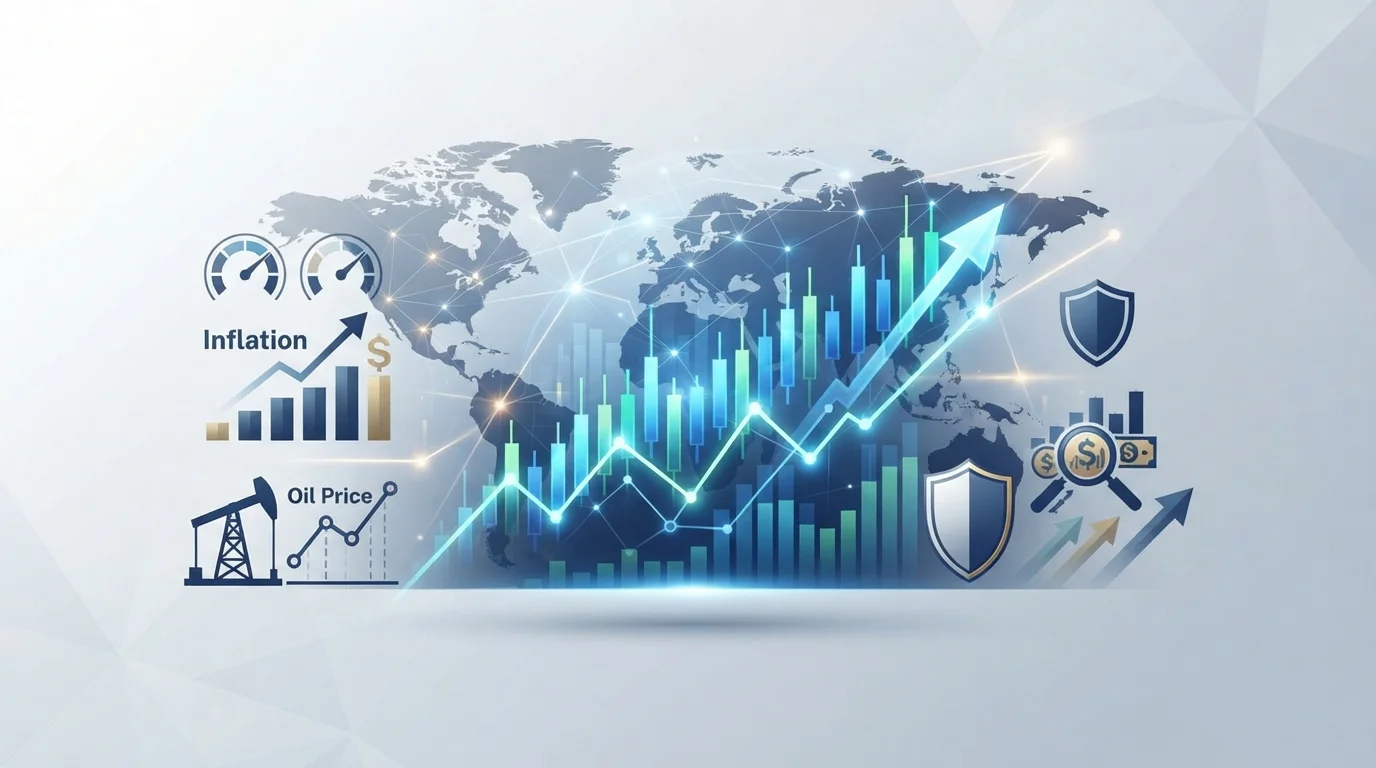
The Federal Reserve finds itself at a critical juncture in August 2026, maintaining interest rates at 3.50%-3.75% while markets debate whether the next move will be a hike or an extended pause. With inflation remaining stubbornly above the Fed's 2% target, oil prices surging to $91 per barrel, and major technology earnings on the horizon, investors face a complex landscape that demands careful navigation. The central bank's challenge is compounded by supply-driven inflationary pressures that traditional monetary policy tools struggle to address effectively.
For investors, this environment presents both risks and opportunities. Rising oil prices have already dragged markets lower in recent sessions, while the S&P 500 continues to test record highs amid mixed economic signals. The key question facing market participants is whether the Fed can successfully engineer a soft landing or if aggressive rate policy will eventually tip the economy into recession. Current market pricing suggests a divided view, with approximately 30% probability assigned to a rate hike at upcoming meetings despite economists' consensus for an extended hold.
Understanding the Fed's Current Stance
The Federal Reserve has held rates steady at 3.50%-3.75% for five consecutive meetings as of mid-2026, marking one of the longest pauses in recent monetary policy history. This extended period of stability reflects the central bank's cautious approach as it assesses the cumulative impact of previous rate increases on economic activity. Fed Chair Jerome Powell and his colleagues have emphasized a data-dependent approach, indicating that future policy decisions will hinge on incoming inflation readings, labor market conditions, and broader economic momentum.
The Fed's challenge is particularly acute because much of the current inflation is supply-driven rather than demand-driven. Traditional monetary policy works primarily by dampening aggregate demand, but when inflation stems from supply constraints, energy prices, and geopolitical factors, rate hikes become a less effective tool. This dynamic has forced policymakers to walk a tightrope between containing inflation expectations and avoiding unnecessary economic damage. The minutes from recent Federal Open Market Committee meetings reveal significant debate among participants about the appropriate path forward, with some advocating for patience while others express concern about inflation becoming entrenched.
Inflation Dynamics and Policy Implications
Core inflation remains elevated, with Goldman Sachs Asset Management expecting it to hover near 3% through December 2026 before gradually declining toward the Fed's 2% target in 2027. This trajectory reflects the lingering effects of tariffs, elevated energy prices, and ongoing challenges in measuring the true impact of artificial intelligence on productivity and pricing. The persistence of inflation above target has complicated the Fed's messaging and raised questions about whether the central bank will need to maintain restrictive policy for longer than previously anticipated.
Recent inflation data has shown some encouraging signs, with two consecutive months of muted readings providing policymakers with breathing room. However, these improvements may prove temporary if oil prices continue their upward trajectory or if wage growth remains robust. The Fed's preferred inflation measure, the Personal Consumption Expenditures price index, remains closely watched by markets for clues about the timing of any policy shifts. Economists widely expect the Fed to hold rates unchanged through the remainder of 2026, though markets continue to price in meaningful odds of a hike if inflation reaccelerates.
For investors seeking to navigate this complex environment, consider using Alphio AI's agentic trading feature to automate your portfolio management with AI-powered strategies that adapt to changing market conditions.

Oil Prices and Their Market Impact
Brent crude oil has surged to $91.52 per barrel as of mid-August 2026, representing a 36.92% increase from the same period last year and a 2.57% rise over the past month alone. This dramatic price appreciation has created headwinds for equity markets, with rising energy costs threatening to reignite inflationary pressures while simultaneously squeezing corporate profit margins. The oil rally has been driven by a combination of supply constraints, geopolitical tensions, and resilient global demand despite higher prices.
The relationship between oil prices and monetary policy has become increasingly complex. Higher oil prices tend to boost headline inflation, potentially forcing the Fed to maintain or even increase interest rates despite slowing economic growth. This stagflationary dynamic-rising inflation coupled with weakening growth-represents one of the most challenging scenarios for both policymakers and investors. J.P. Morgan Global Research forecasts Brent crude averaging $86 per barrel in Q3 2026, declining to $80 in Q4 and $78 by year-end, suggesting some relief may be on the horizon.
Energy Sector Investment Implications
The surge in oil prices has created a bifurcated market environment where energy stocks have outperformed while rate-sensitive sectors have struggled. Investors have rotated toward commodity producers and away from growth stocks that are negatively impacted by higher discount rates. This rotation reflects a broader reassessment of portfolio positioning as markets grapple with the possibility that interest rates may remain elevated for an extended period.
Energy companies have benefited from improved cash flows and strengthened balance sheets, enabling increased capital returns to shareholders through dividends and buybacks. However, the sustainability of these gains depends on oil prices remaining at elevated levels, which is far from certain given the potential for demand destruction and increased supply from non-OPEC producers. Investors should carefully evaluate the risk-reward profile of energy investments in the context of their overall portfolio objectives and risk tolerance.
Technology Earnings and Market Leadership
The technology sector remains central to market dynamics, with Nvidia's upcoming earnings report on August 26, 2026, serving as a key catalyst for broader sentiment. The semiconductor giant, which has risen approximately 17.7% year-to-date to around $219, faces high expectations as investors assess whether the AI-driven rally can continue. Nvidia's results will provide important insights into demand trends for artificial intelligence infrastructure and the sustainability of current valuation multiples.
Nvidia is not alone in facing scrutiny. Marvell Technology reports on August 27, followed by Broadcom on September 2, creating a concentrated period of semiconductor earnings that will likely set the tone for technology stocks into the fall. These companies have benefited enormously from AI capital spending by hyperscale cloud providers, but questions remain about the durability of this demand and whether current growth rates are sustainable beyond the initial infrastructure buildout phase.
AI Investment Themes and Valuations
The artificial intelligence boom has driven significant multiple expansion across the technology sector, with investors pricing in years of above-trend growth. While the long-term potential of AI is widely acknowledged, near-term valuation concerns have become more pronounced as interest rates have risen. Higher discount rates reduce the present value of future cash flows, disproportionately impacting growth stocks with earnings concentrated in later years.
Analysts remain divided on whether current valuations are justified. Bulls point to the transformative potential of AI across industries and the early innings of adoption, while bears caution that expectations may have gotten ahead of reality. The upcoming earnings reports will provide important data points for this debate, with particular attention paid to guidance for the remainder of 2026 and beyond. Any signs of demand moderation or pricing pressure could trigger significant volatility in the sector.
For those looking to mirror successful trading strategies in volatile markets, explore Alphio AI's copy trading feature to follow smart money wallets and experienced traders.

Gold as an Inflation Hedge
Gold has emerged as a favored asset for investors seeking protection against inflation and currency depreciation, with prices trading near $4,400 per ounce in August 2026. The yellow metal has benefited from a combination of factors including geopolitical uncertainty, concerns about fiscal sustainability, and the desire for portfolio diversification in an environment of elevated equity valuations and rising bond yields. Gold's performance has been particularly notable given the headwinds from higher real interest rates, which typically pressure non-yielding assets.
Analysts at TD Securities note that precious metals maintain a bid, with gold holding gains and maintaining CTA length north of $4,400 per ounce even as oil prices and interest rates continue to churn higher. This resilience suggests underlying demand from both institutional and retail investors who view gold as a hedge against potential policy mistakes or unexpected inflation outcomes. The growing stagflationary theme in markets has provided additional support for gold prices.
Investment Considerations for Precious Metals
Investors considering gold exposure should evaluate the various vehicles available, including physical bullion, exchange-traded funds, mining equities, and derivatives. Each approach carries distinct risk-return characteristics and implementation considerations. Physical gold provides the purest exposure but involves storage and security costs, while mining stocks offer leverage to gold prices but introduce company-specific and operational risks.
The outlook for gold prices remains constructive according to many analysts, with forecasts suggesting potential for prices to reach $4,500 or higher if inflation concerns intensify or if the Fed is forced to cut rates in response to economic weakness. However, gold is not without risks, and a scenario where the Fed successfully engineers a soft landing while containing inflation could see the metal give back some of its recent gains. As with any investment, gold should be viewed as part of a diversified portfolio rather than a standalone solution.
Fixed Income and Interest Rate Outlook
The bond market has been volatile as investors recalibrate expectations for the path of interest rates. Treasury yields have risen to multi-year highs on concerns about massive government spending and persistent inflationary pressures, creating challenges for fixed income investors who had anticipated rate cuts in 2026. The yield curve has steepened somewhat, though portions remain inverted, reflecting ongoing recession concerns.
For bond investors, the current environment presents a dilemma. Higher yields offer improved income potential compared to the ultra-low rates of recent years, but the risk of further price declines remains if inflation proves more persistent than expected or if the Fed is forced to raise rates more aggressively. Duration management has become critical, with many investors favoring shorter-maturity bonds to reduce sensitivity to interest rate movements.
Credit Markets and Corporate Bonds
Corporate credit spreads have remained relatively tight despite the uncertainty surrounding monetary policy, suggesting that investors are not overly concerned about a near-term recession or significant increase in default rates. Investment-grade corporate bonds offer yield pickups over Treasuries that many investors find attractive, though the compensation for credit risk has narrowed from levels seen during periods of greater stress.
High-yield bonds present a more mixed picture, with spreads that have widened somewhat from their tightest levels but remain below long-term averages. The strong corporate earnings environment and robust balance sheets have supported credit quality, though rising interest expenses will pressure some issuers as debt matures and needs to be refinanced at higher rates. Selectivity remains key in credit markets, with fundamental analysis of issuer-specific factors becoming increasingly important.
Investment Strategies for the Current Environment
Navigating the current market environment requires a balanced approach that acknowledges both the opportunities and risks present. Investors should consider maintaining diversified portfolios while being selective about asset allocation and security selection. The traditional 60/40 stock-bond portfolio has faced challenges from the correlation between stocks and bonds turning positive, necessitating a broader approach to diversification.
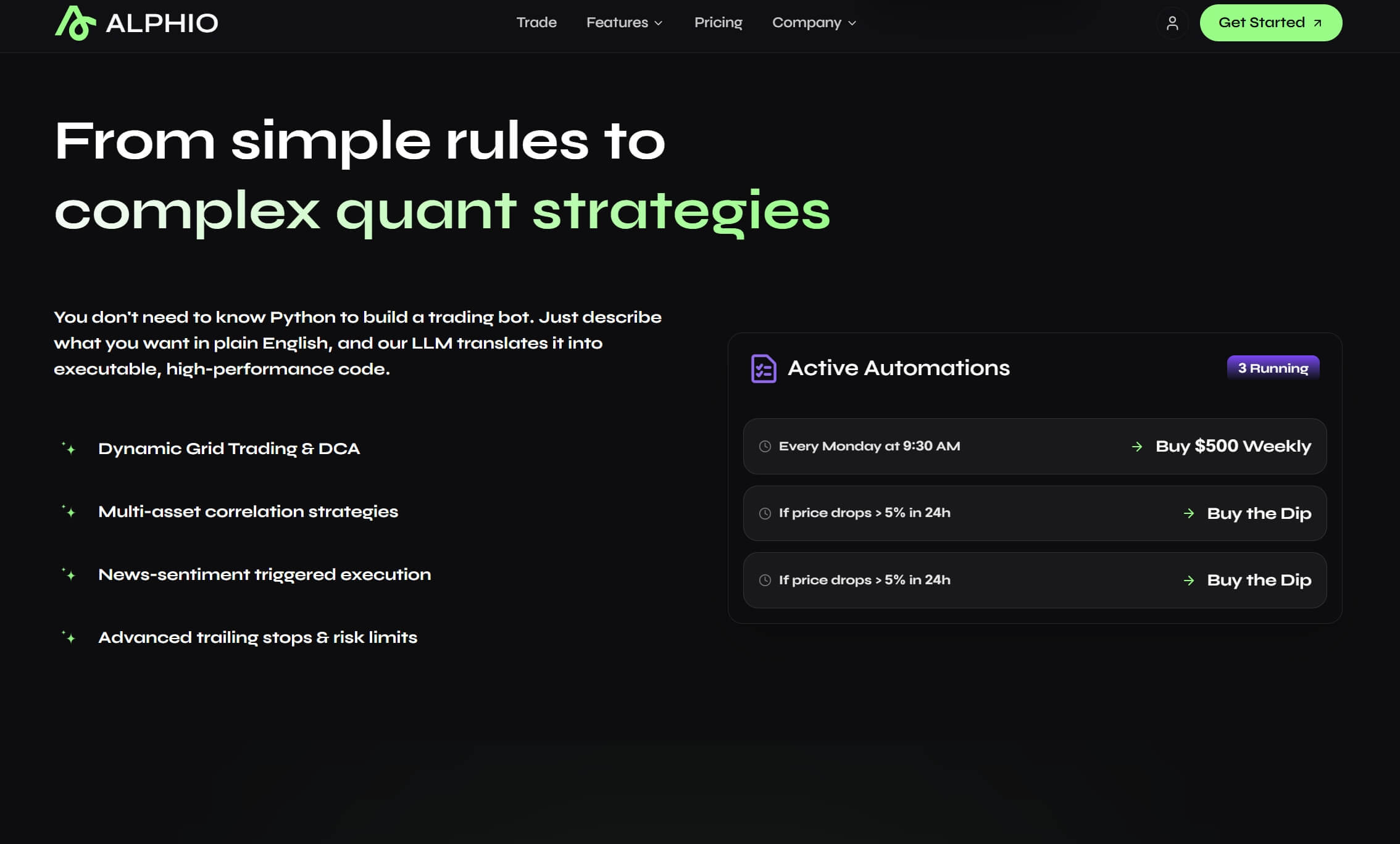
For active traders looking to execute strategies efficiently, Alphio AI's conversational trading interface allows you to place trades and manage positions through natural language commands.
Tactical Considerations
Tactical asset allocation adjustments may be warranted based on individual circumstances and market views. Some investors have increased allocations to commodities and real assets as hedges against inflation, while others have sought exposure to sectors that benefit from higher interest rates such as financials. International diversification remains important, though currency considerations add complexity to overseas investments.
Quality factors have gained favor as investors prioritize companies with strong balance sheets, consistent cash flows, and pricing power. These characteristics become more valuable in an environment of economic uncertainty and rising input costs. Similarly, dividend-paying stocks have attracted interest from investors seeking income in a world where bond yields, while higher, may still be insufficient to meet return objectives.
Risk Management
Risk management has taken on renewed importance given the potential for increased volatility. Position sizing, stop-loss discipline, and correlation monitoring are essential tools for navigating uncertain markets. Investors should also consider the liquidity of their holdings and the potential for gaps in pricing during periods of stress.
Alternative investments, including private credit, real estate, and infrastructure, may offer diversification benefits and return potential that complements traditional portfolios. However, these investments typically involve longer lock-up periods and less liquidity, requiring careful consideration of investment horizons and cash flow needs.
To automate your trading workflows and risk management, consider setting up conditional automations through Alphio AI's scheduled task feature.

Conclusion
The Federal Reserve's interest rate policy remains the dominant force shaping financial markets in August 2026, with the central bank navigating a complex landscape of persistent inflation, rising oil prices, and mixed economic signals. While the consensus expectation is for rates to remain on hold through year-end, the risk of a hike cannot be dismissed, particularly if inflation data surprises to the upside. Investors should prepare for a range of outcomes while maintaining focus on long-term objectives.
The key to success in this environment lies in maintaining discipline, diversification, and a willingness to adapt as conditions evolve. Quality companies with strong competitive positions and flexible balance sheets are likely to outperform regardless of the macroeconomic backdrop. Similarly, a balanced approach to asset allocation that considers multiple scenarios can help investors navigate uncertainty while positioning for opportunities as they arise.
For those seeking to enhance their investment approach, Alphio AI offers a suite of tools designed to help investors navigate complex markets. From copy trading that allows you to mirror successful strategies, to agentic trading that automates portfolio management, to conversational trading that simplifies execution, Alphio provides the technology and insights needed to make informed decisions in today's challenging environment. Visit alphio.ai to explore how these features can support your investment journey.
FAQs
What is the Federal Reserve's current interest rate policy?
The Federal Reserve has held interest rates steady at 3.50%-3.75% for five consecutive meetings as of August 2026. The central bank is taking a data-dependent approach, with economists widely expecting rates to remain on hold through the remainder of 2026, though markets price in approximately 30% odds of a rate hike if inflation reaccelerates.
How are rising oil prices affecting the stock market?
Brent crude oil has surged to over $91 per barrel, up 36.92% year-over-year, creating headwinds for equity markets. Rising energy costs threaten to reignite inflationary pressures while squeezing corporate profit margins. This has led to sector rotation, with energy stocks outperforming while rate-sensitive growth sectors have struggled.
What is the outlook for inflation in 2026?
Goldman Sachs expects core inflation to hover near 3% through December 2026 before gradually declining toward the Fed's 2% target in 2027. This reflects lingering effects of tariffs, elevated energy prices, and ongoing challenges in measuring AI's impact on productivity and pricing. Recent data has shown some improvement, but risks remain tilted to the upside.
How should investors position their portfolios given Fed uncertainty?
Investors should maintain diversified portfolios while being selective about asset allocation. Consider quality factors, dividend-paying stocks, and real assets as inflation hedges. Alternative investments may offer diversification benefits. Risk management through position sizing and correlation monitoring is essential given potential for increased volatility.
What are the key catalysts to watch in the coming weeks?
Nvidia's earnings report on August 26, 2026, will be a major catalyst for technology stocks and broader market sentiment. Additional key events include Marvell Technology earnings on August 27 and Broadcom on September 2. These semiconductor results will provide important insights into AI demand trends and infrastructure spending.
Related articles
- Stock Market Surges After 2026 Midterms: What the Democratic Sweep Means for Your PortfolioThe stock market rallied after Democrats won the 2026 midterms. Discover what the election means for investors, tech stocks, and the S&P 500 outlook.
- Stock Market Surges After 2026 Midterms: What the Democratic Sweep Means for Your PortfolioThe stock market rallied after Democrats won the 2026 midterms. Discover what the election means for investors, tech stocks, and the S&P 500 outlook.
- Oil Prices Surge Above $105 Amid US-Iran Conflict: Energy Investment Opportunities in November 2026Oil prices climb past $105 as US strikes Iran's Qeshm Island. Discover energy investment opportunities, top oil stocks, and market outlook for November 2026.