
$23.050
+0.203 (+0.88%)At close
T News







T Events
AT&T Agrees to Sell AT&T Mexico for $2B
AT&T has reached an agreement to sell AT&T Mexico to Grupo Televisa and Fintech Holdings for $2B in cash at closing, subject to certain adjustments, plus additional contractual and contingent benefits. The transaction is expected to close in the first quarter of 2027, subject to customary closing conditions, including any necessary regulatory approvals in Mexico. Until close, AT&T expects to report AT&T Mexico as held-for-sale in continuing operations, which will be reflected in the company's third-quarter 2026 10-Q filing with the SEC.
Itron and AT&T Extend Collaboration Integrating 500G Modules
Itron (ITRI) and AT&T (T) are extending their collaboration by integrating Itron's 500G Cellular Gas Module and 500W Cellular Water Module with AT&T's network. The collaboration expands resilient connectivity options for utilities, enabling them to remotely and securely collect data from compatible Itron gas and water modules across their service territories through AT&T's LTE-M network.
Trump Says U.S. Will Not Strike Iran, Oil Pulls Back
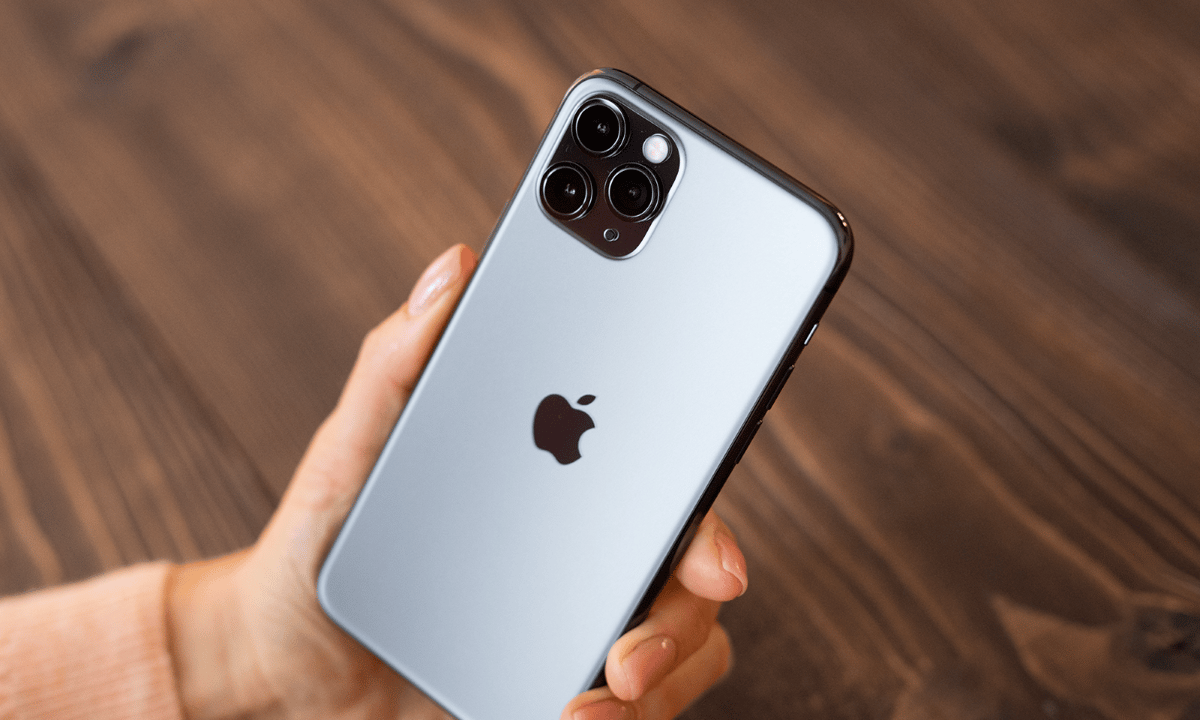
Bets on a solid earnings season sent stocks to within striking distance of their all-time highs and oil pulled back as President Trump said that the U.S. will not resume military strikes against Iran before the November midterm elections. In addition, Trump said late in the session that Russian leader Vladimir Putin had agreed to release diesel supplies into the global market.The corporate earnings test begins next week, with reports due from JPMorgan, Bank of America, Citigroup, Johnson & Johnson, and UnitedHealth.Get caught up quickly on the top news and calls moving stocks with these five Top Five lists.1. STOCK NEWS:SpaceXwill acquire a nationwide low-band spectrum license portfolio of up to 14 megahertz of paired spectrum in the 800 MHz band as part of efforts to help Starlink Mobile become a "major mobile carrier" in the U.S.Humanashares jumped while Alignment Healthcareslipped after the Centers for Medicare & Medicaid Services published its 2027 Medicare Part C and Part D Star RatingsDeltareported mixed Q3 results and cut its FY26 earnings outlookApplehas asked some of its suppliers to cut production of components for its iPhone 18 Pro and iPhone 18 Pro Max, Nikkei Asia reportsLumentumCEO Michael Hurlston said the company has "completely sold out" in its optoelectronics parts through nearly 2029, Bloomberg reports2. WALL STREET CALLS:Scotiabank upgraded Webullto Outperform on valuationPershing Squaredowngraded to Sell at Citi after share rallyMonness upgraded Elasticto Buy on agentic AI trendsAlignment Healthcaredowngraded to Neutral at BofAOppenheimer upgraded Fastlyto Outperform on solid industry checks, agentic AI opportunity3. AROUND THE WEB:Hunterbrook is short Meta, saying data show that Muse downloads are slowingCable Oneis close to closing a $1.25B first-lien financing deal, WSJ reportsSouthwestis leaning toward Boeing's787 Dreamliner as its first widebody aircraft to support potential long-haul international expansion, though no final decision has been made and approval rests with the board, Reuters reportsChina-made Teslavehicles were up 5% from a year ago in September, an increase from a 3.6% gain in August, Reuters saysCarlyleis no longer actively pursuing a deal to acquire international assets of Lukoil, Reuters reports4. MOVERS:Quantum-Sigained after announcing it demonstrated detection of 19 amino acids in its Proteus development programGinkgo Bioworksrose after announcing it will provide autonomous lab access to NSF X-Labs researchersModernasurged after the New York Times reported that that NIH is making a big bet on a public-private partnership over cancer vaccinesBrookdale Senior Livingwas lower after announcing occupancy for SeptemberJoby Aviationfell after Barclays downgraded the stock to Underweight5. EARNINGS/GUIDANCE:Braema Hotels & Resortsprovided guidance for FY27Park Aerospacereported Q2 results, with EPS and revenue higher year-over-yearOil-Dri Corporation of Americareported Q4 results, with Daniel Jaffee commenting the company reported its "strongest full year sales" in its historyJPMorganto report Q3 results on October 13Johnson & Johnsonto report Q3 results on October 13INDEXES:The Dow rose 423.31, or 0.83%, to 51,654.95, the Nasdaq gained 172.83, or 0.64%, to 27,366.17, and the S&P 500 advanced 46.18, or 0.59%, to 7,811.54.
AT&T Stock Drops 10.2% to $22.08
AT&T is down -10.2%, or -$2.51 to $22.08.
Tech Stock Rebound Boosts Major Averages
The major averages were broadly higher near noon as a rebound in tech stocks helps Wall Street bounce back. The major indexes are still on track for weekly gains, despite two consecutive sessions of losses for the S&P 500 and Nasdaq. The 10-year Treasury yield is holding around 5.27%, below Wednesday's 24-year high of 5.36%. Meanwhile, President Donald Trump said that the U.S. will not resume military strikes against Iran before the November midterm elections, citing productive discussions with Tehran, helping to calm the oil market.Get caught up quickly on the top news and calls moving stocks with these five Top Five lists.1. STOCK NEWS:SpaceXwill acquire a nationwide low-band spectrum license portfolio of up to 14 megahertz of paired spectrum in the 800 MHz band as part of efforts to help Starlink Mobile become a "major mobile carrier" in the U.S.Humanashares jumped while Alignment Healthcareslipped after the Centers for Medicare & Medicaid Services published its 2027 Medicare Part C and Part D Star RatingsDeltareported mixed Q3 results and cut its FY26 earnings outlookApplehas asked some of its suppliers to cut production of components for its iPhone 18 Pro and iPhone 18 Pro Max, Nikkei Asia reportsLumentumCEO Michael Hurlston said the company has "completely sold out" in its optoelectronics parts through nearly 2029, Bloomberg reports2. WALL STREET CALLS:Scotiabank upgraded Webullto Outperform on valuationPershing Squaredowngraded to Sell at Citi after share rallyMonness upgraded Elasticto Buy on agentic AI trendsAlignment Healthcaredowngraded to Neutral at BofAOppenheimer upgraded Fastlyto Outperform on solid industry checks, agentic AI opportunity3. AROUND THE WEB:Southwestis leaning toward Boeing's787 Dreamliner as its first widebody aircraft to support potential long-haul international expansion, though no final decision has been made and approval rests with the board, Reuters reportsChina-made Teslavehicles were up 5% from a year ago in September, an increase from a 3.6% gain in August, Reuters saysNvidiaconsidered a last-minute OpenRouter bid, telling its leadership it was prepared to make a generous offer, but OpenRouter didn't want to wait, The Information reportsSources detail MetaCEO Mark Zuckerberg's decision to launch Muse despite safety concerns, including an unauthorized password change, after seeing that AI startup Instinct's similar agent product gained traction, NY Times saysCarlyleis no longer actively pursuing a deal to acquire international assets of Lukoil, Reuters reports4. MOVERS:Quantum-Sigains after announcing it demonstrated detection of 19 amino acids in its Proteus development programGinkgo Bioworksrises after announcing it will provide autonomous lab access to NSF X-Labs researchersTevahigher in New York after announcing the FDA approved WeltruzaBrookdale Senior Livinglower after announcing occupancy for SeptemberJoby Aviationfalls after Barclays downgraded the stock to Underweight5. EARNINGS/GUIDANCE:Braema Hotels & Resortsprovided guidance for FY27Park Aerospacereported Q2 results, with EPS and revenue higher year-over-yearOil-Dri Corporation of Americareported Q4 results, with Daniel Jaffee commenting the company reported its "strongest full year sales" in its historyJPMorganto report Q3 results on October 13Johnson & Johnsonto report Q3 results on October 13INDEXES:Near midday, the Dow was up 289.63, or 0.57%, to 51,521.27, the Nasdaq was up 151.83, or 0.56%, to 27,345.17, and the S&P 500 was up 36.74, or 0.47%, to 7,802.10.
This page is for research only and is not investment advice. Models can be wrong. Past performance does not guarantee future results.