

Is S&P 500 Still a Safe Investment in 2026? Historical Evidence and Smart Strategies
Discover why the S&P 500 remains a cornerstone investment in 2026 despite market volatility. Learn proven strategies, historical insights, and smart allocation tactics.

Key Takeaway
The S&P 500 has consistently proven to be one of the most reliable wealth-building vehicles for long-term investors, even during periods of heightened market volatility. Historical data spanning nearly a century demonstrates that patient investors who maintain their positions through market downturns have been rewarded with average annual returns of approximately 10%, significantly outpacing inflation and most alternative investments. However, the key to success lies not just in owning the index, but in understanding when to buy, how much to allocate, and most importantly, having the emotional discipline to stay invested when markets become turbulent.
As we navigate through 2026, investors are facing a unique confluence of factors including Federal Reserve policy adjustments, geopolitical tensions, and technological disruption that have introduced fresh uncertainty into equity markets. Yet these challenges are not unprecedented. The S&P 500 has weathered world wars, pandemics, financial crises, and countless recessions, emerging stronger each time. For investors willing to adopt a long-term perspective and implement strategic allocation methods, the index continues to represent a compelling opportunity for wealth accumulation.
What separates successful index investors from those who underperform is their ability to resist the urge to time the market. Studies consistently show that missing just a handful of the market's best days can dramatically reduce long-term returns. This reality underscores the importance of maintaining consistent exposure to the S&P 500 through systematic investment approaches such as dollar-cost averaging, rather than attempting to predict short-term market movements.
Understanding the S&P 500's Historical Resilience
The S&P 500's track record speaks for itself when examined over extended time horizons. Since its inception in 1957, the index has delivered positive returns in approximately 75% of calendar years, demonstrating remarkable consistency despite short-term volatility. More impressively, rolling 20-year periods have never produced negative returns for investors, a statistic that should provide comfort to those with sufficiently long investment horizons.
This historical resilience stems from the fundamental nature of the index itself. By owning the S&P 500, investors gain exposure to 500 of the largest and most profitable companies in the United States, representing approximately 80% of available market capitalization. These companies span every major sector of the economy, from technology giants and healthcare innovators to industrial powerhouses and consumer staples leaders. This built-in diversification means that even when specific industries face headwinds, the broader index can continue advancing as other sectors pick up the slack.
The mechanism of index reconstitution also contributes to long-term performance. As underperforming companies fall out of the index and are replaced by rising stars, the S&P 500 naturally evolves to capture economic growth wherever it occurs. This dynamic quality ensures that investors remain positioned to benefit from emerging trends without needing to predict which individual companies will lead the next wave of innovation.
Current Market Dynamics in 2026
The investment landscape of 2026 presents both challenges and opportunities for S&P 500 investors. On one hand, elevated valuations compared to historical averages have led some analysts to project more modest forward returns. Price-to-earnings ratios have remained above long-term norms, suggesting that investors may need to temper expectations for the double-digit annual gains that characterized the 2010s.
However, several positive factors continue to support the index. Corporate earnings have demonstrated remarkable resilience, with S&P 500 companies collectively posting record profits despite macroeconomic headwinds. The technology sector, which now comprises a significant portion of the index, continues to drive innovation in artificial intelligence, cloud computing, and automation, creating new revenue streams and efficiency gains across the economy.
Additionally, the Federal Reserve's approach to monetary policy has evolved, with rate cuts anticipated as inflation continues its downward trajectory. Lower interest rates typically benefit equities by reducing the cost of capital for businesses and making fixed-income alternatives less attractive relative to stocks. This macroeconomic backdrop, combined with strong corporate fundamentals, provides a reasonable foundation for continued market appreciation.
Dollar-Cost Averaging: The Proven Strategy
For investors concerned about market timing, dollar-cost averaging represents one of the most effective approaches to building S&P 500 exposure. This strategy involves investing a fixed amount at regular intervals, regardless of market conditions, which naturally results in purchasing more shares when prices are low and fewer shares when prices are high.
The psychological benefits of this approach cannot be overstated. By removing the need to make timing decisions, investors avoid the emotional pitfalls that derail many portfolios. When markets decline, systematic investors actually benefit from acquiring shares at discounted prices, a counterintuitive reality that helps reframe volatility as opportunity rather than risk.
Historical simulations demonstrate the power of consistent investing. An investor who committed to monthly S&P 500 purchases beginning in January 2000, just before the dot-com crash, would have experienced significant drawdowns in the early years. Yet by maintaining their discipline through the 2008 financial crisis and subsequent recovery, they would have ultimately achieved substantial wealth accumulation, with their portfolio value far exceeding what cash savings would have generated.
The Role of Dividends in Total Returns
A frequently overlooked aspect of S&P 500 investing is the substantial contribution of dividends to total returns. While price appreciation garners most headlines, reinvested dividends have historically accounted for approximately 40% of the index's total return over long periods. This compounding effect becomes increasingly powerful as investment horizons extend.
Many S&P 500 companies have established impressive track records of dividend growth, with some maintaining streaks of increasing payouts for decades. These dividend aristocrats not only provide income but also signal financial health and management confidence. For investors in accumulation phases, reinvesting these dividends accelerates wealth building through the magic of compound growth.
Managing Risk Through Strategic Allocation
While the S&P 500 offers excellent diversification within U.S. large-cap equities, prudent investors should consider how index funds fit within broader portfolio allocation strategies. Most financial advisors recommend combining S&P 500 exposure with international equities, fixed income, and potentially alternative investments to create truly diversified portfolios.
The appropriate allocation to the S&P 500 depends on individual circumstances including age, risk tolerance, and investment timeline. Younger investors with decades until retirement might reasonably allocate 70-80% of their equity exposure to the index, while those nearing retirement may prefer more conservative positioning. Rebalancing periodically ensures that allocations remain aligned with target percentages as market movements cause drift.
The Impact of Fees and Fund Selection
Not all S&P 500 investment vehicles are created equal, and fee differences can meaningfully impact long-term returns. Exchange-traded funds and index mutual funds tracking the S&P 500 have proliferated, with expense ratios ranging from virtually zero to over 1% annually for some actively managed alternatives.
For most investors, low-cost index ETFs represent the optimal choice, offering liquidity, tax efficiency, and minimal tracking error relative to the underlying index. A difference of just 0.5% in annual fees compounds dramatically over decades, potentially reducing terminal portfolio values by tens of thousands of dollars for typical retirement savings.
For investors seeking to automate their portfolio management and take advantage of advanced trading strategies, consider using Alphio AI's copy trading feature to mirror successful traders and smart money wallets.
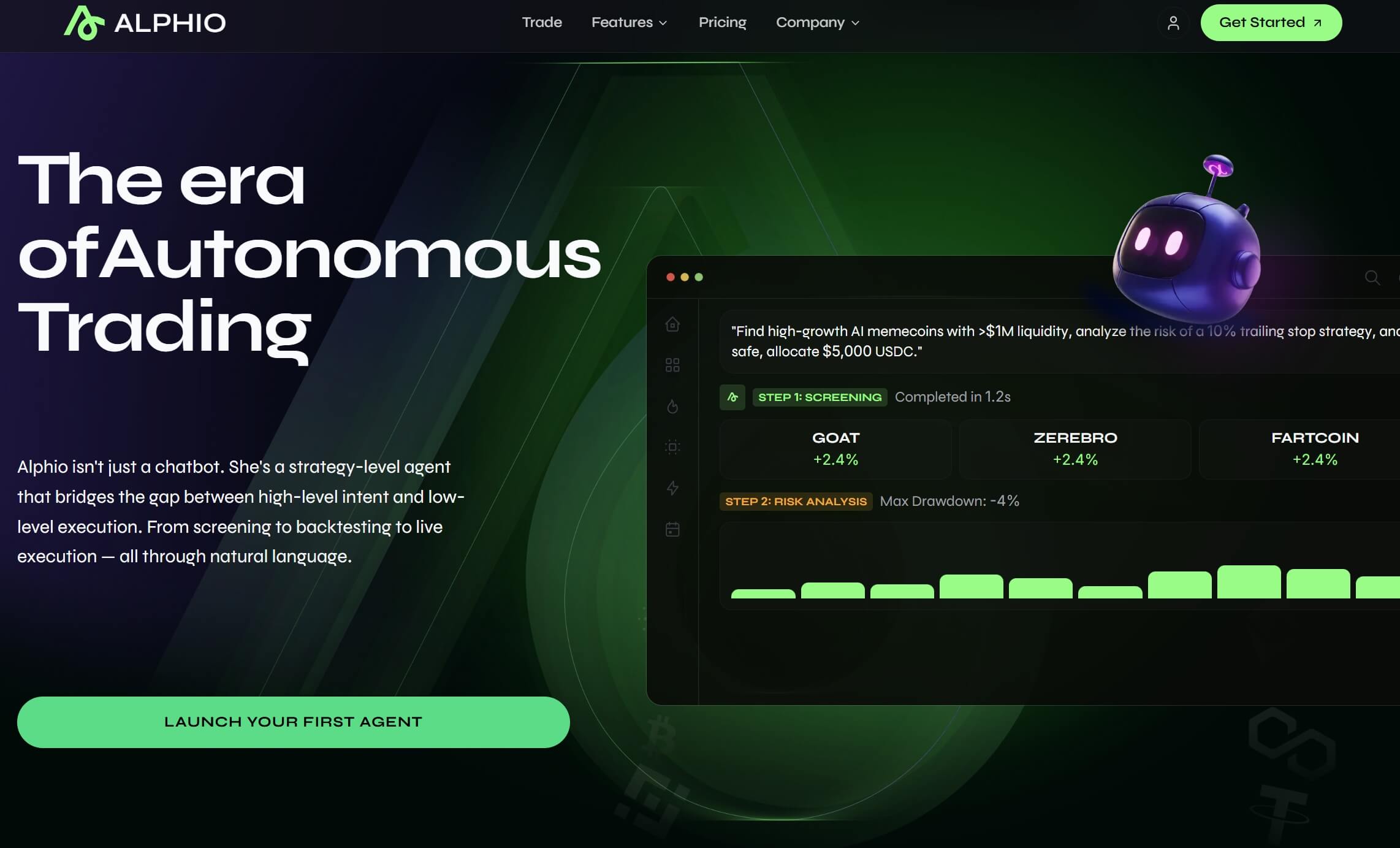
This approach allows you to benefit from proven investment strategies without requiring constant monitoring or deep technical expertise.
Tax Considerations for Index Investors
The tax efficiency of S&P 500 index funds provides another advantage over actively managed alternatives. Because index funds trade infrequently, they generate fewer capital gains distributions that create taxable events for investors. This characteristic makes them particularly suitable for taxable brokerage accounts.
Investors should also consider the tax implications of their investment location strategies. Holding index funds in tax-advantaged accounts such as 401(k)s and IRAs provides maximum benefit, while taxable accounts might be reserved for more tax-efficient assets or strategies. Tax-loss harvesting opportunities during market downturns can further enhance after-tax returns for sophisticated investors.
Behavioral Pitfalls to Avoid
The greatest threat to S&P 500 investment success often comes not from market volatility itself, but from investor behavior during volatile periods. Abandoning investment plans during market crashes, chasing past performance by increasing allocations after strong rallies, and attempting to time market entries and exits are common mistakes that devastate long-term returns.
Understanding the psychological biases that drive these behaviors is the first step toward overcoming them. Loss aversion causes investors to feel the pain of declines more acutely than the pleasure of equivalent gains, potentially triggering panic selling at market bottoms. Recency bias leads to extrapolating recent performance into the future, resulting in buying high and selling low.
For those looking to remove emotional decision-making from their investment process entirely, agentic trading offers an innovative solution to automate portfolio management with AI-powered strategies.
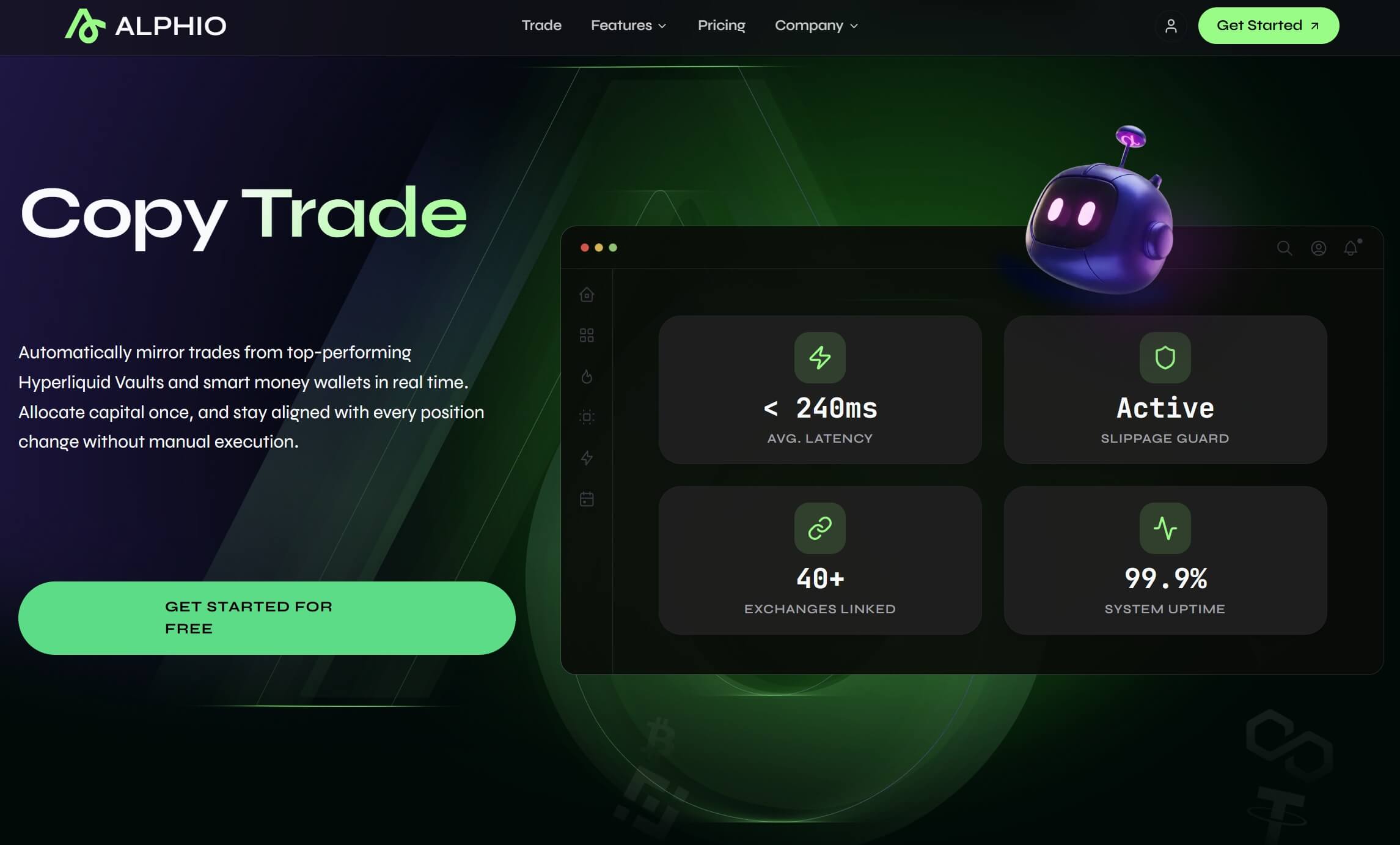
By leveraging automation, investors can maintain discipline and execute strategies consistently regardless of market conditions.
The Future of Index Investing
As we look ahead, the S&P 500 itself continues to evolve. The index methodology adapts to changing market structures, and the composition of leading companies shifts as innovation disrupts established industries. Today's index looks markedly different from that of twenty years ago, with technology companies commanding significantly larger weightings.
This evolution raises legitimate questions about concentration risk, as the largest constituents now represent substantial portions of the index. However, historical precedent suggests that market-cap weighting remains an effective strategy over long periods, automatically allocating capital to the most successful enterprises while maintaining exposure to value opportunities in smaller constituents.
Emerging trends in sustainable investing and factor-based strategies have also influenced index construction, with ESG-focused variants of the S&P 500 gaining traction among certain investor segments. While these alternatives may align with specific values or preferences, the core capitalization-weighted index remains the gold standard for broad market exposure.
Conclusion
The evidence supporting S&P 500 investment remains compelling for long-term investors willing to accept short-term volatility. Historical returns, built-in diversification, low costs, and tax efficiency combine to make the index a foundational component of most successful investment portfolios. While past performance never guarantees future results, the fundamental characteristics that have driven S&P 500 success for decades remain intact.
For investors considering increasing their equity exposure or beginning their investment journey, the key principles are simple: start early, invest consistently, maintain a long-term perspective, and resist the urge to make emotional decisions during market turbulence. Time in the market consistently trumps timing the market, and the S&P 500 provides an efficient vehicle for capturing the growth of American business.
To enhance your investment approach, explore Alphio AI's automation features to set conditional workflows and execute trades systematically. Additionally, conversational trading allows you to execute trades and manage your portfolio through simple chat commands, making sophisticated trading accessible to everyone.
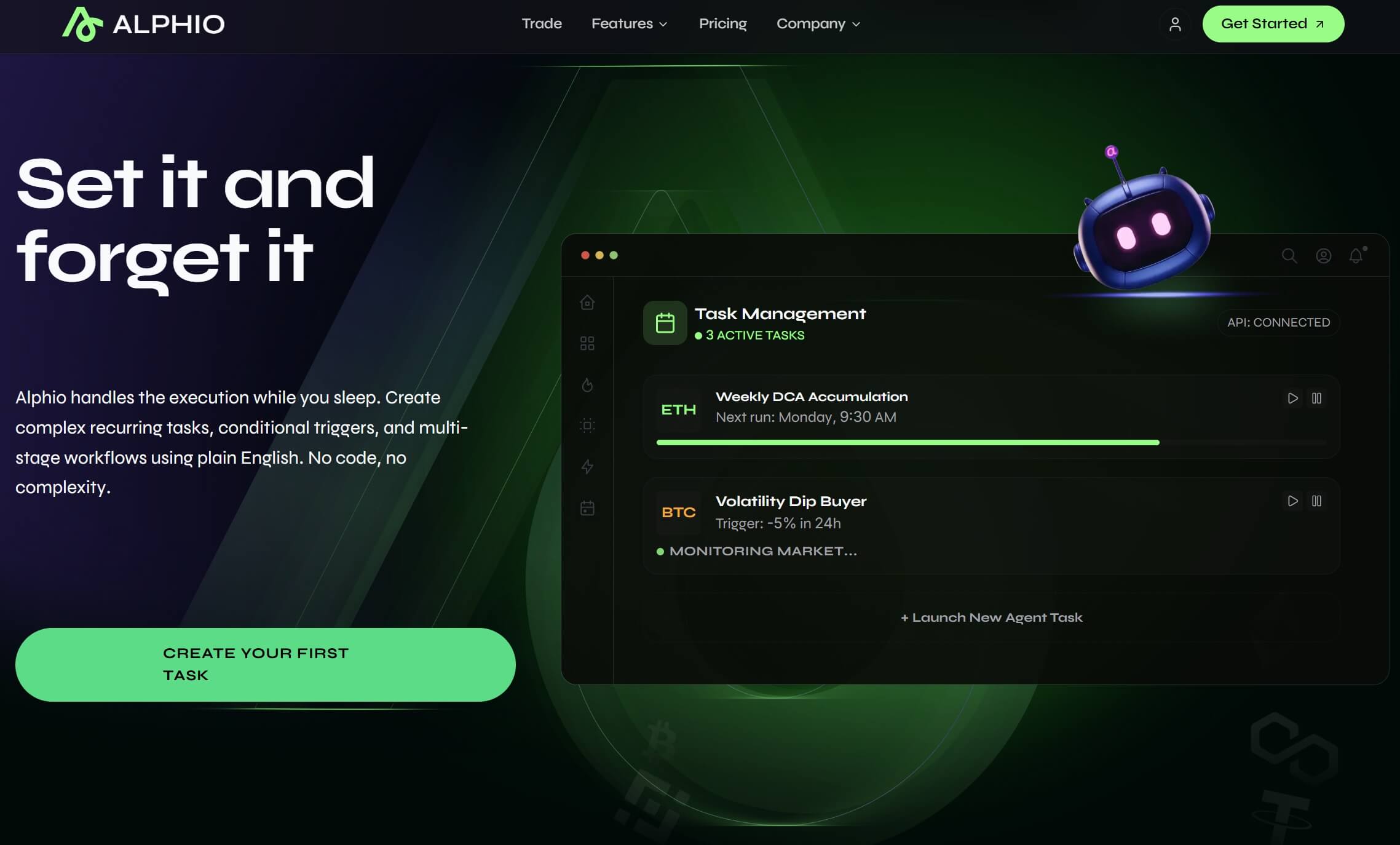
By combining the timeless wisdom of index investing with modern automation tools, investors can build robust portfolios positioned for long-term success while minimizing the behavioral pitfalls that derail many financial plans.
FAQs
What is the average annual return of the S&P 500?
The S&P 500 has delivered an average annual return of approximately 10% over the long term, though this includes both bull and bear market periods. Returns vary significantly year-to-year, with some years showing gains of 20% or more and others experiencing double-digit declines.
Is it safe to invest in the S&P 500 right now?
For long-term investors with investment horizons of 10 years or more, the S&P 500 remains a relatively safe investment despite short-term volatility. Historical data shows that rolling 20-year periods have never produced negative returns. However, investors should be prepared for potential drawdowns of 20-50% during market corrections and bear markets.
How much should I invest in the S&P 500?
The appropriate allocation depends on your age, risk tolerance, and investment timeline. Younger investors might allocate 70-80% of their equity portfolio to the S&P 500, while those nearing retirement may prefer 40-50%. Most advisors recommend diversifying internationally and including fixed income as part of a balanced portfolio.
What is dollar-cost averaging and why does it work?
Dollar-cost averaging involves investing a fixed amount at regular intervals regardless of market conditions. This strategy works because it removes emotional decision-making, ensures you buy more shares when prices are low, and reduces the risk of investing a lump sum just before a market decline. Studies show it outperforms market timing attempts for most investors.
How do dividends affect S&P 500 returns?
Reinvested dividends have historically contributed approximately 40% of the S&P 500's total return over long periods. When dividends are reinvested, they purchase additional shares which then generate their own dividends, creating a powerful compounding effect that significantly enhances wealth accumulation over time.
Related articles
- How to Rebalance a Concentrated Stock Portfolio in 2026: Mag7 Drift, Tax-Aware Trims, and Practical Rebalance a concentrated stock portfolio in 2026: Mag7 drift risk, 5pp bands, tax-aware trims, RSP/IWM diversifiers, and single-name caps.
- Small Cap Stocks Investing Guide 2026: Russell 2000, Fed Hikes, and the Financing TradeSmall-cap stocks investing guide 2026: Russell 2000 vs S&P, IWM rate sensitivity, floating-rate debt, Fed hikes, valuation discounts, and a practical checklist.
- Santa Claus Rally and the Year-End Stock Market: Investor Guide for Late 2026Santa Claus rally explained: 7-day window stats since 1950, Nov–Dec seasonality, post-midterm 2026 setup, and a risk-managed year-end investing playbook.
- Fed October 2026 Meeting & Big Tech Earnings: A Pivotal Week for InvestorsThe Fed's October 2026 FOMC meeting coincides with major tech earnings from Microsoft, Alphabet, and Amazon. Here's what investors should watch.
- Oil Prices Surge Above $113: How Middle East Tensions and Energy Inflation Are Reshaping Markets in Brent crude surged above $113 in October 2026 as Middle East tensions escalated. Explore the market impact, inflation risks, and investment implications.
- Brent Crude Tops $116: How the Oil Rally Is Reshaping Energy Stocks in October 2026Brent crude surged past $116 as Middle East tensions escalate. Discover the best energy stocks to watch including Exxon, Chevron, and Occidental Petroleum.