

Fed October 2026 Meeting & Big Tech Earnings: A Pivotal Week for Investors
The Fed's October 2026 FOMC meeting coincides with major tech earnings from Microsoft, Alphabet, and Amazon. Here's what investors should watch.

Key Takeaway
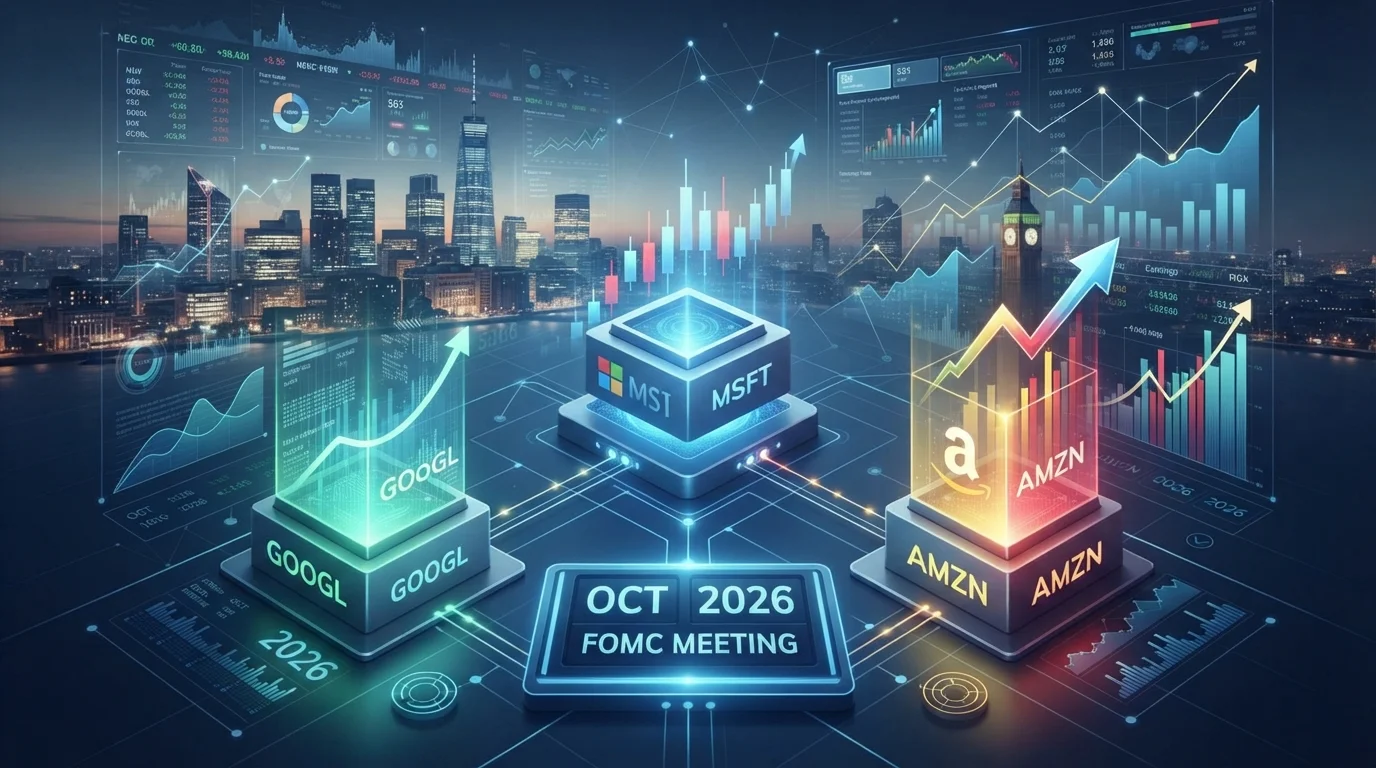
The final week of October 2026 is shaping up to be one of the most consequential periods for financial markets this year. The Federal Reserve's Federal Open Market Committee (FOMC) will convene on October 27-28 to decide the path of monetary policy, while three of the world's most valuable technology companies—Microsoft, Alphabet, and Amazon—are set to report their third-quarter earnings within the same timeframe. This rare convergence of macroeconomic and corporate catalysts has created an environment of heightened uncertainty that investors must navigate carefully.
Market participants are currently pricing in roughly an 80% probability that the Fed will hold interest rates steady at the 3.75%-4.00% range, according to the CME FedWatch Tool. However, persistent inflationary pressures and a tight labor market mean the door remains open for a potential rate hike if incoming data surprises to the upside. Simultaneously, the technology sector faces its own set of challenges as AI infrastructure spending reaches a critical inflection point and cloud revenue growth comes under scrutiny. For investors, understanding how these macro and micro forces interact will be essential to positioning portfolios for the final months of 2026.
The Fed's October 2026 Dilemma
Inflation Remains Stubbornly Elevated
When the FOMC gathers in late October, members will confront an inflation picture that has proven far more persistent than policymakers had hoped. Headline inflation has remained above the Fed's 2% target throughout much of 2026, driven by a combination of elevated fuel costs, resilient consumer demand, and lingering supply chain constraints in key sectors. The September personal consumption expenditures (PCE) price index, the Fed's preferred inflation gauge, showed core inflation running at levels that continue to test the central bank's patience.
Fed Chair Kevin Warsh, who has maintained a relatively hawkish stance since taking the helm, has refrained from signaling the outcome of this month's meeting. Speaking at an IMF summit in Bangkok earlier this month, Warsh noted that hotter-than-expected inflation had not fundamentally altered his assessment of the US economy, prompting traders to scale back expectations of an October rate hike. Nevertheless, the Fed's commitment to restoring price stability means policymakers cannot afford to appear complacent, particularly with financial conditions having eased somewhat in recent weeks.
The key question for markets is not whether the Fed will hike in October—most analysts agree a pause is the most likely outcome—but rather what signals the central bank sends about the trajectory of policy into 2027. With no new Summary of Economic Projections (SEP) or dot plot at this meeting, investors will parse the post-meeting statement and Chair Warsh's press conference for any shifts in language around inflation risks, labor market conditions, and the appropriate level of the terminal rate.
Labor Market Resilience Complicates the Picture
Adding to the Fed's challenge is a labor market that has remained remarkably resilient despite 18 months of elevated interest rates. The unemployment rate continues to hover near historic lows, and job creation has consistently exceeded expectations throughout 2026. While wage growth has moderated somewhat from its 2025 peaks, it remains at levels that could sustain inflationary pressures if productivity gains do not keep pace.
This strength in the labor market gives the Fed room to maintain a restrictive policy stance without fear of triggering a severe recession. However, it also means the central bank may need to keep rates higher for longer to ensure inflation is truly vanquished. Market pricing currently suggests the first rate cut may not arrive until mid-2027, a timeline that would have significant implications for growth stock valuations and corporate borrowing costs.
Big Tech Earnings: The AI Investment Inflection Point
Microsoft: Cloud Growth and AI Monetization
Microsoft is scheduled to report its fiscal first-quarter 2027 results on Wednesday, October 28, and all eyes will be on the company's cloud and AI segments. Azure revenue growth has been a key driver of Microsoft's premium valuation, but the pace of expansion has shown signs of moderation as the cloud market matures and competition intensifies. Investors will be looking for evidence that Microsoft's massive investments in AI infrastructure—including its partnership with OpenAI and the integration of Copilot across its product suite—are translating into meaningful revenue contributions.
The company's capital expenditure trajectory will also be closely watched. Microsoft has been among the most aggressive spenders on AI data centers and specialized computing hardware, with quarterly capex running at historically elevated levels. While this investment has positioned the company as a leader in the enterprise AI market, questions remain about the timeline for returns and whether the current pace of spending is sustainable. Any guidance suggesting a moderation in capex could be interpreted positively by investors concerned about near-term profitability.
Alphabet: Search, Cloud, and Regulatory Overhang
Alphabet reports on the same day as Microsoft, and its results will provide important insights into the health of digital advertising and the competitive dynamics of cloud computing. Google's search advertising business remains the company's cash cow, but it faces growing competition from AI-powered alternatives and potential disruption to its business model from generative search features.
Google Cloud has emerged as a bright spot for Alphabet, with revenue growth accelerating as the company leverages its AI expertise to win enterprise customers. However, margins in the cloud business remain well below those of Amazon Web Services and Microsoft Azure, raising questions about Alphabet's ability to compete profitably in the long run. Additionally, Alphabet continues to face significant regulatory pressure on multiple fronts, including ongoing antitrust cases that could result in structural remedies affecting its search and advertising businesses.
Amazon: AWS Acceleration and Retail Margins
Amazon rounds out the big tech earnings trio on Thursday, October 29, and its report may be the most closely watched of the three. The company's third-quarter results will provide critical updates on Amazon Web Services (AWS), which has seen growth accelerate from 20% to 37% over the past four quarters. Management has expressed ambitious long-term targets for AWS, suggesting the business could eventually reach a trillion-dollar annual revenue run rate.
The acceleration in AWS growth has been driven by surging demand for AI compute capacity, as enterprises rush to build and deploy machine learning models. Amazon's $496 billion revenue backlog underscores the durability of this demand, though investors will want to hear management's commentary on whether the current pace of growth is sustainable or reflects a one-time surge in AI infrastructure spending.
On the retail side, Amazon has made significant progress in expanding operating margins through improvements in logistics efficiency and increased advertising revenue. The company's 43% operating income growth in recent quarters has dwarfed Microsoft's 18%, highlighting the success of Amazon's margin expansion strategy. However, any signs of slowing consumer spending could weigh on the retail segment and offset strength in AWS.
How Fed Policy and Tech Earnings Intersect
The Interest Rate Sensitivity of Growth Stocks
The simultaneous occurrence of the Fed meeting and big tech earnings creates a complex environment for growth investors. Technology stocks, particularly those with high valuations tied to future earnings growth, are highly sensitive to changes in interest rate expectations. A more hawkish-than-expected Fed could put downward pressure on multiples across the sector, even if individual companies report strong results.
Conversely, a dovish pivot from the Fed—while unlikely in the near term—could provide a significant tailwind for tech stocks that have already priced in a higher-for-longer rate environment. The interaction between macro policy and micro fundamentals will be particularly important for investors trying to assess whether current valuations adequately reflect the growth prospects and risks facing these companies.
Earnings as a Macro Signal
Beyond their importance for individual stock prices, big tech earnings serve as a barometer for broader economic conditions. The capital expenditure plans announced by Microsoft, Alphabet, and Amazon will offer clues about corporate confidence and the trajectory of business investment. If these companies signal intentions to scale back spending, it could portend a broader slowdown in economic activity that might influence the Fed's calculus.
Similarly, commentary on hiring plans, wage pressures, and pricing power will provide real-time insights into inflation dynamics that complement the official data the Fed relies on. In this sense, the earnings calls may be as important for macro investors as the FOMC statement itself.
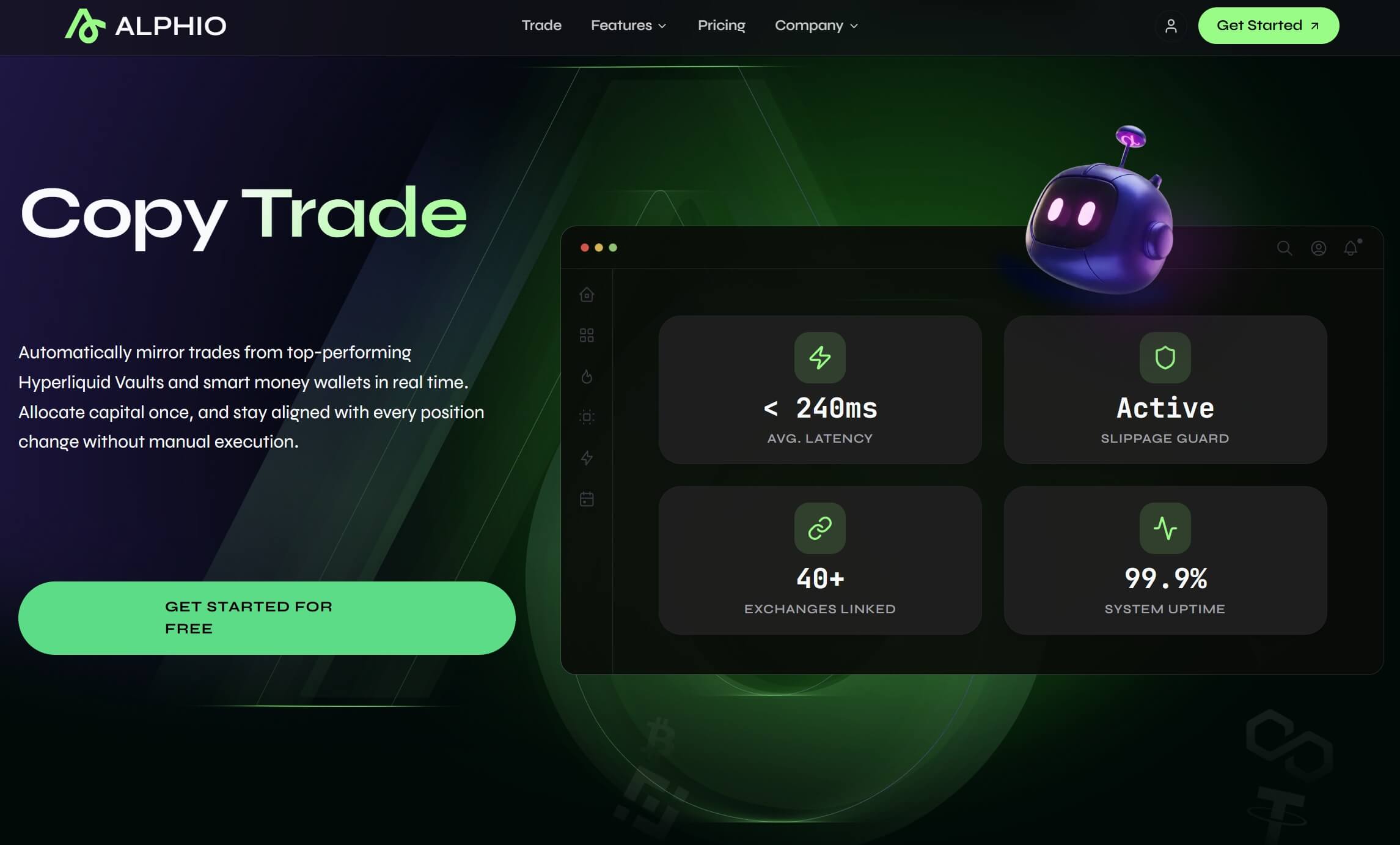
For investors looking to stay ahead of these market-moving events, using tools that provide real-time analysis and portfolio insights can be invaluable. Consider leveraging Alphio AI's agentic trading feature to automate your portfolio management and respond quickly to shifting market conditions.
Market Positioning Ahead of the Event
Sector Rotation and Defensive Positioning
In the days leading up to the Fed meeting and earnings reports, market positioning has reflected a cautious tone. Some investors have rotated into defensive sectors such as utilities, consumer staples, and healthcare, seeking shelter from potential volatility. Others have maintained exposure to technology while hedging through options strategies or by raising cash levels.
The bond market has also been sending mixed signals. Treasury yields have remained elevated but have shown signs of stabilizing as the market digests the possibility that the Fed is nearing the end of its tightening cycle. A break below key yield levels could trigger a rally in rate-sensitive sectors, while a move higher would likely reinforce the recent underperformance of growth stocks.
What to Watch in the Fed Statement
While the rate decision itself is the headline event, experienced Fed watchers know that the devil is in the details. Key elements to monitor include any changes to the post-meeting statement's language on inflation, employment, and economic activity. The Fed's characterization of inflation as "elevated" versus "high" or its description of job gains as "moderate" versus "robust" can signal meaningful shifts in the policy outlook.
Chair Warsh's press conference will be equally important. His responses to questions about the neutral rate, the lagged effects of prior tightening, and the conditions that would warrant additional rate hikes will shape market expectations for the December meeting and beyond. Any indication that the Fed is considering a higher terminal rate than previously assumed would likely trigger a selloff in equities and a rally in the dollar.
Investment Implications for the Months Ahead
Balancing Growth and Value Exposure
The current environment calls for a balanced approach to portfolio construction. Growth stocks, particularly in technology, offer compelling long-term prospects driven by AI adoption and digital transformation. However, their sensitivity to interest rates means they may underperform if the Fed maintains a hawkish posture into 2027.
Value-oriented sectors, including energy, financials, and industrials, may offer better near-term resilience in a higher-rate environment. These sectors tend to benefit from economic strength and can provide a hedge against the risks of persistent inflation. A diversified approach that maintains exposure to both growth and value, while adjusting weightings based on the evolving macro outlook, is likely to serve investors well.
To efficiently manage this balance, consider using Alphio AI's copy trading feature to mirror the strategies of successful traders and smart money wallets.

The Case for Active Management
Periods of heightened uncertainty, such as the one investors currently face, often favor active management over passive index investing. The dispersion in returns between winners and losers tends to widen during transitional phases in monetary policy, creating opportunities for skilled stock pickers to add value.
Within the technology sector, for example, the gap between companies that are successfully monetizing AI investments and those that are merely spending heavily on infrastructure is likely to become more apparent in the coming quarters. Active managers with deep research capabilities and the flexibility to adjust portfolios quickly may be better positioned to capitalize on these divergences than broad market index funds.
Long-Term Opportunities in AI Infrastructure
Regardless of the near-term market reaction to the Fed meeting and earnings results, the long-term investment case for AI infrastructure remains compelling. The build-out of data centers, the deployment of specialized chips, and the development of next-generation AI models represent a multi-year capital cycle that will create opportunities across the technology supply chain.
Investors with a longer time horizon may view any near-term volatility as an opportunity to accumulate positions in companies that are well-positioned to benefit from this trend. The key is to focus on businesses with durable competitive advantages, strong balance sheets, and clear paths to profitability rather than chasing the latest momentum names.
Conclusion
The final week of October 2026 presents investors with a rare convergence of macroeconomic and corporate catalysts that will likely set the tone for markets into the end of the year. The Fed's October meeting, while expected to result in a pause, carries significant signaling value for the path of monetary policy in 2027. At the same time, earnings from Microsoft, Alphabet, and Amazon will provide critical updates on the health of the technology sector and the progress of AI monetization.
For investors, the key takeaway is that navigating this environment requires a nuanced understanding of both macro and micro forces. Interest rates will continue to exert a powerful influence on asset valuations, but company-specific fundamentals will ultimately determine long-term returns. Maintaining a balanced portfolio, staying informed about evolving conditions, and being prepared to adjust positioning as new information emerges will be essential to success in the months ahead.
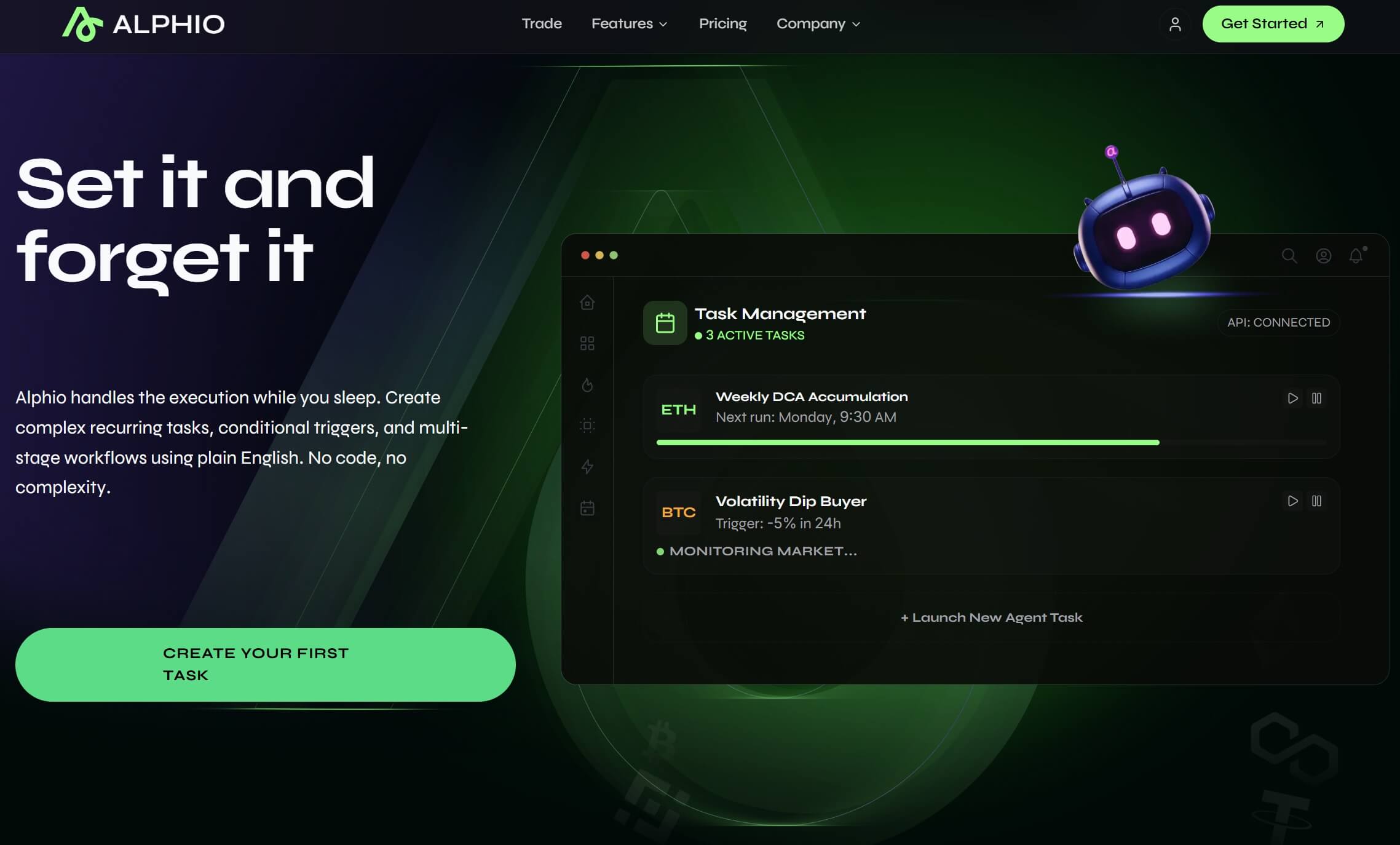
To take your trading to the next level, explore Alphio AI's conversational trading platform to execute trades via natural language and stay on top of market opportunities.
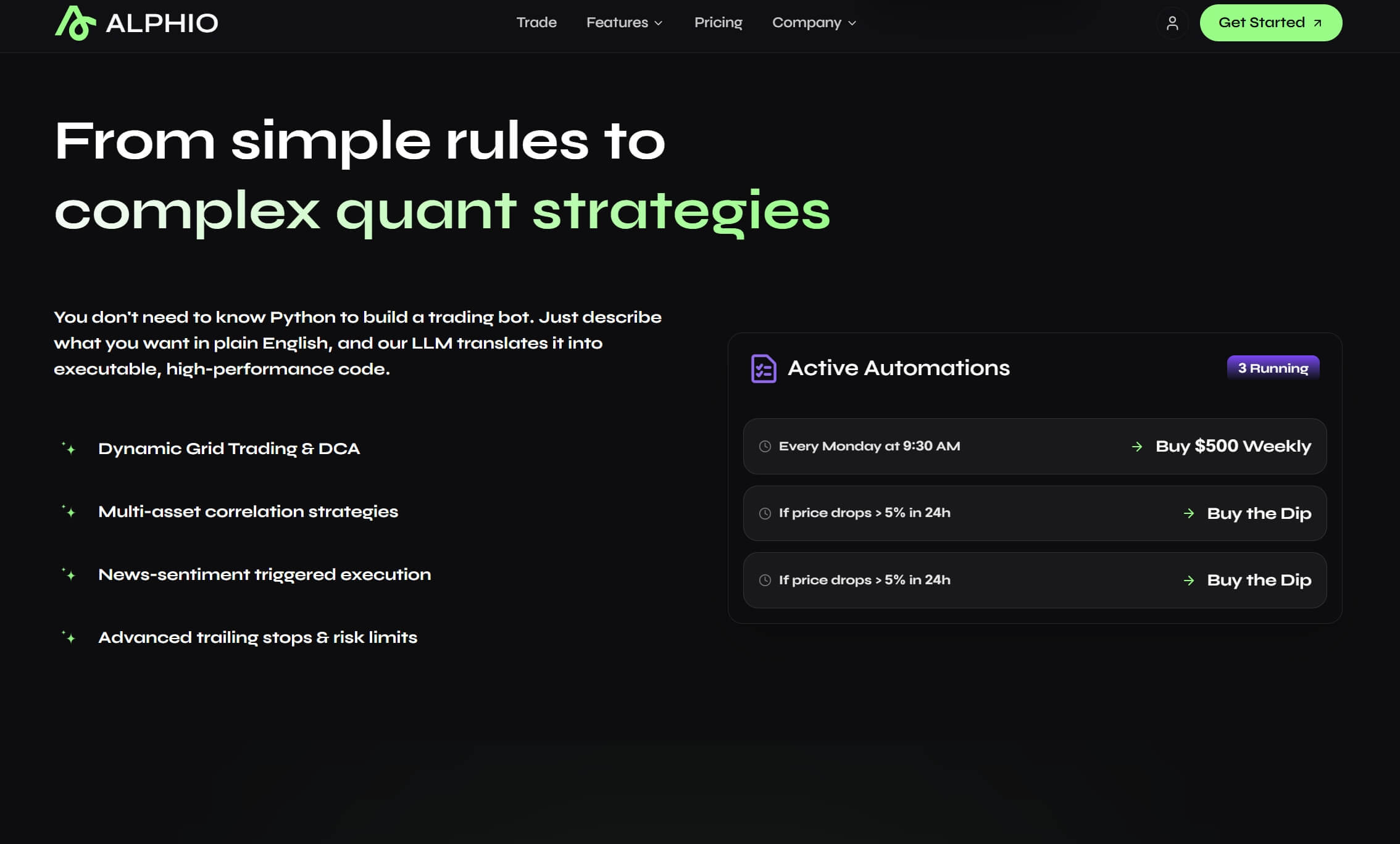
Additionally, you can set up conditional workflows with Alphio AI's automations feature to manage your trades based on predefined rules and market triggers.
Whether the Fed signals a higher-for-longer stance or begins to lay the groundwork for eventual rate cuts, the intersection of monetary policy and technology earnings will remain a defining theme for investors through the remainder of 2026 and into the new year.
FAQs
When is the Fed's October 2026 FOMC meeting?
The Federal Reserve's October 2026 FOMC meeting is scheduled for October 27-28, 2026. The rate decision will be announced on October 28 at 2:00 PM Eastern Time, followed by a press conference with Fed Chair Kevin Warsh.
What is the market expecting from the Fed in October 2026?
Markets are pricing in roughly an 80% probability that the Fed will hold interest rates steady at the 3.75%-4.00% range. The chances of a rate hike have fallen to approximately 8%, according to the CME FedWatch Tool.
When are Microsoft, Alphabet, and Amazon reporting Q3 2026 earnings?
Microsoft and Alphabet are scheduled to report earnings on Wednesday, October 28, 2026. Amazon will report on Thursday, October 29, 2026, after the market close.
How do Fed interest rate decisions affect tech stocks?
Tech stocks, particularly growth companies with high valuations based on future earnings, are sensitive to interest rate changes. Higher rates reduce the present value of future cash flows and increase borrowing costs, which can pressure valuations across the sector.
What should investors watch during big tech earnings?
Investors should focus on cloud revenue growth, AI monetization progress, capital expenditure plans, operating margin trends, and management guidance. Commentary on hiring, pricing power, and demand outlook will also provide important macroeconomic signals.
Related articles
- Stock Market Surges After 2026 Midterms: What the Democratic Sweep Means for Your PortfolioThe stock market rallied after Democrats won the 2026 midterms. Discover what the election means for investors, tech stocks, and the S&P 500 outlook.
- Stock Market Surges After 2026 Midterms: What the Democratic Sweep Means for Your PortfolioThe stock market rallied after Democrats won the 2026 midterms. Discover what the election means for investors, tech stocks, and the S&P 500 outlook.
- Oil Prices Surge Above $105 Amid US-Iran Conflict: Energy Investment Opportunities in November 2026Oil prices climb past $105 as US strikes Iran's Qeshm Island. Discover energy investment opportunities, top oil stocks, and market outlook for November 2026.
- Gold Price Forecast 2026: Expert Analysis, Price Targets & Investment StrategiesDiscover gold price predictions for 2026 from top analysts. Learn investment strategies, market drivers, and how to position your portfolio for the precious metals bull run.
- Copper Price Forecast 2026: Why AI and Energy Transition Are Driving Prices HigherComprehensive copper price forecast for 2026. Explore how AI infrastructure demand, supply deficits, and energy transition are driving copper prices toward $12,500/tonne.
- Semiconductor Stocks July 2026: Navigating the AI Chip Supercycle with NVDA and AMDComprehensive analysis of semiconductor stocks in July 2026. Compare NVDA and AMD performance, AI chip market trends, and investment strategies for the $1.3T semiconductor supercycle.