

Super Micro Computer (SMCI) Q4 2026 Earnings: AI Infrastructure Powerhouse Rallies on Strong Guidanc
Super Micro Computer SMCI Q4 2026 earnings analysis. Explore AI server demand, SpaceX xAI partnership, and investment outlook for this data center infrastructure leader.

Key Takeaway
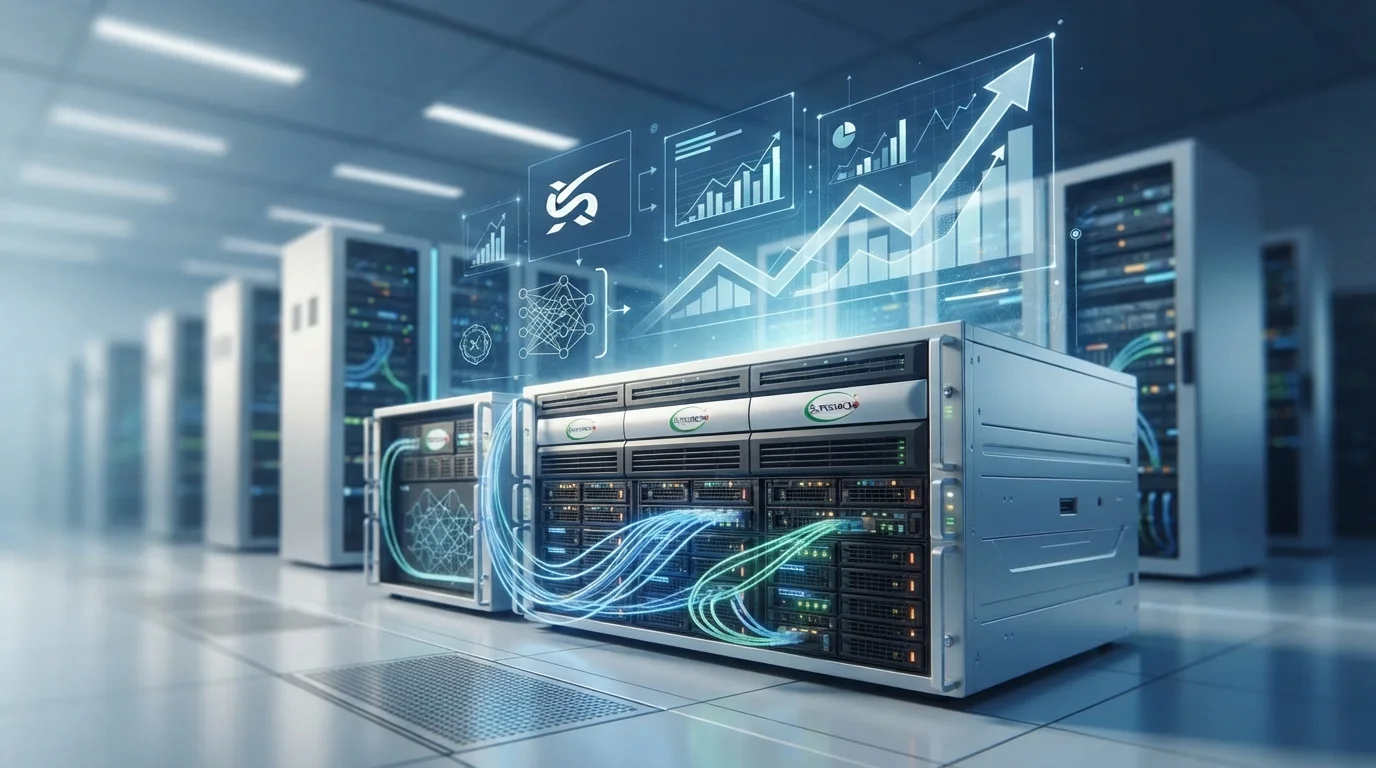
Super Micro Computer delivered a compelling fourth-quarter earnings report on August 11, 2026, that sent shares soaring more than 6% in after-hours trading. The data center infrastructure specialist exceeded profit expectations while providing robust guidance for the upcoming quarter, signaling continued momentum in the AI server market. With a landmark gigawatt-scale data center collaboration with SpaceX and xAI now in development, Supermicro is positioning itself at the epicenter of the artificial intelligence infrastructure buildout that shows no signs of slowing.
The quarter revealed a company successfully navigating the complex dynamics of explosive AI demand while improving operational efficiency. Despite revenue coming in slightly below the high end of guidance at approximately $11 billion, Supermicro demonstrated meaningful margin expansion that delighted investors seeking proof the company can convert top-line growth into sustainable profitability. Management's commentary suggested the company has worked through previous supply chain constraints and is now operating with greater predictability.
For investors evaluating exposure to the AI infrastructure theme, SMCI represents a pure-play opportunity that benefits directly from the capital expenditure decisions of hyperscalers and cloud providers. With Big Tech firms collectively planning to invest over $700 billion in AI infrastructure this year alone, the addressable market for Supermicro's high-performance servers, storage systems, and liquid cooling solutions continues to expand at an unprecedented pace.
SMCI Q4 2026 Earnings Highlights
Super Micro Computer's fiscal fourth quarter represented a significant inflection point in the company's financial trajectory. Revenue reached approximately $11 billion, landing near the lower end of the previously guided range of $11.0 to $12.5 billion but still representing substantial year-over-year growth driven primarily by AI server deployments. The revenue composition increasingly skewed toward AI-optimized systems, reflecting the secular shift in data center spending patterns.
The standout performance metric was profitability. Non-GAAP earnings per share of $0.84 comfortably exceeded analyst expectations, demonstrating the company's ability to execute on margin improvement initiatives. Net income of $483 million represented a dramatic improvement from prior periods, validating management's strategy of focusing on higher-margin AI server configurations while optimizing manufacturing efficiency. Gross margins expanded meaningfully as the company benefited from improved component costs and better pricing power for its most advanced systems.
Management's forward guidance provided additional reasons for optimism. First-quarter revenue projections suggest continued momentum, with the company expressing confidence in sustained demand from its core hyperscaler customers. The guidance implicitly assumes ongoing strength in AI infrastructure spending, a reasonable assumption given the multi-year buildout cycles that major cloud providers have committed to.
The SpaceX xAI Gigawatt Partnership
Perhaps the most significant development accompanying the earnings release was Supermicro's announcement of a strategic collaboration to build a gigawatt-scale AI data center for SpaceX and xAI. This landmark project represents one of the largest individual AI infrastructure deployments ever conceived and positions Supermicro as a critical supplier to Elon Musk's rapidly expanding artificial intelligence ambitions.
The gigawatt designation carries substantial implications. A facility of this scale would rank among the world's largest AI training clusters, capable of supporting the computational requirements for developing next-generation large language models and other advanced AI systems. For context, most current AI data centers operate in the hundreds of megawatts range, making a gigawatt facility approximately ten times larger than typical deployments.
This partnership extends Supermicro's existing relationship with Musk's companies, which already includes supplying infrastructure for Tesla's AI training operations and xAI's initial data center deployments. The deepening ties suggest Supermicro has established itself as a preferred vendor for demanding AI workloads, a competitive advantage that could translate into additional opportunities as Musk's various enterprises expand their AI capabilities.
The financial implications of this partnership are substantial. While specific contract values weren't disclosed, gigawatt-scale deployments typically involve billions of dollars in infrastructure spending over multiple years. For Supermicro, securing a marquee customer of this magnitude provides both revenue visibility and validation of its technology leadership in the AI server market.
AI Server Market Dynamics
The broader AI server market is experiencing transformational growth that benefits established players like Supermicro while attracting new competitors. Industry analysts project that global data center capital expenditure will exceed $1 trillion in 2026, with AI infrastructure representing the fastest-growing segment. Servers account for approximately 61% of total data center equipment spending, making this the largest addressable market for infrastructure vendors.
Supermicro operates in a competitive landscape that includes Dell Technologies, Hewlett Packard Enterprise, Lenovo, and various original design manufacturers based in Taiwan. Dell currently leads the overall server market, having reported $34.1 billion in AI server orders in Q4 2026 alone, with expectations for AI revenues to approach $50 billion in fiscal 2027. HPE has similarly benefited from AI demand, with networking and server revenue growing 40% year-over-year.
Despite intense competition, Supermicro has carved out a distinctive market position through its focus on high-performance, energy-efficient server designs optimized for AI workloads. The company's early investments in liquid cooling technology have proven prescient as power densities in AI data centers have increased dramatically. Modern AI training clusters can consume 100 kilowatts or more per rack, making thermal management a critical design consideration that Supermicro addresses effectively.
The competitive dynamics are shifting as the market matures. While early AI deployments prioritized rapid deployment over cost optimization, customers are increasingly focused on total cost of ownership and energy efficiency. This evolution favors vendors like Supermicro that can deliver optimized solutions rather than generic hardware. The company's building block architecture, which allows rapid customization for specific workloads, provides flexibility that hyperscalers value highly.
Investment Considerations
Evaluating Supermicro as an investment requires balancing the company's impressive growth trajectory against valuation considerations and competitive risks. The stock has experienced significant volatility, reflecting both the explosive growth in AI infrastructure spending and investor uncertainty about sustainable margins and market share dynamics.
The bull case for SMCI centers on the company's established relationships with leading AI chip vendors, particularly Nvidia, and its demonstrated ability to design and manufacture complex AI server systems at scale. As AI workloads continue proliferating beyond the initial wave of hyperscaler deployments into enterprise and sovereign AI initiatives, Supermicro's expertise positions it to capture a meaningful share of expanding demand. The SpaceX xAI partnership exemplifies the high-profile opportunities that can drive outsized growth.
Margin sustainability represents a key variable in the investment thesis. While Q4 demonstrated meaningful improvement, investors should monitor whether these gains prove durable as competition intensifies and customers potentially exert pricing pressure. The company's focus on higher-value-add configurations, including integrated liquid cooling and software management tools, should support margin resilience if execution remains strong.
Risk factors include customer concentration, as a significant portion of revenue derives from a relatively small number of hyperscale customers, and exposure to the AI capital expenditure cycle, which could prove more cyclical than currently anticipated. Additionally, geopolitical tensions affecting Taiwan, where much of the server manufacturing ecosystem is concentrated, represent a supply chain risk worth monitoring.
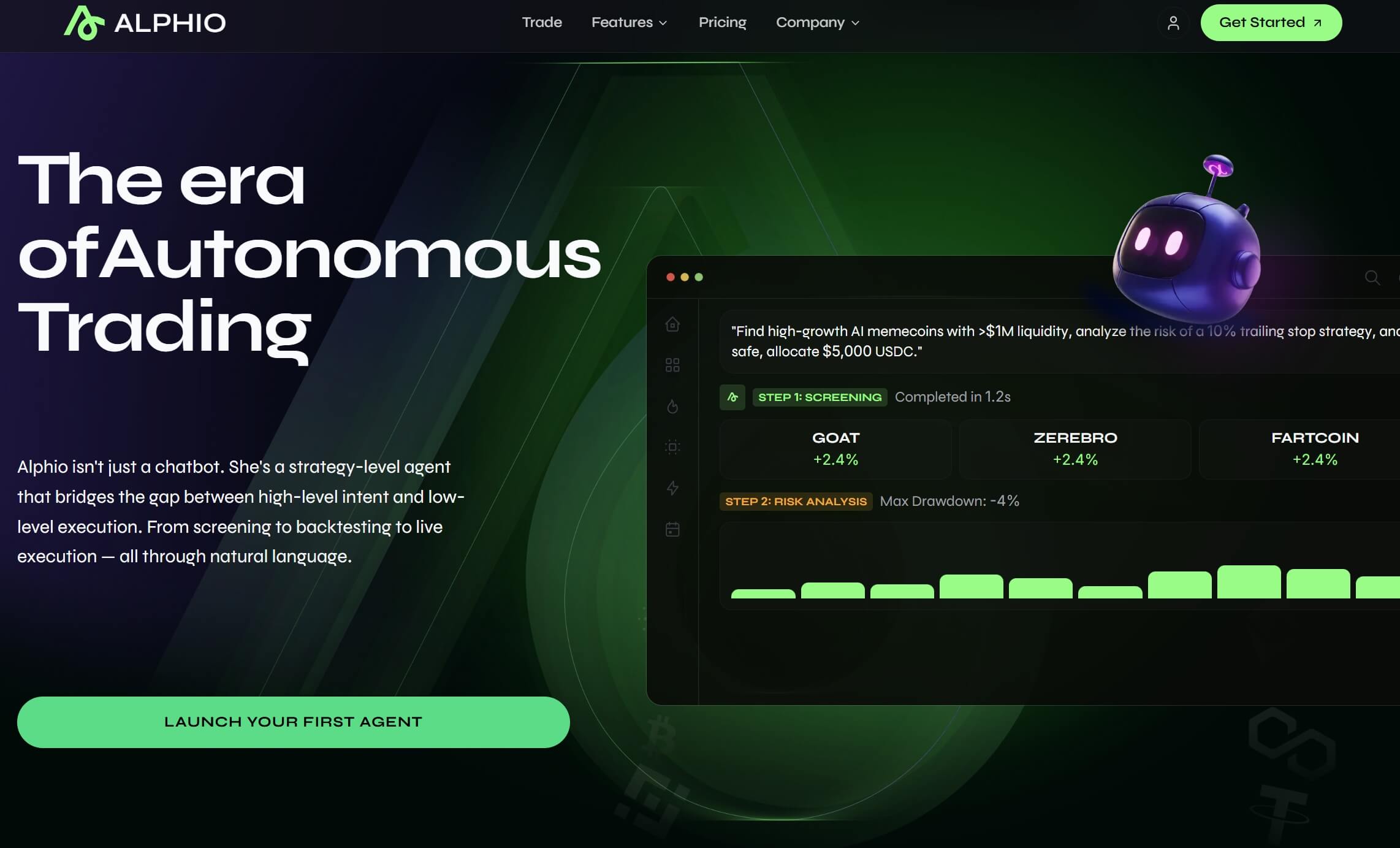
For investors seeking to automate their exposure to the AI infrastructure theme, Alphio AI's copy trading feature offers a sophisticated solution to mirror successful traders and smart money wallets in the technology sector.
Industry Outlook and Growth Catalysts
The AI infrastructure buildout shows no signs of deceleration as we progress through 2026. Major technology companies including Google, Amazon, Microsoft, and Meta have collectively committed to spending more than $700 billion on AI infrastructure this year, with similar levels of investment projected for subsequent years. This sustained capital commitment provides a multi-year demand runway for server vendors.
Several emerging trends could provide additional growth catalysts for Supermicro. Sovereign AI initiatives, where national governments invest in domestic AI infrastructure to maintain data sovereignty and develop local capabilities, represent an expanding market segment. Enterprise AI adoption, which lags hyperscaler deployment but is accelerating rapidly, could drive significant incremental demand as corporations build internal AI capabilities.
The transition to next-generation AI chips, including Nvidia's upcoming architectures and competing solutions from AMD and custom silicon developed by hyperscalers themselves, creates ongoing refresh opportunities. Each new chip generation typically requires updated server designs to optimize performance, power consumption, and thermal management, benefiting vendors with strong engineering capabilities.
Energy efficiency is becoming an increasingly important competitive factor. As AI data centers consume growing amounts of power, customers are prioritizing solutions that maximize computational output per watt. Supermicro's liquid cooling expertise and focus on power-efficient designs position it well to address this evolving customer priority.
Competitive Positioning
Supermicro's competitive position reflects years of focused investment in AI-optimized server technology and direct liquid cooling solutions. The company has successfully differentiated itself from larger competitors through technical specialization rather than attempting to compete across all server market segments.
The partnership ecosystem represents a key competitive advantage. Supermicro's close relationships with Nvidia, Intel, and AMD ensure early access to new chip platforms and the ability to optimize server designs for specific accelerator configurations. These partnerships are mutually beneficial, as chip vendors rely on server manufacturers to translate their silicon into deployable data center solutions.
Manufacturing flexibility provides another differentiation point. Supermicro's global manufacturing footprint, including facilities in the United States, Taiwan, and the Netherlands, allows the company to optimize production based on customer requirements, regulatory considerations, and supply chain dynamics. This flexibility has proven valuable as customers increasingly request localized production for certain deployments.
The company's software and management tools, while less prominent than its hardware offerings, contribute to customer stickiness. Supermicro's Server Management Suite provides unified monitoring and control capabilities across heterogeneous server deployments, reducing operational complexity for customers managing large-scale infrastructure.
Conclusion
Super Micro Computer's Q4 2026 earnings report validates the company's position as a leading beneficiary of the AI infrastructure buildout. Strong profitability improvement, robust guidance, and the landmark SpaceX xAI partnership demonstrate that Supermicro is successfully converting AI demand into sustainable financial performance. For investors seeking exposure to the AI theme beyond the obvious semiconductor plays, SMCI offers a compelling pure-play opportunity in the critical data center infrastructure layer.
The multi-year nature of AI infrastructure spending, with hyperscalers committing to hundreds of billions in annual capital expenditure, provides revenue visibility that supports continued investment in the story. While competitive pressures and margin sustainability warrant monitoring, Supermicro's technical differentiation and established customer relationships position it to capture meaningful value from this generational technology transition.
Investors considering SMCI should evaluate position sizing carefully given the stock's historical volatility and the cyclical nature of technology capital expenditure. However, for those with appropriate risk tolerance and investment horizon, Supermicro represents a differentiated way to participate in the AI infrastructure megatrend.
To enhance your trading strategy in the AI infrastructure space, explore Alphio AI's agentic trading capabilities to automate portfolio management with AI-powered strategies.
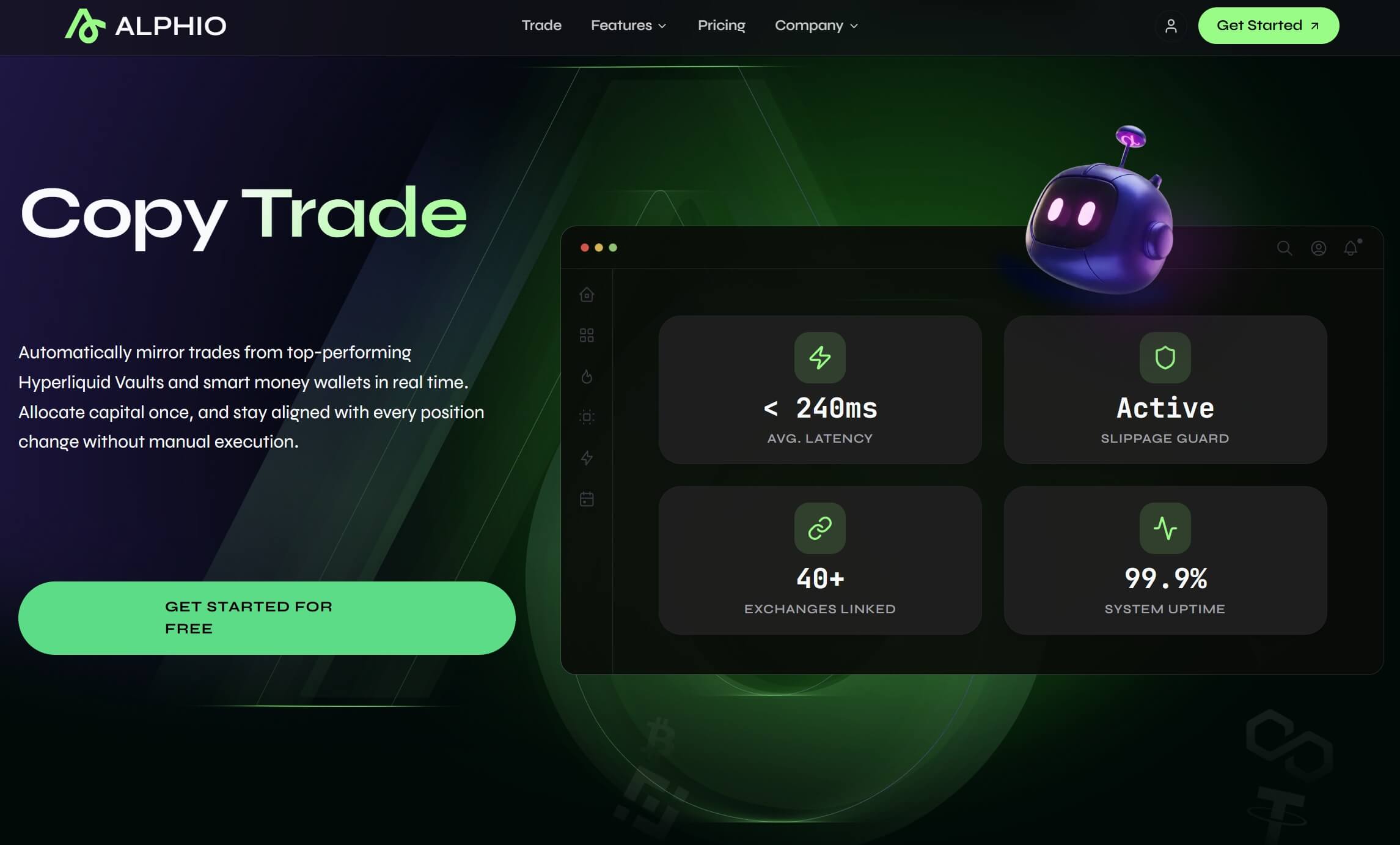
Additionally, Alphio's scheduled task automations allow you to set conditional workflows for monitoring SMCI and other AI infrastructure stocks.
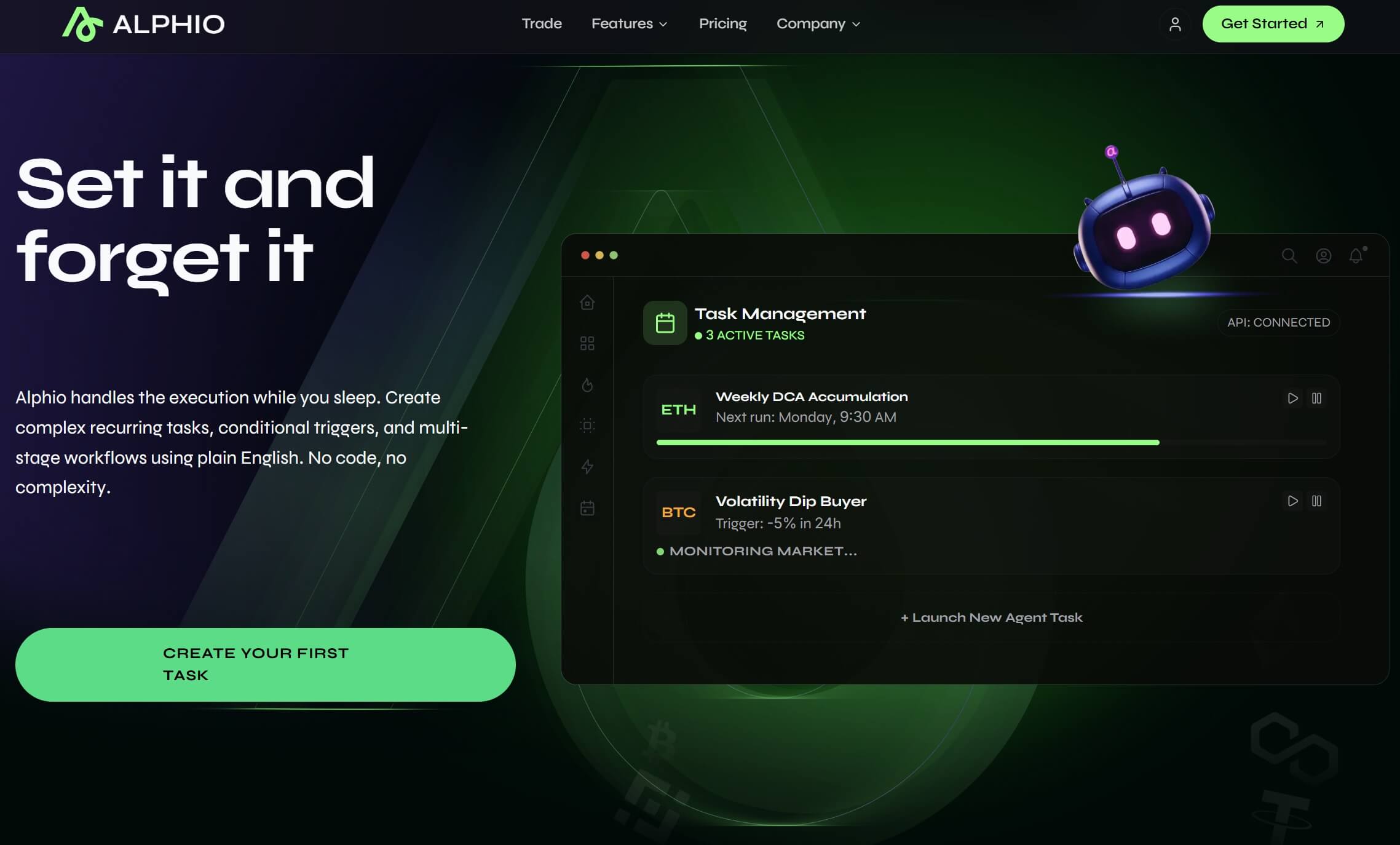
For hands-on trading execution, Alphio's conversational trading interface enables you to execute trades via natural language chat.
FAQs
What were Super Micro Computer's Q4 2026 earnings results?
Supermicro reported Q4 2026 revenue of approximately $11 billion, near the lower end of guidance ($11.0-$12.5 billion). Non-GAAP EPS of $0.84 exceeded analyst expectations, with net income of $483 million demonstrating meaningful margin improvement.
What is the SpaceX xAI gigawatt data center partnership?
Supermicro announced a collaboration to build a gigawatt-scale AI data center for SpaceX and xAI, representing one of the largest AI infrastructure deployments ever planned. This landmark project positions Supermicro as a critical supplier to Elon Musk's AI initiatives.
How big is the AI server market in 2026?
The AI data center market is estimated at $471.59 billion in 2026 and projected to reach $2.02 trillion by 2032. Big Tech companies plan to invest over $700 billion in AI infrastructure this year alone, with servers representing 61% of data center equipment spending.
Who are Supermicro's main competitors?
Supermicro competes with Dell Technologies, Hewlett Packard Enterprise (HPE), Lenovo, and various Taiwan-based original design manufacturers. Dell currently leads the overall server market, while Supermicro differentiates through AI-optimized designs and liquid cooling expertise.
What are the key risks for SMCI investors?
Key risks include customer concentration among hyperscalers, potential cyclicality in AI capital expenditure, competitive pricing pressure, and geopolitical supply chain risks related to Taiwan manufacturing. Investors should also consider the stock's historical volatility.
Related articles
- Stock Market Surges After 2026 Midterms: What the Democratic Sweep Means for Your PortfolioThe stock market rallied after Democrats won the 2026 midterms. Discover what the election means for investors, tech stocks, and the S&P 500 outlook.
- Stock Market Surges After 2026 Midterms: What the Democratic Sweep Means for Your PortfolioThe stock market rallied after Democrats won the 2026 midterms. Discover what the election means for investors, tech stocks, and the S&P 500 outlook.
- Oil Prices Surge Above $105 Amid US-Iran Conflict: Energy Investment Opportunities in November 2026Oil prices climb past $105 as US strikes Iran's Qeshm Island. Discover energy investment opportunities, top oil stocks, and market outlook for November 2026.
- AI Spending Selloff: Why Meta, Tesla, and Chip Stocks Crashed in October 2026Tech stocks plunged as AI spending fears gripped markets. Discover why Meta dropped 7%, Tesla fell on doubled capex, and semiconductors sank 6.7% in October 2026.
- Fed October 2026 Meeting & Big Tech Earnings: A Pivotal Week for InvestorsThe Fed's October 2026 FOMC meeting coincides with major tech earnings from Microsoft, Alphabet, and Amazon. Here's what investors should watch.
- Oil Prices Surge Above $113: How Middle East Tensions and Energy Inflation Are Reshaping Markets in Brent crude surged above $113 in October 2026 as Middle East tensions escalated. Explore the market impact, inflation risks, and investment implications.