

Oracle Stock Analysis: Pentagon Contract Win Signals Major Cloud Infrastructure Expansion
Oracle's $7B Pentagon contract victory positions ORCL as a major defense cloud player. Analysis of growth drivers, valuation metrics, and 2026 investment outlook.


Key Takeaway
Oracle's recent triumph in securing a $7 billion Pentagon cloud computing contract represents a watershed moment for the database giant's strategic pivot toward becoming a dominant force in government and enterprise cloud infrastructure. This landmark deal not only validates Oracle's multi-billion dollar investments in AI-ready data centers but also positions the company as a serious contender against Amazon Web Services and Microsoft Azure in the highly lucrative federal cloud market. For investors evaluating Oracle's long-term trajectory, this contract win signals that CEO Safra Catz's aggressive cloud transformation strategy is gaining meaningful traction with the world's most demanding customers.
The defense contract victory arrives at a pivotal moment when global tensions are driving unprecedented defense spending, and government agencies are accelerating their migration to secure cloud environments. Oracle's specialized expertise in handling classified workloads, combined with its rapidly expanding OCI (Oracle Cloud Infrastructure) footprint, creates a compelling value proposition for agencies requiring the highest levels of security and performance. As defense budgets swell and cloud modernization becomes a national security priority, Oracle appears well-positioned to capture a growing share of this resilient, long-duration revenue stream.
Beyond the immediate financial implications, this Pentagon win serves as a powerful validator of Oracle's technical capabilities in the eyes of other government agencies and large enterprises. When the Department of Defense entrusts Oracle with mission-critical infrastructure, it sends a signal to CIOs across industries that OCI has achieved enterprise-grade reliability and security. This third-party validation could accelerate Oracle's penetration into regulated industries including healthcare, financial services, and energy, where compliance requirements have historically slowed cloud adoption.
The Pentagon Contract: Understanding Oracle's Strategic Victory
Contract Scope and Competitive Landscape
The Department of Defense's decision to award Oracle this substantial cloud contract reflects years of deliberate positioning and technical investment in secure, classified computing environments. While specific details remain classified, defense industry analysts estimate the agreement spans multiple years and encompasses infrastructure-as-a-service, platform-as-a-service, and specialized AI/ML workloads for military applications. This places Oracle alongside AWS, Azure, and Google Cloud as a approved provider for the Pentagon's most sensitive computing needs.
The competitive dynamics of federal cloud contracting have evolved dramatically since the controversial JEDI (Joint Enterprise Defense Infrastructure) saga that saw Amazon and Microsoft battle for dominance. Oracle's strategy of focusing on specialized, high-security workloads rather than attempting to compete for the entire federal cloud pie appears to be paying dividends. By leveraging its decades of experience managing critical databases for government agencies and its recent aggressive data center buildout, Oracle has carved out a defensible niche in the classified cloud segment.
For investors, understanding the structure of these federal contracts is crucial. Unlike commercial cloud deals that may fluctuate with business cycles, Pentagon agreements typically feature multi-year terms with built-in expansion mechanisms and strong renewal probabilities. The revenue visibility provided by such contracts supports more predictable cash flows and justifies the significant capital expenditures Oracle has committed to its cloud infrastructure buildout. As geopolitical tensions persist, the addressable market for classified cloud services appears poised for sustained growth.
Technical Differentiation in Secure Cloud Computing
Oracle's ability to win this contract stems from distinct technical advantages in handling classified and secret-level workloads. The company's Roving Edge infrastructure, designed specifically for disconnected and contested environments, addresses unique military requirements that general-purpose cloud providers struggle to meet. Additionally, Oracle's database heritage provides inherent advantages when agencies need to migrate legacy systems without compromising security or performance.
The OCI architecture's air-gapped capabilities and support for classified environments represent a culmination of Oracle's understanding of government computing needs. While commercial cloud providers have invested heavily in FedRAMP certifications and government cloud regions, Oracle's approach of building cloud infrastructure with classified workloads as a primary design consideration rather than an afterthought resonates with defense procurement officials who prioritize security above all else.
Furthermore, Oracle's aggressive deployment of sovereign cloud capabilities aligns with growing international demand for data localization and government control over sensitive information. As allies and partners seek similar secure cloud infrastructure, Oracle's Pentagon validation creates opportunities for expansion into NATO and Five Eyes intelligence-sharing partnerships. This potential international aperture significantly expands the total addressable market beyond domestic defense spending alone.
Financial Impact: Revenue Acceleration and Margin Expansion
Contract Economics and Revenue Recognition
The $7 billion contract magnitude, while significant in absolute terms, represents just one component of Oracle's accelerating cloud revenue narrative. Analysts estimate this agreement could contribute $500 million to $1 billion in annual recurring revenue once fully operational, providing a solid foundation for the company's ambitious cloud growth targets. More importantly, the deal establishes Oracle as a credible player in the highest-value segment of government cloud computing.
The margin profile of federal cloud contracts differs meaningfully from commercial workloads. While government procurement processes are rigorous and pricing is highly competitive, the long contract durations, lower churn rates, and limited price sensitivity for mission-critical services typically yield attractive unit economics. Oracle's ability to leverage existing infrastructure investments across commercial and government clients should drive improving returns on invested capital as the federal business scales.
From a revenue recognition perspective, these infrastructure contracts typically feature steady monthly billing with minimal seasonal variation, providing a countercyclical stabilizer to Oracle's commercial business. As Larry Ellison and Safra Catz have emphasized in recent earnings calls, the company's remaining performance obligations (RPO) have reached record levels, with cloud contracts now comprising the majority of new bookings. The Pentagon deal meaningfully extends this backlog while adding high-certainty government revenue to the mix.
Capital Allocation and Shareholder Returns
Oracle's cloud transformation requires substantial ongoing capital investment, with the company guiding toward $15-20 billion in annual capex over the coming years as it races to build capacity for surging AI demand. The Pentagon contract validates this capital allocation strategy by demonstrating that demand exists for premium-priced, secure cloud infrastructure at the scale Oracle is building.
Despite the elevated investment cycle, Oracle has maintained its commitment to returning capital to shareholders through dividends and share repurchases. The company's strong free cash flow generation, bolstered by the recurring revenue characteristics of cloud subscriptions, supports both growth investments and shareholder returns. As the federal business matures and infrastructure utilization improves, investors should expect expanding margins and accelerating free cash flow conversion.
The contract win also strengthens Oracle's balance sheet flexibility by providing additional revenue visibility for debt markets. Oracle has historically utilized leverage to fund strategic acquisitions, and the increased earnings stability from government contracts could support more aggressive capital deployment toward AI capabilities, vertical software solutions, or tuck-in acquisitions that enhance the cloud platform's competitive position.
AI Infrastructure Demand: Oracle's Emerging Role
GPU Cloud and Generative AI Workloads
Oracle's cloud infrastructure ambitions extend far beyond traditional enterprise workloads into the explosive market for GPU cloud computing powering generative AI applications. The company's strategic partnerships with NVIDIA, including being among the first cloud providers to deploy NVIDIA's latest AI accelerators, position OCI as a compelling destination for AI training and inference workloads that require massive scale and specialized infrastructure.
The Pentagon contract's explicit inclusion of AI/ML capabilities reflects the defense establishment's urgent priority to harness artificial intelligence for applications ranging from logistics optimization to autonomous systems and intelligence analysis. Oracle's ability to secure this work signals that its AI infrastructure capabilities have achieved parity with larger competitors in the eyes of the most discerning customers. As AI workloads proliferate across government agencies, Oracle's first-mover advantage in classified AI infrastructure could compound into a durable competitive moat.
For commercial customers, the same infrastructure supporting defense AI applications provides enterprise-grade reliability and performance for mission-critical AI initiatives. Oracle's strategy of building once and serving multiple customer segments creates powerful economies of scale as AI demand accelerates across both public and private sectors. The company's recent announcements of massive AI training clusters suggest it is positioning to capture a meaningful share of the estimated $100+ billion annual market for AI cloud infrastructure.
Competition with Hyperscalers
Oracle's cloud ambitions inevitably invite comparison with the dominant hyperscalers: AWS, Microsoft Azure, and Google Cloud. While Oracle remains significantly smaller in overall cloud revenue, its focused strategy on database workloads, enterprise applications, and now secure government infrastructure allows it to compete effectively in high-value segments rather than engaging in commodity price wars for generic compute and storage.
The Pentagon contract win demonstrates that size alone does not determine competitive outcomes in cloud procurement. Oracle's specialized capabilities, decades-long government relationships, and willingness to customize solutions for unique defense requirements create differentiation that pure scale cannot easily replicate. As cloud computing matures, industry analysts increasingly anticipate a multi-cloud future where specialized providers capture disproportionate value in their domains of expertise.
Moreover, Oracle's integration of cloud infrastructure with its enterprise application portfolio—including the widely deployed Oracle Database, ERP systems, and vertical solutions—creates natural switching costs and cross-selling opportunities. Government agencies already running Oracle databases can migrate to OCI with minimal friction, while Oracle's cloud-native applications provide a differentiated entry point for new customer acquisition.
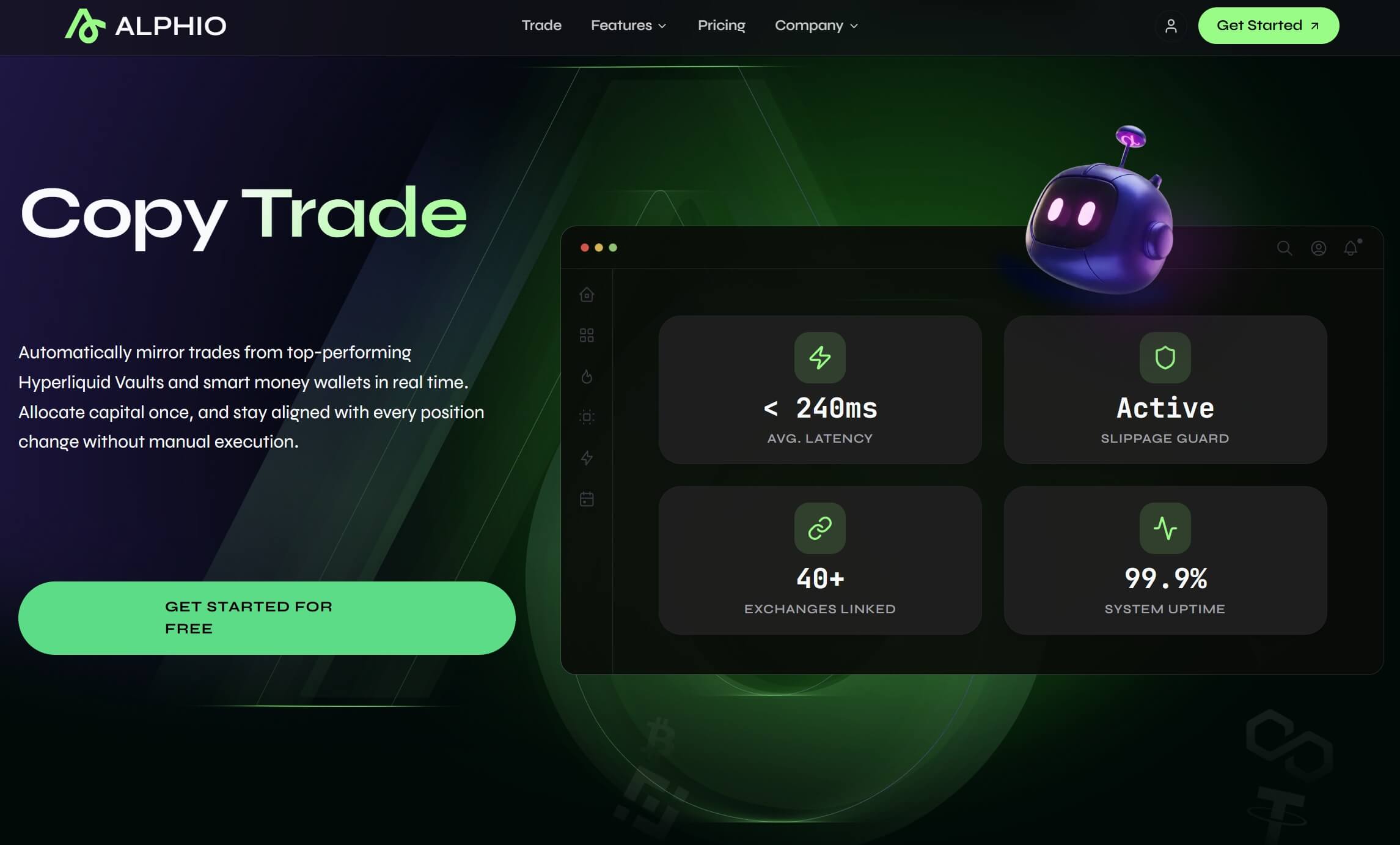
For investors looking to capitalize on the AI infrastructure boom, consider exploring Alphio AI's agentic trading feature to automate portfolio management with AI-powered strategies that can adapt to rapidly evolving technology sector dynamics.
Oracle's Cloud Transformation: Progress and Challenges
Market Share Trajectory
Oracle's cloud revenue growth has consistently exceeded overall company growth, with cloud services becoming an increasingly dominant contributor to top-line expansion. While the company trails AWS, Azure, and Google Cloud in absolute revenue, its growth rates have narrowed the gap in specific segments including database-as-a-service and cloud applications. The Pentagon contract validates Oracle's thesis that it can compete and win against larger competitors in specialized, high-value workloads.
Industry estimates suggest Oracle Cloud Infrastructure has captured approximately 2-3% of the global cloud infrastructure market, up from negligible share just five years ago. While this remains a distant fourth place, the company's focused strategy and massive capital investments suggest continued share gains in its target segments. Database migration to cloud represents a particularly large opportunity given Oracle's installed base of hundreds of thousands of enterprise customers.
The company's recent guidance calls for cloud revenue growth exceeding 20% annually through the decade, a pace that would see OCI approaching $50 billion in annual revenue within five years. Achieving these targets requires continued execution in winning large enterprise and government deals like the Pentagon contract, alongside steady progress in the mid-market segment where Oracle's integrated application and infrastructure offering creates compelling value.
Integration Risks and Execution Challenges
Despite the promising trajectory, Oracle's cloud transformation faces meaningful execution risks. The company's historical reputation for aggressive sales tactics and complex pricing has created customer friction that competitors exploit. Successful navigation of government contracting requirements, which demand transparency and fair dealing, will require cultural adaptation from Oracle's commercial business practices.
Technical execution remains paramount as Oracle scales infrastructure to meet surging demand. The company must deliver on reliability and performance commitments to the Pentagon while simultaneously supporting rapid growth in commercial AI workloads. Any significant outages or security incidents could damage the reputation gains achieved through this landmark contract win.
Additionally, Oracle's multi-cloud positioning—enabling customers to run Oracle databases and applications on competitors' clouds—creates both opportunity and tension. While this flexibility reduces migration friction and expands addressable market, it also means Oracle competes with partners who offer their own database solutions. Managing these complex channel relationships while building OCI's standalone capabilities requires sophisticated strategic execution.
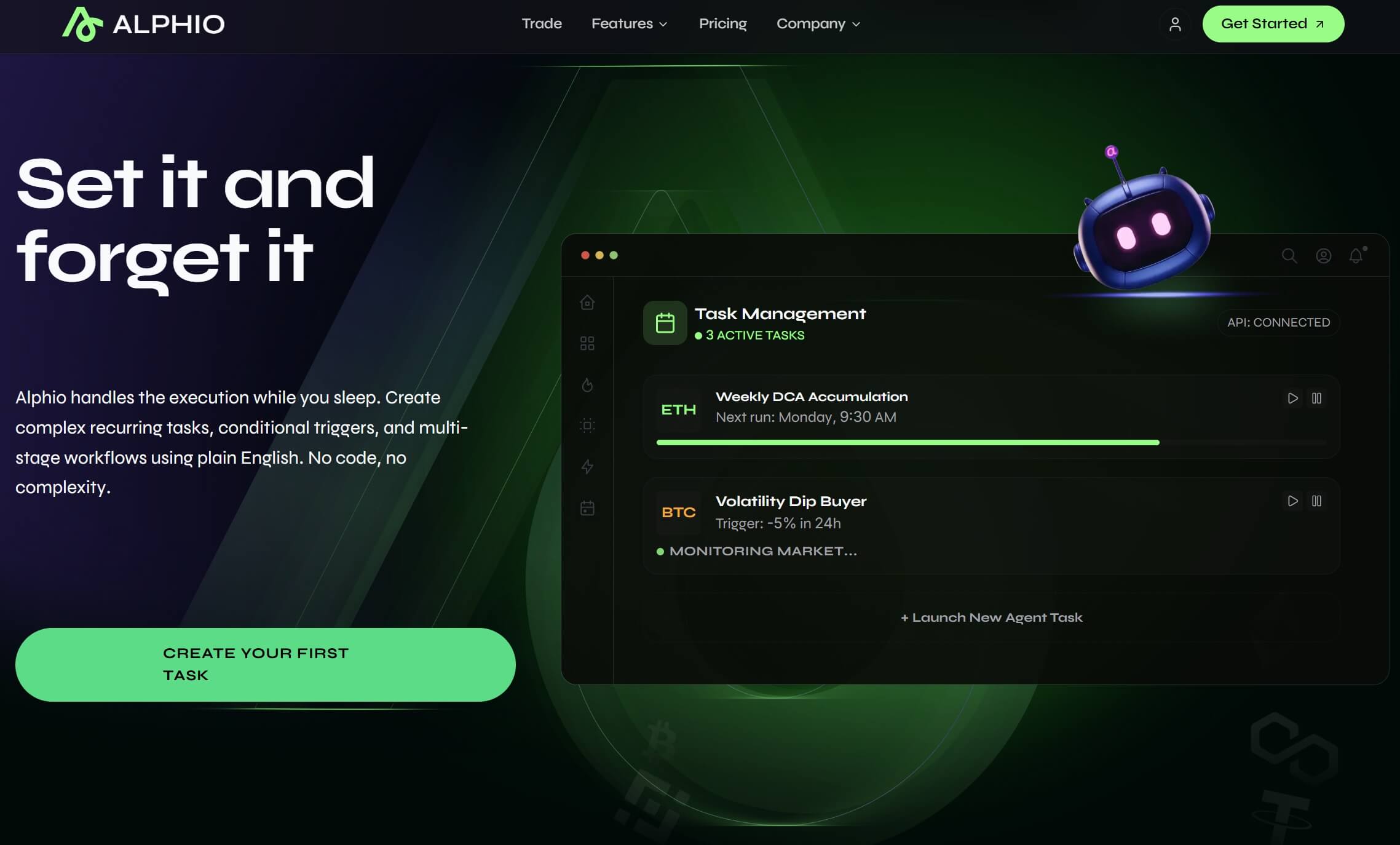
Traders seeking to optimize their investment timing around earnings announcements and contract milestones may benefit from Alphio AI's automations feature to set conditional workflows that respond to market-moving news.
Investment Outlook: Valuation and Risk Considerations
Current Valuation Framework
Oracle trades at a valuation premium to traditional enterprise software peers but a discount to high-growth cloud infrastructure companies, reflecting investor uncertainty about the pace and sustainability of its cloud transition. The Pentagon contract win provides tangible evidence that Oracle's cloud strategy is succeeding, potentially supporting multiple expansion as revenue visibility improves and growth rates sustain.
Analysts' price targets have generally trended upward following cloud-positive developments, with the consensus reflecting confidence that OCI can achieve profitability at scale. The company's improved capital efficiency metrics—including return on invested capital and free cash flow margins—suggest the heavy cloud investment phase is beginning to generate measurable returns.
Comparative valuation analysis suggests Oracle trades at a discount to intrinsic value when considering the optionality embedded in its AI infrastructure capabilities and government cloud positioning. As these growth vectors mature and contribute more meaningfully to earnings, the market may rerate Oracle closer to cloud-native valuation multiples, providing potential upside for patient investors.
Key Risks to Monitor
Investors should remain attentive to several risk factors that could impede Oracle's cloud momentum. Competition from hyperscalers with substantially greater resources remains intense, and these competitors continue investing aggressively in the same government and enterprise segments Oracle is targeting. Any loss of share in Oracle's core database business would undermine the foundation supporting cloud growth investments.
Macroeconomic headwinds, including potential defense budget pressures if geopolitical tensions ease, could impact the federal business's growth trajectory. Additionally, regulatory scrutiny of big tech and government cloud contracting processes could introduce uncertainty or delays in procurement decisions, though Oracle's strong compliance track record mitigates this risk relative to less experienced competitors.
Execution risks around integrating acquired technologies, managing the cultural transformation from on-premise software to cloud services, and scaling infrastructure without service disruptions all warrant monitoring. The company's ability to retain key technical and sales talent in a competitive labor market will influence its capacity to deliver on ambitious growth targets.
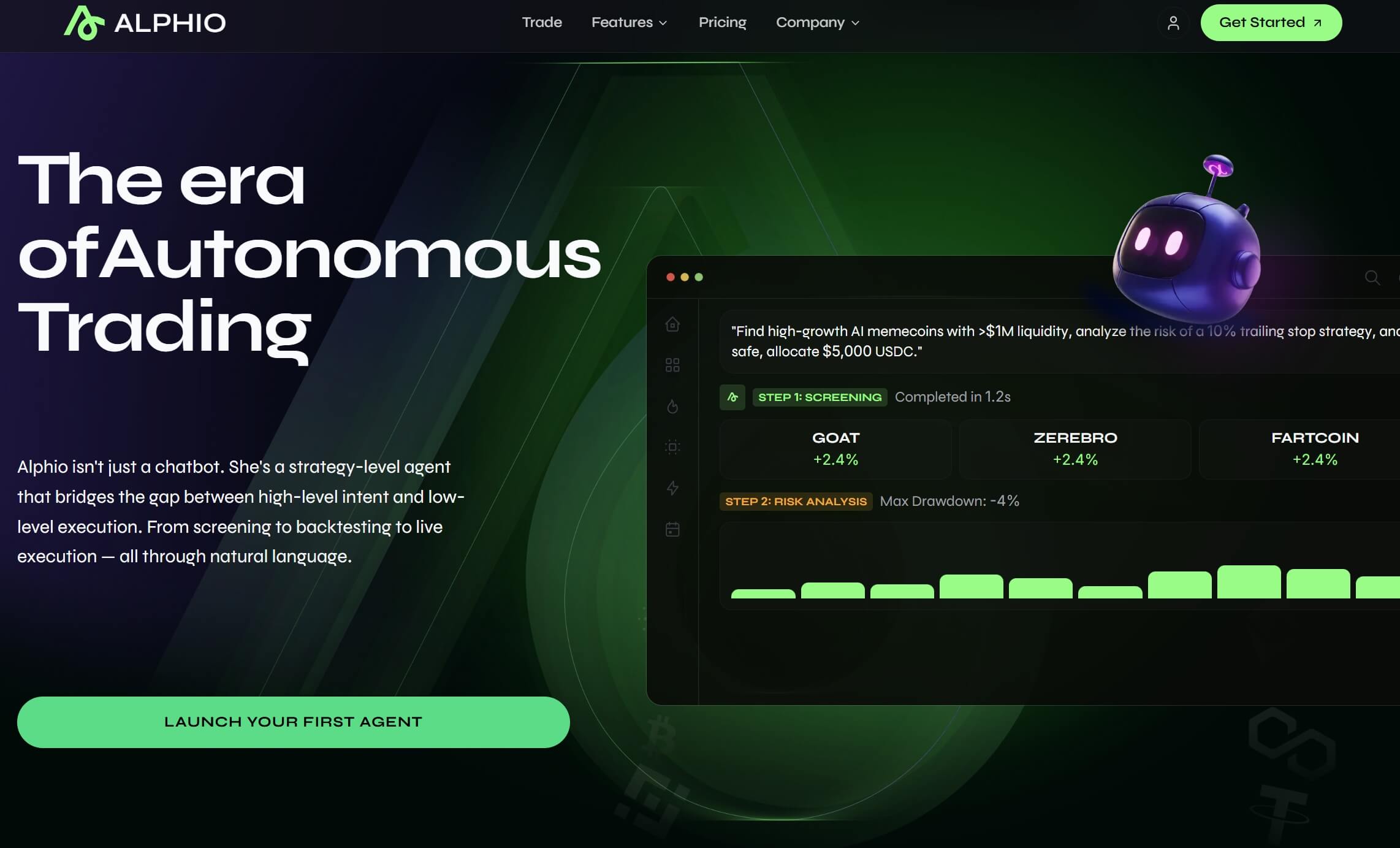
Investors interested in mirroring successful trading strategies around enterprise technology stocks can explore Alphio AI's copy trading feature to replicate approaches used by sophisticated technology sector investors.
Conclusion
Oracle's $7 billion Pentagon cloud contract represents far more than a single revenue win—it validates the company's multi-year transformation into a credible cloud infrastructure provider and establishes a beachhead in the highest-security segment of government computing. For investors, this development strengthens the investment case by demonstrating that Oracle's massive capital investments in AI-ready data centers are generating returns in the form of long-duration, high-visibility revenue streams.
The contract positions Oracle to benefit from secular trends including defense modernization, government cloud migration, and AI infrastructure deployment that show no signs of abating. While execution risks remain and competition from better-capitalized hyperscalers is fierce, Oracle's specialized capabilities and proven track record in secure computing create defensible competitive advantages in its target markets.
Long-term investors should view this contract as a milestone in Oracle's cloud journey rather than a destination. The true measure of success will be Oracle's ability to convert this initial Pentagon engagement into expanded relationships across defense and intelligence agencies, while leveraging the credibility boost to accelerate commercial enterprise adoption. With shares trading at reasonable multiples relative to growth potential, Oracle offers exposure to the cloud infrastructure and AI themes through a company with decades of profitability and an improving competitive position.
For those seeking to navigate the opportunities and risks in technology sector investing, Alphio AI's conversational trading interface enables seamless execution of research-driven investment decisions through natural language interaction, combining powerful analysis tools with intuitive trade execution capabilities.
FAQs
How will the Pentagon contract impact Oracle's future earnings?
The $7 billion Pentagon contract is expected to contribute $500 million to $1 billion in annual recurring revenue once fully operational. Beyond direct financial impact, the contract provides multi-year revenue visibility and validates Oracle's capabilities, potentially leading to expanded government relationships and accelerated commercial enterprise adoption.
How does Oracle Cloud Infrastructure differ from AWS and Azure?
Oracle Cloud Infrastructure specializes in high-performance database workloads, secure classified computing environments, and seamless integration with Oracle's enterprise applications. While smaller than hyperscalers in overall revenue, OCI competes effectively in specialized segments requiring database expertise and government-grade security certifications.
What role does AI play in Oracle's cloud strategy?
AI infrastructure represents a major growth vector for Oracle, with the company deploying NVIDIA's latest AI accelerators and building massive training clusters for generative AI workloads. The Pentagon contract's AI/ML components validate Oracle's capabilities in classified AI infrastructure, positioning it for growth as government and enterprise AI adoption accelerates.
What are the main risks facing Oracle's cloud transformation?
Key risks include intense competition from better-capitalized hyperscalers, potential defense budget pressures, execution challenges in scaling infrastructure reliably, and the need to adapt corporate culture from traditional software sales to cloud subscription models. Additionally, Oracle must maintain its core database market position while transitioning customers to cloud deployment.
Is Oracle stock a good investment for cloud exposure?
Oracle offers cloud infrastructure and AI exposure at a valuation discount to pure-play cloud companies, with the added stability of an established, profitable enterprise software business. The Pentagon contract validates the cloud strategy's execution, though investors should have multi-year time horizons given the competitive dynamics and ongoing transformation.
Related articles
- Stock Market Surges After 2026 Midterms: What the Democratic Sweep Means for Your PortfolioThe stock market rallied after Democrats won the 2026 midterms. Discover what the election means for investors, tech stocks, and the S&P 500 outlook.
- Stock Market Surges After 2026 Midterms: What the Democratic Sweep Means for Your PortfolioThe stock market rallied after Democrats won the 2026 midterms. Discover what the election means for investors, tech stocks, and the S&P 500 outlook.
- Oil Prices Surge Above $105 Amid US-Iran Conflict: Energy Investment Opportunities in November 2026Oil prices climb past $105 as US strikes Iran's Qeshm Island. Discover energy investment opportunities, top oil stocks, and market outlook for November 2026.
- AI Spending Selloff: Why Meta, Tesla, and Chip Stocks Crashed in October 2026Tech stocks plunged as AI spending fears gripped markets. Discover why Meta dropped 7%, Tesla fell on doubled capex, and semiconductors sank 6.7% in October 2026.
- Fed October 2026 Meeting & Big Tech Earnings: A Pivotal Week for InvestorsThe Fed's October 2026 FOMC meeting coincides with major tech earnings from Microsoft, Alphabet, and Amazon. Here's what investors should watch.
- Oil Prices Surge Above $113: How Middle East Tensions and Energy Inflation Are Reshaping Markets in Brent crude surged above $113 in October 2026 as Middle East tensions escalated. Explore the market impact, inflation risks, and investment implications.