

Fed Rate Cut Impact on Stock Market 2026: What Investors Need to Know
Analyzing how the Federal Reserve's potential rate cuts could impact stock markets in August 2026. Key sectors to watch and investment strategies for investors.

Key Takeaway
The Federal Reserve's anticipated interest rate cuts in late 2026 represent a pivotal moment for investors navigating an increasingly complex market environment. As inflation shows signs of stabilizing toward the Fed's 2% target and economic growth demonstrates remarkable resilience, market participants are positioning themselves for what could be a significant shift in asset allocation strategies. Historical data suggests that the first rate cut in a cycle typically triggers a rally in growth stocks, particularly in the technology and consumer discretionary sectors, while defensive plays may temporarily underperform as risk appetite returns.
For investors seeking to capitalize on this transition, understanding the nuanced relationship between monetary policy and equity performance becomes essential. The current cycle differs from previous easing periods due to persistent concerns about fiscal deficits, ongoing geopolitical tensions, and the transformative impact of artificial intelligence on corporate productivity. Savvy investors should focus on quality companies with strong balance sheets that can weather potential volatility while maintaining exposure to sectors historically favored during rate-cutting environments.
Understanding the Fed's Current Position
The Federal Reserve finds itself at a critical juncture in August 2026, balancing the need to support economic growth against the risk of reigniting inflationary pressures. After maintaining elevated interest rates throughout much of 2025 and early 2026 to combat persistent inflation, recent economic indicators suggest the central bank may finally have the evidence needed to begin its easing cycle. Consumer price index data has shown consistent deceleration, with core inflation approaching the Fed's long-term target while the labor market remains robust but no longer overheated.
Fed Chair Jerome Powell's recent congressional testimony provided subtle hints that policymakers are becoming increasingly comfortable with the prospect of rate reductions. The carefully worded statements emphasized data-dependent decision-making while acknowledging that the risks to the economy have become more balanced. This shift in rhetoric marks a significant departure from the hawkish stance maintained throughout 2025 and signals that the FOMC may be preparing markets for an imminent policy pivot. Market-based measures of Fed expectations have responded accordingly, with futures pricing in multiple rate cuts before year-end.
Historical Performance During Rate-Cutting Cycles
Examining historical patterns reveals compelling insights into how equity markets typically respond during Fed easing cycles. The twelve months following the first rate cut have historically delivered above-average returns for the S&P 500, with an average gain of approximately 15% across cycles dating back to 1980. However, this aggregate figure masks significant variation depending on the economic context surrounding each cutting cycle. Recessionary rate cuts, implemented to combat economic contraction, have produced markedly different outcomes compared to preventive cuts aimed at sustaining growth.
Technology stocks have consistently outperformed during easing periods, benefiting from lower discount rates applied to future cash flows and improved financing conditions for growth initiatives. The Nasdaq Composite has historically delivered excess returns of 5-8 percentage points relative to the broader market during the first year of rate-cutting cycles. Small-cap equities also tend to thrive as borrowing costs decline and credit conditions ease, providing relief to companies with variable-rate debt obligations and limited access to capital markets.
Sector Winners and Losers
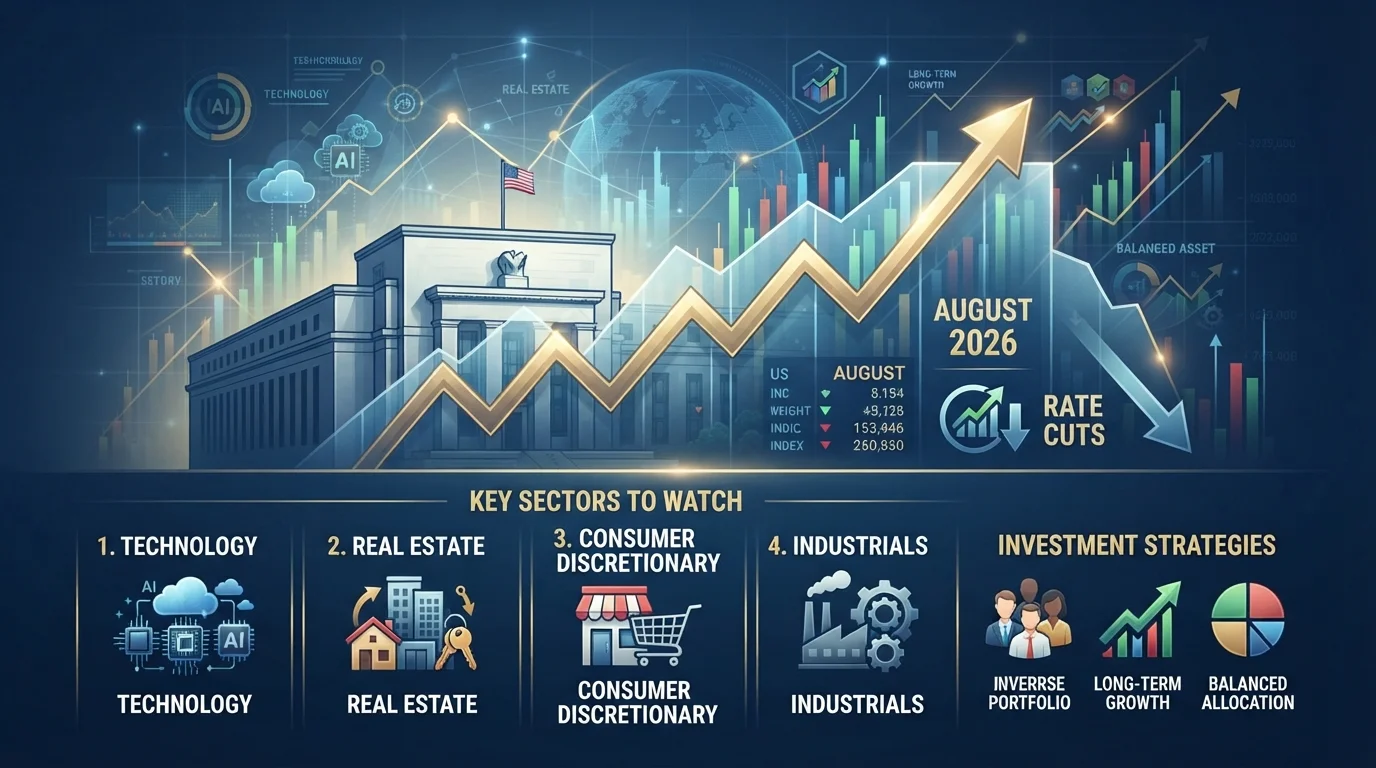
As rate cuts materialize, sector rotation patterns typically emerge that reward investors who position ahead of these shifts. Growth-oriented sectors including technology, communication services, and consumer discretionary have historically captured disproportionate benefits from lower discount rates and improved investor risk appetite. Companies in these sectors often carry higher valuations based on future earnings expectations, making them particularly sensitive to changes in the interest rate environment. The technology sector, in particular, has demonstrated exceptional performance during past easing cycles as lower rates reduce the cost of capital for innovation and expansion.
Conversely, defensive sectors such as utilities, consumer staples, and healthcare have historically underperformed during the initial phases of rate-cutting cycles. These sectors, which typically attract investors during periods of economic uncertainty, often experience capital outflows as market participants rotate toward higher-growth opportunities. Financial stocks present a more complex picture, with potential pressure on net interest margins offset by improved loan demand and reduced credit loss provisions. Regional banks and insurance companies may face particular challenges as the yield curve steepens and reinvestment risk increases.
For investors seeking to automate their trading strategies, consider using Alphio AI's copy trading feature to mirror successful traders and smart money wallets navigating these sector rotations.

Fixed Income and Equity Correlations
The relationship between fixed income and equity markets undergoes significant transformation during rate-cutting cycles, creating both opportunities and risks for diversified portfolios. Treasury yields typically decline in anticipation of and during Fed easing, driving capital appreciation for existing bondholders while reducing income for new investments. This dynamic often triggers a chase for yield that extends into corporate credit markets, compressing spreads and supporting equity valuations through lower cost of capital assumptions.
The traditional negative correlation between bonds and stocks has shown signs of instability in recent years, challenging conventional portfolio construction wisdom. During the 2022 inflation surge, both asset classes declined simultaneously, undermining the diversification benefits that balanced portfolios typically provide. As rates fall in 2026, investors should remain cognizant of this evolving relationship and consider whether traditional 60/40 allocations remain appropriate or if alternative strategies may better serve portfolio objectives.
International Market Implications
The Federal Reserve's monetary policy decisions reverberate far beyond U.S. borders, influencing capital flows, currency valuations, and equity market performance across global markets. As the world's dominant reserve currency, the U.S. dollar typically weakens during Fed easing cycles, providing relief to emerging market economies with dollar-denominated debt obligations. This dynamic often triggers rallies in emerging market equities and bonds as currency risk diminishes and capital flows reverse from developed to developing economies.
European and Asian equity markets may experience divergent impacts depending on the relative timing of central bank policy shifts. The European Central Bank and Bank of Japan have maintained different policy trajectories, creating opportunities for investors who can navigate these disparities. Japanese equities, in particular, have shown sensitivity to yen strength during periods of dollar weakness, potentially impacting the profitability of export-oriented companies while benefiting domestic-focused sectors.
Investment Strategies for the Current Environment
Positioning portfolios for the anticipated rate-cutting cycle requires careful consideration of both tactical and strategic factors. Investors with longer time horizons may benefit from maintaining equity exposure while tilting toward sectors and styles historically favored during easing periods. Growth stocks with strong competitive positions and sustainable competitive advantages warrant particular attention, as these companies can leverage lower capital costs to accelerate market share gains and innovation investments.
Risk management remains paramount even as the Fed shifts toward accommodation. Historical analysis reveals that initial rate cuts often coincide with periods of elevated market volatility as investors reassess growth expectations and adjust positioning. Maintaining adequate liquidity and diversification across asset classes can help navigate potential turbulence while preserving capital for attractive entry points. Dollar-cost averaging into positions during periods of weakness represents a disciplined approach to building exposure without attempting to time market bottoms.
Alternatively, explore agentic trading to automate your portfolio management with AI-powered strategies that can respond dynamically to Fed policy changes.

Individual Stock Considerations
Company-specific factors become increasingly important during transitional periods in monetary policy, as broad market movements may mask significant dispersion in individual security performance. Companies with floating-rate debt obligations stand to benefit most directly from Fed rate cuts, as reduced interest expenses flow directly to bottom-line profitability. Real estate investment trusts, particularly those focused on residential and commercial properties, may experience multiple expansion as cap rates compress and financing costs decline.
Dividend-paying stocks warrant careful evaluation as the yield environment shifts. While lower rates generally support equity valuations, they also reduce the relative attractiveness of dividend yields compared to fixed income alternatives. Companies with consistent dividend growth histories and sustainable payout ratios may command premium valuations as income-oriented investors adjust to a lower-yield environment. Quality factors including strong free cash flow generation, reasonable leverage levels, and pricing power become increasingly important selection criteria.
Risk Factors to Monitor
Despite the generally positive historical precedent for equity markets during rate-cutting cycles, several risk factors warrant careful monitoring as 2026 progresses. Inflationary pressures, while diminished, have not been fully vanquished, and any resurgence could force the Fed to pause or reverse its easing trajectory. Geopolitical developments, including ongoing tensions in key regions and potential disruptions to global supply chains, represent persistent sources of uncertainty that could trigger risk-off sentiment.
Valuation concerns also merit attention, as U.S. equity markets have delivered substantial gains over the preceding years and currently trade at elevated multiples compared to historical averages. The concentration of market capitalization in a handful of large technology companies creates vulnerability to any broad-based de-rating of growth stocks. Investors should remain prepared for potential corrections even within the context of a favorable monetary policy backdrop.
Set up conditional alerts for these risk factors using Alphio AI's automation features to stay ahead of market-moving events.

Conclusion
The Federal Reserve's anticipated rate cuts in late 2026 present a compelling opportunity for investors who position thoughtfully ahead of policy shifts. Historical patterns suggest that equity markets typically deliver above-average returns during the initial phases of rate-cutting cycles, with growth-oriented sectors and small-cap stocks historically outperforming. However, investors must remain cognizant of the unique aspects of the current cycle, including elevated valuations, persistent inflation risks, and evolving correlations between asset classes.
Success in this environment requires balancing opportunistic positioning with prudent risk management. Maintaining exposure to quality companies with strong fundamentals while remaining flexible enough to adjust as conditions evolve represents a sound approach. Investors should also consider the international implications of Fed policy shifts and the potential for significant divergence in performance across sectors and individual securities.
For those seeking to optimize their trading approach during this transitional period, Alphio AI's conversational trading platform provides an intuitive interface for executing trades and managing positions through natural language commands. Whether implementing complex options strategies or simply rebalancing portfolios, the platform's AI-powered capabilities can help investors navigate the evolving market landscape with confidence.

Ultimately, the Fed's pivot toward accommodation should be viewed as a positive development for equity investors, even as potential volatility accompanies the transition. By understanding historical patterns, monitoring key risk factors, and maintaining disciplined investment approaches, market participants can position themselves to capture the opportunities that rate-cutting cycles typically provide.
FAQs
When will the Fed likely start cutting interest rates in 2026?
Based on current economic data and Fed communications, the first rate cut is anticipated in late Q3 or early Q4 2026, contingent on inflation continuing its downward trajectory toward the 2% target and labor market conditions remaining stable.
Which stock sectors typically perform best during rate-cutting cycles?
Technology, communication services, and consumer discretionary sectors have historically outperformed during rate-cutting cycles due to lower discount rates benefiting future earnings and improved financing conditions. Small-cap stocks also tend to benefit from easier credit conditions.
How should investors position their portfolios ahead of Fed rate cuts?
Investors should consider maintaining equity exposure while tilting toward growth sectors and quality companies with strong balance sheets. Diversification across asset classes and maintaining adequate liquidity for potential volatility remain important risk management practices.
What are the main risks to the stock market during Fed easing periods?
Key risks include potential inflation resurgence forcing the Fed to reverse course, elevated valuations creating vulnerability to corrections, geopolitical developments triggering risk-off sentiment, and evolving correlations between bonds and stocks undermining diversification benefits.
How do international markets typically respond to Fed rate cuts?
International markets generally benefit as the U.S. dollar weakens, providing relief to emerging markets with dollar-denominated debt and potentially triggering capital flows from developed to developing economies. However, impacts vary based on relative central bank policy timing and currency dynamics.
Related articles
- Stock Market Surges After 2026 Midterms: What the Democratic Sweep Means for Your PortfolioThe stock market rallied after Democrats won the 2026 midterms. Discover what the election means for investors, tech stocks, and the S&P 500 outlook.
- Stock Market Surges After 2026 Midterms: What the Democratic Sweep Means for Your PortfolioThe stock market rallied after Democrats won the 2026 midterms. Discover what the election means for investors, tech stocks, and the S&P 500 outlook.
- Oil Prices Surge Above $105 Amid US-Iran Conflict: Energy Investment Opportunities in November 2026Oil prices climb past $105 as US strikes Iran's Qeshm Island. Discover energy investment opportunities, top oil stocks, and market outlook for November 2026.
- Nvidia Stock August 2026: Why Analysts Predict a Major BreakoutNvidia stock could skyrocket in August 2026. Discover why analysts are bullish, with $500B in AI chip bookings and demand outpacing supply 12-to-1.
- Nuclear Energy Stocks: The Hidden Gem of Clean Energy Investment in 2026Discover why nuclear energy stocks are surging in 2026. Learn about NuScale Power (SMR), Oklo (OKLO), and emerging opportunities in the clean energy sector.
- Tesla Stock Analysis August 2026: Navigating the EV Market's Next ChapterIn-depth Tesla stock analysis for August 2026. Explore TSLA price trends, EV market growth, and investment strategies. Expert insights on Tesla's future.