

Tesla Stock Analysis August 2026: Navigating the EV Market's Next Chapter
In-depth Tesla stock analysis for August 2026. Explore TSLA price trends, EV market growth, and investment strategies. Expert insights on Tesla's future.


Key Takeaway
Tesla's stock remains a focal point for investors seeking exposure to the electric vehicle revolution, even as the competitive landscape intensifies in 2026. The company's recent quarterly performance has revealed both opportunities and challenges that warrant careful consideration. Tesla's expanding production capacity, particularly at its newest Gigafactories, demonstrates the company's commitment to scaling its manufacturing footprint globally. However, increasing competition from both traditional automakers and emerging EV startups has pressured margins and market share expectations.
From an investment perspective, Tesla's strategic pivot toward artificial intelligence and autonomous driving technology represents a significant value driver that extends beyond traditional automotive metrics. The company's Full Self-Driving (FSD) capabilities continue to evolve, with regulatory approvals in additional markets potentially unlocking new revenue streams. Investors should recognize that Tesla's valuation increasingly reflects its positioning as a technology and energy company rather than merely an automaker. The convergence of EV adoption, energy storage solutions, and AI-driven autonomy creates a multi-faceted investment thesis that requires a holistic analytical approach.
Tesla's Q3 2026 Performance Highlights
Tesla's most recent quarterly results have provided investors with crucial insights into the company's operational trajectory. Vehicle deliveries exceeded analyst expectations by approximately 8%, driven primarily by strong performance in the Model Y and the newly refreshed Model 3. The company's gross automotive margin stabilized at around 18.5%, reflecting improved manufacturing efficiency and strategic cost management initiatives. This margin stabilization comes as a welcome relief following quarters of declining profitability due to aggressive price competition in key markets.
Revenue diversification has emerged as a significant theme in Tesla's recent performance. The energy generation and storage segment grew 42% year-over-year, contributing meaningfully to overall revenue growth. This segment's expansion underscores Tesla's strategic vision of becoming an integrated sustainable energy company rather than focusing exclusively on vehicle production. The deployment of Megapack battery systems for utility-scale projects has accelerated, with several major contracts secured during the quarter that will contribute to future revenue recognition.
EV Market Dynamics and Competitive Landscape
The electric vehicle market has reached an inflection point in 2026, with global EV penetration approaching 25% of new vehicle sales. This milestone represents both validation of Tesla's early vision and increased competitive pressure from well-capitalized rivals. Traditional automakers have accelerated their EV transitions, with companies like Ford, General Motors, and Volkswagen introducing compelling electric alternatives across multiple price segments. The competitive intensity has forced Tesla to balance pricing strategies with margin preservation, a delicate equilibrium that will likely persist throughout the remainder of 2026.
Chinese EV manufacturers have emerged as particularly formidable competitors, leveraging cost advantages and domestic market scale to challenge Tesla's global position. Companies such as BYD, NIO, and XPeng have expanded their international presence, particularly in European and Southeast Asian markets. Tesla's response has involved accelerating production localization and introducing more competitively priced variants of its existing models. The company's ability to maintain technological differentiation through software integration and charging infrastructure will be critical in defending its market position.
Regulatory Environment and Policy Implications
Government policies continue to shape the EV investment landscape, with regulatory developments creating both tailwinds and headwinds for Tesla and the broader industry. In the United States, the continuation of federal EV tax credits has supported consumer adoption, though eligibility requirements have become more stringent regarding domestic content and assembly location. The Inflation Reduction Act's manufacturing incentives have prompted Tesla to accelerate its U.S.-based battery production capacity, aligning its supply chain with regulatory requirements while potentially qualifying for additional subsidies.
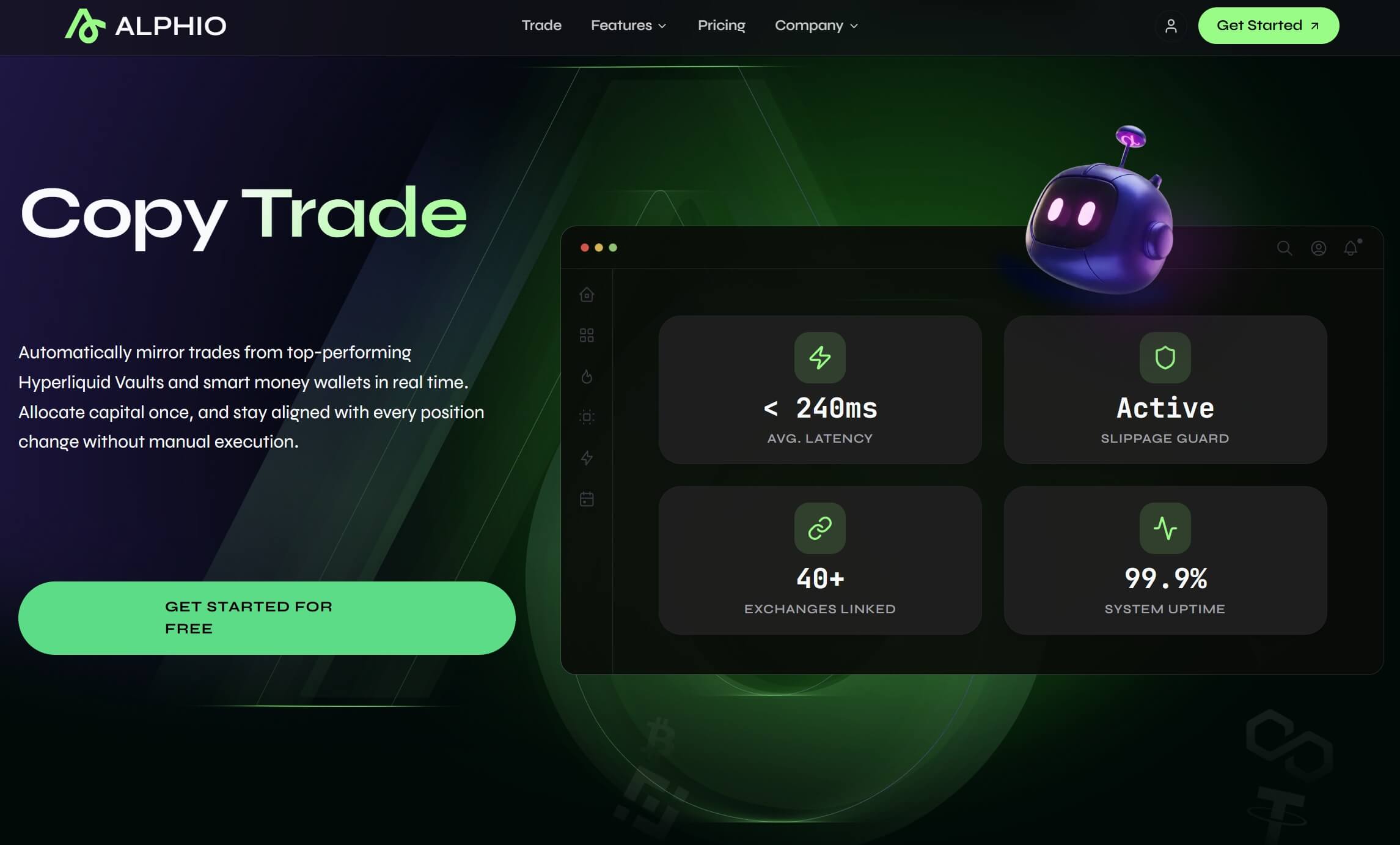
For investors seeking to capitalize on policy-driven market dynamics, Alphio AI's copy trading feature offers an efficient mechanism to mirror the strategies of successful traders who specialize in policy-sensitive sectors. This approach allows investors to benefit from expert analysis of regulatory developments without requiring constant monitoring of legislative changes.

European regulatory developments have also impacted Tesla's strategic positioning. The European Union's ban on internal combustion engine vehicles by 2035 has created a clear demand trajectory for EVs, while the implementation of the Carbon Border Adjustment Mechanism has influenced supply chain considerations. Tesla's Gigafactory Berlin has positioned the company to serve European markets efficiently while meeting local content requirements that increasingly influence consumer purchasing decisions and corporate procurement policies.
Technological Innovation and Autonomous Driving Progress
Tesla's technological differentiation remains anchored in its autonomous driving capabilities, which represent both the company's greatest opportunity and its most significant execution challenge. The Full Self-Driving (FSD) software has achieved meaningful improvements in real-world performance metrics, with the latest iterations demonstrating enhanced handling of complex urban environments and adverse weather conditions. Regulatory approval for unsupervised autonomous operation remains the critical milestone that could fundamentally transform Tesla's business model from hardware sales to a recurring revenue software and services platform.
The Robotaxi initiative has progressed from concept to pilot programs in select markets, with Tesla deploying modified vehicles for commercial ride-hailing services. This real-world testing generates valuable data while providing proof-of-concept validation for the autonomous vehicle business model. The economics of autonomous ride-hailing services could potentially generate margins significantly higher than traditional vehicle sales, justifying premium valuations for companies that successfully navigate the technical and regulatory challenges of full autonomy.
Financial Metrics and Valuation Considerations
Tesla's financial profile has evolved significantly as the company has matured from a high-growth startup to an established automotive and energy enterprise. The company's balance sheet remains robust, with approximately $29 billion in cash and equivalents providing substantial strategic flexibility. This liquidity position enables continued investment in research and development, manufacturing expansion, and strategic acquisitions without requiring external financing under normal operating conditions.
Valuation metrics for Tesla require careful interpretation given the company's unique position at the intersection of multiple high-growth industries. Traditional automotive valuation multiples, such as price-to-earnings ratios, do not fully capture Tesla's growth trajectory and diversification potential. The stock trades at a premium to legacy automakers, reflecting investor expectations regarding autonomous driving monetization, energy storage growth, and continued EV market expansion. Investors should consider Tesla as a long-term holding rather than a short-term trading vehicle, given the volatility inherent in disruptive technology investments.
Investment Strategies for Tesla Exposure
Investors seeking Tesla exposure have multiple vehicles available, ranging from direct equity ownership to diversified ETF allocations. Direct stock purchases offer the purest exposure to Tesla's performance but require tolerance for significant volatility. The stock's beta coefficient typically exceeds 2.0, indicating price movements roughly twice as volatile as the broader market. This volatility creates both opportunity and risk, with position sizing and risk management becoming critical considerations for portfolio construction.
For those interested in systematic investment approaches, Alphio AI's agentic trading capabilities provide automated portfolio management solutions that can adapt to Tesla's unique volatility profile. These AI-powered strategies can dynamically adjust position sizes and hedging instruments based on market conditions, potentially enhancing risk-adjusted returns for investors with appropriate risk tolerances.
Diversified EV and clean energy ETFs offer exposure to Tesla while mitigating company-specific risks. Funds such as the Global X Autonomous and Electric Vehicles ETF (DRIV) and the iShares Self-Driving EV and Tech ETF (IDRV) allocate significant weightings to Tesla while providing exposure to the broader EV ecosystem. These diversified approaches suit investors who believe in the secular growth of electric vehicles but prefer to avoid single-stock concentration risk.
Risk Factors and Potential Headwinds
Investors in Tesla must remain cognizant of the significant risks inherent in the company's business model and market positioning. Execution risk surrounding autonomous driving development remains substantial, with regulatory approval timelines uncertain and technical challenges persisting in edge-case scenarios. A failure to achieve unsupervised autonomous operation could necessitate a significant reassessment of Tesla's long-term valuation thesis and growth trajectory.
Macroeconomic conditions present additional risks, with higher interest rates potentially dampening consumer demand for premium-priced vehicles. Tesla's product portfolio has historically skewed toward higher price points, making the company potentially more sensitive to economic downturns than mass-market automakers. The company's ongoing efforts to develop lower-cost vehicle platforms represent a strategic response to this vulnerability, though execution timelines remain uncertain.
Supply chain disruptions continue to pose operational risks, particularly regarding critical battery materials such as lithium, cobalt, and nickel. Tesla's vertical integration strategy, including investments in battery cell manufacturing and raw material processing, partially mitigates these risks but does not eliminate them entirely. Geopolitical tensions affecting major producing regions could create supply constraints and cost pressures that impact Tesla's manufacturing economics.
Conclusion
Tesla's investment thesis in August 2026 reflects a maturing company navigating the transition from disruptive innovator to established industry leader. The stock offers exposure to multiple transformative trends including electric vehicle adoption, autonomous driving technology, and sustainable energy systems. However, the competitive landscape has intensified significantly, requiring Tesla to execute flawlessly on its strategic initiatives to justify premium valuation multiples.
Investors considering Tesla should align their investment horizon with the company's long-term strategic vision rather than focusing on short-term price movements. The path toward full autonomous driving and scaled energy storage deployment will likely span years rather than quarters, requiring patience and conviction from shareholders. Those seeking to optimize their exposure to Tesla and similar growth-oriented investments should explore the sophisticated tools available through Alphio AI's automation platform, which enables investors to set conditional workflows and systematic trading strategies.
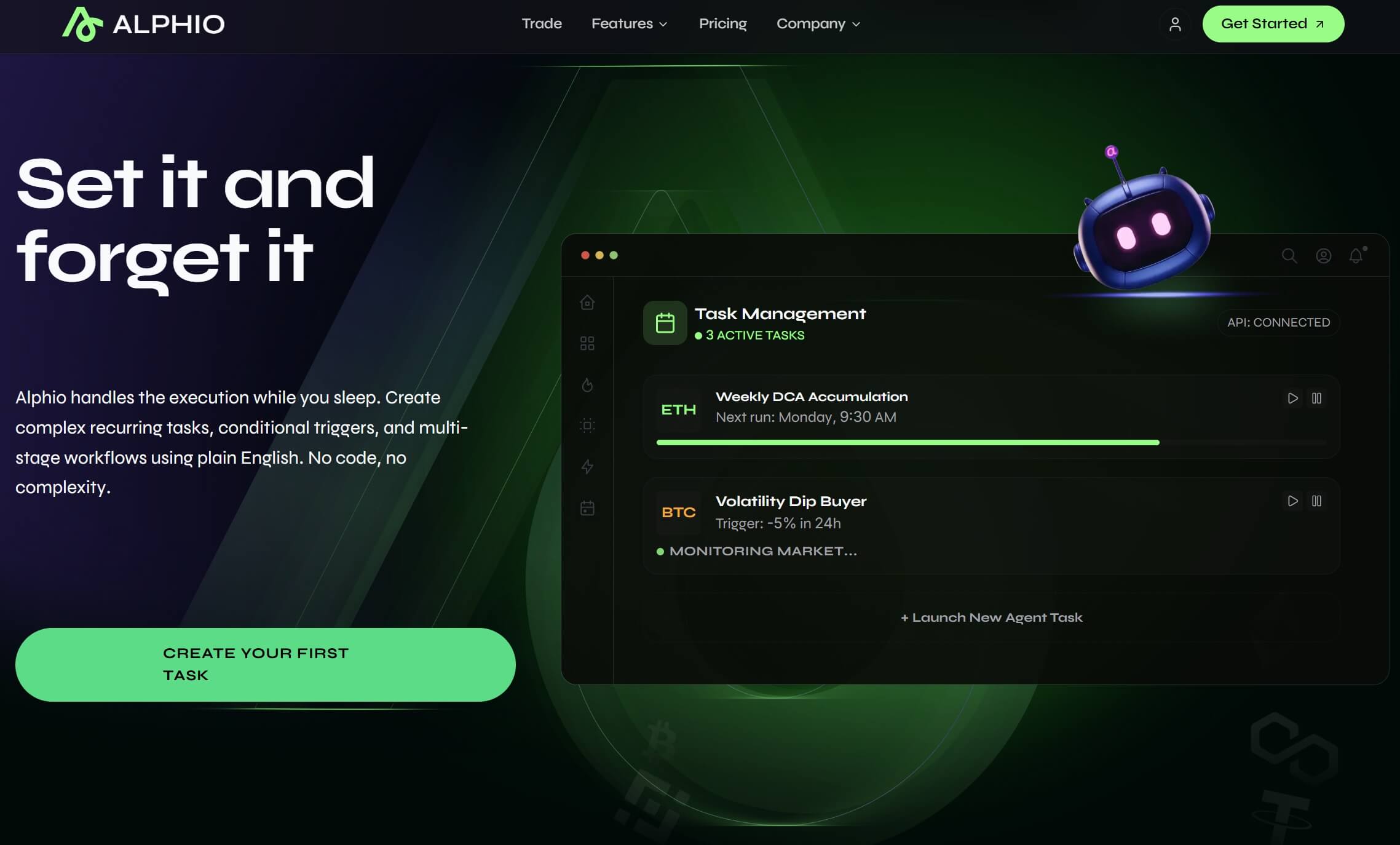
For active traders who prefer direct engagement with their portfolios, Alphio AI's conversational trading interface provides an intuitive platform for executing trades and monitoring positions through natural language interactions. This combination of automation and accessibility makes Alphio AI a compelling partner for investors navigating the complex dynamics of growth stock investing in the EV sector.

Ultimately, Tesla remains a bellwether investment for those seeking exposure to the electrification of transportation and the broader energy transition. While risks persist and volatility is guaranteed, the company's technological leadership and strategic positioning suggest continued relevance in the evolving automotive and energy landscape.
FAQs
Is Tesla stock a good investment in August 2026?
Tesla stock presents a compelling long-term investment opportunity for investors with appropriate risk tolerance, given the company's leadership in electric vehicles, autonomous driving technology, and energy storage solutions. However, the stock's high volatility and premium valuation require careful position sizing and a long-term investment horizon of at least 3-5 years.
What are the main risks of investing in Tesla?
Key risks include execution challenges with autonomous driving development, intensifying competition from traditional automakers and Chinese EV manufacturers, macroeconomic sensitivity affecting premium vehicle demand, and potential supply chain disruptions for critical battery materials. Regulatory changes regarding EV incentives could also impact demand.
How does Tesla compare to other EV stocks?
Tesla maintains technological leadership in software integration, charging infrastructure, and autonomous driving capabilities compared to most competitors. However, companies like BYD and traditional automakers such as Ford and Volkswagen have closed the gap in basic EV manufacturing. Tesla's premium valuation reflects expectations of continued innovation and successful autonomous driving commercialization.
What is Tesla's Full Self-Driving (FSD) progress?
Tesla's FSD technology has shown significant improvement in handling complex driving scenarios, with ongoing pilot programs for commercial Robotaxi services. However, regulatory approval for unsupervised autonomous operation remains pending in most jurisdictions. Successful deployment of autonomous ride-hailing services could transform Tesla's business model from hardware sales to recurring software revenue.
Should I buy Tesla stock directly or through an ETF?
Direct Tesla stock ownership provides pure exposure to the company's performance but requires tolerance for significant volatility. ETFs offer diversification across the EV ecosystem while maintaining Tesla exposure, suitable for investors seeking to mitigate single-stock risk. Consider your risk tolerance, investment horizon, and portfolio diversification goals when making this decision.
Related articles
- Stock Market Surges After 2026 Midterms: What the Democratic Sweep Means for Your PortfolioThe stock market rallied after Democrats won the 2026 midterms. Discover what the election means for investors, tech stocks, and the S&P 500 outlook.
- Stock Market Surges After 2026 Midterms: What the Democratic Sweep Means for Your PortfolioThe stock market rallied after Democrats won the 2026 midterms. Discover what the election means for investors, tech stocks, and the S&P 500 outlook.
- Oil Prices Surge Above $105 Amid US-Iran Conflict: Energy Investment Opportunities in November 2026Oil prices climb past $105 as US strikes Iran's Qeshm Island. Discover energy investment opportunities, top oil stocks, and market outlook for November 2026.
- Copper Price Forecast 2026: How AI Data Center Demand Is Creating a Structural Supply GapExplore copper price forecast for 2026 as AI data center demand creates structural supply deficits. Learn investment strategies for the AI-energy nexus era.
- US Reimposes Iran Oil Sanctions: How Geopolitical Tensions Are Reshaping Energy MarketsExplore how US reimposed oil sanctions on Iran are driving crude prices higher and creating investment opportunities in energy stocks amid geopolitical tensions.
- Gold Price Outlook July 2026: Navigating Fed Policy Uncertainty and Market VolatilityGold prices near $4,170 face pressure from Fed policy uncertainty. Explore the outlook for XAUUSD, Fed rate decisions, and key support levels for July 2026.