

AI Infrastructure Stocks Analysis: Top Investment Opportunities for August 2026
Explore top AI infrastructure stocks for August 2026. Analysis of NVIDIA, AMD, and data center REITs with market outlook and investment strategies.


Key Takeaway
The artificial intelligence infrastructure sector continues to demonstrate remarkable resilience and growth potential as we enter August 2026. Despite macroeconomic headwinds and concerns about AI bubble valuations, the fundamental demand for AI computing power shows no signs of slowing. Major cloud providers including Amazon Web Services, Microsoft Azure, and Google Cloud Platform are committing billions of dollars to expand their AI-capable data center capacity, creating a robust demand environment for semiconductor companies, networking equipment manufacturers, and specialized real estate investment trusts focused on digital infrastructure.
Investors should focus on companies with established competitive moats in the AI supply chain, particularly those with long-term supply agreements and proven execution capabilities. The market has become increasingly discerning, rewarding companies with tangible revenue growth from AI initiatives while punishing those with merely speculative AI narratives. As the industry matures from the initial hype phase to sustainable value creation, August 2026 presents a compelling entry point for disciplined investors willing to look beyond short-term volatility.
The AI Infrastructure Investment Landscape
The artificial intelligence revolution has fundamentally transformed how businesses operate, communicate, and compete in the global marketplace. This transformation requires massive computational infrastructure that extends far beyond traditional data center capabilities. Modern AI workloads demand specialized hardware accelerators, high-bandwidth memory systems, advanced networking equipment, and purpose-built facilities capable of handling unprecedented power densities and cooling requirements.
The investment implications of this infrastructure buildout are substantial and multifaceted. Companies positioned at critical points in the AI supply chain are experiencing demand growth that significantly outpaces broader technology spending. However, not all AI-related investments are created equal, and distinguishing between genuine infrastructure beneficiaries and companies merely riding the AI marketing wave requires careful analysis of revenue streams, customer relationships, and technological differentiation.
Market participants should recognize that AI infrastructure represents a multi-year capital expenditure cycle rather than a short-term trend. The major cloud service providers have publicly committed to spending over $200 billion collectively on AI infrastructure in 2026 alone, with similar levels expected for subsequent years. This sustained investment creates a favorable demand environment for infrastructure providers while also raising questions about eventual oversupply and capacity utilization rates.
Semiconductor Leaders: NVIDIA and AMD
NVIDIA's Dominance in AI Accelerators
NVIDIA Corporation continues to command a dominant position in the AI accelerator market, with its data center revenue reaching unprecedented levels in recent quarters. The company's H200 and next-generation Rubin architecture chips remain the industry standard for training large language models and running inference workloads at scale. This technological leadership has translated into pricing power that supports margins well above historical semiconductor industry norms.
However, NVIDIA faces increasing competitive pressure from both established semiconductor companies and well-funded startups. AMD's MI350X series has gained traction in certain customer segments, while custom silicon initiatives from Google (TPU), Amazon (Trainium), and Microsoft (Maia) threaten to capture portions of the market that were previously NVIDIA's exclusive domain. The key question for investors is whether NVIDIA can maintain its market share and margins as competition intensifies and customers seek to diversify their supply chains.
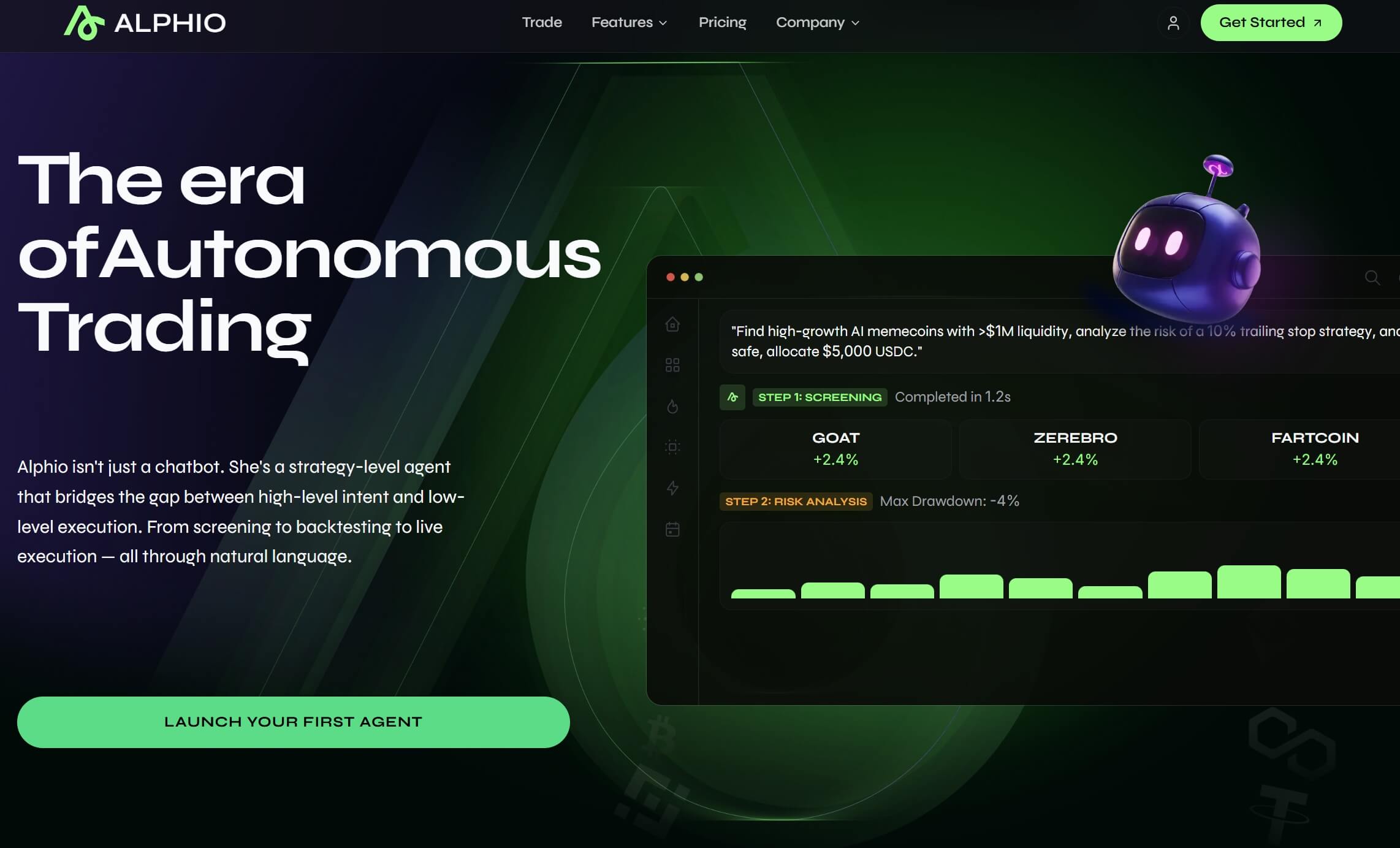
For investors seeking exposure to AI infrastructure through automated trading strategies, consider using Alphio AI's copy trading feature to mirror successful traders and smart money wallets that specialize in technology sector investments.
AMD's Competitive Position
Advanced Micro Devices has emerged as a credible challenger to NVIDIA's AI accelerator dominance, leveraging its acquisition of Xilinx to enhance its data center product portfolio. The company's MI350X and upcoming MI400 series chips offer competitive performance metrics while providing an alternative supply source for customers concerned about NVIDIA's market concentration.
AMD's strategy focuses on providing better price-performance ratios and more favorable licensing terms compared to NVIDIA's CUDA ecosystem. While the company remains a distant second in overall AI accelerator market share, its recent design wins with major cloud providers suggest meaningful progress in establishing sustainable competitive positions. The acquisition of ZT Systems further strengthens AMD's ability to offer complete AI infrastructure solutions rather than just individual components.
Data Center Real Estate Investment Trusts
The physical infrastructure supporting AI workloads represents another compelling investment opportunity. Specialized data center REITs are experiencing unprecedented demand growth as cloud providers and enterprises race to secure capacity for AI applications. These facilities require significantly more power density than traditional data centers, with AI training clusters consuming 50-100 kilowatts per rack compared to 5-10 kilowatts for conventional workloads.
Leading data center REITs including Equinix, Digital Realty Trust, and American Tower are investing heavily in expanding their AI-capable footprint. This expansion requires substantial capital investment in power infrastructure, cooling systems, and specialized building designs that can accommodate the unique requirements of AI workloads. The result is a supply-constrained market where quality data center capacity commands premium pricing and long-term lease commitments.
Investors should note that data center REITs offer exposure to AI infrastructure growth with potentially lower volatility than semiconductor stocks. These companies generate stable rental income from long-term leases while benefiting from the secular growth in AI computing demand. However, the sector faces risks from rising interest rates, which increase capital costs for expansion projects and can compress valuation multiples relative to other growth investments.
Networking and Connectivity Infrastructure
The networking layer of AI infrastructure represents a frequently overlooked but critically important investment opportunity. Training large AI models requires high-bandwidth, low-latency communication between thousands of processors, creating demand for specialized networking equipment that far exceeds traditional data center requirements.
Companies like Arista Networks, Cisco Systems, and Marvell Technology are major beneficiaries of AI infrastructure spending as cloud providers upgrade their networking capabilities to support distributed AI training clusters. The shift from CPU-based to GPU-based computing fundamentally changes network traffic patterns, requiring new architectures and equipment designs that favor suppliers with advanced technological capabilities.
The optical networking segment deserves particular attention, as AI clusters require massive fiber optic connectivity both within and between data centers. Companies specializing in optical transceivers and related components are experiencing demand growth that significantly outpaces the broader networking equipment market. This trend is likely to accelerate as AI models grow larger and training processes become more distributed across geographic regions.
Investment Strategies for August 2026
Diversification Across the AI Infrastructure Stack
Rather than concentrating investments in individual companies, sophisticated investors are building diversified portfolios that capture value across the entire AI infrastructure ecosystem. This approach includes exposure to semiconductor manufacturers, networking equipment providers, data center operators, and power infrastructure companies that enable the AI revolution.
Such diversification helps mitigate company-specific risks while maintaining exposure to the secular growth trend in AI computing demand. Investors should consider the correlation between different infrastructure components and adjust position sizes accordingly to achieve appropriate risk-adjusted returns.
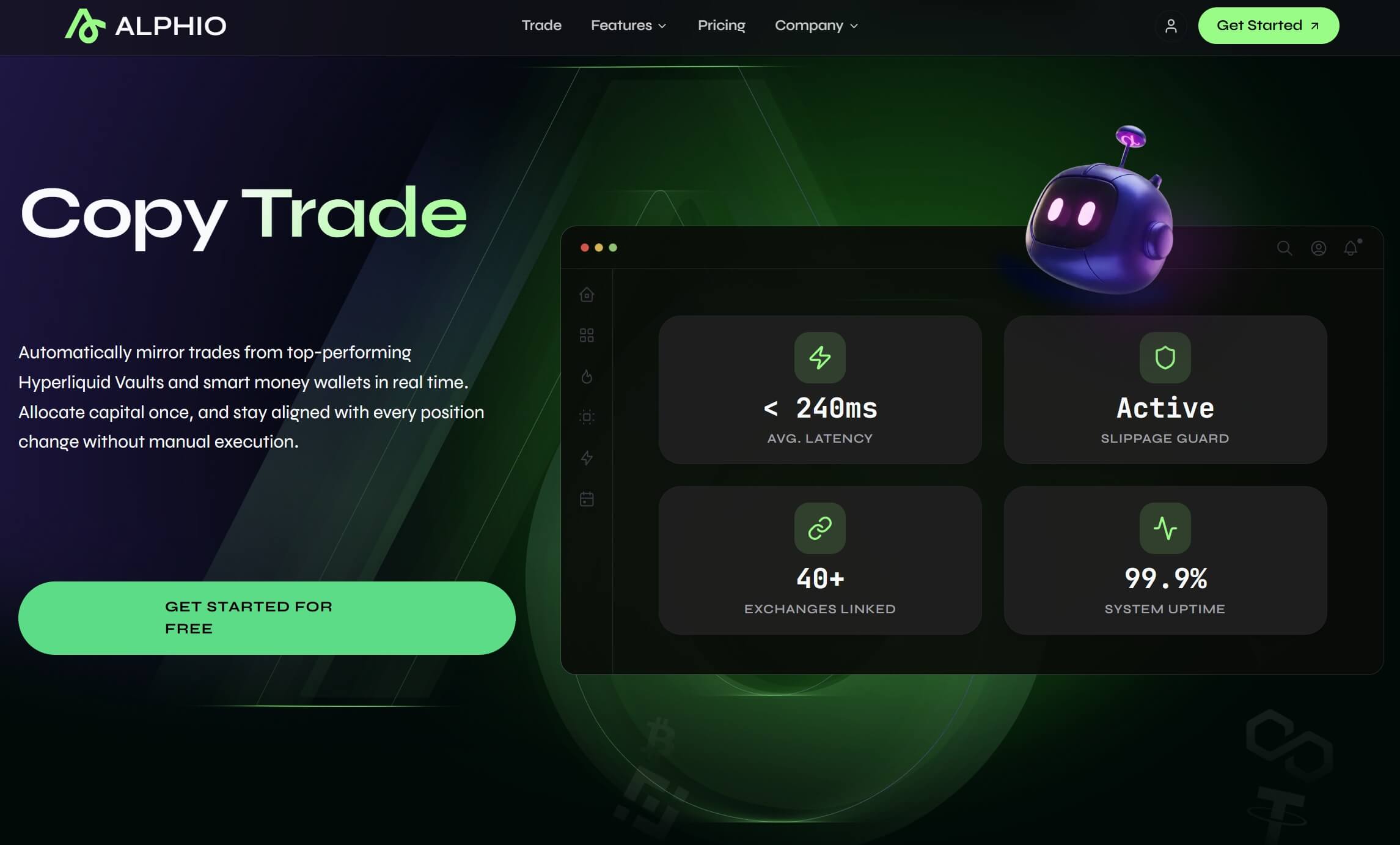
For those interested in automating their AI infrastructure investment strategy, Alphio AI's agentic trading feature can help automate portfolio management with AI-powered strategies tailored to technology sector opportunities.
Focus on Cash Flow and Profitability
The AI infrastructure investment landscape has evolved significantly from the speculative environment of 2023-2024. Today's market rewards companies with demonstrated profitability and strong cash flow generation rather than those with merely promising technology roadmaps. This shift reflects both higher interest rates and increasing investor sophistication regarding AI business models.
When evaluating AI infrastructure investments, focus on companies with visible paths to sustained profitability and strong balance sheets that can weather potential demand fluctuations. Avoid businesses with heavy cash burn rates and uncertain timelines to positive operating cash flow, as these face increasing pressure in the current market environment.
Risks and Considerations
Capacity Overhang Concerns
The most significant risk facing AI infrastructure investments is the potential for demand to fall short of the massive capacity currently under construction. Major cloud providers and enterprises have committed to unprecedented levels of AI infrastructure spending, raising questions about whether actual AI adoption will justify these investments. If AI application development fails to keep pace with infrastructure deployment, the sector could face significant overcapacity and pricing pressure.
Geopolitical and Regulatory Risks
AI infrastructure investments face substantial geopolitical risks, particularly regarding trade restrictions between the United States and China. Export controls on advanced semiconductors have already impacted revenue for companies like NVIDIA and AMD, and further restrictions could limit growth opportunities in significant markets. Additionally, potential regulation of AI technologies could affect demand for the infrastructure that enables advanced AI capabilities.
Valuation Sensitivity
Many AI infrastructure companies trade at premium valuations that assume continued rapid growth for the foreseeable future. These valuations are sensitive to changes in interest rates, as higher discount rates reduce the present value of expected future cash flows. Investors should be prepared for significant volatility in AI infrastructure stocks as market expectations adjust to changing macroeconomic conditions and competitive dynamics.
Conclusion
AI infrastructure represents one of the most compelling investment themes for August 2026, supported by sustained capital expenditure commitments from major technology companies and growing enterprise adoption of AI applications. The sector offers multiple entry points across semiconductors, networking equipment, and data center real estate, each with distinct risk-return characteristics.
Successful investing in AI infrastructure requires careful analysis of competitive positions, financial strength, and valuation metrics. While the secular growth trend in AI computing demand appears durable, individual company outcomes will vary significantly based on execution, technological differentiation, and ability to navigate an increasingly competitive environment.
Investors should consider building diversified exposure to the AI infrastructure theme while maintaining discipline regarding valuation and capital allocation. The market has become more discerning about AI investments, rewarding companies with tangible business results while punishing those with merely speculative narratives.
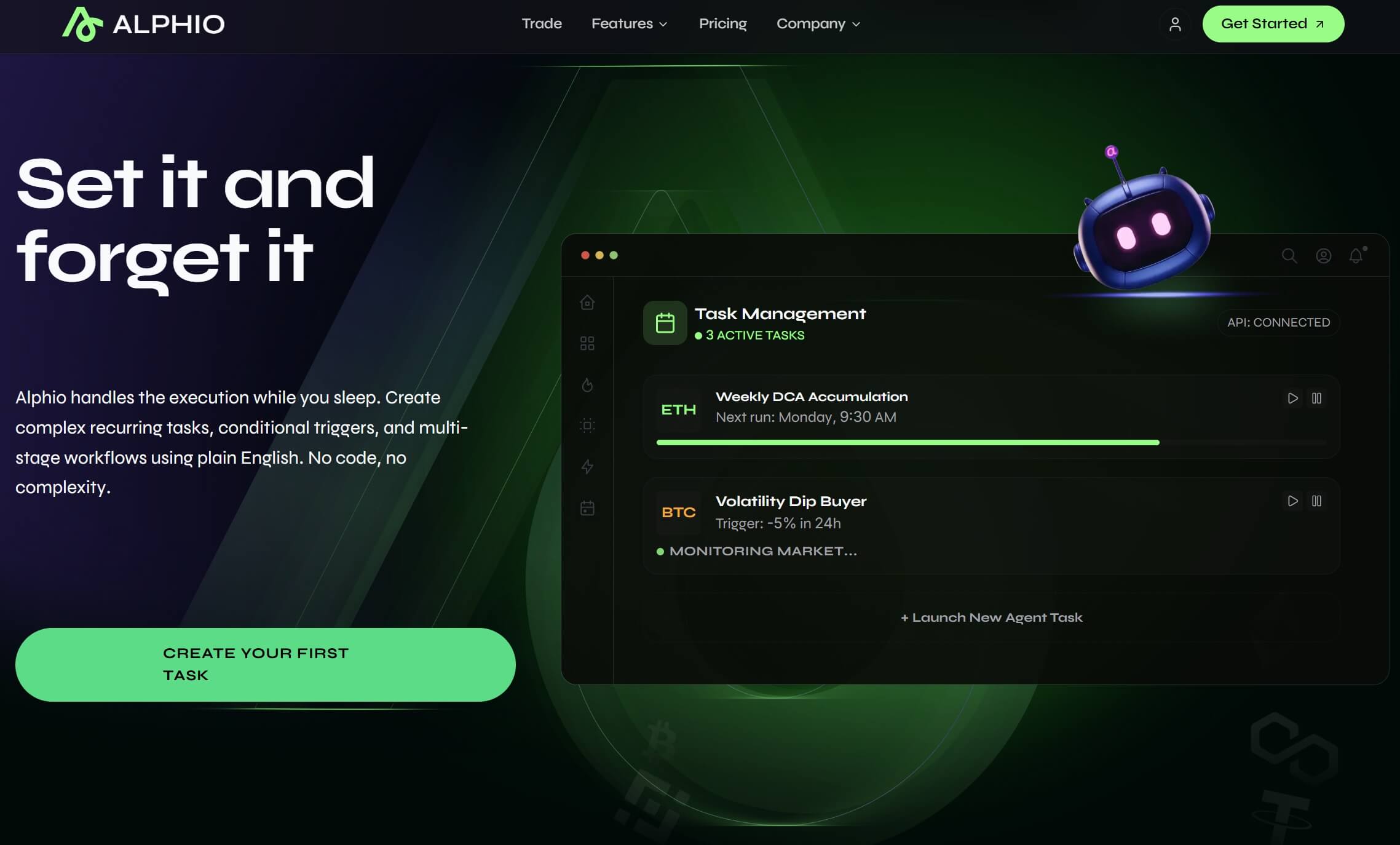
Ready to capitalize on AI infrastructure investment opportunities? Explore Alphio AI's automation features to set up conditional trading workflows that help you stay ahead of market movements in the rapidly evolving AI sector.
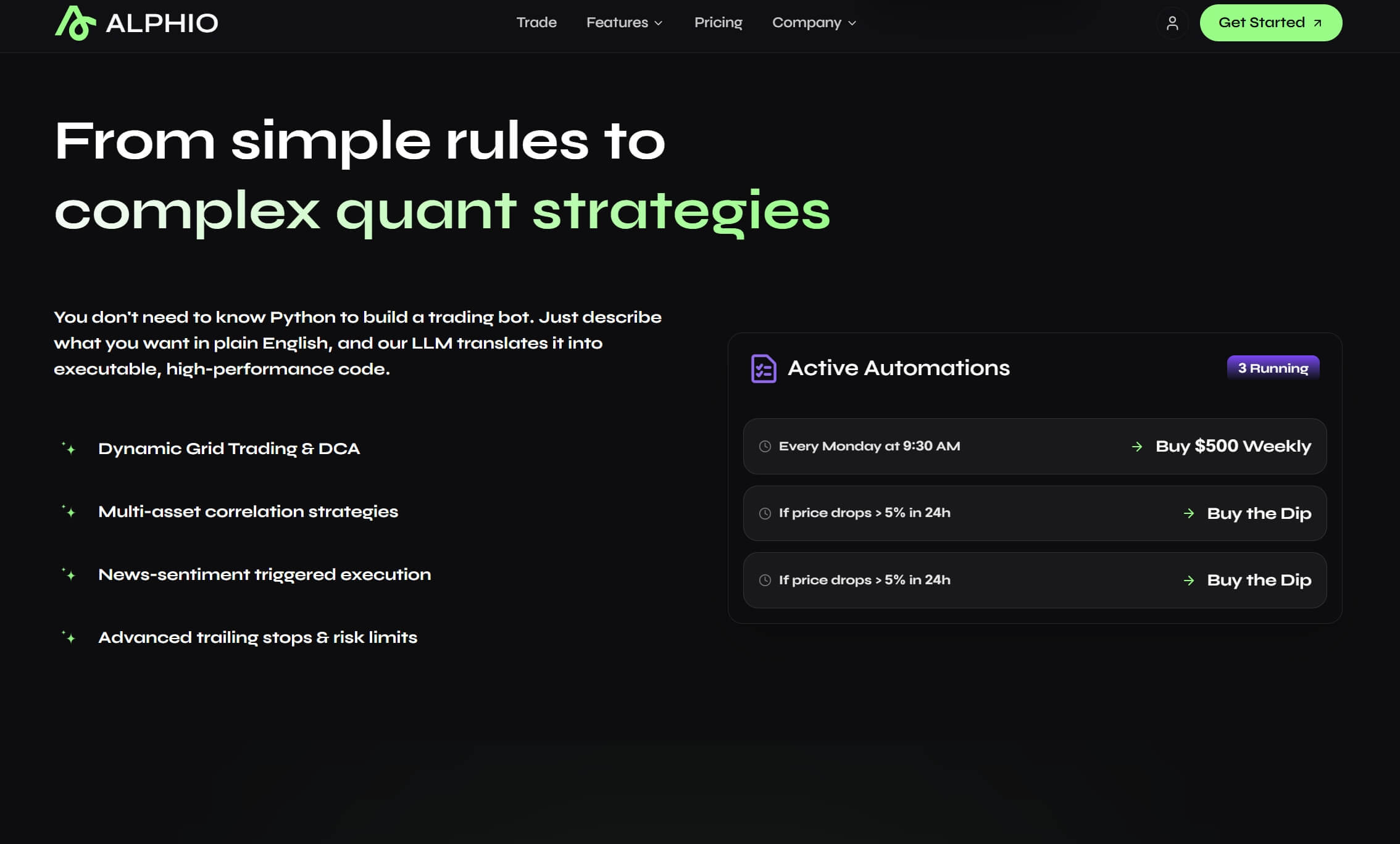
Alternatively, start trading directly through Alphio's conversational trading interface and execute trades via chat with intelligent assistance.
FAQs
What are the best AI infrastructure stocks to invest in for August 2026?
Top AI infrastructure stocks include NVIDIA (NVDA) for AI accelerators, AMD (AMD) for competitive GPU alternatives, Arista Networks (ANET) for networking equipment, and data center REITs like Digital Realty Trust (DLR) for physical infrastructure exposure. The best choices depend on your risk tolerance and desire for growth versus income.
How do data center REITs benefit from AI infrastructure growth?
Data center REITs benefit from unprecedented demand for AI-capable facilities that require significantly higher power density than traditional data centers. This supply-constrained market allows quality operators to command premium pricing and long-term lease commitments from major cloud providers and enterprises.
What risks should investors consider when investing in AI infrastructure?
Key risks include potential overcapacity if AI demand fails to match infrastructure investments, geopolitical trade restrictions affecting semiconductor companies, high valuation sensitivity to interest rate changes, and increasing competition that could compress margins for incumbent players.
Is NVIDIA still a good investment despite increased competition?
NVIDIA maintains strong competitive advantages through its CUDA software ecosystem and technological leadership in AI accelerators. However, investors should monitor market share trends and margin pressures as AMD and custom silicon initiatives from cloud providers gain traction in specific market segments.
How can I automate my AI infrastructure investment strategy?
Platforms like Alphio AI offer features including copy trading to mirror successful technology investors, agentic trading for automated portfolio management, and scheduled automations for conditional trading workflows. These tools can help investors stay disciplined and responsive to market movements.
Related articles
- How to Rebalance a Concentrated Stock Portfolio in 2026: Mag7 Drift, Tax-Aware Trims, and Practical Rebalance a concentrated stock portfolio in 2026: Mag7 drift risk, 5pp bands, tax-aware trims, RSP/IWM diversifiers, and single-name caps.
- Small Cap Stocks Investing Guide 2026: Russell 2000, Fed Hikes, and the Financing TradeSmall-cap stocks investing guide 2026: Russell 2000 vs S&P, IWM rate sensitivity, floating-rate debt, Fed hikes, valuation discounts, and a practical checklist.
- Santa Claus Rally and the Year-End Stock Market: Investor Guide for Late 2026Santa Claus rally explained: 7-day window stats since 1950, Nov–Dec seasonality, post-midterm 2026 setup, and a risk-managed year-end investing playbook.
- Gold Price Forecast October 2026: Rebound Signal or Deeper Correction?Gold prices hover near $4,130 in October 2026, down 25% from January highs. Explore key drivers, Fed policy impact, and analyst price targets for Q4.
- Brent Crude Oil Hits $112: Energy Stocks to Watch as Middle East Tensions EscalateBrent crude surged to $112 as Middle East tensions escalate. Discover top energy stocks like CVX and XOM poised to benefit from the oil price rally.
- NVIDIA Stock Analysis September 2026: Why AI Demand Keeps Breaking RecordsComprehensive NVIDIA stock analysis for September 2026. Explore how AI data center demand, Blackwell chip sales, and 70% revenue growth forecasts are driving NVDA's investment outlook.