
強
強気
強気 · 25%COP
$95.23
シナリオ価格
$146.510
+4.937 (+3.37%)終値時点
ConocoPhillips is an exploration and production company. The Companies segments include Alaska; Lower 48 (L48); Canada; Europe, Middle East and North Africa (EMENA); and Asia Pacific (AP). Its Alaska segment primarily explores for, produces, transports and markets crude oil, natural gas and natural gas liquids (NGLs). The Lower 48 segment consists of operations located in the 48 contiguous states in the United States. Canadian operations consist of the Surmont oil sands development in Alberta, the liquids-rich Montney unconventional play in British Columbia and commercial operations. The Europe, Middle East and North Africa segment consists of operations principally located in the Norwegian sector of the North Sea, the Norwegian Sea, Qatar, Libya, Equatorial Guinea and commercial and terminalling operations in the United Kingdom. Asia Pacific segment has exploration and production operations in China, Malaysia, Australia and commercial operations in China, Singapore and Japan.
ConocoPhillips appears to be a good buy right now due to its strong recent performance and positive market sentiment. The current price is $146.51, which is significantly below the highest analyst price target of $174 from Jefferies, indicating a potential upside of 18.7%. Additionally, the stock has shown a remarkable year-to-date change of +51.51%, reflecting strong investor interest. However, the risk of insider selling has increased by 104.22% over the last month, which could signal caution for potential investors.
Truist
$136
2026-10-07
Truist
2026-10-07
目標株価
$136
Jefferies
$174
2026-10-06
Jefferies
2026-10-06
目標株価
$174
UBS
$169
2026-09-14
UBS
2026-09-14
目標株価
$169
Stifel
$148
2026-09-09
Stifel
2026-09-09
目標株価
$148
Seaport Research
—
2026-09-02
Seaport Research
2026-09-02
目標株価
—
シナリオ価格は本年の最終月次予想レンジです。確率はモデルの固定ウェイト(25 / 50 / 25)であり、保証ではありません。
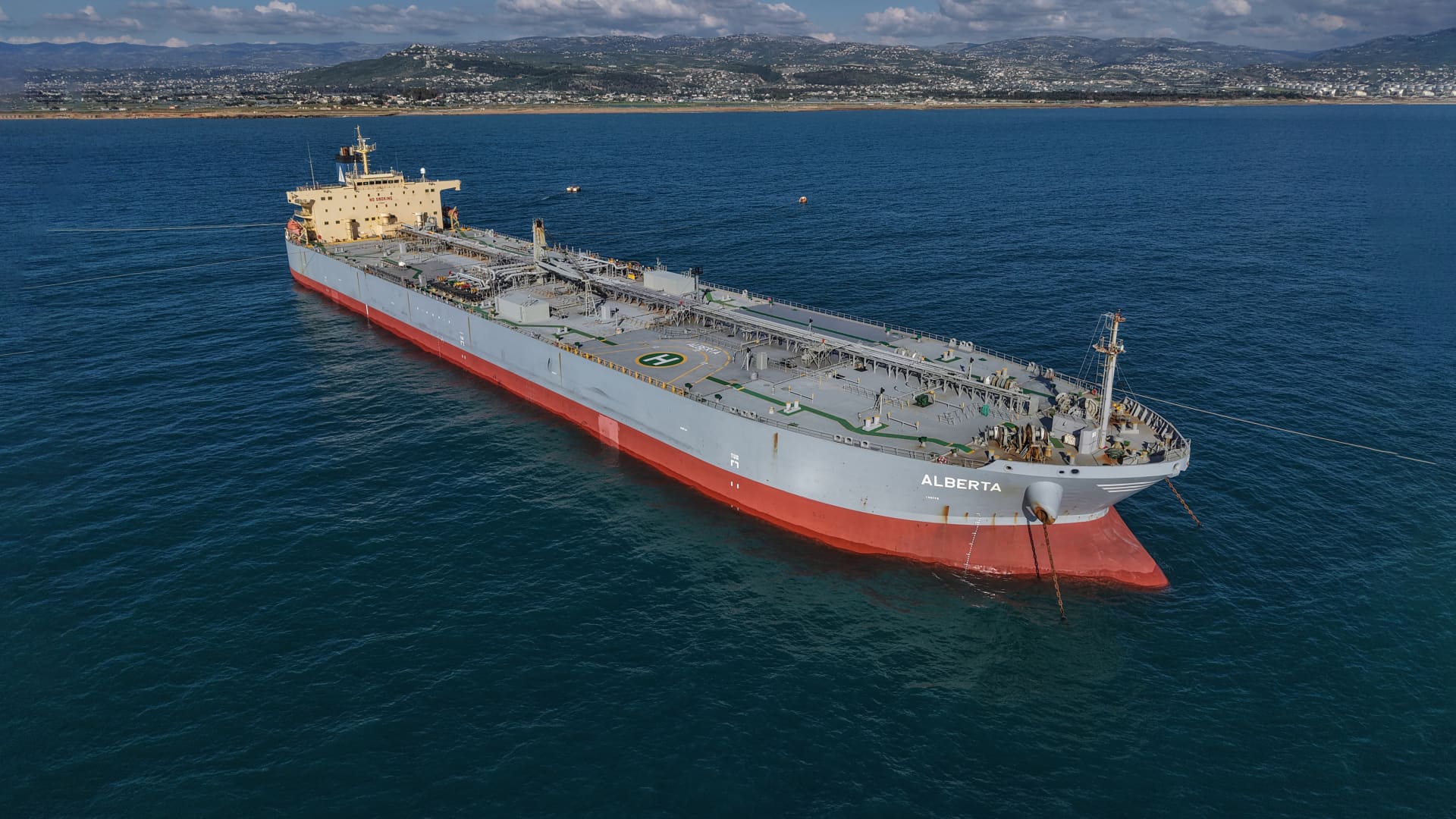
Surging Oil Prices and Soaring Shipping Costs
US Stock Market Trends and Key Data Releases

ConocoPhillips Receives $7 Billion Asset Acquisition Offer
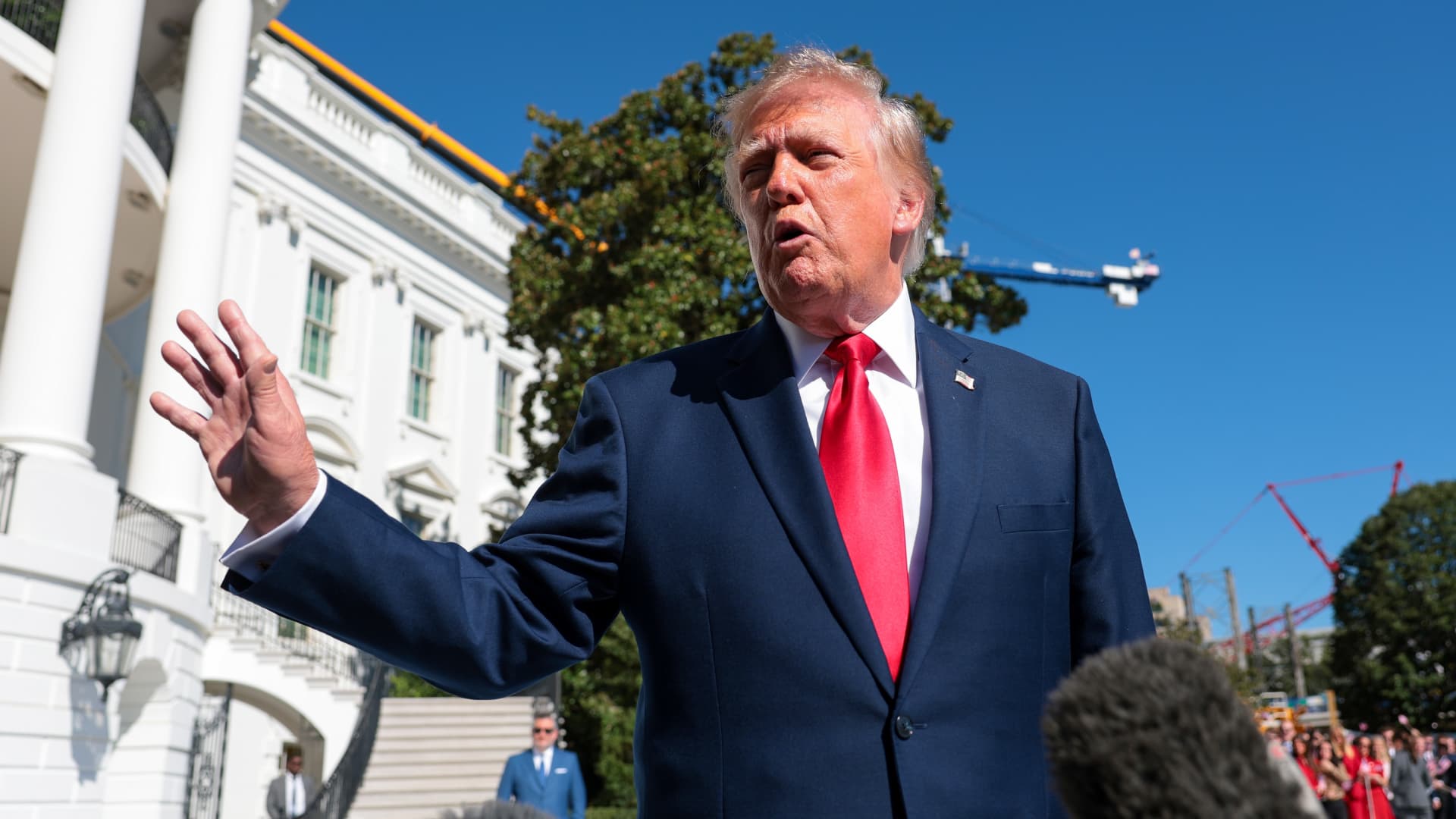
Trump Promises No Attack on Iran Before Elections

Trump's August Financial Disclosure: Major Investments in Meta and SpaceX
ConocoPhillips is an exploration and production company. The Companies segments include Alaska; Lower 48 (L48); Canada; Europe, Middle East and North Africa (EMENA); and Asia Pacific (AP). Its Alaska segment primarily explores for, produces, transports and markets crude oil, natural gas and natural gas liquids (NGLs). The Lower 48 segment consists of operations located in the 48 contiguous states in the United States. Canadian operations consist of the Surmont oil sands development in Alberta, the liquids-rich Montney unconventional play in British Columbia and commercial operations. The Europe, Middle East and North Africa segment consists of operations principally located in the Norwegian sector of the North Sea, the Norwegian Sea, Qatar, Libya, Equatorial Guinea and commercial and terminalling operations in the United Kingdom. Asia Pacific segment has exploration and production operations in China, Malaysia, Australia and commercial operations in China, Singapore and Japan. It operates in the Energy sector (PETROLEUM REFINING industry).
ConocoPhillips appears to be a good buy right now due to its strong recent performance and positive market sentiment. The current price is $146.51, which is significantly below the highest analyst price target of $174 from Jefferies, indicating a potential upside of 18.7%. Additionally, the stock has shown a remarkable year-to-date change of +51.51%, reflecting strong investor interest. However, the risk of insider selling has increased by 104.22% over the last month, which could signal caution for potential investors.
21 analysts cover COP: 15 rate it Buy, 6 Hold and 0 Sell. The average price target is 115.67.

🛢️ ExxonMobil, Citgo and P2P: What the Market Is Really Watching Economist José Toro Hardy has once again highlighted an uncomfortable point: when the crude oil market tightens, attention turns to the Caribbean — a country with no history of war, enormous proven reserves, and a production ceiling it has not touched in a decade. The interest is real, and exploration activity is real, but the contracts signed so far are not enough to support the production jump everyone is expecting. His conclusion: without strong financial backing, you cannot drill. The name he keeps mentioning is ExxonMobil — not out of preference, but because it has ample cash strength: the company can easily write checks worth billions of dollars. He says the debate is not just about oil, but about foreign exchange flows. Another chapter is ConocoPhillips: it won an international lawsuit against Venezuela and hopes to be compensated through shares in Citgo Petroleum, a U.S.-based refining company. Toro Hardy proposed a chess-like plan: invite them back to Cerro Negro, return the relevant blocks, or even double them, but with two conditions — they must invest and withdraw the lawsuit against Citgo. In practice, this would run into a maze of legal, political and sanctions issues. But if this knot can be untied, the scale of capital flowing into the country would be something not seen at present, bringing fresh foreign exchange that does not depend on the monthly trickle of oil revenue. 💵 What does this mean for the dollar and P2P? The parallel exchange rate does not react to statements; it reacts to actual foreign exchange supply and demand. When more external funds flow in through formal channels, exchange rate pressure eases; when capital flows dry up, the parallel rate surges and the gap with the BCV rate widens. The arrival of large-scale oil investment will not be immediate — contracts, drilling, production, exports: it takes years, not weeks — but expectations do matter: before the first barrel is extracted, foreign exchange traders are already pricing expectations in. 📊 USDT is the thermometer of the parallel market: when uncertainty rises, stablecoin demand rises; when there are more signals of dollar inflows into the country, the spread between the P2P rate and the official dollar rate tends to narrow. There is also a less-mentioned effect: the arrival of foreign companies brings suppliers, contractors, technicians and employees paid in dollars — many of these payments will ultimately be made through crypto for speed and lower cost. Oil investment will also bring enterprise-level USDT demand. 🏦 No serious oil company will enter a country lacking a financial system capable of transferring funds in a traceable way. Digital banks must demonstrate their correspondent banking relationships, compliance capabilities and international standards. Here, the crypto ecosystem no longer serves only as an informal safe haven, but as infrastructure: collection, settlement, exchange, and delivery within minutes. 🔭 Three signals PitbullChain is watching: (1) contracts signed with strong operators, not just announcements; (2) how the gap between the BCV rate and the parallel rate changes in the weeks after any positive news; (3) whether the rise in USDT demand on P2P is due to seasonal factors or an actual structural change. For now, the whole drama is still at the script stage. Until the hardest questions are resolved — how to build and sustain trust over the long term — Venezuelans will keep doing what they do best: protecting themselves with digital dollars and watching the market minute by minute. 👉 Read the full analysis: #Petróleo #USDT #P2P #Venezuela
もっと見る
本ページは調査目的であり、投資助言ではありません。モデルは誤ることがあります。過去の実績は将来の成果を保証しません。