

SpaceX Private Valuation Soars: Inside the $1 Trillion Space Economy Ambition
SpaceX's debut earnings reveal massive potential. Explore the private space market valuation, investment opportunities, and industry trends reshaping aerospace.


Key Takeaway
SpaceX has achieved what many thought impossible in the aerospace industry—sustained profitability while pursuing ambitious interplanetary goals. With the company's recent debut earnings report revealing operational excellence and Elon Musk's bold proclamation of reaching $1 trillion in annual revenue, investors are scrambling to understand the valuation dynamics of the most valuable private company in history. The commercial space industry is experiencing unprecedented expansion, driven by satellite internet constellations, government contracts, and emerging space tourism markets. For investors seeking exposure to this transformative sector, understanding SpaceX's business model and the broader space economy has become essential as traditional aerospace giants struggle to compete with the company's rapid innovation cycles and cost leadership.
The implications extend far beyond SpaceX itself. The entire space industry supply chain—from satellite manufacturers to ground station operators—is experiencing a renaissance as launch costs plummet and new applications emerge. Morgan Stanley projects the global space economy could exceed $1 trillion by 2040, with satellite broadband representing the largest near-term opportunity. SpaceX's Starlink subsidiary alone has already surpassed 4 million subscribers and is generating billions in annual revenue, demonstrating that space-based services can achieve commercial viability at scale.
The SpaceX Earnings Revelation
SpaceX's first formal earnings disclosure marked a watershed moment for private market transparency in the aerospace sector. The company reported significant revenue growth driven primarily by its Starlink satellite internet service and an expanding backlog of government and commercial launch contracts. This financial validation addresses long-standing skepticism about whether the capital-intensive space industry could produce sustainable profits, fundamentally altering investor perceptions of space-related ventures.
The earnings report revealed that SpaceX has achieved positive free cash flow, a remarkable feat for a company simultaneously developing next-generation launch vehicles and satellite constellations. Traditional aerospace companies typically require decades to reach profitability, often relying on cost-plus government contracts that limit upside potential. SpaceX's commercial-first approach, combined with vertical integration and rapid iteration cycles, has created a fundamentally different economic model that competitors are struggling to replicate.
Elon Musk's announcement of a $1 trillion revenue target initially struck many observers as hyperbolic, but closer examination reveals a strategic roadmap grounded in multiple high-growth markets. Starlink's addressable market encompasses the billions of people worldwide lacking reliable internet access, while the Starship vehicle promises to revolutionize both orbital launch economics and future point-to-point Earth transportation. When combined with emerging opportunities in space manufacturing, lunar resource extraction, and Mars colonization infrastructure, the ambitious target becomes more comprehensible as a long-term trajectory rather than immediate expectation.
Starlink: The Revenue Engine
Starlink has emerged as SpaceX's most significant value driver, transforming from experimental technology to operational telecommunications infrastructure serving millions of customers globally. The constellation now comprises thousands of satellites in low Earth orbit, providing broadband connectivity to previously underserved rural regions, maritime vessels, and aircraft. This rapid scaling demonstrates the viability of satellite mega-constellations as a business model, attracting billions in private investment to competing ventures.
The service's subscriber growth has accelerated dramatically, with SpaceX adding hundreds of thousands of new customers quarterly. Revenue per user remains attractive compared to traditional satellite internet providers, while network performance continues improving as the company deploys second-generation satellites with enhanced capabilities. Critically, Starlink has achieved positive contribution margins, suggesting the business can self-fund further constellation expansion without requiring additional external capital.
Government and enterprise contracts represent an increasingly important revenue stream for Starlink. The U.S. military has invested heavily in the Starshield variant designed for national security applications, while commercial airlines and shipping companies are adopting the service for in-flight and maritime connectivity. These high-value contracts provide predictable, recurring revenue that enhances valuation metrics and demonstrates the platform's versatility across market segments.
Competitive dynamics in satellite broadband are intensifying as Amazon's Project Kuiper, OneWeb, and other constellations advance toward operational status. However, SpaceX maintains significant first-mover advantages including regulatory approvals, manufacturing scale, and proven operational experience. The company's ability to launch its own satellites at marginal cost creates structural advantages that competitors relying on third-party launch providers cannot easily replicate.
Starship and the Next Generation
Starship represents SpaceX's most ambitious technical achievement and potentially its most transformative commercial opportunity. The fully reusable super-heavy launch vehicle promises to reduce orbital delivery costs by orders of magnitude compared to existing systems, fundamentally altering the economics of space access. While development has encountered delays and regulatory challenges, successful test flights demonstrate steady progress toward operational capability.
The applications for a fully reusable heavy-lift vehicle extend far beyond traditional satellite deployment. NASA has selected Starship as the lunar lander for its Artemis program, representing a multi-billion dollar government contract with significant follow-on potential. Commercial space stations, large-scale scientific missions, and next-generation satellite constellations all become economically viable with dramatically reduced launch costs, expanding SpaceX's addressable market substantially.
Elon Musk's vision for Starship extends to point-to-point Earth transportation, promising intercontinental travel in under an hour. While this application faces substantial regulatory and practical challenges, the potential market rivals the entire commercial aviation industry if successfully implemented. Even partial achievement of this vision would create an entirely new transportation category with enormous revenue potential.
The competitive implications of successful Starship deployment are profound. Traditional launch providers including United Launch Alliance, Arianespace, and even emerging competitors like Blue Origin would face significant pricing pressure as SpaceX achieves cost structures they cannot match. This dynamic could accelerate industry consolidation while creating opportunities for companies developing complementary technologies and services enabled by cheaper space access.
Valuation Dynamics and Investment Access
SpaceX's private market valuation has reached approximately $350 billion, making it among the world's most valuable companies regardless of listing status. This valuation reflects not just current financial performance but expectations of continued growth across multiple high-potential markets. For investors, the lack of public trading creates challenges in accessing this value creation, though secondary market transactions and indirect exposure through related companies provide limited pathways.
The company's capital structure includes multiple share classes with varying rights and preferences, complicating straightforward valuation analysis. Early investors have seen extraordinary returns, with each funding round attracting demand from institutional investors seeking exposure to the space economy's growth story. Recent secondary transactions have occurred at valuations that imply significant further appreciation potential, assuming the company achieves its operational and financial milestones.
Indirect investment opportunities include publicly traded companies in the SpaceX supply chain, space-focused ETFs, and competitors with public listings. Companies providing specialized components, materials, or services to SpaceX have experienced valuation premiums reflecting their association with the sector's growth leader. However, these indirect exposures capture only a fraction of SpaceX's value creation and carry risks specific to their individual business models.
The question of an eventual initial public offering remains speculative, with Musk suggesting no immediate plans while the company focuses on Starship development and Mars mission preparation. When an IPO does occur, it would likely represent one of the largest public offerings in history, providing unprecedented access to space economy investment for retail and institutional investors alike.
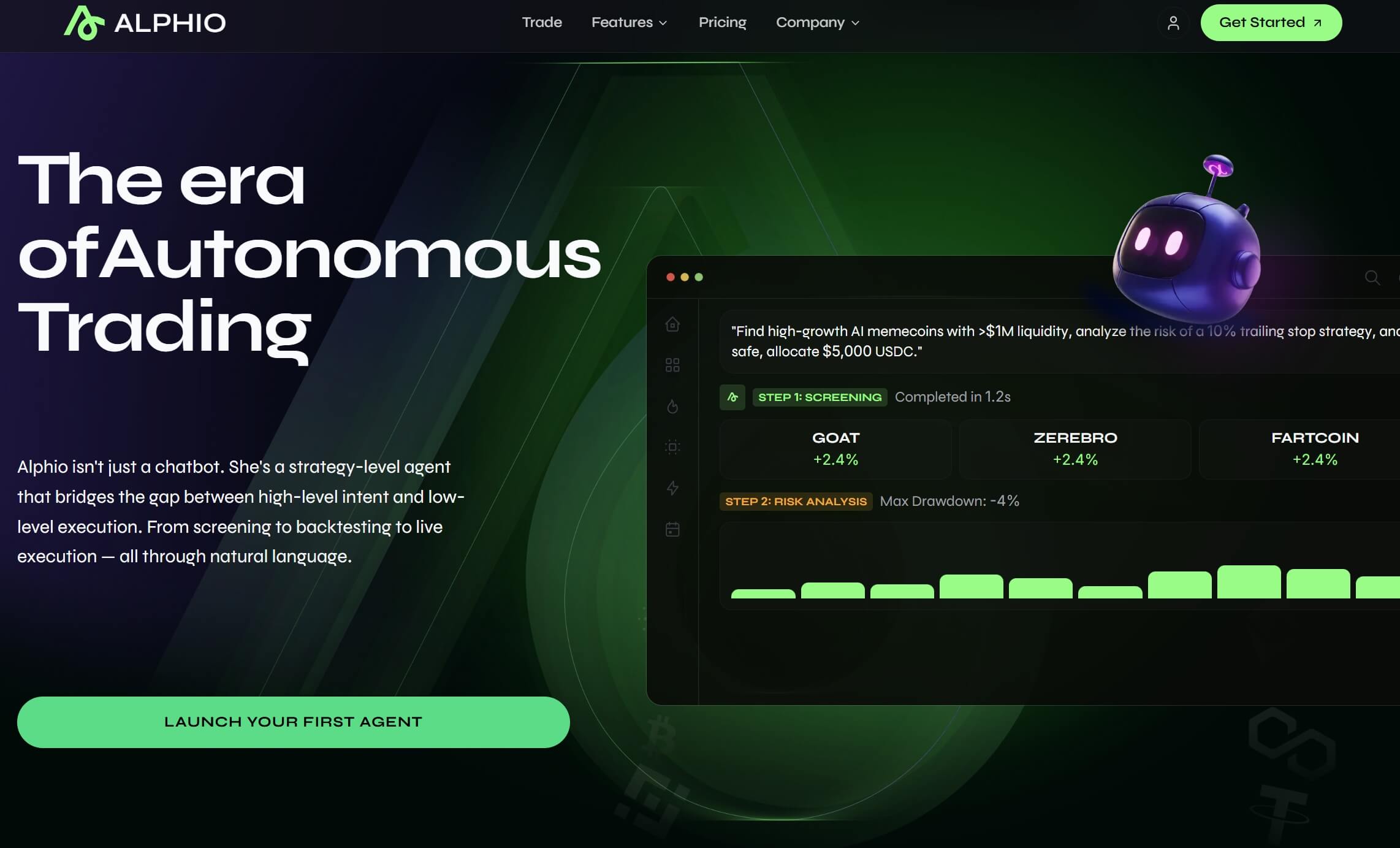
For investors seeking to automate their exposure to emerging technology and space-related opportunities, consider using Alphio AI's copy trading feature to mirror successful traders focusing on high-growth sectors.
The Broader Space Economy
SpaceX's success has catalyzed broader investment and innovation across the space industry ecosystem. Venture capital funding for space startups reached record levels in recent years, with companies developing satellite services, in-space manufacturing, asteroid mining technologies, and space tourism platforms attracting significant capital. This entrepreneurial activity suggests SpaceX has demonstrated viable pathways to profitability that other ventures can adapt and pursue.
Traditional aerospace contractors are responding to SpaceX's challenge through strategic acquisitions, internal reorganizations, and partnerships with emerging competitors. Boeing, Lockheed Martin, and Northrop Grumman have all announced initiatives to reduce costs and accelerate development timelines, though cultural and structural challenges persist. The industry-wide shift toward reusable systems, rapid prototyping, and commercial business models represents lasting changes in how space activities are conceived and executed.
Government policy has evolved to support rather than inhibit private space sector growth. Regulatory frameworks for launch licensing, spectrum allocation, and orbital debris management continue adapting to accommodate new technologies and business models. International competition, particularly with China's expanding space capabilities, has motivated U.S. policymakers to foster domestic commercial space leadership through favorable policies and government contract opportunities.
Emerging applications including space-based solar power, pharmaceutical manufacturing in microgravity, and lunar resource extraction represent potential trillion-dollar markets that could materialize within coming decades. SpaceX's infrastructure investments in launch capabilities and orbital platforms position the company to capture significant value from these applications as they develop, creating optionality that supports premium valuations.
Competitive Landscape Analysis
While SpaceX dominates current commercial launch markets, competition is intensifying across multiple dimensions. Blue Origin, founded by Jeff Bezos with comparable long-term ambitions, is developing the New Glenn rocket and has secured significant government contracts. The company benefits from substantial financial backing and has demonstrated reusable rocket technology, though operational deployment lags SpaceX by several years.
Emerging launch providers including Rocket Lab, Relativity Space, and Firefly Aerospace have raised substantial capital to develop specialized capabilities targeting specific market segments. Rocket Lab's focus on small satellites and responsiveness has created a viable niche business, while Relativity's additive manufacturing approach promises cost advantages and rapid production scaling. These companies face challenging unit economics but could achieve sustainable businesses serving customers whose needs SpaceX's larger vehicles cannot efficiently address.
International competition presents both market threats and partnership opportunities. Chinese launch providers benefit from state support and growing domestic demand, though export restrictions limit their global market access. European and Indian launch capabilities continue evolving, with Ariane 6 and ISRO's commercial arm pursuing market share through reliability and government relationships rather than cost competition.
The satellite services market shows similar competitive dynamics, with Amazon's Project Kuiper representing the most credible threat to Starlink's dominance. Eutelsat's acquisition of OneWeb creates a combined entity with significant existing infrastructure and regulatory approvals. Success in this market ultimately depends on capital efficiency, operational execution, and spectrum access—factors that favor established players with demonstrated capabilities.
Risk Factors and Considerations
Investors evaluating space economy opportunities must consider substantial risks alongside growth potential. The industry remains highly regulated, with launch licensing, export controls, and spectrum allocation subject to government decisions that can significantly impact business timelines and costs. SpaceX's ongoing disputes with regulatory agencies demonstrate how administrative processes can delay even well-funded, technically capable projects.
Technical risks persist despite impressive achievements to date. Spaceflight inherently involves destructive failure modes, and maintaining safety records while achieving ambitious cost reduction targets presents ongoing challenges. Starship's development in particular involves unprecedented scale and complexity that may encounter setbacks affecting timelines and financial projections.
Capital intensity remains a defining characteristic of the space industry. While SpaceX has achieved profitability, continued growth requires substantial ongoing investment in constellation expansion, vehicle development, and infrastructure. Economic downturns or shifts in investor sentiment toward growth companies could constrain funding availability for SpaceX and competitors alike.
Market timing and valuation discipline are essential considerations given the sector's popularity among growth investors. Current valuations embed substantial optimism about future performance, and any disappointment regarding subscriber growth, contract wins, or technical milestones could trigger significant multiple compression. Investors should assess whether entry prices adequately compensate for these risks.
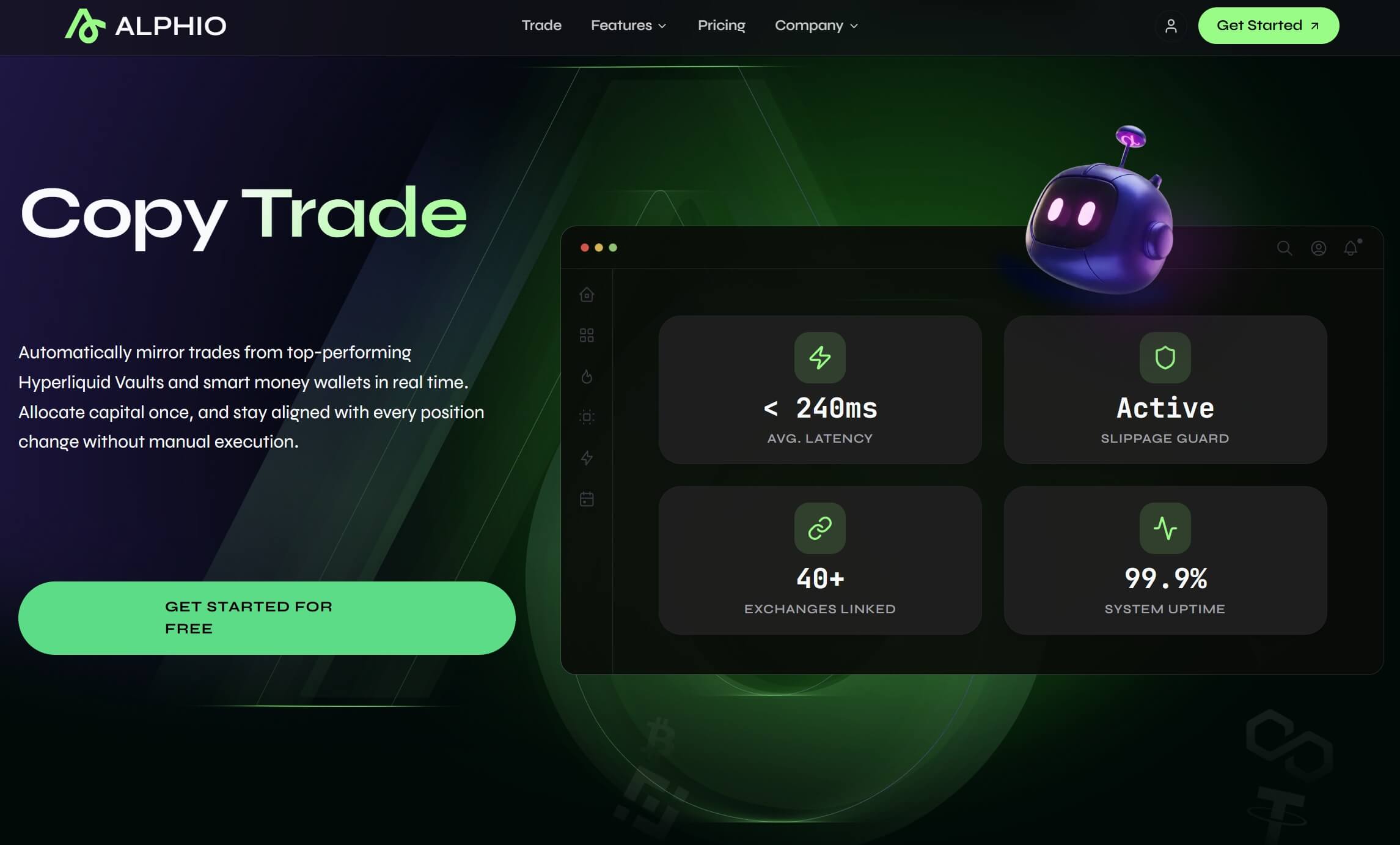
For sophisticated investors looking to automate portfolio management across volatile growth sectors, explore Alphio AI's agentic trading capabilities to implement systematic strategies.
Conclusion
SpaceX's journey from startup to the world's most valuable private company represents a fundamental transformation of the aerospace industry and a validation of commercial space activities as viable investment opportunities. The company's recent earnings disclosure confirms that sustainable profitability is achievable even while pursuing ambitious technological goals, fundamentally altering investor perceptions of space-related ventures. With a $1 trillion revenue target that initially seemed aspirational now supported by multiple proven business lines, SpaceX continues to redefine what is possible in both orbital and terrestrial markets.
For investors, the space economy presents a compelling long-term growth story with exposure to transformative technologies and expanding addressable markets. While direct SpaceX investment remains limited to private market participants, the ecosystem of publicly traded suppliers, competitors, and adjacent service providers offers pathways to participate in this expansion. As Starship achieves operational status and Starlink continues scaling globally, the foundation for a trillion-dollar space economy becomes increasingly tangible.
The commercial space industry has transitioned from speculative frontier to established economic sector, with SpaceX leading the transformation. Investors who understand this evolution and position accordingly may benefit from one of the most significant economic expansions of the coming decades.
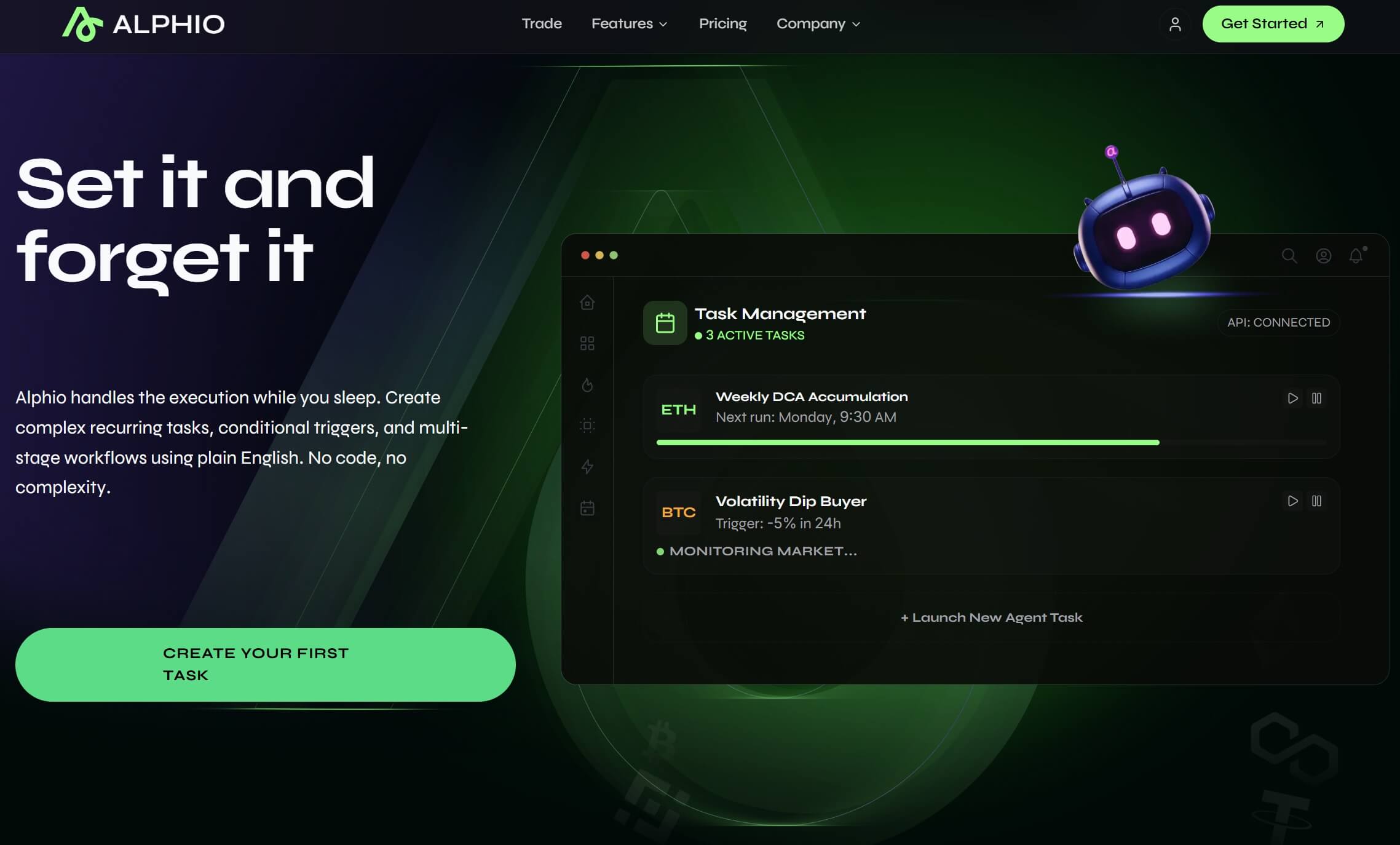
Ready to explore automated trading strategies for high-growth sectors like aerospace and technology? Try Alphio AI's automations to set conditional workflows that respond to market movements.
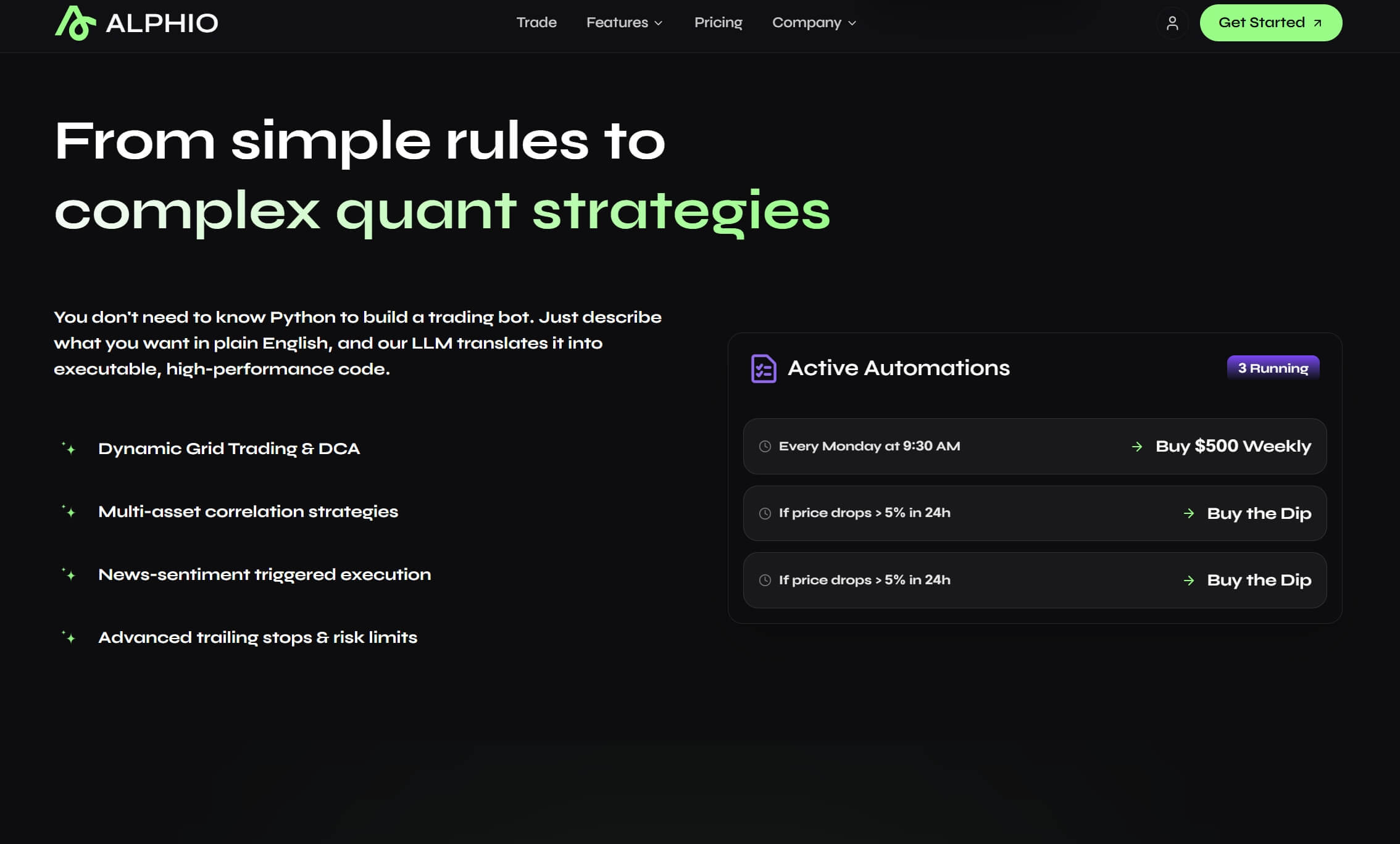
For conversational access to market insights and seamless trade execution, check out Alphio AI's conversational trading platform.
FAQs
What is SpaceX's current private market valuation?
SpaceX is currently valued at approximately $350 billion in private market transactions, making it the world's most valuable private company. This valuation reflects strong revenue growth from Starlink, expanding launch contracts, and expectations for future Starship commercialization.
How can retail investors gain exposure to SpaceX?
Since SpaceX remains private, retail investors cannot buy direct shares. However, exposure is possible through publicly traded suppliers like Momentus, space-focused ETFs such as ARKX or UFO, and indirect plays like Alphabet (which invested early in SpaceX) or satellite component manufacturers.
What are SpaceX's main revenue sources?
SpaceX generates revenue from three primary sources: Starlink satellite internet subscriptions and enterprise contracts, commercial and government launch services using Falcon 9 and Falcon Heavy rockets, and government contracts including NASA's Artemis lunar lander program and Starshield military applications.
When might SpaceX go public?
Elon Musk has indicated no immediate plans for an IPO, stating the company will likely remain private until Mars mission operations are established. This suggests a potential public offering could be years away, though some executives have suggested Starlink might be spun off separately at some point.
Who are SpaceX's main competitors?
Key competitors include Blue Origin (founded by Jeff Bezos), which is developing the New Glenn rocket; United Launch Alliance in government contracting; Rocket Lab in small satellite launches; and Amazon's Project Kuiper competing directly with Starlink in satellite broadband.
Related articles
- How to Rebalance a Concentrated Stock Portfolio in 2026: Mag7 Drift, Tax-Aware Trims, and Practical Rebalance a concentrated stock portfolio in 2026: Mag7 drift risk, 5pp bands, tax-aware trims, RSP/IWM diversifiers, and single-name caps.
- Small Cap Stocks Investing Guide 2026: Russell 2000, Fed Hikes, and the Financing TradeSmall-cap stocks investing guide 2026: Russell 2000 vs S&P, IWM rate sensitivity, floating-rate debt, Fed hikes, valuation discounts, and a practical checklist.
- Santa Claus Rally and the Year-End Stock Market: Investor Guide for Late 2026Santa Claus rally explained: 7-day window stats since 1950, Nov–Dec seasonality, post-midterm 2026 setup, and a risk-managed year-end investing playbook.
- Pivot Points Trading: A Complete Guide to Support and Resistance LevelsMaster pivot points trading with our comprehensive guide. Learn standard, Fibonacci, and Demark pivot calculations, trading strategies, and how to use support and resistance levels effectively.
- Stop Limit Orders: The Complete Guide to Advanced Order TypesMaster stop limit orders with our comprehensive guide. Learn how stop limit orders work, when to use them, and key strategies for risk management in trading.
- Federal Reserve Interest Rate Decision July 2026: Market Analysis & Investment OutlookComprehensive analysis of the Federal Reserve's July 2026 interest rate decision. Discover how Fed policy impacts stocks, bonds, and your investment strategy.