

Caterpillar Stock Analysis: CAT Faces Critical Earnings Test After AI Selloff Punishes Shares
Caterpillar stock lost 25% amid AI infrastructure selloff. Analysis of CAT earnings outlook, valuation metrics, and investment opportunities ahead of Q3 2026 results.

Key Takeaway
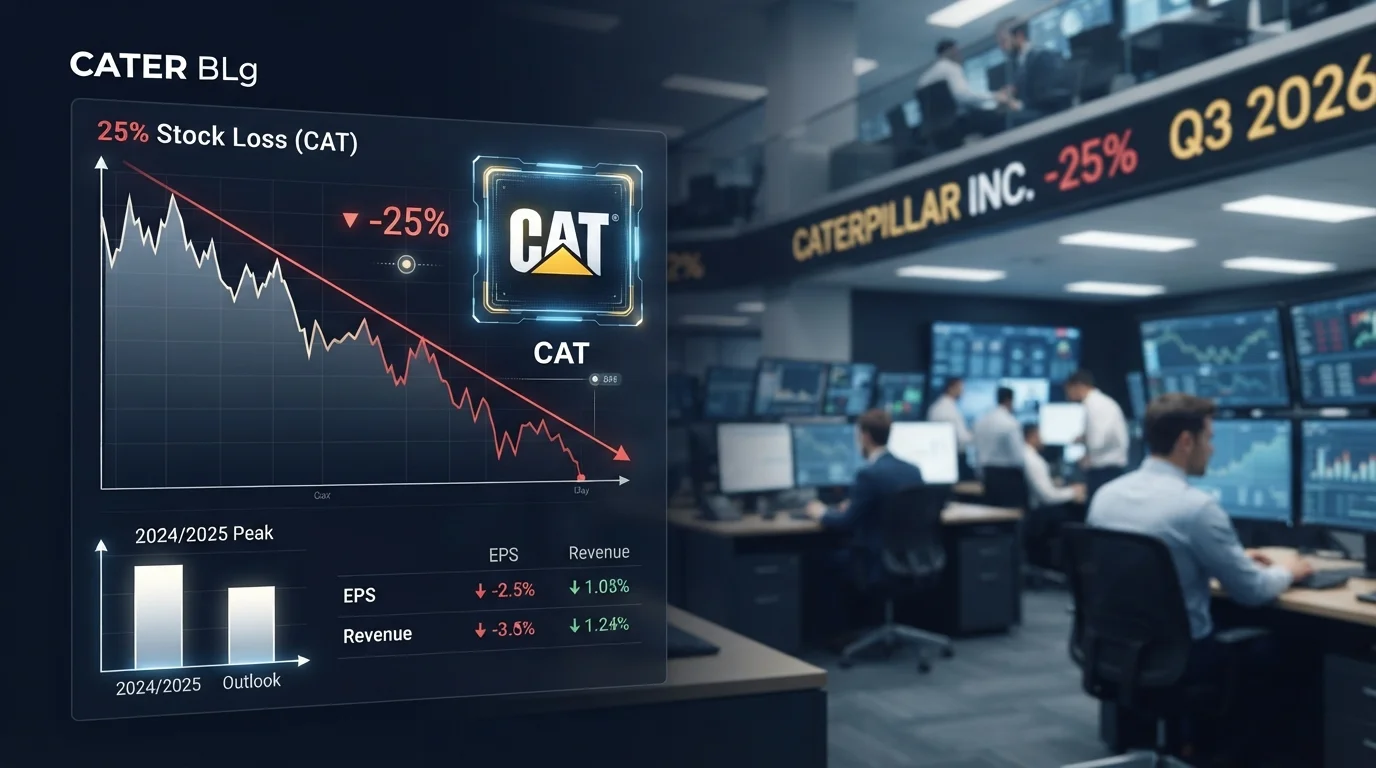
Caterpillar Inc. (NYSE: CAT) finds itself at a critical inflection point as it prepares to report quarterly earnings, with its stock having shed nearly a quarter of its value in recent weeks following a broader selloff in AI-related infrastructure plays. The market's sudden shift in sentiment has created both significant challenges and potential opportunities for investors willing to look beyond the near-term volatility.
The company's exposure to data center construction—a segment that has benefited enormously from the artificial intelligence boom—initially positioned Caterpillar as a beneficiary of the AI revolution. However, as concerns about overheating in AI infrastructure investments have mounted, CAT shares have become collateral damage in the sector-wide retreat. This presents a compelling test case for whether the market has overcorrected or if the valuation reset is justified by fundamentals.
For long-term investors, the upcoming earnings report represents more than just a quarterly update; it serves as a referendum on whether Caterpillar's strategic positioning in critical infrastructure markets can sustain premium valuations in a potentially more challenging economic environment. The stakes are high, not just for CAT shareholders, but for the broader industrial sector that has ridden the AI wave to unprecedented heights.
The AI Infrastructure Boom and Its Aftermath
The past eighteen months have witnessed an extraordinary surge in data center construction as technology giants race to build the computational infrastructure necessary to power large language models and generative AI applications. This unprecedented build-out has driven demand for construction equipment, heavy machinery, and specialized engineering services to levels that few analysts had anticipated just two years ago.
Caterpillar, as the world's premier manufacturer of construction and mining equipment, found itself in the enviable position of supplying the picks and shovels for this modern-day gold rush. The company's extensive product portfolio, ranging from earthmoving equipment to power generation systems, positioned it as a direct beneficiary of data center construction activity across North America, Europe, and Asia-Pacific markets.
However, the market's love affair with AI infrastructure plays has shown signs of strain in recent weeks. Questions about the sustainability of capital expenditures from hyperscale cloud providers, combined with broader concerns about economic growth and interest rate trajectories, have triggered a meaningful rotation away from stocks perceived as AI infrastructure proxies. Caterpillar, despite its diversified business model, has not been immune to this sentiment shift.
The velocity of the selloff has surprised many market participants, particularly given Caterpillar's strong fundamental position and historical track record of weathering economic cycles. The decline reflects not just concerns about near-term demand, but also a broader reassessment of how AI-related growth should be valued in an environment where capital is becoming more expensive and project approvals more scrutinized.
Earnings Expectations and Analyst Sentiment
As Caterpillar prepares to release its quarterly results, Wall Street analysts have begun recalibrating their expectations for both near-term performance and full-year guidance. The consensus view suggests that the company will report earnings that reflect the ongoing strength in infrastructure spending, though forward guidance has become increasingly uncertain amid shifting macroeconomic conditions.
Revenue expectations for the quarter center on continued growth in construction industries, particularly in North American markets where data center projects have remained robust. However, the pace of new project announcements has shown signs of moderation, raising questions about the sustainability of the current demand trajectory. Analysts are particularly focused on order backlog trends and management commentary regarding the pipeline of new opportunities.
The resource industries segment, which encompasses mining equipment sales, presents another critical variable for investors. Global commodity markets have exhibited volatility in recent months, with fluctuations in copper, iron ore, and other key inputs affecting capital expenditure decisions by major mining operators. Caterpillar's ability to maintain pricing power and margins in this environment will be closely scrutinized.
Energy and transportation, the third major business segment, faces its own set of dynamics as the global energy transition continues to evolve. While traditional oil and gas markets have provided steady demand, the growing focus on renewable energy infrastructure and electrification presents both opportunities and challenges for Caterpillar's product development and marketing strategies.
Management's commentary on the earnings call will likely prove more influential than the headline numbers themselves. Investors are eager to understand how Caterpillar views the current market turbulence, whether the company has seen any meaningful changes in customer behavior, and how it plans to navigate what could be a more challenging operating environment in the quarters ahead.
Valuation Analysis: Has the Market Overcorrected?
The sharp decline in Caterpillar's share price has fundamentally altered the stock's valuation profile, transforming it from a seemingly expensive industrial play into one that potentially offers compelling value for patient investors. The key question facing market participants is whether the selloff represents a rational repricing of growth expectations or an emotional overreaction that creates buying opportunities.
From a price-to-earnings perspective, Caterpillar now trades at a significant discount to its recent highs, with the forward multiple having compressed considerably as earnings estimates have remained relatively stable while the stock price has declined. This compression suggests that either earnings estimates are poised for downward revision or the market is pricing in a more pessimistic long-term outlook than fundamentals currently support.
The price-to-book ratio and enterprise value to EBITDA metrics tell a similar story of relative value creation through the share price decline. For value-oriented investors, these traditional valuation metrics are beginning to flash green, suggesting that Caterpillar may be approaching levels where the risk-reward profile becomes increasingly favorable.
However, valuation alone rarely drives near-term stock performance, particularly in an environment characterized by macroeconomic uncertainty and shifting investor sentiment. The industrial sector historically trades at lower multiples during periods of economic concern, and Caterpillar would not be immune to broader sector rotation should recession fears intensify.
For investors seeking to capitalize on potential dislocations in high-quality industrial names, Alphio AI's platform offers sophisticated screening tools to identify opportunities when market sentiment diverges from underlying fundamentals.

Competitive Positioning and Market Share Dynamics
Caterpillar's long-term investment thesis rests not merely on macroeconomic tailwinds but on the company's durable competitive advantages in the global heavy equipment market. Understanding these structural strengths is essential for investors attempting to assess whether the current share price decline represents a temporary setback or the beginning of a more fundamental reassessment.
The company's dealer network represents one of the most formidable competitive moats in the industrial sector, providing Caterpillar with distribution capabilities and customer relationships that competitors struggle to replicate. This extensive network not only drives equipment sales but generates substantial recurring revenue through parts and service operations, creating a more stable earnings profile than pure-play equipment manufacturers.
Research and development investments have enabled Caterpillar to maintain technological leadership across its core product categories, from autonomous mining solutions to electric and hybrid powertrains. As the industry evolves toward more sustainable and efficient equipment, Caterpillar's innovation capabilities position it to capture market share from less well-capitalized competitors.
The company's financial strength, characterized by an investment-grade balance sheet and consistent free cash flow generation, provides strategic flexibility that becomes particularly valuable during periods of market stress. Unlike more leveraged competitors, Caterpillar has the capacity to invest through downturns, pursue strategic acquisitions, and return capital to shareholders through dividends and share repurchases.
For traders looking to automate their strategies and mirror successful approaches in industrial stocks, Alphio AI's copy trading feature allows you to follow experienced traders and smart money wallets executing sophisticated sector rotation strategies.
Macroeconomic Factors and Industry Outlook
The broader economic environment will play a crucial role in determining Caterpillar's trajectory over the coming quarters, with several macro variables warranting close attention from investors. Understanding these factors is essential for constructing realistic expectations about the company's growth prospects and earnings potential.
Interest rate policy remains the single most important variable for capital-intensive businesses like Caterpillar, as borrowing costs directly influence customer decisions about equipment purchases and project financing. While central banks have signaled a more cautious approach to monetary policy, the elevated rate environment relative to the past decade continues to exert pressure on construction and mining activity.
Infrastructure spending legislation enacted in recent years continues to provide tailwinds for domestic construction markets, with federal, state, and local projects creating steady demand for Caterpillar's equipment. However, the pace of project implementation has sometimes lagged legislative authorization, creating variability in demand patterns that can be difficult to forecast.
Global economic growth, particularly in emerging markets where infrastructure development remains a priority, represents another critical variable. China's property market challenges have already impacted demand for commodities and related mining equipment, while other developing economies face their own fiscal constraints that could limit capital expenditure growth.
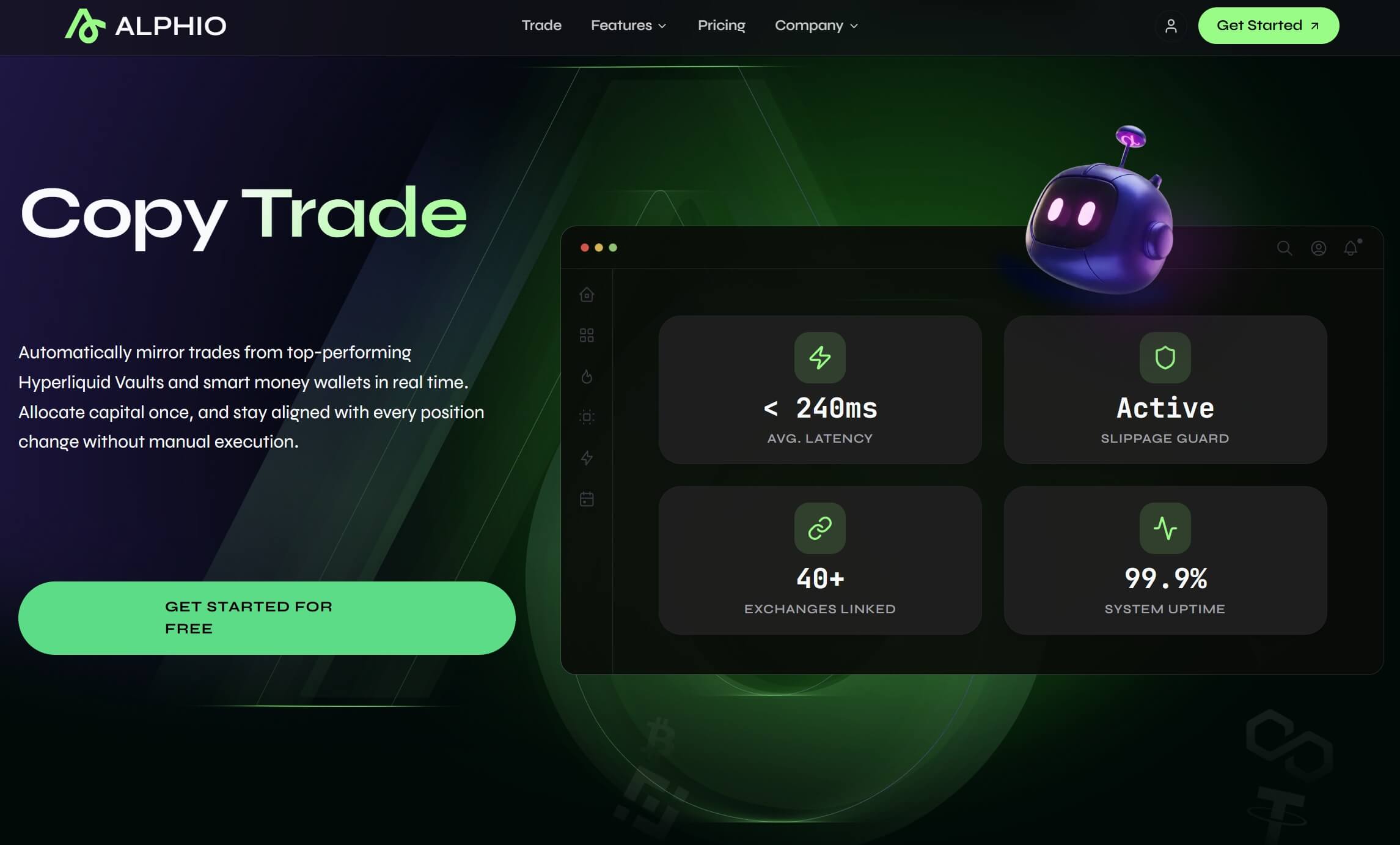
For investors seeking to automate their portfolio management and respond quickly to changing macroeconomic conditions, Alphio AI's agentic trading capabilities provide AI-powered automation to execute strategies based on economic indicators and sector rotation signals.
Investment Risks and Considerations
While the valuation reset in Caterpillar shares has undoubtedly created potential opportunities, prudent investors must carefully weigh the risks that could lead to further downside or prolonged underperformance. Understanding these risk factors is essential for position sizing and portfolio construction decisions.
The most immediate risk relates to the potential for disappointing earnings or cautious forward guidance from management. Should the company indicate that order trends have softened meaningfully or that margin pressures are intensifying, the stock could face additional selling pressure regardless of the valuation compression that has already occurred.
Broader economic risks, including the potential for recession in key markets, represent a more structural concern for cyclical stocks like Caterpillar. While the company has demonstrated resilience through previous downturns, earnings and multiples typically contract during recessionary periods, and investors must be prepared for the possibility of lower prices before a sustained recovery takes hold.
Competitive dynamics, including the emergence of Chinese equipment manufacturers in international markets, present longer-term challenges to Caterpillar's market position. While the company's brand strength and dealer network provide meaningful protection, the intensity of competition has increased and will likely continue to pressure pricing and margins in certain product categories.
Supply chain and input cost volatility, while having moderated from the extremes of recent years, remains a consideration for operational performance. The company's ability to manage costs and maintain production schedules will influence profitability and customer satisfaction metrics.
Strategic Opportunities for Long-Term Investors
For investors with appropriately long time horizons, the current market environment may present strategic opportunities to accumulate shares of high-quality companies at discounted valuations. Caterpillar's fundamental competitive position and market leadership suggest that the current share price weakness may ultimately prove to be a buying opportunity.
Dollar-cost averaging strategies can help investors navigate the uncertainty surrounding near-term price action while building positions in a disciplined manner. Rather than attempting to time the exact bottom, incremental accumulation allows investors to benefit from continued volatility while establishing exposure to what remains a fundamentally attractive business.
The dividend yield, which has become increasingly attractive as the share price has declined, provides income-oriented investors with a reason to be patient through any near-term turbulence. Caterpillar's history of dividend growth and strong cash generation capabilities support the sustainability of current payouts and provide potential for future increases.
Portfolio diversification considerations should also influence position sizing decisions, as concentrated exposure to any single industrial name carries risks that may not be fully compensated by expected returns. Balancing Caterpillar exposure with other sector and asset class holdings remains prudent portfolio management practice.
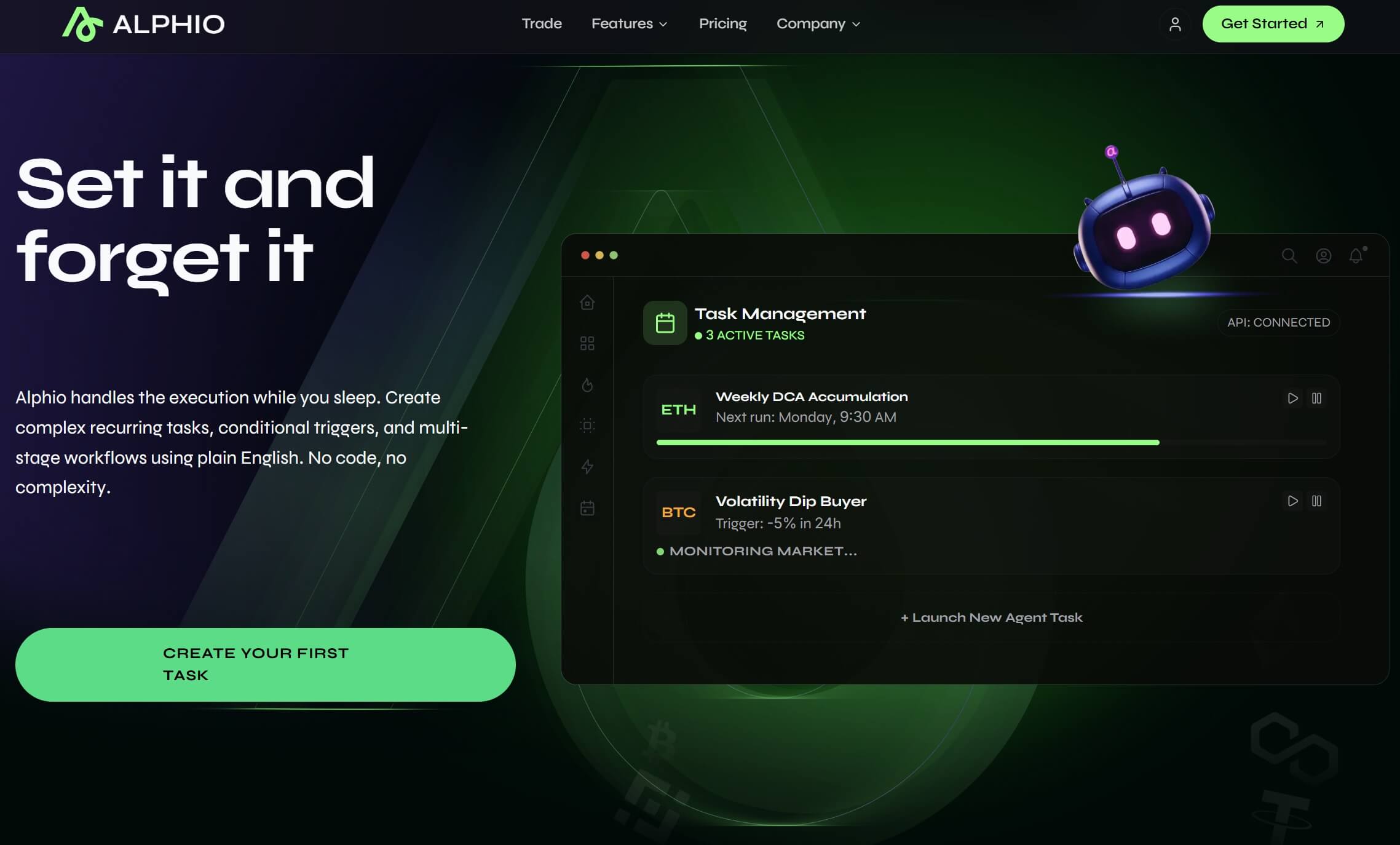
For traders who want to set up conditional workflows and automate their trading strategies based on technical levels or earnings events, Alphio AI's automations feature enables sophisticated rule-based trading without constant monitoring.
Conclusion
Caterpillar's upcoming earnings report represents a pivotal moment for a stock that has experienced dramatic repricing in recent weeks. The confluence of AI-related sentiment shifts, broader economic concerns, and company-specific execution questions has created an environment of unusual uncertainty that will likely persist until management provides clarity on the earnings call.
For investors willing to look through near-term volatility, Caterpillar's enduring competitive advantages, strong financial position, and attractive valuation following the recent selloff present a compelling case for long-term accumulation. The company's exposure to secular trends in infrastructure development, resource extraction, and energy transition provides multiple pathways to sustained growth over multi-year horizons.
However, the path forward is unlikely to be linear, and investors must be prepared for the possibility of additional volatility as markets digest earnings results and adjust expectations for the quarters ahead. Patience and discipline will be essential virtues for those seeking to capitalize on what may ultimately prove to be a temporary dislocation in an otherwise high-quality industrial franchise.
The key question for investors is whether they believe the AI infrastructure boom has permanently crested or merely paused for breath. Those who view current concerns as cyclical rather than structural may find current levels offer an attractive entry point into one of the world's premier industrial companies.
Ready to start trading and executing your investment strategies with precision? Explore Alphio AI's conversational trading platform to execute trades via natural language and access advanced trading features designed for modern investors.
FAQs
Why has Caterpillar stock declined so sharply recently?
Caterpillar stock has declined nearly 25% as part of a broader selloff in AI infrastructure plays. Despite not being a pure AI company, CAT benefited from data center construction demand and has been caught in the sector rotation as investors reassess AI-related valuations.
What should investors watch for in Caterpillar's upcoming earnings report?
Key areas to monitor include order backlog trends, management's commentary on data center demand, pricing power in the current environment, and forward guidance for the remainder of 2026. The company's outlook for each business segment will be particularly important.
Is Caterpillar stock undervalued after the recent decline?
Following the 25% decline, Caterpillar's valuation metrics including P/E and EV/EBITDA have compressed significantly compared to recent highs. Whether this represents genuine value depends on whether earnings estimates hold steady or face downward revision in the coming quarters.
What are Caterpillar's main competitive advantages?
Caterpillar's competitive moat includes its extensive global dealer network, technological leadership in heavy equipment, strong brand recognition, investment-grade balance sheet, and substantial recurring revenue from parts and service operations.
How does Alphio AI help investors trade stocks like Caterpillar?
Alphio AI offers copy trading to mirror successful traders, agentic trading for automated portfolio management, automations for conditional workflows, and conversational trading to execute trades via natural language. These tools help investors respond quickly to earnings events and sector rotations.
Related articles
- Oil Prices Surge Above $105 Amid US-Iran Conflict: Energy Investment Opportunities in November 2026Oil prices climb past $105 as US strikes Iran's Qeshm Island. Discover energy investment opportunities, top oil stocks, and market outlook for November 2026.
- Oil Prices Surge Above $105 Amid US-Iran Conflict: Energy Investment Opportunities in November 2026Oil prices climb past $105 as US strikes Iran's Qeshm Island. Discover energy investment opportunities, top oil stocks, and market outlook for November 2026.
- 2026 Midterm Results Are In: What Democratic Control of Congress Means for the Stock MarketDemocrats win House and Senate in 2026 midterms: what divided government under Trump means for stocks, sectors, volatility, and investor checklists.
- Federal Reserve Rate Policy: Navigating Stock Market Opportunities in a Shifting Interest Rate EnvirExplore how Federal Reserve rate decisions affect stock market performance. Learn investment strategies for rising and falling interest rate environments in 2026.
- Best AI Trading Bots & Top Crypto AI Trading Platforms (2026)Discover the best AI trading bots and top crypto AI trading platforms for 2026. Compare Stoic.ai, 3Commas, Cryptohopper, Alphio AI, Pionex, Coinrule, Tritonix, TradeSanta and Shrimpy.
- Fed Interest Rate Policy 2026: How Central Bank Decisions Are Reshaping MarketsDiscover how Federal Reserve interest rate decisions are impacting stocks, bonds, and your portfolio in 2026. Expert analysis on Fed policy outlook and investment strategies.