
乐
乐观
乐观 · 25%CSCO
$65.54
情景价格
$106.490
+1.629 (+1.53%)收盘时
Cisco Systems, Inc. designs and sells a range of technologies that power the Internet. The Company is integrating its product portfolios across networking, security, collaboration, applications and cloud. The Company's segments include the Americas; Europe, Middle East, and Africa (EMEA), and Asia Pacific, Japan, and China (APJC). Its Networking product category represents its core networking technologies of switching, routing, wireless, fifth generation (5G), silicon, optics solutions and compute products. Its Security product category consists of its cloud and application security, industrial security, network security, and user and device security offerings. Its Collaboration product category consists of its meetings, collaboration devices, calling, contact center and platform as a service (CPaaS) offering. Its Observability product category consists of its full stack observability offerings.
Cisco Systems Inc is currently a hold. The stock is priced at $107.39, which is below several analyst price targets, including $110 from Bernstein and $135 from Deutsche Bank. However, the RSI is low at 28.072, indicating potential oversold conditions, but the recent 5-day change is down 9.29%, suggesting short-term weakness. The main risk is the current negative sentiment in the market, as indicated by a 203.13% increase in insider selling activity over the last month, which could signal a lack of confidence among insiders.
Bernstein
$110
2026-09-30
Bernstein
2026-09-30
目标价
$110
Piper Sandler
$125
2026-09-22
Piper Sandler
2026-09-22
目标价
$125
Deutsche Bank
$135
2026-08-31
Deutsche Bank
2026-08-31
目标价
$135
Truist
$140
2026-08-13
Truist
2026-08-13
目标价
$140
Rosenblatt
$165
2026-08-13
Rosenblatt
2026-08-13
目标价
$165
情景价格取自当年最后一个月度预测区间。概率为固定的模型权重(25 / 50 / 25),不构成保证。
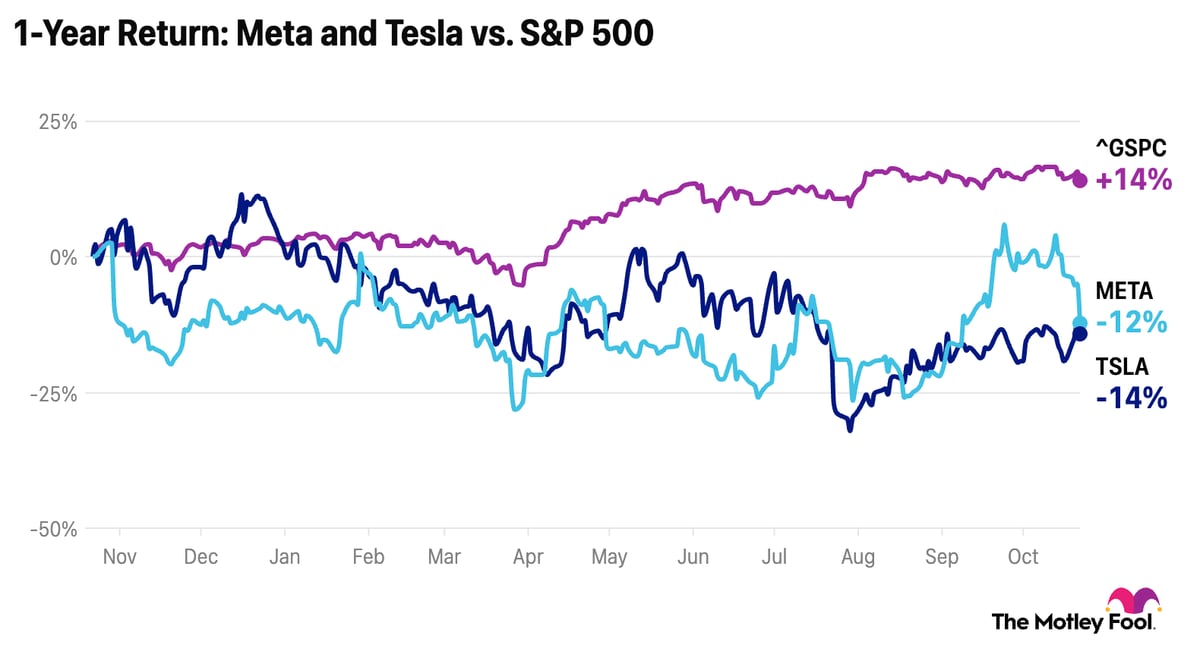
Meta, SpaceX, and Tesla's Heavy AI Investments

Michael Burry's Critical Stance on AI Stocks
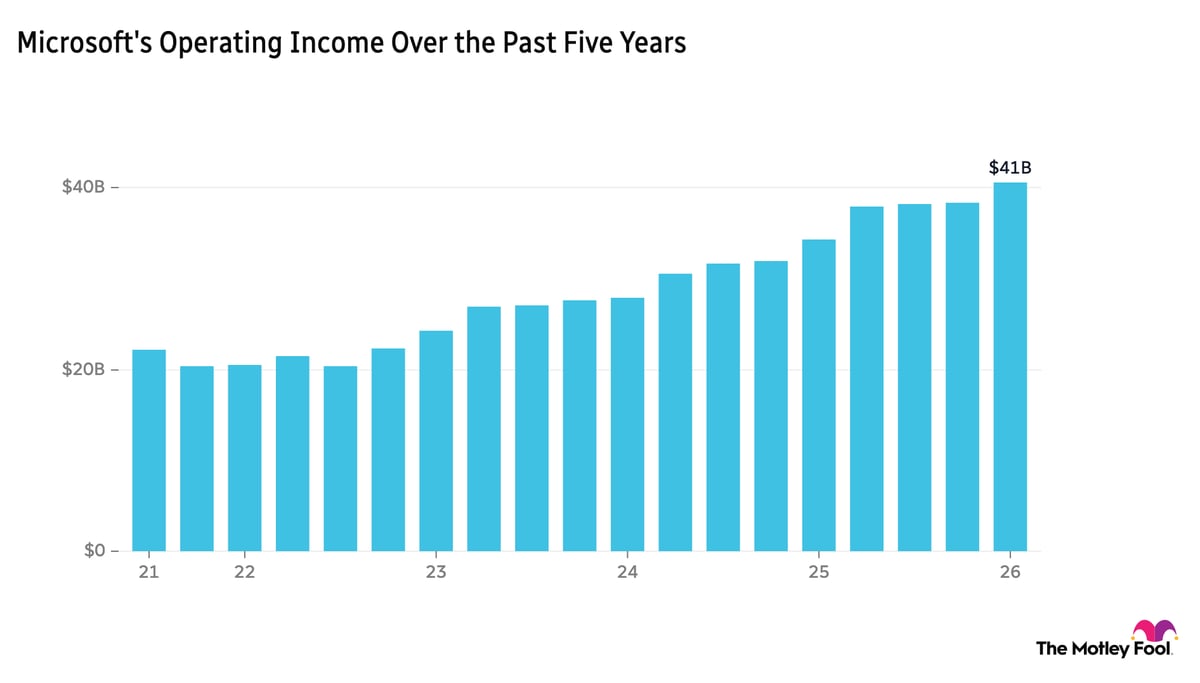
Microsoft Cancels UK AI Data Center Lease Amid Power Issues
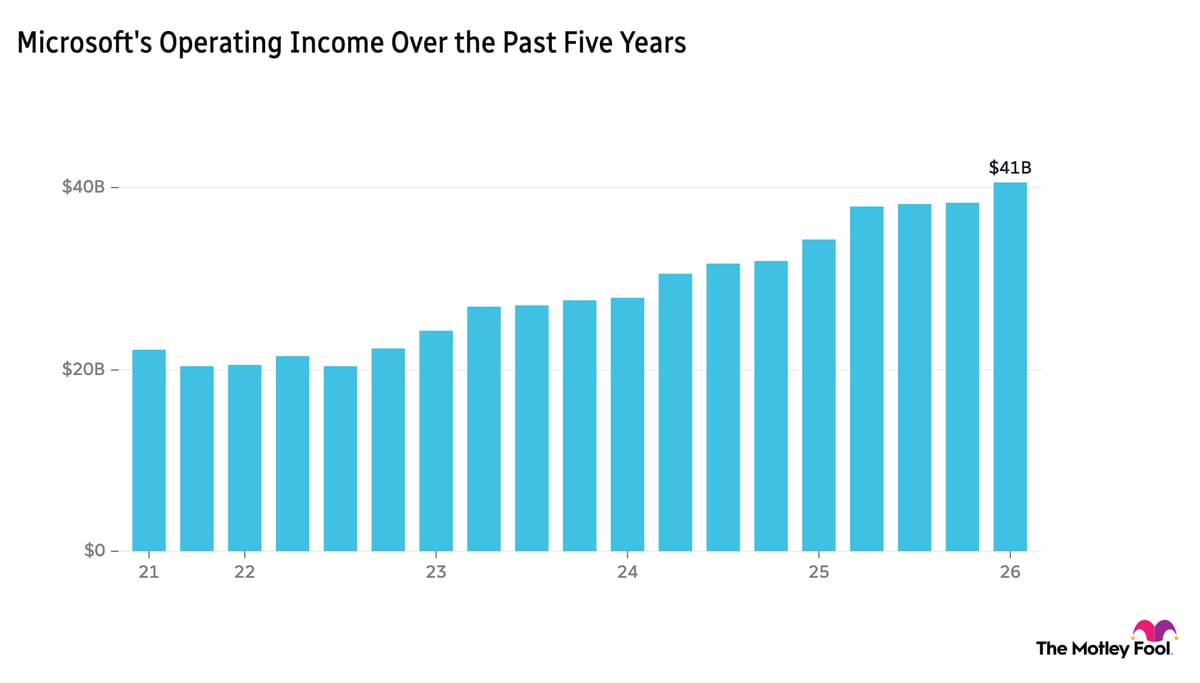
Microsoft Cancels UK AI Data Center Lease Amid Power Issues

Tech Giants Donate Millions to Trump's Ballroom Project
Cisco Systems, Inc. designs and sells a range of technologies that power the Internet. The Company is integrating its product portfolios across networking, security, collaboration, applications and cloud. The Company's segments include the Americas; Europe, Middle East, and Africa (EMEA), and Asia Pacific, Japan, and China (APJC). Its Networking product category represents its core networking technologies of switching, routing, wireless, fifth generation (5G), silicon, optics solutions and compute products. Its Security product category consists of its cloud and application security, industrial security, network security, and user and device security offerings. Its Collaboration product category consists of its meetings, collaboration devices, calling, contact center and platform as a service (CPaaS) offering. Its Observability product category consists of its full stack observability offerings. It operates in the Technology sector (COMPUTER COMMUNICATIONS EQUIPMENT industry).
Cisco Systems Inc is currently a hold. The stock is priced at $107.39, which is below several analyst price targets, including $110 from Bernstein and $135 from Deutsche Bank. However, the RSI is low at 28.072, indicating potential oversold conditions, but the recent 5-day change is down 9.29%, suggesting short-term weakness. The main risk is the current negative sentiment in the market, as indicated by a 203.13% increase in insider selling activity over the last month, which could signal a lack of confidence among insiders.
27 analysts cover CSCO: 19 rate it Buy, 8 Hold and 0 Sell. The average price target is 91.30.

Tech companies are cutting jobs again, and this time it's not just Silicon Valley. Amazon, Meta, Google, and Microsoft have all trimmed roles over the past two years, and non-Silicon Valley firms like SAP and Cisco are restructuring too. According to layoff trackers, the global tech industry has cut six-figure numbers of positions over the past two years. On the surface it shows up as "restructuring charges" and "severance costs" on earnings reports, but behind it is mortgage rate pressure hitting ordinary households first: the U.S. 30-year fixed mortgage rate approached 8% at one point and remains above 6% even after pulling back. On the same loan, monthly payments are several hundred dollars higher than during the low-rate era, and credit card and auto loan delinquency rates are also ticking up. Households cut spending first, then businesses feel demand cool, and only then does that line on the earnings report appear. Before every Fed meeting, the market prices in expectations ahead of time: when rate-cut hopes heat up, stocks and bonds rally first; on the actual day, even an in-line outcome feels like a non-event, or even "buy the rumor, sell the fact." So don't treat a single meeting as a turning point, and companies aren't making decisions based on one rate decision either. Layoffs at this scale show companies are stockpiling for winter, not waiting for spring. They're cutting projects, freezing hiring, requiring return-to-office, and concentrating resources on the most profitable businesses to protect margins and cash flow first. In other words, this isn't a short sprint of adjustment but positioning for a "longer winter." Has anyone around you been caught up in this wave? Did they take severance and leave, or transfer roles, take pay cuts, or face a hiring freeze? Share your thoughts.
展开

US equities: indexes are rising, but capital is leaving. On October 9, the three major indexes closed higher together. The Dow rose 0.83% to 51,654.95, the Nasdaq rose 0.64%, and the S&P 500 rose 0.59%, with all posting weekly gains. But fund flow data reveals cracks — over the past week, US single stocks saw $11 billion in outflows, the third-largest weekly outflow since 2008, with 9 of 11 sectors experiencing outflows. Semiconductors came under clear pressure, while IT hardware and software strengthened against the trend. Strong performances from Hewlett Packard Enterprise, Cisco, and Oracle show capital is concentrating in areas that can truly generate cash flow. JPMorgan data also confirms this: retail trading sentiment improved, and funds flowed back into AI and semiconductor-related stocks, with Nvidia attracting $834 million last week. Gold: prices are rebounding, but ETFs are reducing positions. COMEX gold futures rose 1.52% to $4,220.3/oz, and silver rose 2.84%. But the world's largest gold ETF — SPDR Gold Trust — saw its holdings decrease by 2.281 tonnes from the previous day, with current holdings at 1,053.13 tonnes. Gold rising while ETF holdings fall suggests this rebound is driven more by short-term short covering and safe-haven sentiment rather than systematic medium- to long-term allocation. Still, from a medium-term view, World Gold Council reports show global gold ETF inflows reached a record $31 billion in Q3, with holdings increasing by 67 tonnes to a record 4,256 tonnes, indicating that on a broader trend, gold allocation demand remains strong. My allocation approach: For US equities short term, I'm watching the trend of capital concentrating from indexes into individual stocks and shifting from semiconductors toward cash-flow-generating tech companies. For gold, I maintain a buy-low, sell-high approach in the $4,100–$4,200 range. A strong breakout above $4,230 could open more upside. If gold pulls back to around $4,000, I would seriously consider adding, because the medium- to long-term allocation logic reflected in Q3's record ETF inflows has not changed. Which side does your scale lean toward? Tech stocks or gold? #WeeklyCheckIn
展开

$CSCO Cisco Systems climbed Tuesday as its October rollout brought Supermicro's liquid- and air-cooled GPU systems into the company's authorized sales channel. The networking giant is packaging the servers with Nvidia software, Cisco switches and security, and Splunk observability as one validated AI infrastructure stack. Why the beat was not what the market cared about, and the number that decides what comes next:
展开
本页仅供研究参考,不构成投资建议。模型可能出错。过往表现不代表未来结果。