
$0.0526
-0.001437 (-2.66%)24H
Cronos price, last 12 months
0.14660.05260.0462
Cronos market data
- 24H High
- $0.0544
- 24H Low
- $0.0523
- 24H Volume
- 1.48M CRO
- All Time High
- $2.00
- All Time Low
- $0.0443
- Correlation with BTC
- 0.66
- Return on Investment
- -34.29%
- Market Cap
- $2.67B
About Cronos
Cronos (CRO) is the native cryptocurrency token of Cronos Chain — a decentralized, open-source blockchain developed by the Crypto.com payment, trading and financial services company.Cronos Chain is one of the products in Crypto.com’s lineup of solutions designed to accelerate the global adoption of cryptocurrencies as a means of increasing personal control over money, safeguarding user data and protecting users’ identities. The CRO blockchain serves primarily as a vehicle that powers the Crypto.com Pay mobile payments app.In the future, Crypto.com plans to expand the reach of the CRO platform to power its other products as well.CRO went live in November-December 2018.
Cronos on-chain holders
Holding Amount
Distribution of addresses by the amount of tokens held.
- 0-1K98.06%
- 1K-100K1.69%
- 100K+0.24%
Time Held
Distribution of addresses by how long tokens have been held.
- Cruisers10.22%
- Holders88.73%
- Traders1.05%
Whale Holdings
Percentage of tokens held by whale addresses vs others.
- Others8.03%
- Whales91.97%
Cryptocurrencies similar to Cronos


Cronos whitepaper summary
Cronos is a user-friendly blockchain that makes Web3 applications faster and cheaper to use.
It combines the best of two worlds - Ethereum's smart contracts and Cosmos's speed - to create a network that's perfect for things like decentralized finance (DeFi) and blockchain gaming.
Think of it as a more efficient and environmentally friendly alternative to traditional blockchains, designed to help millions of new users experience Web3.
Since its launch, Cronos has grown to support thousands of decentralized applications and processes millions of transactions daily.
The network has become particularly popular for DeFi applications, NFT marketplaces, and GameFi projects.
The platform's rapid growth demonstrates its strong potential in the evolving blockchain landscape.
Let's break down how Cronos works in simple terms.
Imagine Cronos as a digital highway system that connects different blockchain neighborhoods.
It's built using two main pieces: Ethereum's tools (which lots of developers already know how to use) and Cosmos's framework (which makes everything run smoothly and quickly).
What makes Cronos special is its Proof of Authority system.
Instead of using tons of energy like Bitcoin, Cronos has trusted validators who check transactions - kind of like having trusted referees in a sports game.
This makes everything faster and uses way less energy.
The network uses something called Tendermint, which is like a super-efficient traffic control system.
It makes sure all transactions are processed quickly and in the right order.
Plus, it's really secure - even if some validators have problems or try to cause trouble, the network keeps running smoothly.
One of the coolest features is how Cronos can talk to other blockchains.
Think of it like a universal translator that lets different blockchain networks communicate and share resources.
This means you can easily move your digital assets between Cronos and other compatible networks, just like transferring money between bank accounts.
Recent upgrades have improved the network's performance significantly, with transaction speeds now consistently under 6 seconds and enhanced security features protecting users' assets.
The platform also includes advanced error recovery systems to ensure continuous operation even during unexpected technical issues.
The Cronos network uses two types of tokens, each with its own special job.
The main token you'll interact with is CRO, which is what you use to pay for transactions on the network.
Think of it like paying a small fee to send a package - these fees go to the validators who keep the network running.
CRO has evolved to become a multi-utility token, now used for staking, governance voting, and providing liquidity in DeFi protocols.
There's also a special validator token that isn't available to the public.
This token is used by validators to participate in network governance - kind of like having a voting card for making important decisions about how the network runs.
The network has a clever way of handling transaction fees.
When the network gets busy, fees go up a bit to prevent congestion, and when it's quieter, fees go down.
This helps keep everything running smoothly and affordably for everyone.
Recent updates have introduced new token utility features, including enhanced staking rewards and participation in ecosystem governance decisions.
The platform also implements regular economic adjustments to maintain token value stability and ensure long-term sustainability.
Cronos has exciting plans to make the network even better.
They're working on making transactions even faster by reducing the time between blocks from 5-6 seconds to potentially 3-4 seconds.
They're also increasing how many transactions can happen at once.
A big focus is on making the network more scalable through something called layer-2 solutions.
This could make Cronos handle hundreds or even thousands more transactions per second than it currently does.
They're also working on better ways to connect with other blockchain networks.
This includes new features that will let users move different types of digital assets, like NFTs, between Cronos and other networks more easily.
Looking ahead to 2024, Cronos plans to keep improving by adopting new technologies from both the Ethereum and Cosmos communities.
The team has also announced plans for enhanced DeFi capabilities and improved cross-chain bridges.
The platform is actively developing new tools to make it easier for developers to build and deploy applications.
Cronos is supported by Cronos Labs, which acts like a startup accelerator for projects building on the network.
They have a $100 million fund to help developers create new applications.
The team focuses on making sure the network is secure and reliable.
They carefully select validators based on their technical skills, track record, and commitment to the project.
Cronos Labs provides various types of support including technical help, marketing assistance, and connections to investors.
They run programs like the Cronos Accelerator and Ecosystem Grants to help new projects grow and succeed on the network.
The team has expanded significantly since launch, now including dozens of blockchain developers, security experts, and business development professionals.
They've also formed strategic partnerships with major players in the crypto industry to enhance the network's capabilities and reach.
Regular community events and hackathons help foster innovation and attract new talent to the ecosystem.
Latest Cronos news
coinmarketcap.com
Kraken Announces Trading Pair Changes Effective November 6

coinmarketcap.com
Initia Halts Blockchain After $2.7M Security Breach
coinmarketcap.com
Analysis of 1.17 Billion CRO Token Release Impact
coinmarketcap.com
Crypto.com Launches Prediction Market Tools, Cronos Price Rises
coinmarketcap.com
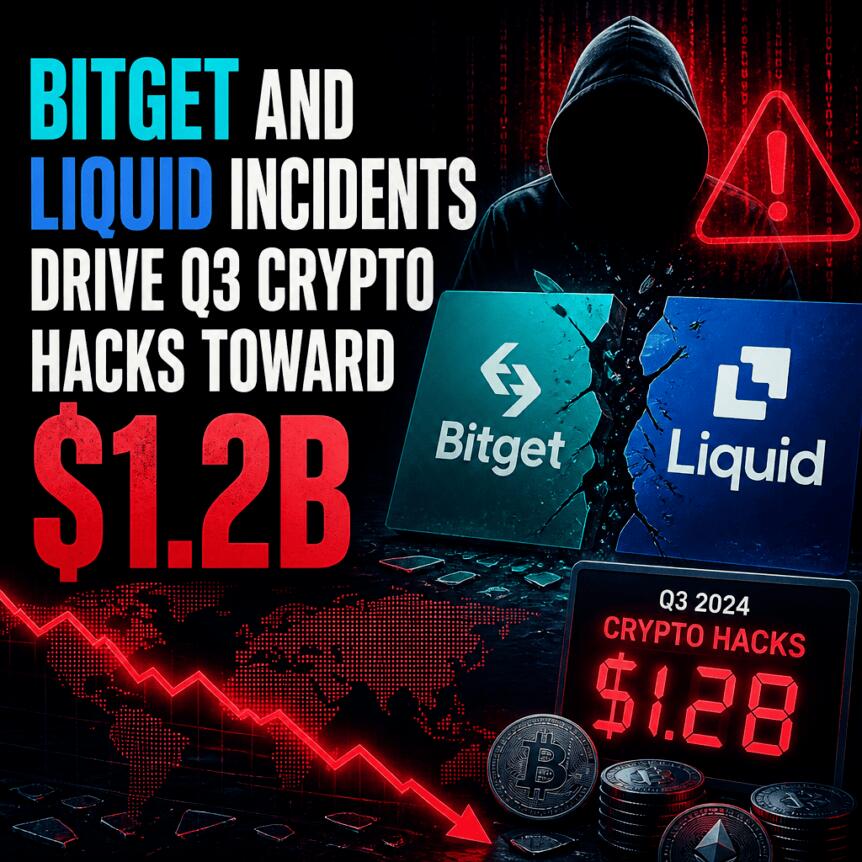
Crypto Hacks Reach $1.18 Billion in Q3 2026, Highlighting Security Gaps
Cronos FAQ
Cronos (CRO) is trading at $0.0526, down 2.66% over the last 24 hours.
The market cap of Cronos is $2.67B, ranking #35 among cryptocurrencies.
On the daily chart CRO currently shows 4 buy signals and 4 sell signals. This is not investment advice.
The all-time high of CRO is $2.00.
This page is for informational purposes only and is not investment advice. Cryptocurrency prices are highly volatile.