

How to Set a Budget Cap for AI Trading Agents and Copy Trade
Learn how to set hard budget caps for AI trading agents and copy trading: per-trade, daily, portfolio, and drawdown circuit breakers.


Key Takeaway
An AI trading agent without a budget cap is not an automation tool. It is an unbounded mandate. Retail users searching for AI trading agents in 2026 keep stumbling into the same failure: they paste risk rules into a prompt, fund a wallet, and discover that language models do not enforce spend limits. The agents that survive contact with real markets are the ones whose ceilings live in code and key policy—outside the model’s persuasive loop.
This checklist explains how to set a budget cap before you let an agent or copy sleeve trade. It covers per-trade, daily, portfolio, and drawdown limits; why starting small and raising later beats sizing for a backtest; and how to bind those caps to products that actually halt when limits trip. Along the way, liquid crypto-equity proxies remind you that automation risk still sits inside a correlated market complex.
Why prompts fail as risk policy
Models argue; runners should reject
Security write-ups for LLM trading agents in 2026 repeat one principle until it becomes boring: guardrails belong in the runner, not in the system prompt. A prompt is a suggestion. A spender check that raises on a hard dollar ceiling is a rejection. If your only control is “never risk more than two percent,” you have a wish. If your runner refuses any order above a fixed notional and any day that would breach a daily loss limit, you have a control.
That distinction matters even more for agentic products marketed as conversational. Conversation is excellent for stating intent. It is a terrible place to store the only copy of your maximum daily spend. Keep the chat for planning; keep the ledger for enforcement. When a model can narrate why an exception is “obviously fine,” the only adult in the room is the external limiter.
Autonomy multiplies silent overtrading
Overtrading is its own failure mode. An agent can invent “one more small trade” indefinitely. Fees and slippage compound against high-frequency loops faster than most demos admit. Caps on trades per hour and per day force a pause between decisions regardless of how convincing the latest rationale sounds. Venue API rate limits are a separate ceiling; hitting them usually means your own frequency guardrail was too loose, not that you need a cleverer router.
The budget stack: four ceilings that work together
Per-trade and daily notional
Start with a maximum single transaction in quote currency and a rolling twenty-four-hour spend ceiling. Practical agent guides often show external checks such as a few hundred dollars per order and a low-thousands daily cap for early live runs—not because those numbers are universal, but because they force humility. Raise them only after paper trading and after a week of live fills that match expectations. You can always increase a cap. You cannot un-lose capital that vanished while you were “letting it cook.”
Think in layers. The per-trade cap stops a single hallucinated size. The daily cap stops a sequence of individually “reasonable” tickets. Together they answer the two most common agent failure stories: one gigantic mistake and a hundred small ones that rhyme.
Portfolio allocation and concurrent positions
Position sizing controls one trade. Portfolio limits control what open trades add up to. Cap total automation as a fraction of net worth—many copy-risk frameworks treat copy or agent sleeves as a minority of the book, not the whole book. Cap concurrent positions so the agent cannot spray into a long tail of tiny bets that individually pass size checks. Cap exposure per asset class so five “different” perpetual positions are not one hidden long-crypto-beta trade.
Correlation awareness is the quiet killer. During risk-off days, BTC, ETH, SOL, and crypto equities often move together. If your agent is long several of them, your budget should treat them as related. Looking at
beside major crypto themes is a useful humility check before you call a book diversified.
Loss circuit breakers
Require stop logic on entries where the product allows it. Add daily and weekly loss limits that halt new risk when breached. Add a max-drawdown circuit breaker that stops the whole loop—not just the next order—until a human re-enables it. Copy-trading risk notes often suggest pausing a wallet after repeated losses or after a cumulative hit beyond a small portfolio percentage. Borrow that spirit for agents: the pause is the feature, not the punishment.
A breaker that only “alerts” without blocking is a notification, not a budget. If you find yourself debating the alert while the agent is still opening risk, the control failed its job description.
How to choose the first live budget
Reverse-engineer from pain, not from upside
Ask what weekly loss would make you override the system emotionally. Set the hard halt below that number. Then set per-trade size so several independent losses are required to reach the halt. If one trade can burn the weekly budget, the per-trade cap is theater. This is the opposite of sizing from a backtest’s maximum favorable excursion. Backtests do not include your panic, your venue outage, or your agent’s stale-data day.
Write the numbers down before funding. Verbal budgets dissolve under a green candle. Written budgets survive long enough to be enforced.
Separate research capital from agent capital
Keep a research and discretionary sleeve that the agent cannot touch. Fund the agent from a dedicated balance. Prefer trade-only keys without withdrawal authority, as non-custodial agent write-ups emphasize. Custody limits and budget caps reinforce each other: the key cannot flee with funds, and the runner cannot spend the sleeve into oblivion in an afternoon.
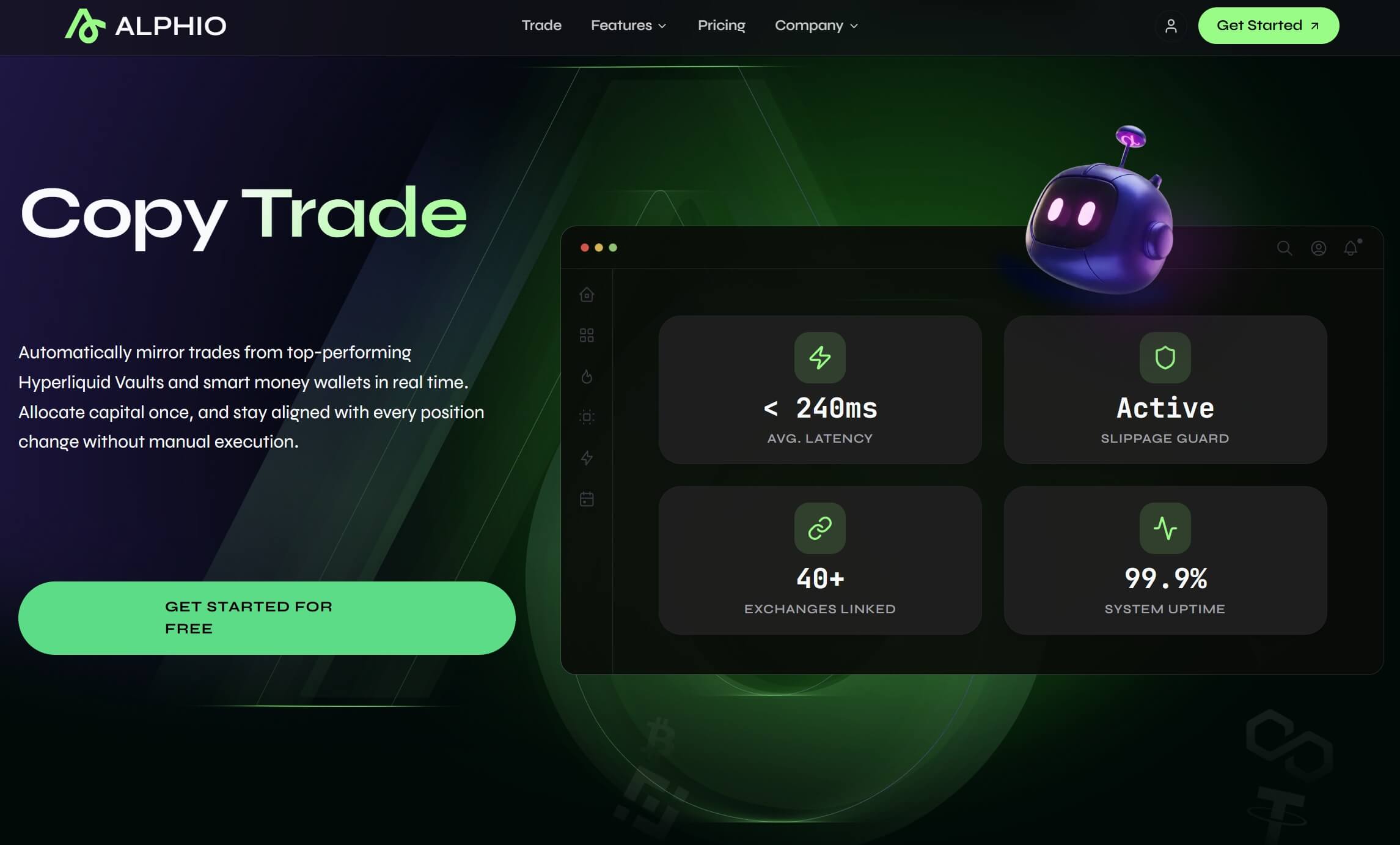
When you are ready to operationalize that pattern, evaluate leads and bind budgets in Alphio Copy Trade, then explore agent-style controls on Alphio Autonomous Trading.
Open Alphio Autonomous Trading
Testing the guardrails before you trust them
Paper trade the limits, not only the alpha
An untested guardrail is a hope. In simulation, deliberately feed edge cases: oversized orders, rapid-fire signals, stale quotes, and drawdowns that should trip the breaker. Confirm the runner rejects. Then run a tiny live budget where a full loss is annoying, not life-changing. Only after the kill switch has been proven under boredom and under stress should you raise ceilings.
People love testing whether a strategy can make money. Fewer people test whether the strategy can be stopped. The second test is the one that keeps you in the game.
Log decisions like an auditor
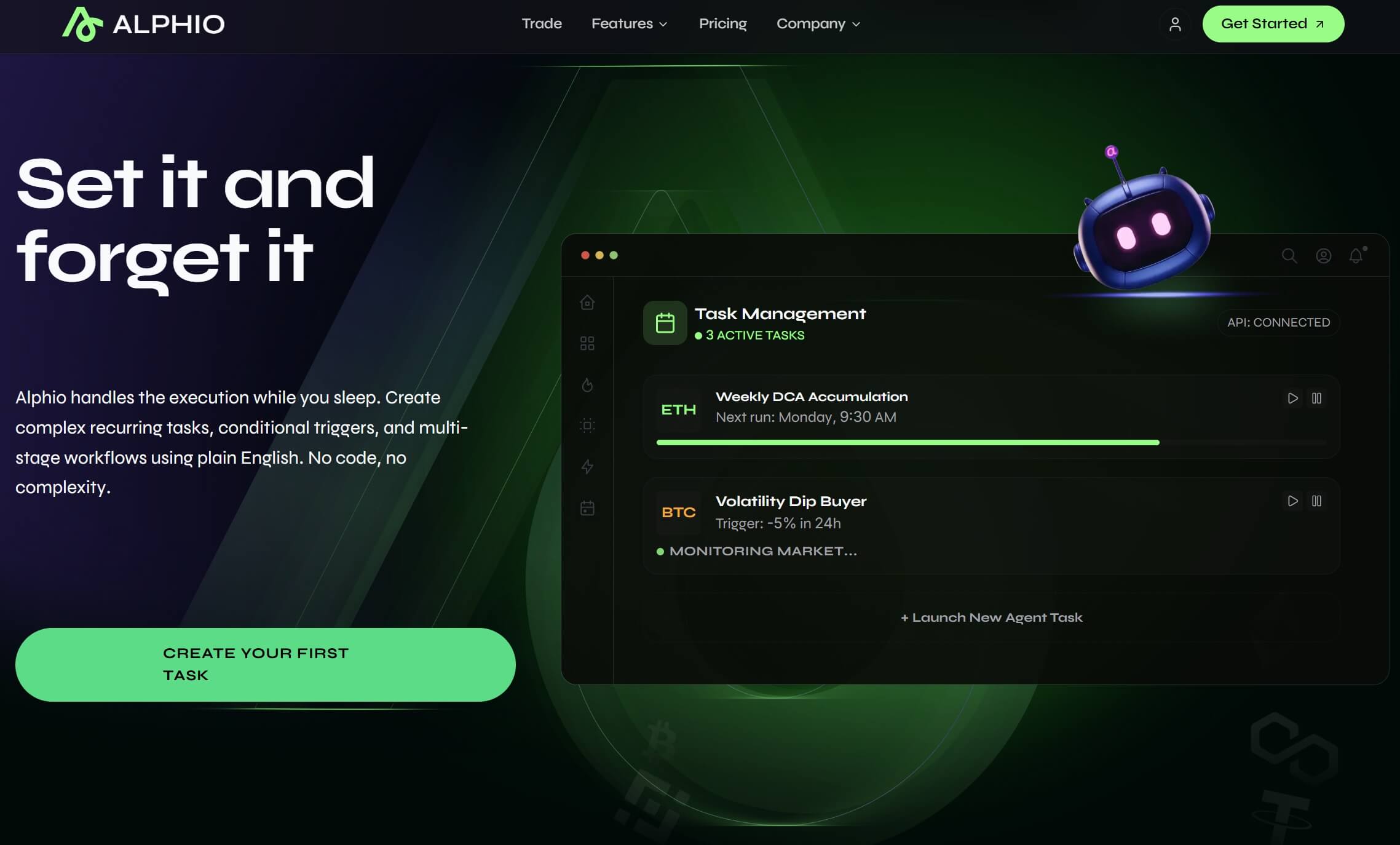
Keep an audit log of why each order was allowed or blocked. When you review weekly, you want to see rejected spends, not only filled genius. Conversational review helps: summarize the week in plain language, then schedule the next review. Alphio’s Scheduled Task tools are useful for turning “I should check” into a recurring obligation.
Budget caps inside copy trading, not only agents
Per-leader ceilings beat mirror-everything
Copy frameworks warn against allocating an entire portfolio to mirrors and against letting one wallet dominate the copy budget. Conservative profiles often keep copy as a supplement; even aggressive profiles leave dry powder. Per-wallet caps—such as limiting any single lead to a minority of the copy sleeve—prevent a single style drift from becoming an account event. Fixed-dollar and pro-rata sizing modes change how those caps feel in practice, but the principle is shared: the leader’s conviction is not your risk capacity.
Hyperliquid-style copy settings make this concrete: pro-rata of your allocated capital, fixed dollars per trade, or a percentage of the leader’s ticket with a max per trade. Each mode still needs a ceiling on the relationship and on the wallet’s total margin in flight.
Raise budgets with evidence, not with FOMO
Increase caps when three things are true at once: custody still passes, fills and slippage are within your tolerance, and the strategy’s recent behavior matches the thesis you signed up for. If win rate collapsed while size stayed constant, or if average trade size crept up, freeze the budget and review. Pausing is reversible. Rebuilding a depleted sleeve is not.
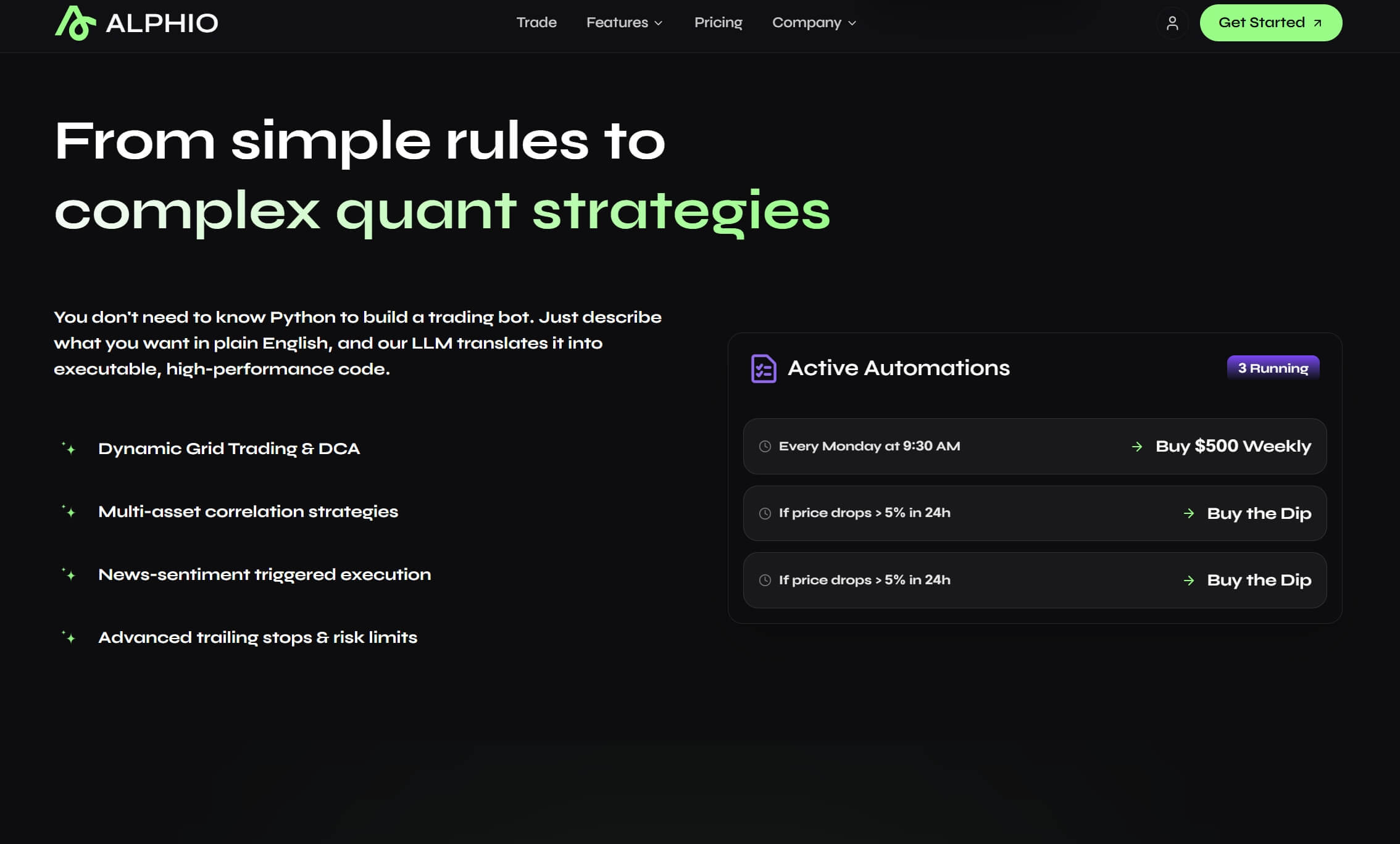
Use Alphio Conversational Trading to turn a budget change into an explicit instruction you can revisit later, instead of a late-night impulse toggle.
Trade conversationally on Alphio
Connecting budgets to custody and unfollow rules
Budget caps are one gate in a family. Custody asks where funds sit. Unfollow rules ask when a lead’s edge has expired. Sizing asks how large each mirrored ticket should be. If you only implement budgets, you can still deposit into a fragile venue or keep following a cold whale at a “safe” notional. Build the stack: custody pass, budget bind, sizing rules, then relationship exits. That is how educational automation stays educational when volatility arrives.
For crypto-heavy sleeves, remember that equity proxies such as Coinbase and MicroStrategy often rhyme with spot crypto stress. Your automation budget should assume clustered drawdowns, not independent coin flips. A budget that looks generous in a calm week can look reckless when five correlated positions gap together.
A one-page budget worksheet you can reuse
Before enabling any agent or copy relationship, fill five lines: maximum sleeve size as a percent of net worth; maximum per lead or per agent inside that sleeve; maximum per-trade notional; daily and weekly loss halts; and the drawdown level that stops everything until manual review. Keep the sheet next to your custody note. When a friend forwards a “can’t-miss” vault, your answer becomes mechanical: does it fit the worksheet, and does custody still pass?
If the answer is no, the correct Alphio workflow is not “follow anyway with fingers crossed.” It is to leave the strategy on a watchlist, keep researching with capped curiosity, and only bind capital when the worksheet and the permissions both clear. That boring discipline is exactly what separates durable automation from expensive entertainment.
Common budget mistakes that look sophisticated
Percentage rules without dollar halts
A two-percent risk rule feels professional until the account is small enough that two percent is noise—or large enough that two percent is a lifestyle event. Pair percentages with absolute dollar circuit breakers. Percentages scale; dollar halts protect sleep. Likewise, a volatility-scaled size model is useful only if a hard ceiling still sits above it. Without the ceiling, “smart sizing” becomes a story the agent tells while notional climbs.
Raising caps after one good week
Variance is not validation. A profitable week can be luck, favorable funding, or a market regime that flatters the strategy. Require a minimum sample of live sessions, stable slippage statistics, and an unchanged custody posture before you lift ceilings. If you raise caps because a social feed is cheering the same vault you follow, you are importing someone else’s risk tolerance. Keep a change log: old cap, new cap, evidence, date. Alphio’s conversational history on Alphio Conversational Trading is a practical place to store that rationale in plain language.
Budget policy for multi-strategy books
Once you run more than one agent or lead, budget policy becomes portfolio construction. Give the book a total automation ceiling, then allocate sub-caps that sum to less than that ceiling so you retain slack for opportunity and for error. If three strategies are each allowed a third of the ceiling with no slack, correlated losses will spend the whole book at once. Slack is a feature.
Define promotion and demotion rules between strategies. A strategy may earn a larger cap only after a defined live sample with acceptable slippage and no custody regressions. It loses cap immediately on style drift or breaker trips. Write those rules so you are not redistributing budget based on whichever chart looks hottest in the group chat. Alphio workflows on Alphio Copy Trade and Alphio Autonomous Trading are most effective when promotion is earned, not vibed.
Conclusion
Setting a budget cap for AI trading agents and copy sleeves is the difference between automation and abdication. Put ceilings outside the model: per-trade, daily, portfolio, and drawdown. Test the rejects. Fund a hot sleeve only. Raise slowly. Prefer products that make the cap a first-class object rather than a paragraph in a prompt.
Start capped on Alphio Autonomous Trading and keep mirrored flow inside explicit allocations on Alphio Copy Trade. The market will still be volatile. Your mandate does not have to be.
FAQs
What is a good starting daily budget for an AI trading agent?
There is no universal number. Choose a daily loss and notional ceiling you could absorb without emotional override, then set per-trade size so several independent losses are required to hit that ceiling. Raise only after live fills match expectations.
Why are prompt-based risk rules not enough?
Language models can reinterpret or ignore instructions. Effective caps are enforced by the trading runner, key policy, and circuit breakers that reject orders regardless of the model’s rationale.
Should copy trading and AI agents share one budget?
Often yes at the portfolio level, with sub-caps per leader or agent. Otherwise correlated crypto beta can stack silently across products that look diversified on a dashboard.
What is a drawdown circuit breaker?
A hard halt on new risk—sometimes on the whole automation loop—when cumulative losses cross a pre-set threshold, until a human reviews and re-enables trading.
How does Alphio help enforce budgets?
Alphio emphasizes binding budget limits when following strategies or running agents, so allocation is chosen before live mirroring rather than after drawdowns force the conversation.
Related articles
- Stock Market Surges After 2026 Midterms: What the Democratic Sweep Means for Your PortfolioThe stock market rallied after Democrats won the 2026 midterms. Discover what the election means for investors, tech stocks, and the S&P 500 outlook.
- Stock Market Surges After 2026 Midterms: What the Democratic Sweep Means for Your PortfolioThe stock market rallied after Democrats won the 2026 midterms. Discover what the election means for investors, tech stocks, and the S&P 500 outlook.
- Oil Prices Surge Above $105 Amid US-Iran Conflict: Energy Investment Opportunities in November 2026Oil prices climb past $105 as US strikes Iran's Qeshm Island. Discover energy investment opportunities, top oil stocks, and market outlook for November 2026.
- Nvidia Stock Analysis: AI Chip Demand Surge and Market Outlook for 2026Comprehensive Nvidia stock analysis for July 2026. Explore AI chip demand, data center growth, valuation metrics, and investment strategy for NVDA investors.
- Alphio AI Platform 2026: The Complete Guide to AI-Powered TradingDiscover Alphio AI's trading platform featuring copy trading, agentic trading, and automated workflows. Complete guide to AI-powered investing in 2026.
- The AI Spending Reckoning: Why Big Tech's 00B Bet Is Facing Investor RevoltTech giants face investor backlash over massive AI spending. Discover which stocks are vulnerable and how to position your portfolio for the AI spending reality check.