

Fed Rate Decision Impact on Gold and Oil Markets: July 2026 Analysis
Analysis of how the Federal Reserve's interest rate decisions are impacting gold and oil markets in July 2026. Expert insights on inflation, commodity prices, and trading strategies.


Key Takeaway
The Federal Reserve's monetary policy stance in July 2026 is creating significant ripples across commodity markets, with gold prices retreating to around $4,022 per ounce while Brent crude oil stabilizes near $87 per barrel. As markets price in over a one-third probability of a rate hike at the upcoming Fed meeting, investors are recalibrating their positions in precious metals and energy commodities. The interplay between inflation data showing a decline to 3.5% in June, ongoing geopolitical tensions in the Middle East, and the Fed's commitment to price stability is creating a complex trading environment that demands sophisticated analytical tools and strategic positioning.
For traders navigating these volatile conditions, understanding the correlation between interest rate expectations and commodity price movements has become essential. The current market dynamics present both opportunities and risks, with gold serving as a traditional safe-haven asset facing headwinds from a stronger dollar, while oil markets balance supply concerns against diplomatic efforts to ease Middle East tensions.
The Federal Reserve's July 2026 Policy Stance
Fed Chair Warsh's Commitment to Price Stability
Fed Chair Warsh has made clear that policymakers remain fully committed to restoring price stability, explicitly stating they have no tolerance for persistently elevated inflation. In prepared remarks released ahead of his Semiannual Monetary Policy Report to Congress, Warsh emphasized that if we get policy right, the inflation surge of the last five years will be a thing of the past. This hawkish tone has contributed to market uncertainty, with traders now pricing in more than a one-third chance of a rate hike at the upcoming Fed meeting.
The Fed's stance comes despite repeated calls from President Donald Trump for lower interest rates, highlighting the central bank's independence in pursuing its dual mandate of price stability and maximum employment. The unusual degree of uncertainty this close to a Fed meeting reflects the complex economic landscape, where inflation has shown signs of cooling but remains above the Fed's 2% target.
Market Expectations and Rate Trajectory
Current market pricing indicates approximately an 80% probability of a rate hike in September 2026, reinforcing expectations that borrowing costs could remain elevated for an extended period. The benchmark federal funds rate currently stands at 3.75%, with forecasts suggesting it could trend around 4.25% in 2027 according to econometric models.
For investors seeking to automate their trading strategies in response to these policy shifts, consider using Alphio AI's copy trading feature to mirror successful traders and smart money wallets who are positioning for the rate decision outcome.

Gold Market Analysis: Pressure from Rate Expectations
Current Price Action and Technical Levels
Gold prices have fallen approximately 1% to around $4,022 per ounce on Tuesday, with the precious metal facing headwinds from a stronger US dollar and mounting uncertainty ahead of Wednesday's Federal Reserve policy decision. The dollar has hovered near a four-week high as markets adjust their rate expectations, creating a challenging environment for dollar-denominated commodities.
Despite the recent pullback, gold has demonstrated remarkable resilience over the past year, with prices up 20.91% compared to the same time last year. The metal reached an all-time high of $5,608.35 in January 2026, highlighting the dramatic price swings that have characterized the market over the past several months.
Inflation Data Impact on Gold
The recent decline in US inflation to 3.5% in June 2026, down from 4.2% in May, has provided some relief to markets but also reduced the immediate safe-haven appeal of gold. Energy costs, which increased 15.7% versus 23.5% in May, showed significant deceleration as the ceasefire between the US and Iran alleviated inflationary pressures from the energy component.
Gasoline prices rose 26.7% compared to 40.5% in May, while fuel oil increased 42.9% versus 58.9% previously. This cooling of inflationary pressures, while positive for the broader economy, has removed some of the urgency that drove investors to gold as an inflation hedge earlier in the year.
Gold Price Forecasts
According to Trading Economics global macro models and analyst expectations, gold is projected to trade at $4,120.17 per ounce by the end of this quarter. Looking further ahead, forecasts estimate gold could reach $4,430.86 within 12 months, suggesting potential upside from current levels despite near-term headwinds.
Oil Market Dynamics: Brent Crude at Crossroads
Supply and Demand Fundamentals
Brent crude oil fell to around $86.93 per barrel on Tuesday, touching its lowest level in more than a week as renewed diplomatic efforts over the Strait of Hormuz improved the outlook for Middle East oil supplies. Despite this pullback, Brent has risen an impressive 17.62% over the past month and is up 21.28% compared to the same time last year.
The current price action reflects a delicate balance between supply concerns and demand outlook. On the supply side, diplomatic initiatives have temporarily eased fears of major disruptions, while demand concerns persist amid ongoing inflationary pressures and the potential for higher interest rates to slow economic growth.
Geopolitical Developments and Strait of Hormuz
Iran's Foreign Minister Abbas Araghchi held separate talks with his Saudi and Omani counterparts, focusing on restoring security in the strategic Strait of Hormuz waterway after disruptions caused by the US-Iran conflict. Oman has proposed a joint regional mechanism to manage the strait, allowing Iran to collect voluntary transit fees, a plan that has reportedly gained support from Gulf states.
President Trump has indicated that Washington is holding good talks with Tehran, although he warned military strikes could resume if diplomacy fails. Iran has also threatened retaliation if negotiations break down, keeping regional risks elevated. These developments have created a fluid situation where oil prices remain sensitive to headlines from the region.
Security Concerns Persist
Despite diplomatic progress, regional risks remain elevated after Saudi Arabia intercepted drones targeting oil facilities and Yemen's Houthi rebels claimed an attack on the kingdom's East-West pipeline. These incidents serve as reminders that supply disruptions remain a real possibility, providing underlying support for oil prices even as diplomatic channels remain open.
For traders looking to capitalize on these volatile conditions, Alphio AI's agentic trading offers automated portfolio management with AI-powered strategies that can respond to breaking news and market movements in real-time.

The US Dollar's Impact on Commodity Markets
Dollar Strength and Commodity Pricing
The US dollar has maintained strength near four-week highs as markets price in the possibility of higher interest rates. This dollar strength creates a headwind for dollar-denominated commodities like gold and oil, as a stronger greenback makes these assets more expensive for holders of other currencies.
The relationship between the dollar and commodities has been particularly pronounced in recent sessions, with the dollar's rise contributing to gold's decline below the $4,050 level. Traders are closely monitoring the dollar index for clues about the Fed's likely policy trajectory and its implications for commodity markets.
Interest Rate Differentials and Capital Flows
Interest rate differentials between the US and other major economies continue to influence capital flows and dollar strength. As the Fed maintains a hawkish stance while other central banks may be closer to cutting rates, the dollar has benefited from relative yield advantages, creating ongoing pressure on commodity prices.
Inflation Trends and Economic Outlook
June CPI Report Analysis
The June 2026 Consumer Price Index report provided significant insights into the inflation trajectory. The annual inflation rate fell to 3.5%, the first decline in five months, compared to 4.2% in May and below forecasts of 3.8%. On a monthly basis, the CPI decreased 0.4%, more than the forecasted 0.1% drop and representing the largest fall since April 2020.
Core inflation, which excludes volatile food and energy prices, eased to 2.6% from 2.9%, below forecasts of 2.8%. This cooling of underlying inflationary pressures suggests that the Fed's tightening campaign may be having the desired effect, though the central bank remains vigilant about the risk of persistent inflation.
Economic Resilience Amid Policy Uncertainty
Fed Chair Warsh highlighted the US economy's continued expansion at a solid pace, demonstrating resilience despite recent developments. Household consumption is growing at a moderate rate, while manufacturing output has risen steadily this year. Business investment has emerged as the economy's most notable strength, driven largely by the construction of data centers and robust demand for AI-related equipment and software.
The labor market continues to show strength, with job creation keeping pace with labor force growth and the unemployment rate remaining low at 4.2%. Nominal wages continue to post solid growth, supporting consumer spending power even as inflation moderates.
Trading Strategies for Current Market Conditions
Navigating Volatility with Automated Tools
The current market environment, characterized by policy uncertainty and geopolitical tensions, presents both challenges and opportunities for traders. Volatility has increased across asset classes, creating potential for significant gains but also heightened risk of losses.
For investors looking to navigate these conditions, Alphio AI's automations provide the ability to set conditional workflows that can execute trades based on predefined criteria, helping to remove emotion from trading decisions and ensure consistent execution of strategy.

Risk Management Considerations
Given the uncertainty surrounding the Fed's upcoming decision and ongoing geopolitical developments, risk management has become paramount for commodity traders. Position sizing, stop-loss orders, and diversification across asset classes can help mitigate the impact of adverse price movements.
Traders should also consider the correlation between different commodities and how they might respond to various scenarios. For example, a hawkish Fed surprise could pressure both gold and oil, while a dovish turn might provide relief across the commodity complex.
Sector-Specific Impacts
Energy Sector Outlook
The energy sector faces a complex outlook, with oil prices balancing between supply concerns from Middle East tensions and demand worries from potential economic slowing. Companies in the exploration and production space may see margin pressure if prices decline further, while refiners could benefit from improved crack spreads.
The ongoing transition to renewable energy sources continues to create long-term headwinds for the sector, though the pace of this transition remains uncertain and subject to policy decisions and technological developments.
Mining and Precious Metals
Gold mining companies face a mixed environment, with higher gold prices over the past year supporting profitability but rising operational costs and regulatory pressures creating challenges. The sector's performance remains closely tied to gold price movements, making Fed policy decisions particularly consequential.
Silver and other precious metals have followed gold's lead, though industrial demand for silver from the solar and electronics sectors provides some differentiation in price drivers.
Global Macro Considerations
International Policy Coordination
The Fed's policy decisions do not occur in a vacuum, and international central bank coordination remains an important consideration for global markets. The European Central Bank, Bank of England, and Bank of Japan all face their own inflation and growth challenges, with their policy responses influencing global capital flows and commodity demand.
China's economic trajectory remains particularly important for commodity markets, with the country's demand for raw materials influencing prices across the complex. Recent data on Chinese manufacturing and construction activity provides important signals for commodity traders.
Supply Chain Considerations
Ongoing supply chain adjustments following the disruptions of recent years continue to influence commodity markets. While many bottlenecks have eased, certain sectors remain constrained, creating pockets of tightness that can drive price volatility.
The energy transition is also creating new supply chain dynamics, with demand for critical minerals like lithium, cobalt, and copper increasing as the world moves toward electrification and renewable energy sources.
Conclusion
The July 2026 Federal Reserve meeting represents a critical juncture for gold and oil markets, with the central bank's policy stance likely to set the tone for commodity prices in the months ahead. While gold faces near-term pressure from a stronger dollar and reduced inflation urgency, its long-term appeal as a safe-haven asset and inflation hedge remains intact. Oil markets continue to balance supply risks from geopolitical tensions against demand concerns from potential economic slowing.
For investors navigating these complex conditions, having access to sophisticated analytical tools and automated trading capabilities has never been more important. The ability to respond quickly to breaking news and policy developments can provide a significant edge in volatile markets.
Ready to take your commodity trading to the next level? Explore Alphio AI's conversational trading platform to execute trades via chat and access AI-powered insights that can help you stay ahead of market movements.
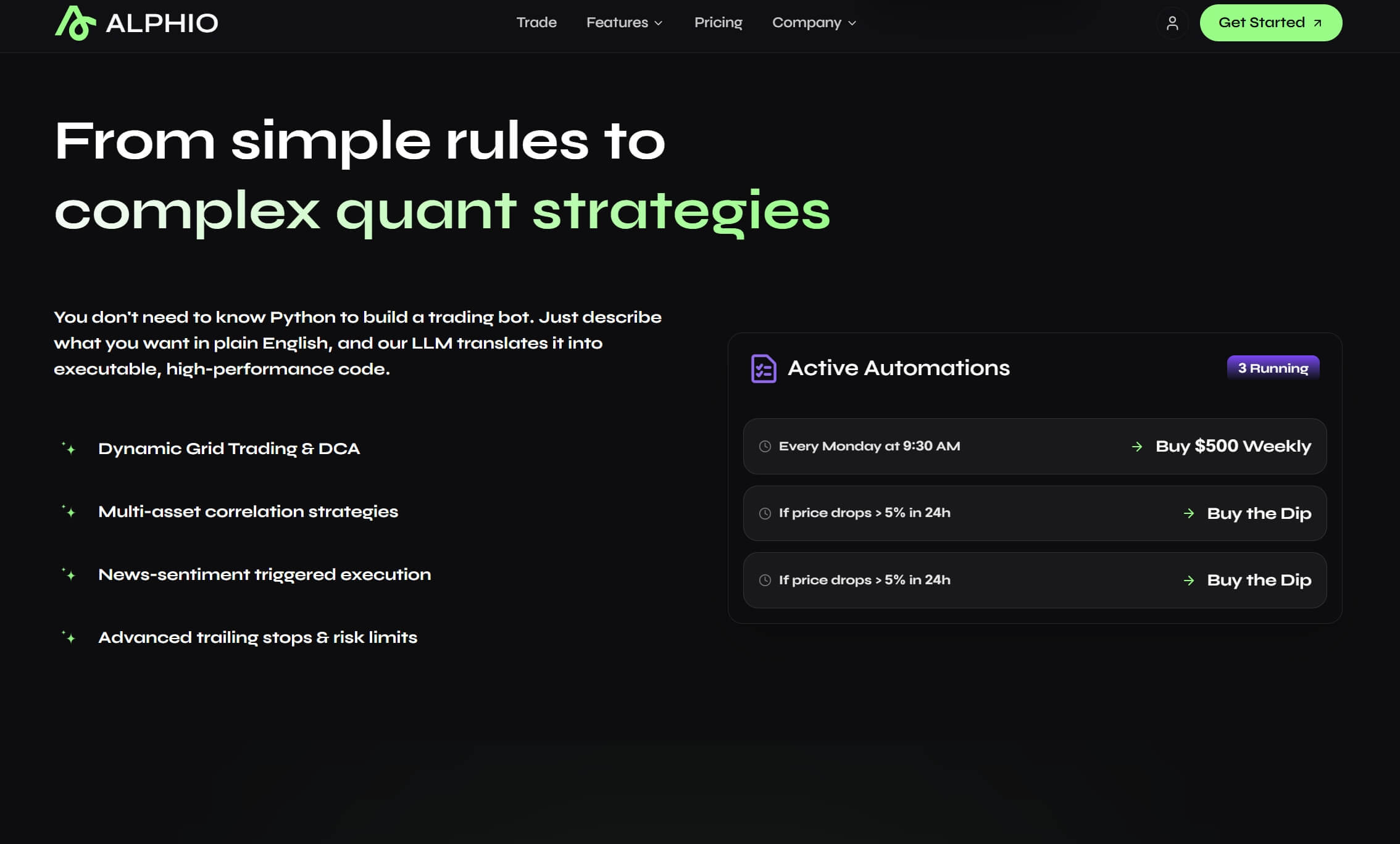
Whether you're trading gold, oil, or other commodities, the current market environment demands a disciplined approach backed by powerful technology. By combining fundamental analysis of Fed policy and geopolitical developments with sophisticated trading tools, investors can position themselves to capitalize on the opportunities that volatility creates while managing downside risks effectively.
FAQs
How does the Federal Reserve's interest rate decision impact gold prices?
The Federal Reserve's interest rate decisions impact gold prices through multiple channels. Higher interest rates typically strengthen the US dollar, making dollar-denominated gold more expensive for foreign buyers and reducing its appeal. Additionally, rising rates increase the opportunity cost of holding non-yielding assets like gold. Currently, with markets pricing in over a one-third chance of a rate hike, gold has retreated to around $4,022 per ounce from its January 2026 all-time high of $5,608.35.
What is the current outlook for Brent crude oil prices?
Brent crude oil is currently trading around $86.93 per barrel, down 1.62% from the previous day but up 21.28% year-over-year. The outlook remains mixed, with diplomatic efforts to ease Middle East tensions providing downside pressure while persistent supply risks from the Strait of Hormuz situation offer support. Forecasts suggest Brent could trade at $101.25 by the end of this quarter and reach $114.74 within 12 months according to Trading Economics models.
How has US inflation affected commodity markets in 2026?
US inflation has declined from 4.2% in May to 3.5% in June 2026, its first decline in five months. This cooling of inflationary pressures has reduced the immediate safe-haven appeal of gold as an inflation hedge, contributing to recent price weakness. However, inflation remains above the Fed's 2% target, suggesting that monetary policy may remain restrictive, which continues to influence commodity pricing across the complex.
What role does the US dollar play in commodity price movements?
The US dollar serves as the primary pricing currency for most globally traded commodities, including gold and oil. When the dollar strengthens, commodities become more expensive for holders of other currencies, typically reducing demand and pressuring prices. Currently, the dollar has hovered near four-week highs as markets price in potential Fed rate hikes, creating headwinds for both gold and oil prices.
What trading strategies work best in the current volatile commodity markets?
In the current volatile environment characterized by Fed policy uncertainty and geopolitical tensions, successful trading strategies emphasize risk management, diversification, and responsiveness to breaking news. Automated trading tools like Alphio AI's copy trading and agentic trading features can help remove emotion from decisions and ensure consistent execution. Position sizing, stop-loss orders, and correlation analysis across commodities are essential risk management practices.
Related articles
- Stock Market Surges After 2026 Midterms: What the Democratic Sweep Means for Your PortfolioThe stock market rallied after Democrats won the 2026 midterms. Discover what the election means for investors, tech stocks, and the S&P 500 outlook.
- Stock Market Surges After 2026 Midterms: What the Democratic Sweep Means for Your PortfolioThe stock market rallied after Democrats won the 2026 midterms. Discover what the election means for investors, tech stocks, and the S&P 500 outlook.
- Oil Prices Surge Above $105 Amid US-Iran Conflict: Energy Investment Opportunities in November 2026Oil prices climb past $105 as US strikes Iran's Qeshm Island. Discover energy investment opportunities, top oil stocks, and market outlook for November 2026.
- How to Create a Winning Trading Plan: 6 Essential StepsLearn how to create a winning trading plan with 6 essential steps. Master risk management, entry/exit strategies, and build consistency for long-term trading success.
- How to Read Stock Charts: A Complete Guide for BeginnersMaster how to read stock charts with our comprehensive guide. Learn candlestick patterns, chart formations, technical indicators, and support/resistance levels for smarter trading.
- Low Float Stocks: A Complete Guide to Trading High-Volatility OpportunitiesDiscover how to trade low float stocks for explosive profits. Learn strategies, risks, and top picks like DIT, BH, CVR, RHE, and WAFU in this comprehensive 2026 guide.