

AI Tech Stocks Selloff October 2026: Inside the $2 Trillion Market Rout
The AI tech selloff wiped out $2 trillion in October 2026. Discover what's driving the crash, which stocks are most affected, and how investors should respond.


Key Takeaway
In October 2026, a violent selloff swept through technology stocks, sending the Nasdaq Composite tumbling 2.6% in a single session and wiping out approximately $2 trillion in market capitalization from AI-related companies over the course of just eight days. The selloff was not triggered by a single event but rather by a confluence of mounting concerns over the sustainability of massive AI capital expenditures, stubbornly elevated inflation, and the Federal Reserve's renewed commitment to interest rate hikes after a three-year pause.
Investors who had poured billions into AI infrastructure plays like Nvidia, AMD, and the hyperscalers are now confronting an uncomfortable question: when does visionary spending become reckless burning of cash? Meta Platforms warned that its long-term AI plans could require raising hundreds of billions of dollars over several years beginning as early as fall 2026, while Microsoft, Google, and Amazon have collectively guided toward a staggering $725 billion in combined 2026 AI capital expenditure. For traders navigating this turbulence, understanding the fundamental drivers behind this correction is essential to positioning portfolios for what comes next.
The Scale of the Selloff
The magnitude of the October 2026 tech rout caught many market participants off guard, even as warning signs had been accumulating for months. The Nasdaq Composite's 2.6% single-day decline was its worst performance of the year, while the Philadelphia Semiconductor Index suffered an even deeper contraction as chip stocks led the broader market lower. Global technology hardware stocks followed suit, with Asian chipmakers SK Hynix and Samsung Electronics posting steep losses alongside their American counterparts.
Nvidia alone saw over $214 billion erased from its market capitalization as shares fell nearly 4% in a single session, a staggering figure that underscores how concentrated AI-related wealth had become. AMD plunged more than 5%, while Intel, already struggling to maintain relevance in the AI accelerator race, slid 3% and continued its downward trajectory in subsequent sessions. The damage extended far beyond semiconductor manufacturers, engulfing software companies, cloud infrastructure providers, and even utility stocks that had benefited from projected AI-driven electricity demand.
What distinguished this selloff from routine market volatility was its speed and breadth. In prior corrections, investors could find refuge in so-called safe-haven tech stocks, companies with strong cash flows, dominant market positions, and clear paths to profitability. This time, the selling pressure infected nearly every corner of the AI ecosystem, from speculative AI startups to established giants like Microsoft and Alphabet. The uniform nature of the decline suggests that investors are questioning the foundational assumptions upon which the entire AI investment thesis has been built.
What's Driving the AI Funding Fears
At the heart of the October 2026 selloff lies a growing skepticism about whether the enormous sums being invested in artificial intelligence infrastructure will ever generate commensurate returns. For three years, Wall Street had largely given technology companies a pass on profitability metrics, accepting the narrative that first-mover advantage in AI required massive upfront investment. That patience appears to be wearing thin.
The concerns crystallized around Meta Platforms' disclosure that its long-term AI ambitions could necessitate raising hundreds of billions of dollars over several years, with fundraising potentially beginning as early as fall 2026. The company also filed to create a new class of non-voting shares, a move widely interpreted as a mechanism to fund AI expansion without diluting Mark Zuckerberg's control. Investors interpreted these signals as evidence that even one of the world's most cash-rich technology companies cannot self-fund its AI aspirations and may need to tap capital markets at precisely the moment when borrowing costs are rising.
The skepticism extends beyond Meta. Industry analysts have begun publishing detailed assessments of AI return on investment, and the findings are sobering. While generative AI has demonstrated impressive capabilities in content creation, coding assistance, and customer service automation, the monetization pathways remain murky for many applications. Enterprise customers, who had initially rushed to adopt AI tools, are now conducting rigorous cost-benefit analyses and discovering that the productivity gains often fail to justify the subscription and infrastructure costs. This reality is beginning to filter through to the earnings reports of AI software vendors, where revenue growth, while still positive, is decelerating from the explosive rates seen in 2024 and 2025.
Big Tech's Massive AI Spending Spree
The sheer scale of Big Tech's AI capital expenditure commitments has become impossible for investors to ignore. Meta Platforms raised its 2026 capex guidance to a range of $130 billion to $145 billion, nearly double its 2025 spending and representing roughly 98% of the company's operating cash flow in some quarters. Microsoft, Google, and Amazon have collectively steered toward approximately $725 billion in combined AI infrastructure investment for 2026, a figure that exceeds the GDP of many developed nations.
This spending is not merely about purchasing GPUs and building data centers. It encompasses an entire ecosystem of supporting infrastructure, including specialized networking equipment, high-bandwidth memory, custom silicon development, and power generation capacity. Microsoft CFO Amy Hood specifically cited $25 billion in component price inflation as a factor driving higher-than-expected capex, suggesting that supply constraints are actually amplifying costs at a time when companies can least afford margin compression.
The competitive dynamics of the AI arms race create a prisoner's dilemma that few companies can escape. If Google scales back its AI investments while Microsoft and Amazon accelerate, Google risks ceding market share in cloud computing and search to rivals with superior AI capabilities. Conversely, if all three hyperscalers maintain their spending trajectories, they collectively risk overshooting demand and creating a glut of AI computing capacity that cannot be profitably deployed. This dynamic has led some strategists to draw comparisons with the telecom infrastructure bubble of the late 1990s, when fiber optic networks were laid at enormous cost only to see utilization rates remain depressed for years.
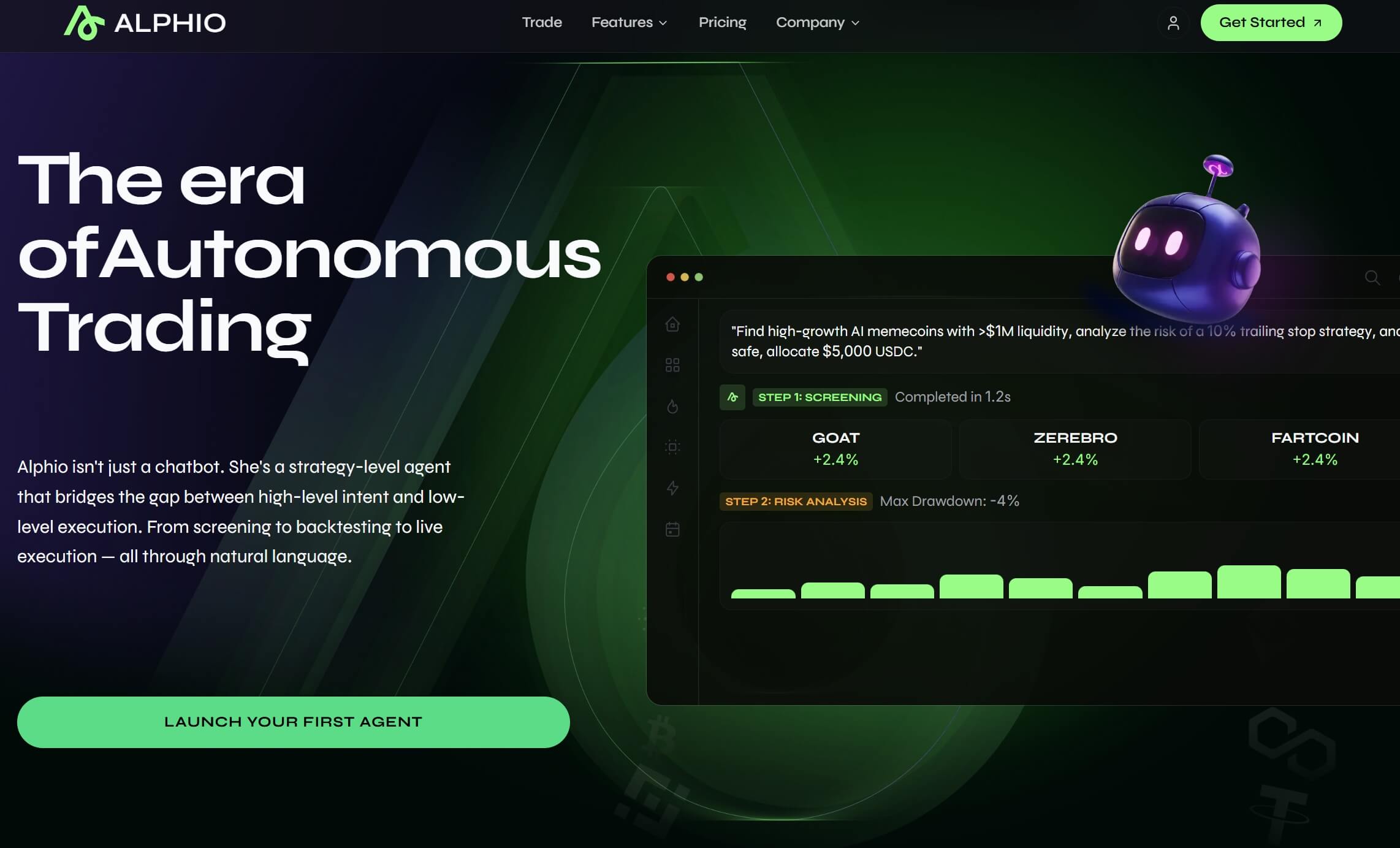
For investors seeking to navigate these volatile markets, tools that provide real-time analysis and automated trading strategies can be invaluable. Consider using Alphio AI's copy trading feature to mirror the strategies of successful traders who have demonstrated consistent performance during market downturns.
The Fed's Role: Rate Hikes Meet Tech Valuations
The Federal Reserve's decision to resume interest rate hikes in September 2026 after a three-year pause added a powerful accelerant to the tech selloff. The central bank raised the federal funds rate by 25 basis points to a range of 3.75% to 4.00%, with all 19 policymakers backing the move and a majority projecting at least one additional hike before year-end. For technology stocks, which had benefited enormously from the low-rate environment that prevailed through much of 2024 and 2025, this policy shift represented a fundamental change in the investment landscape.
Higher interest rates impact technology valuations through multiple channels. Most directly, they increase the discount rate applied to future cash flows, compressing the present value of earnings that tech companies promise to deliver years down the line. This effect is particularly acute for companies with heavy capex burdens and distant profitability timelines, categories that include many of the most prominent AI infrastructure plays. Additionally, rising rates increase the cost of servicing the debt that technology companies have issued to fund their expansion, directly pressuring margins.
The inflation data that accompanied the Fed's rate decision also weighed on sentiment. Consumer and producer price reports came in hotter than expected, reinforcing the central bank's assessment that inflation remains elevated relative to its 2% target. Energy price increases, in particular, have complicated the inflation picture, creating a supply-shock dynamic that monetary policy alone may struggle to address. For technology investors, the combination of rising rates and persistent inflation represents a stagflationary scenario that is historically unfavorable for growth stocks.
Which Stocks Are Hit Hardest
While the October 2026 selloff was broad-based, certain segments of the AI ecosystem experienced disproportionate damage. Semiconductor manufacturers, which had been among the market's best performers in 2024 and 2025, bore the brunt of the selling pressure. Nvidia's $214 billion single-day market cap loss was the largest of any company, reflecting both its enormous valuation premium and investor concerns about whether AI chip demand can sustain the growth rates that had been priced into the stock.
AMD, despite posting strong quarterly results that demonstrated accelerating data center revenue, fell more than 5% as investors questioned whether the company's product roadmap could sustain its premium valuation in a more rate-sensitive environment. Intel, already contending with market share losses to AMD and Nvidia, slid further as rising yields and oil prices compounded its existing challenges. The company's potential involvement in Elon Musk's Terafab project added an element of uncertainty that contributed to investor nervousness.
Beyond the chipmakers, AI software companies faced selling pressure as questions about monetization and customer retention intensified. Companies that had commanded valuations based on the assumption of rapid AI-driven revenue acceleration saw their multiples contract sharply. Even the hyperscalers, generally considered the most defensible names in the AI ecosystem, were not immune, as investors recalibrated their earnings models to reflect higher capex burdens and potentially slower revenue growth.
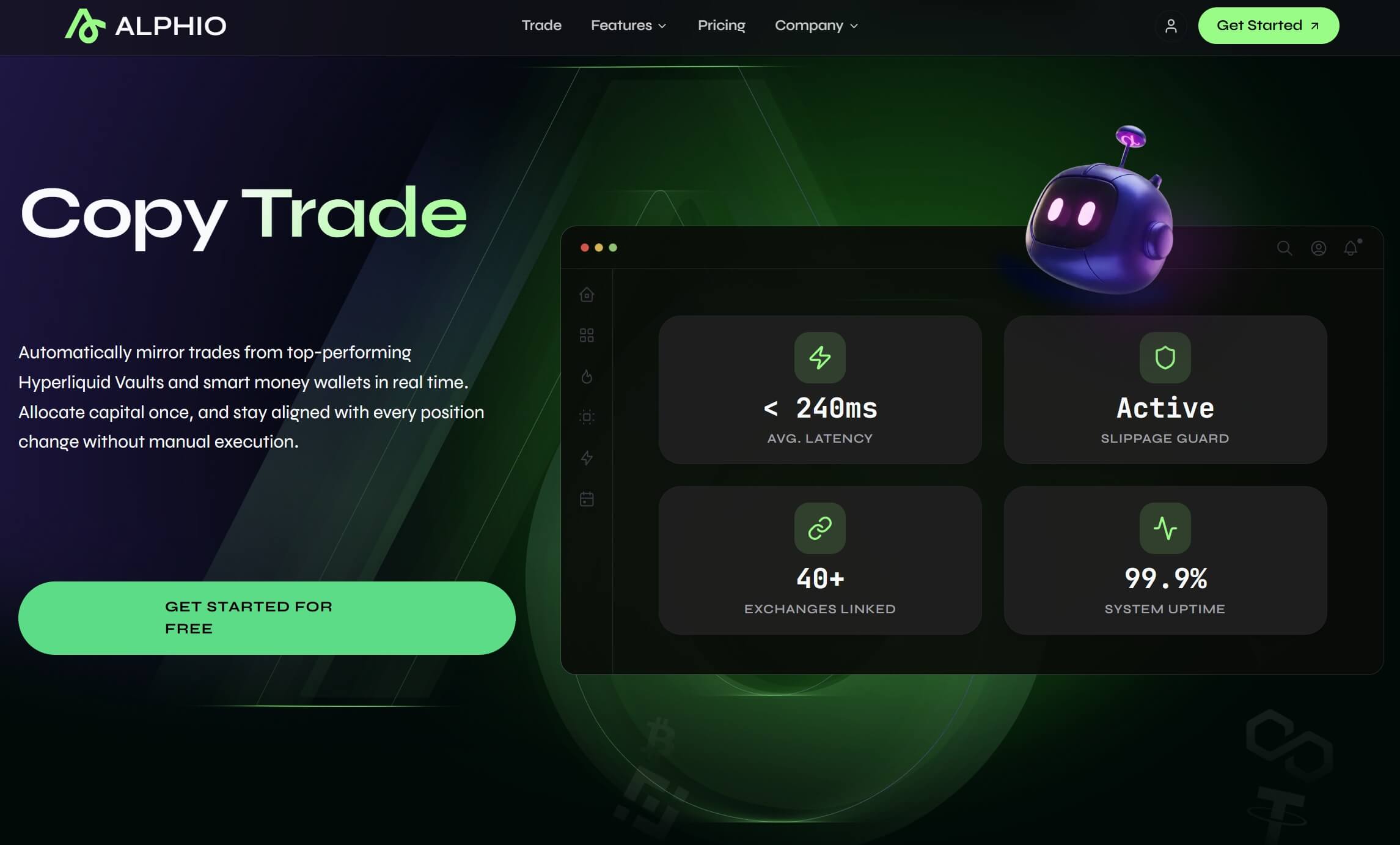
For traders looking to automate their response to these market dynamics, Alphio's agentic trading capabilities enable automated portfolio management that can adapt to changing market conditions in real time.
Is This a Buying Opportunity or a Warning Sign
The critical question facing investors in the aftermath of the October 2026 tech selloff is whether the downturn represents a attractive entry point for long-term positions or an early signal of a more profound repricing of AI-related assets. The case for buying rests on several compelling arguments. The long-term trajectory of AI adoption remains intact, with enterprise spending on generative AI projected to grow at a compound annual rate exceeding 30% through the end of the decade. Companies like Nvidia and AMD continue to report robust demand for their data center products, and the hyperscalers' massive capex commitments suggest sustained orders for AI infrastructure in the years ahead.
Moreover, valuation multiples have compressed meaningfully from their peaks. The S&P 500's forward price-to-earnings ratio has declined from 25x a year ago to approximately 21x, bringing valuations closer to historical norms. For investors with multi-year time horizons, this repricing may offer an opportunity to accumulate high-quality technology names at more reasonable prices than have been available since early 2024.
The counterargument, however, is equally persuasive. The convergence of rising interest rates, stubborn inflation, and mounting concerns about AI ROI creates a macroeconomic environment that is structurally unfavorable for technology stocks. If the Fed follows through with additional rate hikes in late 2026 and early 2027, the discount rate compression could drive valuations lower still. Furthermore, if enterprise AI adoption slows as customers conduct more rigorous ROI assessments, the revenue growth assumptions embedded in current analyst models may prove overly optimistic.
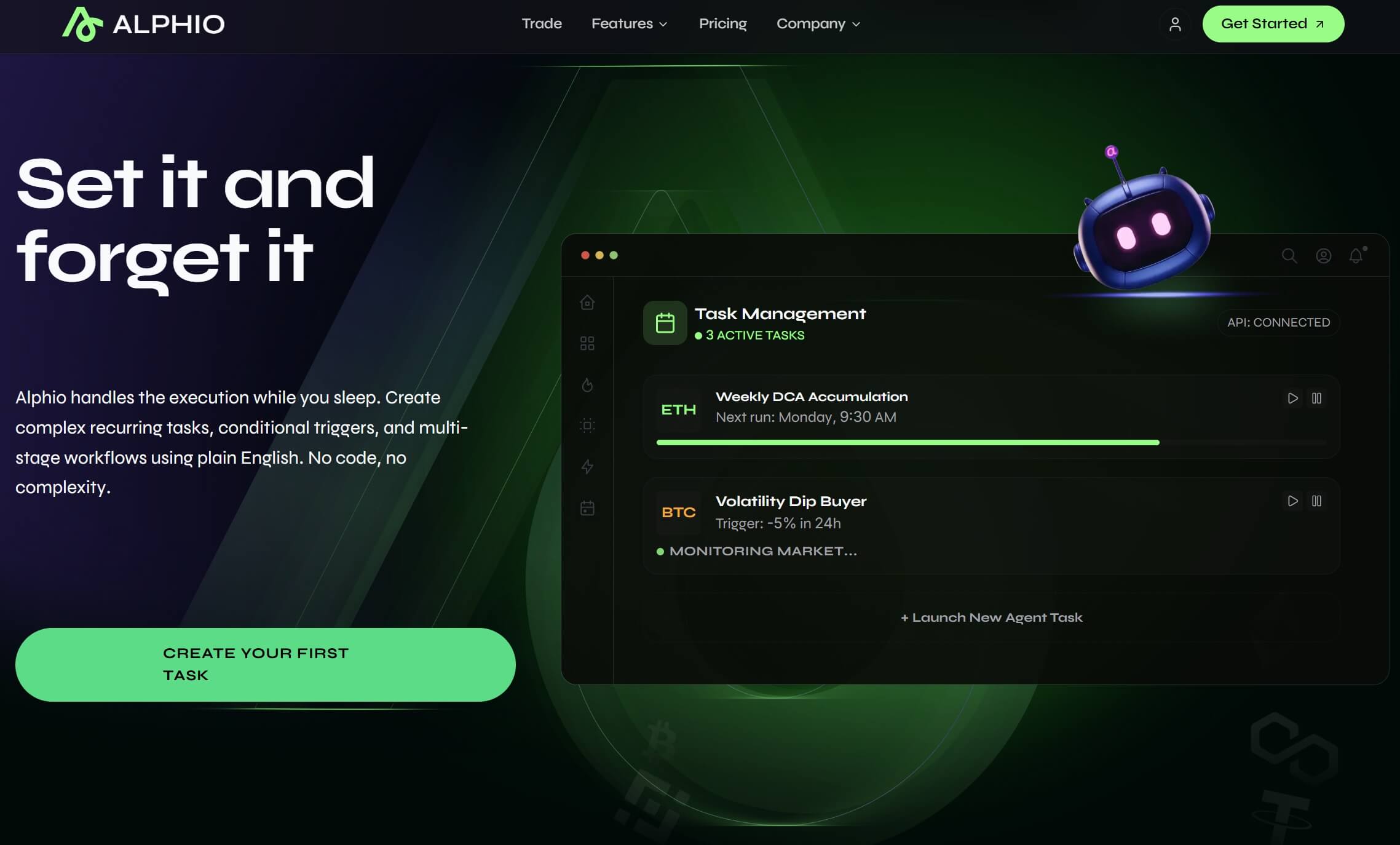
For investors seeking to implement systematic trading strategies without constant monitoring, Alphio's automations allow you to set conditional workflows that execute trades based on predefined market triggers.
Conclusion
The AI tech stocks selloff of October 2026 represents a critical inflection point for the artificial intelligence investment narrative. What began as a concentrated decline in semiconductor names rapidly metastasized into a broad-based rout that erased $2 trillion in market value and forced investors to confront fundamental questions about the sustainability of Big Tech's AI spending binge. The combination of massive capital expenditure commitments, rising interest rates, and persistent inflation has created a challenging environment that will likely persist through the remainder of 2026 and into 2027.
For investors, the path forward requires a more selective approach than the broad AI allocation strategies that served well in 2024 and 2025. Companies with clear paths to profitability, sustainable competitive advantages, and manageable balance sheets are likely to outperform those with distant earnings timelines and heavy capex burdens. The current correction, while painful, may ultimately prove healthy for the sector by redirecting capital toward the most productive AI applications and away from speculative ventures with limited commercial viability.
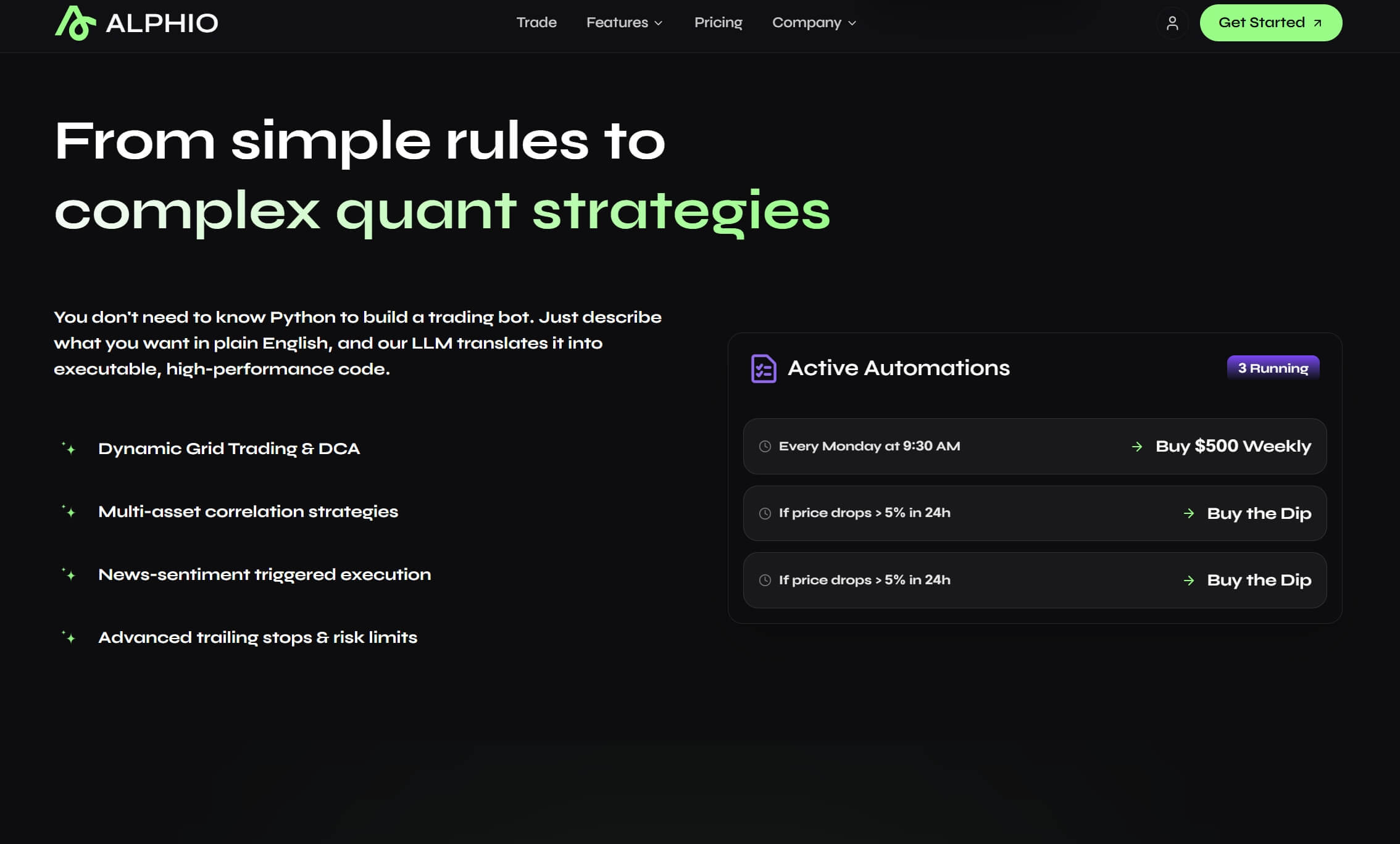
Traders looking for efficient ways to execute positions and manage risk in volatile markets should explore Alphio's conversational trading interface, which enables trade execution through natural language commands.
The AI revolution is far from over, but the easy money phase has likely concluded. Success in the next chapter of AI investing will require deeper due diligence, more disciplined valuation frameworks, and a willingness to distinguish between genuine technological disruption and overhyped narratives. The October 2026 selloff may ultimately be remembered as the moment when the AI market transitioned from a momentum-driven speculation to a fundamentally grounded investment opportunity.
FAQs
What caused the AI tech stocks selloff in October 2026?
The selloff was driven by mounting concerns over massive AI capital expenditures by Big Tech companies, the Federal Reserve's resumption of interest rate hikes after a three-year pause, and hotter-than-expected inflation data. Meta's disclosure that it may need to raise hundreds of billions for AI spending particularly rattled investors.
How much market value was lost during the October 2026 tech selloff?
Approximately $2 trillion in market capitalization was wiped out from AI-related companies over eight days. Nvidia alone lost over $214 billion in a single session.
Which stocks were hit hardest in the AI selloff?
Semiconductor manufacturers bore the brunt, with Nvidia falling nearly 4%, AMD dropping over 5%, and Intel sliding 3%. The selling also extended to AI software companies, cloud providers, and utility stocks that had benefited from projected AI-driven electricity demand.
Is the AI tech selloff a buying opportunity?
Opinions are divided. Bulls point to intact long-term AI adoption trends and compressed valuations, with the S&P 500 forward P/E declining from 25x to 21x. Bears cite rising interest rates, persistent inflation, and mounting concerns about AI ROI as reasons for caution.
How much are Big Tech companies spending on AI in 2026?
Meta raised its 2026 capex guidance to $130-145 billion. Microsoft, Google, and Amazon collectively guided toward approximately $725 billion in AI infrastructure investment for 2026. Microsoft's CFO cited $25 billion in component price inflation as a factor driving costs higher.
Related articles
- Stock Market Surges After 2026 Midterms: What the Democratic Sweep Means for Your PortfolioThe stock market rallied after Democrats won the 2026 midterms. Discover what the election means for investors, tech stocks, and the S&P 500 outlook.
- Stock Market Surges After 2026 Midterms: What the Democratic Sweep Means for Your PortfolioThe stock market rallied after Democrats won the 2026 midterms. Discover what the election means for investors, tech stocks, and the S&P 500 outlook.
- Oil Prices Surge Above $105 Amid US-Iran Conflict: Energy Investment Opportunities in November 2026Oil prices climb past $105 as US strikes Iran's Qeshm Island. Discover energy investment opportunities, top oil stocks, and market outlook for November 2026.
- NVIDIA Q2 2026 Earnings: Breaking Down the $96.2 Billion AI PowerhouseNVIDIA reports stunning Q2 FY2027 results with $96.2B revenue and $89B data center sales. Analysis of NVDA stock outlook, AI demand, and investment implications.
- NVIDIA Earnings August 2026: Record Data Center Revenue and Blackwell Momentum Drive AI DominanceNVIDIA reports record Q2 FY2027 earnings with $89B data center revenue, up 116.6% YoY. Analysis of Blackwell ramp, AI demand, and stock outlook for investors.
- NVIDIA Q2 2026 Earnings: $46.7B Revenue Beat Shows AI Demand Remains UnstoppableNVIDIA reports Q2 2026 earnings with $46.7B revenue, beating estimates. Data Center revenue hits $41.1B. Blackwell chip demand drives growth. Stock analysis & outlook.