
Risk & Control
Cash Flow Anomaly Detection
Detect unusual cash flow patterns, separate structural shifts from one-off noise, and trace causal drivers across the statements. Use when the user asks about earnings quality, cash conversion, or unusual operating cash flow behavior.
概览
Detect unusual cash flow patterns, separate structural shifts from one-off noise, and trace causal drivers across the statements.
Detect unusual cash flow patterns, separate structural shifts from one-off noise, and trace causal drivers across the statements.
Skill.md
这个 Skill 如何工作
Detect unusual cash flow patterns, separate structural shifts from one-off noise, and trace causal drivers across the statements. Use when the user asks about earnings quality, cash conversion, or unusual operating cash flow behavior.
Use This Skill When
- Operating cash flow, free cash flow, and earnings are diverging in a way that needs explanation.
- The user suspects hidden stress, temporary timing distortion, channel stuffing, capex pull-forward, or financing dependence.
- A quarter or year shows an outlier that may alter confidence in earnings quality or liquidity.
- The task is to trace cash flow behavior across all three statements rather than comment on one metric in isolation.
Required Inputs
- Income statement, balance sheet, and cash flow statement for the relevant periods.
- EBITDA, net income, operating cash flow, capex, free cash flow, and debt or equity financing data if available.
- Segment or management commentary for unusual items, working capital swings, or policy changes.
- Any user concern such as weak conversion, suspicious receivables, or a sudden improvement in FCF.
Workflow
- Start with a high-level bridge from earnings to operating cash flow to free cash flow.
- Isolate the abnormal driver categories: working capital, non-cash add-backs, capex, tax timing, restructuring, litigation, financing inflows, or asset sales.
- Trace each suspected anomaly through the linked statement accounts to confirm whether the story is internally consistent.
- Separate
timing,one-off, andstructuralcomponents. State which bucket dominates. - Assess whether the anomaly raises or lowers confidence in earnings quality, liquidity resilience, and future conversion.
- End with a monitoring list that ties the anomaly to the next few reporting periods.
Output Requirements
- Use an investigative, cross-statement tone rather than a descriptive recap of the cash flow statement.
- Present the anomaly first, then the reconciliation, then the judgment.
- Be granular enough to identify the specific line items or balance sheet movements driving the result.
- Distinguish clearly between benign timing effects and signs of economic deterioration.
- If the evidence is mixed, say which interpretation is more likely and what would falsify it.
Output Template
Headline Anomaly
- Period reviewed:
- What looks unusual:
- Why it matters for the thesis:
Statement Bridge
- Earnings / EBITDA trend:
- Operating cash flow bridge:
- Capex / investing bridge:
- Financing bridge:
Main Drivers
[Driver]
- Evidence:
- Related statement lines:
- Likely explanation:
Structural vs One-Off Assessment
- Timing effects:
- One-time items:
- Structural concern:
- Most likely interpretation:
Risk to Earnings Quality and Liquidity
- Earnings quality read:
- Cash conversion read:
- Balance sheet implication:
What to Monitor Next
- Metric 1:
- Metric 2:
- Filing / disclosure item:
Quality Checks
- Verify the anomaly is traced across all three statements rather than inferred from one ratio.
- Check whether working capital movements are normalized for seasonality, acquisitions, or billing cadence when relevant.
- Make sure the output distinguishes financing support from self-funded operating cash generation.
- Confirm any
one-offlabel is supported by timing, disclosure, or non-recurring event evidence. - Ensure the conclusion states whether confidence in the business increased, decreased, or remains mixed.
Guardrails
- Do not treat every operating cash flow miss as fraud or every cash flow beat as quality improvement.
- Do not ignore capex timing or balance sheet cleanups that can materially change free cash flow.
- Do not assume management-adjusted EBITDA explains cash behavior; reconcile it independently.
- Do not stop at ratios like
cash conversion; explain the underlying mechanics. - Do not overstate certainty when disclosure is insufficient to separate timing from structural deterioration.
Example Prompts
- Explain why this industrial company's operating cash flow collapsed even though EBIT was stable.
- Detect the real cash flow anomaly in
Shopifyand tell me whether it is timing noise or a quality issue. - Walk through an earnings-to-free-cash-flow mismatch for a semiconductor company with rising inventory.
最适合用于
何时使用
Detect unusual cash flow patterns, separate structural shifts from one-off noise, and trace causal drivers across the statements. Use when the user asks about earnings quality, cash conversion, or unusual operating cash flow behavior.
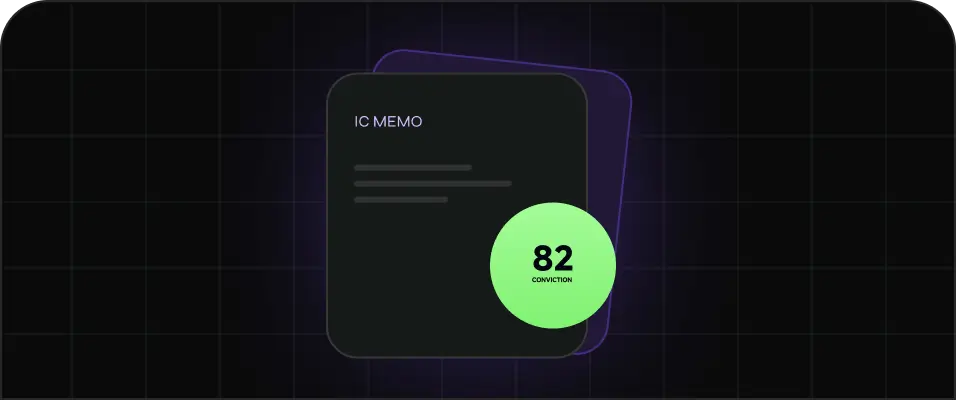
01 · 会前准备
准备决策简报
Operating cash flow, free cash flow, and earnings are diverging in a way that needs explanation. The user suspects hidden stress, temporary timing distortion, channel stuffing, capex pull-forward, or financing dependence. A quarter or year shows an outlier that may alter confidence in earnings quality or liquidity. The task is to trace cash flow behavior across all three statements rather than comment on one metric in isolation.
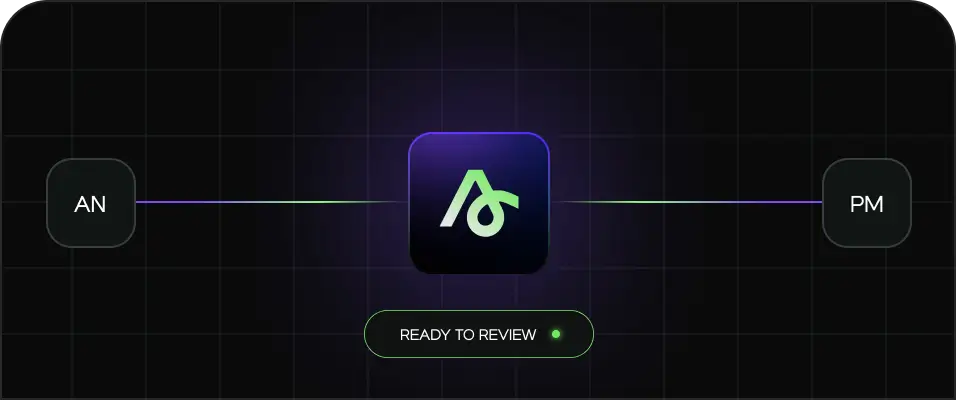
02 · 团队协作
统一交接标准
让分析师、组合经理与 Agent 产出一致的研究结果。
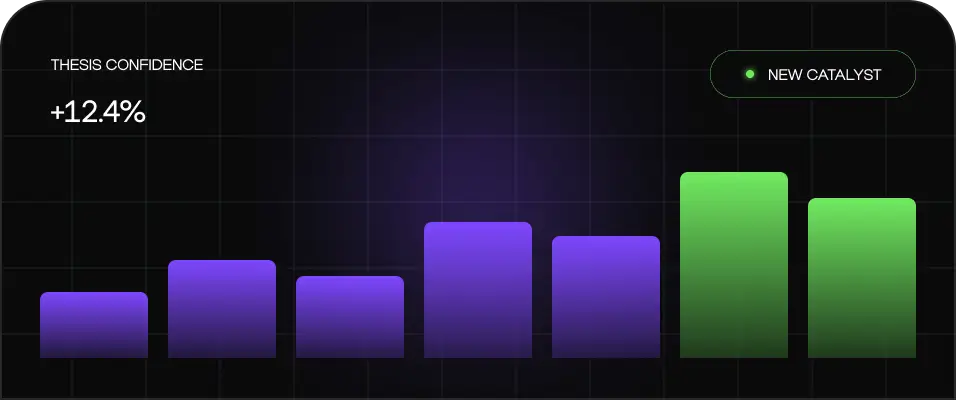
03 · 实时更新
更新投资逻辑
出现新催化剂、KPI 发布或财报结果后,更新情景假设。
社区反馈
越用越好用。
随着 Skill 被使用与评审,反馈将展示在这里。
发现更多
相关 Skills
查看全部Stock Compensation Economic Cost
Treat stock-based compensation as a real economic cost, benchmark dilution, and assess the impact on cash flow, ownership, and true profitability. Use when evaluating software or growth companies…

Capitalization Policy Consistency
Compare capitalization policy against accounting norms and peer practice to expose aggressive capitalization, expense deferral, or earnings smoothing. Use when analyzing software, R&D, content, or…
Goodwill Impairment Risk Indicators
Assess goodwill impairment risk using acquisition history, segment underperformance, valuation compression, and accounting warning signs. Use when evaluating acquisitive companies or balance sheets…