
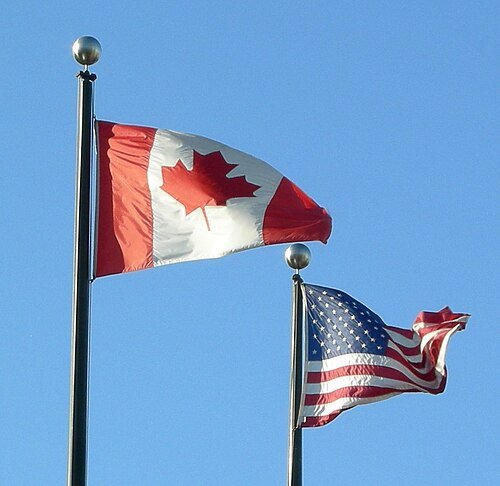
US-Canada diplomatic agreement to lower tariffs by...?
Kernzusammenfassung
Laut den neuesten Prognosemarktdaten zur Frage „US-Canada diplomatic agreement to lower tariffs by...?“ haben die Händler einen starken Konsens gebildet.
Derzeit dominiert December 31 den Markt mit einer überwältigenden Gewinnwahrscheinlichkeit von 59,5%. November 30 folgt auf dem zweiten Platz mit 38%, während October 31 mit 3,2% auf dem dritten Platz liegt. Das Wettvolumen dieses Marktes hat bereits $296K erreicht, was auf großes Interesse hindeutet.
Aufschlüsselung der Wettbewerbsstufen
Um besser einzuschätzen, wo jedes mögliche Ergebnis steht, lässt sich der Markt anhand der impliziten Wahrscheinlichkeit und der Kontraktpreise in drei Handelsstufen unterteilen:
🥇 Stufe 1: Der dominante Spitzenreiter
- December 31 (59,5%): Mit der höchsten Wahrscheinlichkeit wird December 31 vom Orderbuch stark favorisiert. Wer auf dieses Ergebnis setzen will, sieht sich einem „Buy Yes“-Kontraktpreis von 60¢ gegenüber – ein Zeichen hoher Marktüberzeugung. Allein dieser Kontrakt hat $43.7K Volumen erzeugt.
🥈 Stufe 2: Die wichtigsten Herausforderer
- November 30 (38%): Als tragfähigste Alternative hält November 30 eine Wahrscheinlichkeit von 38%, einzutreten. Seine „Buy Yes“-Anteile werden derzeit zu 38¢ gehandelt.
- October 31 (3,2%): Auf dem dritten Platz mit 3,2% Wahrscheinlichkeit zeigt der Markt eine maßvolle Skepsis gegenüber October 31 und behandelt es als Außenseiter, sofern sich die Dynamik nicht ändert.
Umfassendes Orderbuch- & Preis-Dashboard
Die folgende Tabelle zeigt die vollständige Aufschlüsselung von Kontraktpreisen, Wahrscheinlichkeiten und Markttiefe für alle gelisteten Ergebnisse dieses Prognose-Pools:
| Rang | Vorhergesagtes Ergebnis | Gewinnwahrscheinlichkeit | Handelsvolumen | Yes kaufen (Kosten) | No kaufen (Kosten) |
|---|---|---|---|---|---|
| 1 | December 31 | 59.5% | $43.7K | 60¢ | 41¢ |
| 2 | November 30 | 38.0% | $20 | 38¢ | 62¢ |
| 3 | October 31 | 3.2% | $126.2K | 3¢ | 97¢ |
Abrechnungsregeln
This market will resolve to “Yes” if a diplomatic agreement between the United States and Canada to lower US tariffs on Canada is announced by August 31, 2026, 11:59 PM ET.
A diplomatic agreement to lower US tariffs on Canada refers to an official agreement, treaty, deal, or substantially similar diplomatic instrument that commits or obligates the United States to lower any tariffs on Canada, or includes the lowering of US tariffs on Canada as part of its stated terms.
Any reduction, revocation, or suspension of US tariffs on Canada, or the cancelled or suspended implementation of previously announced tariffs not yet effective, mutually announced as part of a diplomatic agreement, will qualify as lowering tariffs.
All listed countries must announce their acceptance of the same qualifying diplomatic agreement. A joint announcement will qualify, as will separate announcements from each entity of its own acceptance of an agreement which, taken together, directly indicate that all the listed countries accepted the same agreement. Separate announcements of individual policies will not qualify if the policies are not announced as part of a diplomatic agreement.
Each announcement must be a declarative statement that clearly and unambiguously communicates acceptance of an agreement. Statements that reference ongoing negotiations or a prospective agreement, or that allude to or express support for an agreement without confirming acceptance of the agreement, do not qualify. A qualifying announcement need not reference the agreement by name or use specific terminology, provided it clearly communicates acceptance of an agreement.
Whether announcements from the listed countries represent a diplomatic agreement and whether such an agreement qualifies will be primarily determined through the announcements themselves. Where an announcement is made by all listed countries but, based on the announcements, it remains ambiguous whether the announcements represent a qualifying diplomatic agreement between the countries or whether the agreement qualifies, this market will remain open until either i) definitive confirmation that the announcements represent a qualifying diplomatic agreement between the listed entities is achieved through further announcements from the listed countries or a consensus of credible reporting or ii) 14 calendar days (ET) have passed after the date that the last country made their first potentially qualifying announcement. If this period would extend past the end date, this market will remain open to allow for 14 full calendar days to pass. If, at the end of the fourteenth calendar day, no definitive confirmation has been achieved, the announcements will be adjudicated based on the totality of information available from the resolution sources at that time. No single statement, denial, or presentation of evidence will govern where it is contradicted by the totality of information.
The resolution sources for this market will be official information from the governments of the United States and Canada and a consensus of credible reporting.
KI-Bewertungsanalyse: Fehlbewertungen & EV-Lücken finden
Während menschlicher Konsens und spekulatives Volumen den breiteren Prognosemarkt prägen, bieten unsere quantitativen Algorithmen eine datengetriebene Gegenperspektive. Durch Analyse fundamentaler Signale, zugrunde liegender Trends und historischer Verteilungen berechnet unser KI-Bewertungsmodell für jedes Ergebnis eine unabhängige „Fair-Value“-Wahrscheinlichkeit.
Der Vergleich dieses Fair Value mit dem aktuellen Marktwert deckt große Abweichungen auf – die sogenannte Erwartungswert-(EV-)Lücke. Kontrakte mit positiver EV-Lücke sind statistisch unterbewertete Ergebnisse, während eine negative EV-Lücke auf eine mögliche Marktüberreaktion hinweist.
Top-KI-Alpha & fehlbepreiste Arbitrage-Chancen
Auf Basis des jüngsten Datenmodell-Laufs fallen mehrere Schlüsselkontrakte mit deutlichen Abweichungen auf:
- Das am stärksten überbewertete Ergebnis: December 31 wird derzeit zu 59,5% gehandelt, doch unsere KI setzt den Fair Value bei nur 56,1% an. Das erzeugt eine große negative EV-Lücke von -3,4% und deutet darauf hin, dass die Masse dieses Ergebnis überbewertet.
- Der beste Value-Play (höchster EV): Unser Modell identifiziert October 31 als die attraktivste Value-Chance auf dem Board. Während der Markt ihm nur eine Handelswahrscheinlichkeit von 3,2% zuweist, liegt die Fair-Value-Einschätzung unserer KI bei 17,2% – eine beeindruckende EV-Lücke von +14%.
| Market | Trade Value | Fair Value | EV Gap |
|---|---|---|---|
| December 31 | 59.5% | 56.1% | -3.4% |
| November 30 | 38.0% | 35.0% | -3.0% |
| October 31Best EV | 3.2% | 17.2% | +14.0% |
Handelsaktivitäten
Hier sind die Handelsaktivitäten für dieses Event.
Oct 25, 2026
- 08:48 PMOUOuuu-shi$4.70
Bought 5 No for US-Canada diplomatic agreement to lower tariffs by October 31? at 0.94
- 08:48 PMLOlongdated-poli$772.39
Sold 830.53 No for US-Canada diplomatic agreement to lower tariffs by October 31? at 0.93
- 08:29 PMGIGidGud$11.30
Sold 12.15 No for US-Canada diplomatic agreement to lower tariffs by October 31? at 0.93
- 07:44 PM4242021$1.40
Sold 20 Yes for US-Canada diplomatic agreement to lower tariffs by October 31? at 0.07
- 07:35 PMT2T22222222222$18.60
Sold 20 No for US-Canada diplomatic agreement to lower tariffs by October 31? at 0.93
- 07:35 PMSTstrashnyleytenant$1.88
Bought 26.8 Yes for US-Canada diplomatic agreement to lower tariffs by October 31? at 0.07
- 07:35 PMCOcorsur4$18.60
Sold 20 No for US-Canada diplomatic agreement to lower tariffs by October 31? at 0.93
- 07:35 PM——$121.75
Sold 128.16 No for US-Canada diplomatic agreement to lower tariffs by October 31? at 0.95
- 07:35 PMJSJsonStatham$2.10
Bought 30 Yes for US-Canada diplomatic agreement to lower tariffs by October 31? at 0.07
- 07:35 PMJSJsonStatham$1.46
Sold 1.57 No for US-Canada diplomatic agreement to lower tariffs by October 31? at 0.93
- 07:35 PMHFhfv$2.40
Bought 60 Yes for US-Canada diplomatic agreement to lower tariffs by October 31? at 0.04
- 07:35 PMJSJsonStatham$5.92
Bought 118.43 Yes for US-Canada diplomatic agreement to lower tariffs by October 31? at 0.05
Wal-Wallets, die auf dieses Event wetten
Häufig gestellte Fragen
Wie lautet der aktuelle Marktkonsens zu „US-Canada diplomatic agreement to lower tariffs by...?“?
Zum letzten Stand führt December 31 mit einer Gewinnwahrscheinlichkeit von 59,5%, gefolgt von November 30 mit 38% und October 31 mit 3,2%. Das Gesamthandelsvolumen erreicht $296K, was hohe Liquidität und Beteiligung signalisiert.
Wie unterscheidet sich der KI-Fair-Value vom Live-Marktwert?
Der Live-Marktwert spiegelt öffentliche Stimmung, Orderbuch-Momentum und spekulatives Kapital wider. Unser KI-Fair-Value wird unabhängig mit quantitativen Modellen berechnet, die den Hype ausblenden und sich auf die zugrunde liegenden Daten konzentrieren. Weichen beide voneinander ab, entsteht eine EV-Lücke, die mögliche Fehlbewertungen aufzeigt.
Welches Ergebnis hat aktuell den höchsten Erwartungswert (EV)?
Unser jüngster Lauf identifiziert October 31 als größte Fehlbewertung. Während der Markt es mit 3,2% impliziter Wahrscheinlichkeit handelt, berechnet unsere KI einen Fair Value von 17,2% — eine EV-Lücke von +14%, der attraktivste Value-Play im Pool.
Überreagiert der Marktkonsens auf ein bestimmtes Ergebnis?
Ja — unsere Daten deuten auf eine deutliche Überreaktion bei December 31 hin. Die Masse hat den Live-Marktwert auf 59,5% getrieben, doch unsere Fair-Value-Einschätzung sieht die reale Wahrscheinlichkeit bei nur 56,1% — eine negative EV-Lücke von -3,4%, die auf eine Überbewertung hinweist.