
Industry Structure
Private Label Penetration
Assess private-label share gains, branded pressure, and trade-down dynamics across consumer categories. Use when the user wants to analyze brand resilience, retailer power, or value-seeking consumer behavior.
Resumen
Assess private-label share gains, branded pressure, and trade-down dynamics across consumer categories.
Assess private-label share gains, branded pressure, and trade-down dynamics across consumer categories.
Skill.md
Cómo funciona esta Skill
Assess private-label share gains, branded pressure, and trade-down dynamics across consumer categories. Use when the user wants to analyze brand resilience, retailer power, or value-seeking consumer behavior.
Use This Skill When
- The user wants to know whether private label is gaining share.
- The task is to assess branded pricing power versus retailer bargaining power.
- The analysis needs to understand trade-down dynamics in consumer categories.
Required Inputs
category: food, household, personal care, apparel, or other consumer segmentmarket: country or retail channelsignals: share trends, pricing gaps, promo intensity, retailer commentary, branded volume trendstime horizon: current quarter, next year, or cycle- If share data is limited, use retailer and branded commentary directionally and say the evidence is incomplete.
Workflow
- Define the category and channel.
- Assess relative price gap between branded and private-label products.
- Review volume, mix, and retailer shelf behavior.
- Determine whether private-label gains are cyclical, structural, or promotional.
- Explain the implications for branded margins, retailer power, and category pricing.
- End with the likely persistence of the share shift.
Output Requirements
- Focus on category behavior and share migration.
- Distinguish temporary trade-down from structural private-label adoption.
- Tie pricing gaps to volume response and retailer strategy.
- State which side of the shelf has leverage.
Output Template
Scope
- Category:
- Market / channel:
- Horizon:
Share Dynamics
- Private-label trend:
- Branded trend:
- Pricing gap:
- Promo behavior:
Interpretation
- Trade-down intensity:
- Structural versus cyclical:
- Retailer power:
Financial Read-Through
- Branded volume impact:
- Margin implication:
- Category pricing implication:
Monitoring
- Share metric:
- Pricing metric:
- Retailer signal:
Quality Checks
- Confirm pricing gap and volume response are both discussed.
- Check that channel context is explicit.
- Verify the analysis distinguishes structural from cyclical share shifts.
- Make sure retailer power is addressed.
Guardrails
- Do not assume all private-label gains are permanent.
- Do not analyze private label without channel context.
- Do not ignore promotion and shelf-space effects.
- Do not fabricate share data or retailer behavior.
Example Prompts
- Assess whether private label is structurally taking share in packaged food.
- Explain the branded margin risk from private-label penetration in household products.
- Show whether trade-down behavior is accelerating in this consumer category.
Ideal para
Cuándo usarla
Assess private-label share gains, branded pressure, and trade-down dynamics across consumer categories. Use when the user wants to analyze brand resilience, retailer power, or value-seeking consumer behavior.
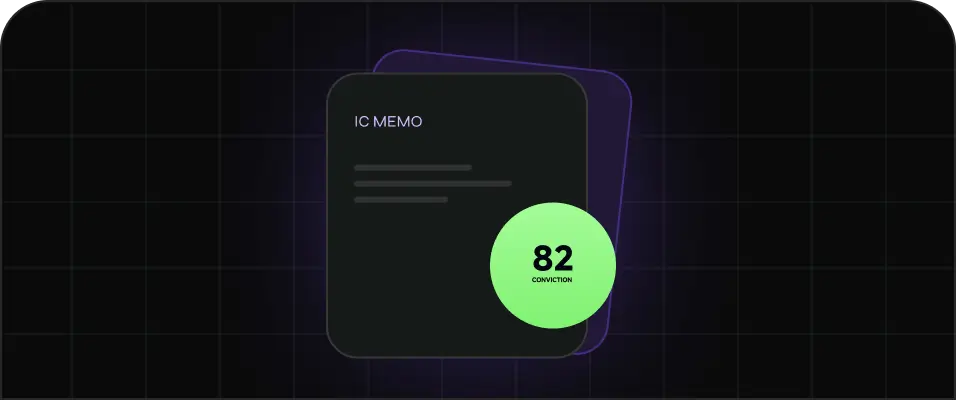
01 · ANTES DE LA REUNIÓN
Prepara un informe de decisión
The user wants to know whether private label is gaining share. The task is to assess branded pricing power versus retailer bargaining power. The analysis needs to understand trade-down dynamics in consumer categories.
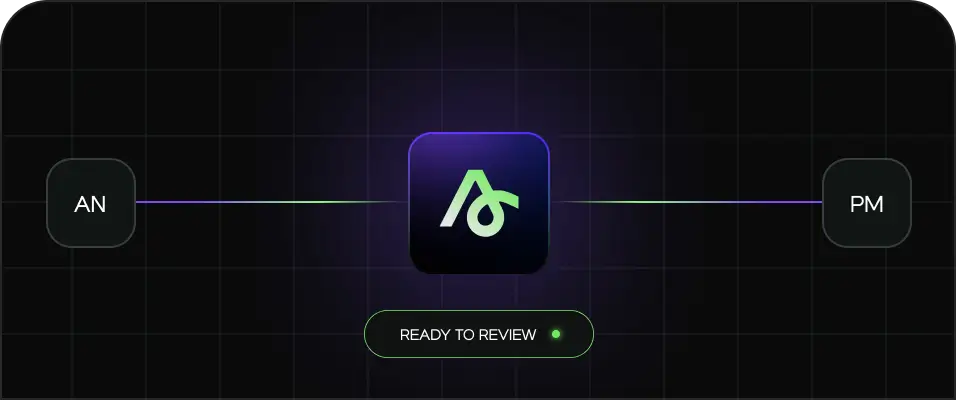
02 · FLUJO DE EQUIPO
Estandariza los traspasos
Genera resultados de research consistentes entre analistas, gestores de cartera y agents.
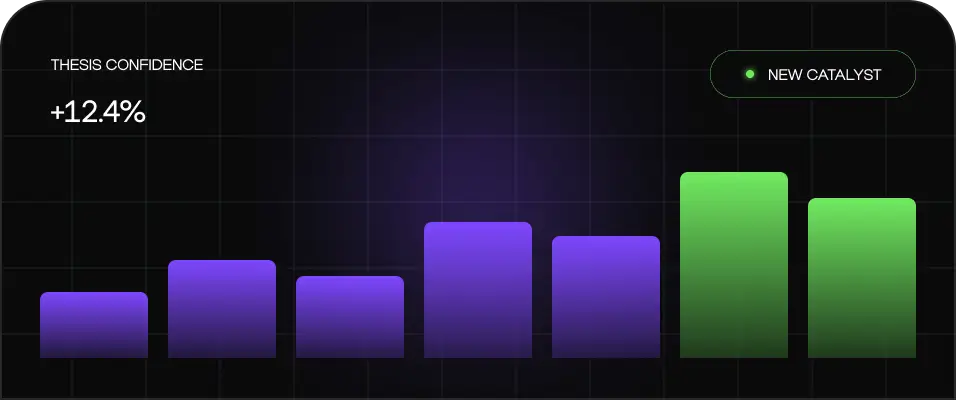
03 · ACTUALIZACIÓN EN VIVO
Refresca la tesis
Actualiza los escenarios tras un nuevo catalizador, la publicación de un KPI o un resultado trimestral.
Notas de la comunidad
Mejora a medida que se usa.
Los comentarios aparecerán aquí a medida que esta Skill se use y se revise.
Descubre más
Skills relacionadas
Ver todasAuto Sales Momentum
Track auto demand through sales, pricing, incentives, inventories, and mix to assess whether the auto cycle is strengthening or weakening. Use when the user wants a demand read on auto OEMs, dealers,…

sector-analyst
Sector Analyst interprets sector- and industry-level performance charts (typically 1-week and 1-month) to determine market cycle positioning and probable rotation scenarios.
funding-digest
This Skill generates a polished, analyst-quality single-slide PowerPoint summarizing recent funding rounds and capital markets activity across a user’s watched sectors or companies, using S&P Global…