

What to Look for Before Investing: 5 Essential Factors Every Investor Must Know
Discover the 5 critical things to look for before investing in any company. Learn how to analyze industry trends, financial performance, leadership, and more to make informed investment decisions in 2


Key Takeaway
Before committing your hard-earned money to any investment, thorough research is not just recommended—it is essential. The difference between successful investors and those who consistently lose money often comes down to the quality of their pre-investment analysis. This comprehensive guide outlines the five critical factors you must evaluate before making any investment decision, providing you with a systematic framework to identify opportunities while avoiding costly mistakes.
The stock market offers tremendous wealth-building potential, with historical returns averaging around 7% annually. However, these returns are not guaranteed, and poor investment decisions can lead to significant losses. By understanding what to look for before investing, you position yourself to make informed decisions based on facts rather than emotions or hype. Whether you are a beginner investor or looking to refine your approach, these five factors will serve as your investment checklist for 2026 and beyond.

For investors seeking to mirror the strategies of successful traders while building their own analytical skills, consider exploring Alphio AI's copy trading feature to learn from smart money wallets and experienced investors.
1. Deep Understanding of the Industry
Warren Buffett, one of the most successful investors of all time, emphasizes the importance of staying within your "circle of competence." This principle is foundational to intelligent investing and should guide every investment decision you make.
Why Industry Knowledge Matters
Investing in companies whose industries you understand provides several advantages. First, you can better evaluate competitive positioning and identify companies with sustainable competitive advantages. Second, you are more likely to recognize industry trends and disruptions before they become obvious to the broader market. Third, you can make more accurate assessments of management's strategic decisions and their likely outcomes.
Consider the technology sector as an example. If you work in software development, you likely understand the significance of cloud computing transitions, the importance of recurring revenue models, and the competitive dynamics between established players and emerging challengers. This insider perspective enables you to identify promising investment opportunities that others might overlook.
Conversely, investing in industries you do not understand exposes you to significant risk. Without industry context, you cannot properly evaluate whether a company's strategy makes sense, whether its valuation is reasonable, or whether competitive threats are material. You become dependent on others' opinions rather than forming your own informed judgments.
How to Research an Industry
Start by reading industry reports from reputable sources such as McKinsey, Deloitte, and industry-specific trade publications. These reports provide overviews of market size, growth rates, key trends, and competitive dynamics. Next, examine the regulatory environment, as regulatory changes can dramatically impact industry profitability and competitive positioning.
Study the industry's value chain to understand where profits are captured and how power is distributed among suppliers, manufacturers, distributors, and customers. Finally, identify the key performance indicators that drive success in the industry, as these will be crucial for evaluating individual companies.
2. Historical Performance Analysis
While past performance does not guarantee future results, historical data provides valuable context for evaluating investment opportunities. A company's track record reveals how management has navigated various market conditions and whether the business model generates consistent results.
One, Three, and Five-Year Performance Metrics
When analyzing historical performance, examine multiple timeframes to identify trends and patterns. One-year performance shows recent momentum and how the company has handled immediate challenges. Three-year performance reveals medium-term trends and helps smooth out short-term volatility. Five-year performance demonstrates the company's ability to execute its strategy over a full business cycle.
Key metrics to analyze include revenue growth, earnings growth, profit margins, return on equity, and free cash flow generation. Look for consistency across these metrics rather than one-time spikes that may not be sustainable. Companies with steady, predictable growth often make better long-term investments than those with erratic performance, even if the latter occasionally delivers spectacular returns.
Contextualizing Performance Data
Raw performance numbers tell only part of the story. You must contextualize this data by comparing it to industry peers and broader market indices. A company growing revenue at 10% annually might seem impressive until you discover that its primary competitor is growing at 25% and gaining market share.
Similarly, consider the economic environment during the periods being analyzed. Companies that thrived during economic expansions but struggled during downturns may face significant challenges when the next recession arrives. The best investments are often those that demonstrate resilience across various market conditions.
Red Flags in Historical Performance
Be wary of companies with declining revenue or earnings trends, as these often indicate fundamental business challenges. Similarly, watch for companies that consistently miss their own guidance or analyst expectations, as this suggests management may be overly optimistic or lacks control over their business.
Sudden changes in accounting practices, frequent restatements of financial results, or unexplained volatility in key metrics should also raise concerns. These patterns may indicate underlying problems that are not immediately apparent from headline numbers.
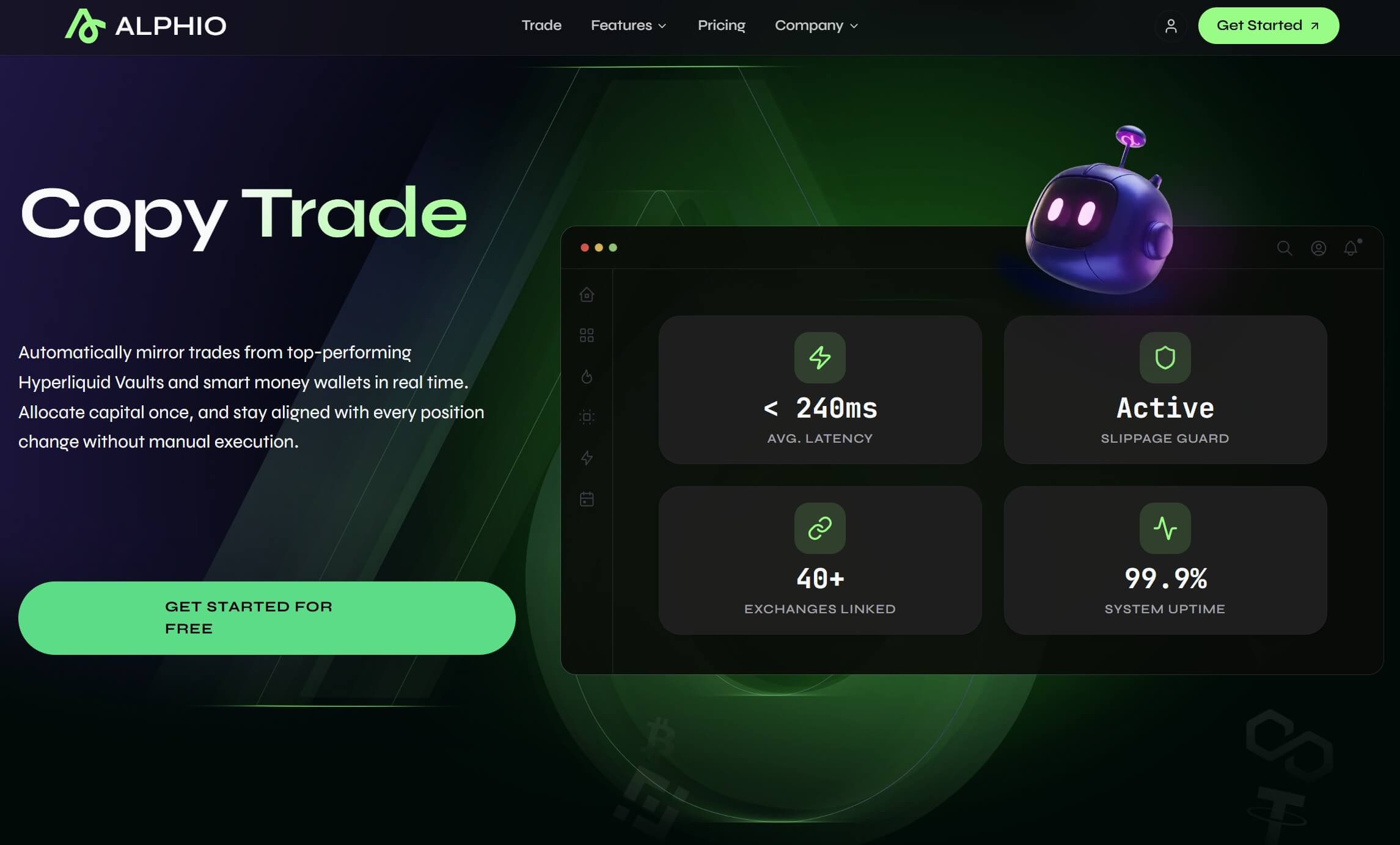
Leverage Alphio's agentic trading capabilities to automate your portfolio monitoring and receive alerts when your investments show concerning performance trends.
3. Quality of Leadership and Management
A company is only as good as the people running it. Strong leadership can navigate challenges, capitalize on opportunities, and build sustainable competitive advantages. Weak leadership can destroy value even in attractive industries with promising business models.
Evaluating Management Quality
Start by researching the backgrounds of key executives, particularly the CEO and CFO. Look for relevant industry experience, successful track records at previous companies, and appropriate educational credentials. Be cautious of management teams that lack deep industry expertise or have histories of value destruction at other organizations.
Examine management's communication with shareholders through earnings calls, annual reports, and investor presentations. Transparent, candid communication is a positive sign, while evasive answers, excessive optimism, or blame-shifting are red flags. The best management teams acknowledge challenges honestly while articulating clear plans to address them.
Alignment of Interests
Management ownership of company stock is generally positive, as it aligns their financial interests with those of shareholders. However, examine the details of their compensation packages. Excessive salaries, generous perks, or complicated incentive structures that reward short-term performance at the expense of long-term value creation should raise concerns.
Look for management teams that have demonstrated capital allocation discipline. Have they made wise investments in the business? Have they returned excess cash to shareholders through dividends or buybacks? Poor capital allocation is one of the most common ways management destroys shareholder value.
Management Turnover and Stability
Frequent changes in key leadership positions often signal underlying problems. While some turnover is normal, excessive churn in the C-suite or board of directors suggests instability that can harm business performance. When evaluating a company with recent leadership changes, take time to assess the new team's qualifications and strategic direction before investing.
Pay attention to how management handles crises. Every company faces challenges eventually, and the quality of leadership is often most visible during difficult times. Companies whose management teams have successfully navigated past crises demonstrate resilience that bodes well for future performance.
4. Recent News and Current Events
Markets are forward-looking, and current news and events can significantly impact a company's future prospects. Staying informed about recent developments is essential for making timely investment decisions and avoiding surprises.
Types of News to Monitor
Earnings announcements provide the most significant regular updates on company performance. Analyze not just the headline numbers but also management's guidance for future quarters, changes in key metrics, and explanations for any variances from expectations.
Product launches, partnerships, and strategic initiatives can signal important shifts in a company's competitive position. Evaluate whether these developments strengthen or weaken the investment thesis and adjust your analysis accordingly.
Regulatory changes, lawsuits, and geopolitical events can dramatically impact certain industries and companies. Even if a company is not directly involved, broader industry developments can affect competitive dynamics and profitability.
Separating Signal from Noise
Not all news is equally important. Daily stock price movements and short-term volatility often reflect market sentiment rather than fundamental changes in business value. Focus on news that affects the company's long-term competitive position, financial health, or growth prospects.
Be particularly skeptical of news from unverified sources or promotional materials from the company itself. Seek out independent analysis and multiple perspectives before making investment decisions based on news events.
Timing Considerations
Markets often overreact to news in the short term, creating opportunities for patient investors. A disappointing earnings report might cause a stock to drop 20% even if the company's long-term prospects remain intact. Conversely, positive news can drive prices to unsustainable levels.
Consider whether current news creates a buying opportunity or signals a fundamental deterioration in the investment thesis. Sometimes the best time to buy is when negative news has driven prices down excessively.
5. Financial Health and Fundamentals
A company's financial statements tell the story of its business in numbers. Understanding how to read and interpret these statements is essential for evaluating investment opportunities and avoiding companies with hidden problems.
Key Financial Statements
The income statement shows revenue, expenses, and profitability over a period of time. Look for consistent revenue growth, expanding profit margins, and predictable earnings. Be wary of companies that rely heavily on non-recurring revenue or one-time gains to report profits.
The balance sheet provides a snapshot of assets, liabilities, and shareholders' equity. A strong balance sheet with minimal debt provides flexibility to weather downturns and invest in growth opportunities. Excessive leverage increases risk and limits strategic options.
The cash flow statement reveals how the company generates and uses cash. Operating cash flow should consistently exceed net income, indicating that earnings are backed by actual cash generation. Free cash flow—the cash available after capital expenditures—is particularly important as it represents the resources available for dividends, buybacks, or growth investments.
Essential Financial Ratios
The price-to-earnings (P/E) ratio compares a company's stock price to its earnings per share. While useful for valuation, P/E ratios must be considered in context. High-growth companies typically command higher P/E ratios than mature businesses. Compare a company's P/E to its historical average and industry peers to assess whether it is reasonably valued.
The debt-to-equity ratio indicates a company's financial leverage. Lower ratios generally indicate stronger financial health, though some debt can be appropriate for capital-intensive businesses. Be particularly cautious of companies with high debt levels in cyclical industries, as they may struggle during economic downturns.
Return on equity (ROE) measures how effectively management uses shareholders' capital to generate profits. Consistently high ROE suggests a company has competitive advantages that allow it to earn above-average returns. However, artificially high ROE can result from excessive leverage rather than genuine business quality.
Warning Signs in Financial Statements
Rising accounts receivable or inventory levels relative to sales may indicate slowing demand or collection problems. Declining cash flow despite reported earnings suggests low-quality profits that are not backed by actual cash generation.
Frequent acquisitions, complex corporate structures, or unexplained changes in accounting policies can obscure true financial performance. When financial statements become difficult to understand, it is often because management prefers it that way.
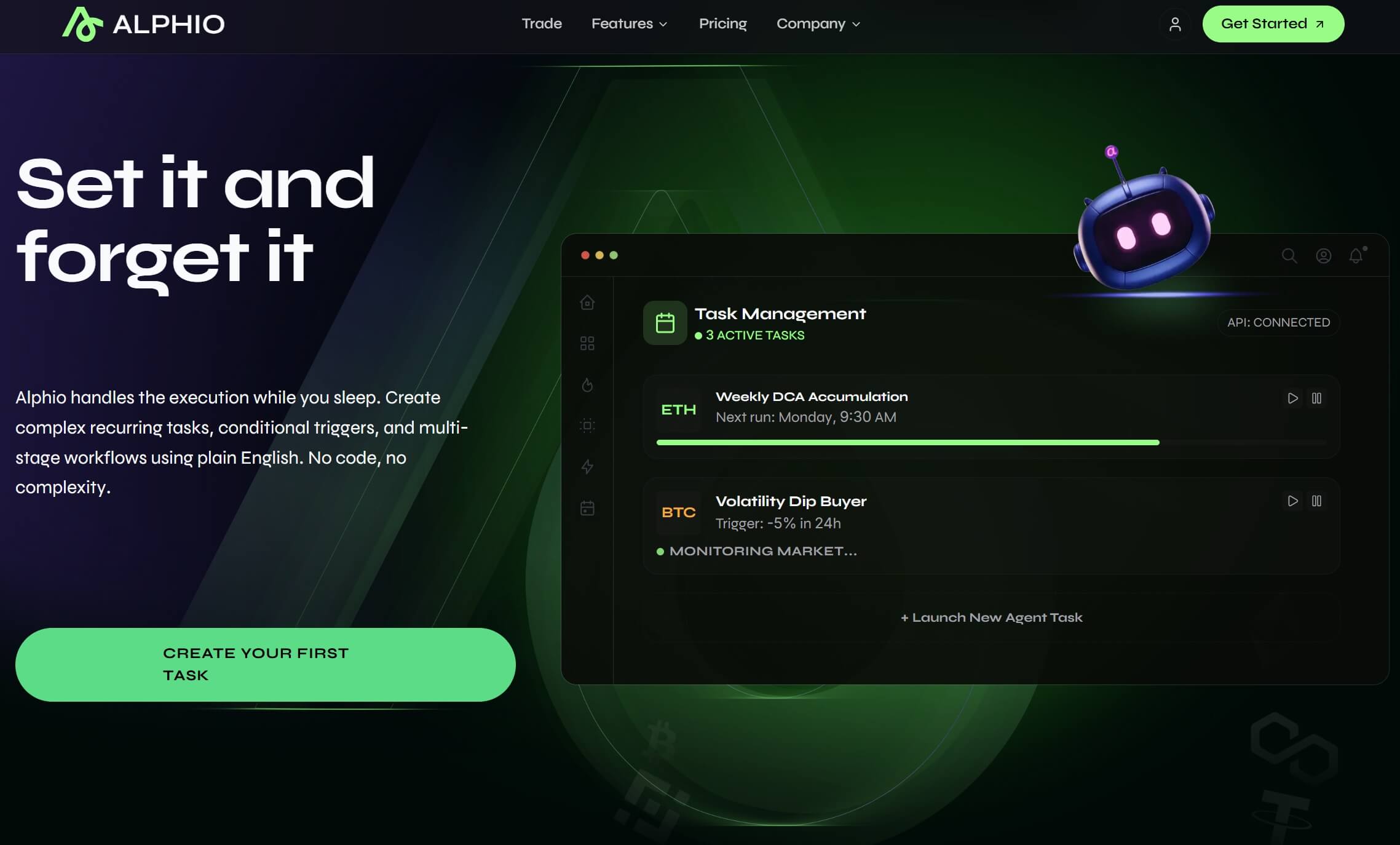
Set up automated monitoring workflows with Alphio to track key financial metrics and receive alerts when companies in your watchlist show concerning fundamental changes.
Building Your Investment Research Process
Successful investing requires a systematic approach to research and analysis. Develop a consistent process that ensures you thoroughly evaluate each of these five factors before making investment decisions.
Create a Research Checklist
Document your research process in a checklist format to ensure consistency. Your checklist should include specific questions to answer for each of the five factors outlined in this guide. Over time, you will refine this checklist based on your experience and lessons learned from both successful and unsuccessful investments.
Maintain a Watchlist
Rather than making impulsive investment decisions, maintain a watchlist of companies that meet your initial criteria. Monitor these companies over time, waiting for attractive entry points or confirmation of your investment thesis. Patience is a virtue in investing, and a well-maintained watchlist helps you avoid FOMO-driven decisions.
Document Your Analysis
Write down your investment thesis, including why you believe the company is attractive, what risks concern you, and what would cause you to sell. This documentation serves multiple purposes: it forces you to articulate your reasoning clearly, provides a reference for future evaluation, and helps you learn from both successes and failures.
Regular Portfolio Review
Investing is not a set-it-and-forget-it activity. Regularly review your holdings to ensure the original investment thesis remains valid. Companies change, industries evolve, and new information emerges. The best investors are willing to change their minds when the facts change.
Common Mistakes to Avoid
Even experienced investors make mistakes. Being aware of common pitfalls can help you avoid costly errors.
Chasing Performance
Buying stocks simply because they have recently performed well is a recipe for disappointment. Yesterday's winners often become tomorrow's losers as valuations become stretched and expectations become unrealistic. Focus on future potential rather than past performance.
Ignoring Valuation
Even great companies can be bad investments if purchased at excessive prices. Pay attention to valuation metrics and ensure you are not overpaying for growth. A wonderful business bought at a fair price is better than a fair business bought at a wonderful price.
Insufficient Diversification
Concentrating your portfolio in a few stocks or a single industry exposes you to significant risk. While over-diversification can dilute returns, prudent diversification across industries, geographies, and asset classes protects against company-specific or sector-specific disasters.
Emotional Decision Making
Fear and greed are the enemy of rational investing. Market downturns create buying opportunities, but fear causes many investors to sell at the worst possible time. Similarly, greed drives investors to buy at market peaks when valuations are stretched. Develop a systematic approach and stick to it regardless of market emotions.
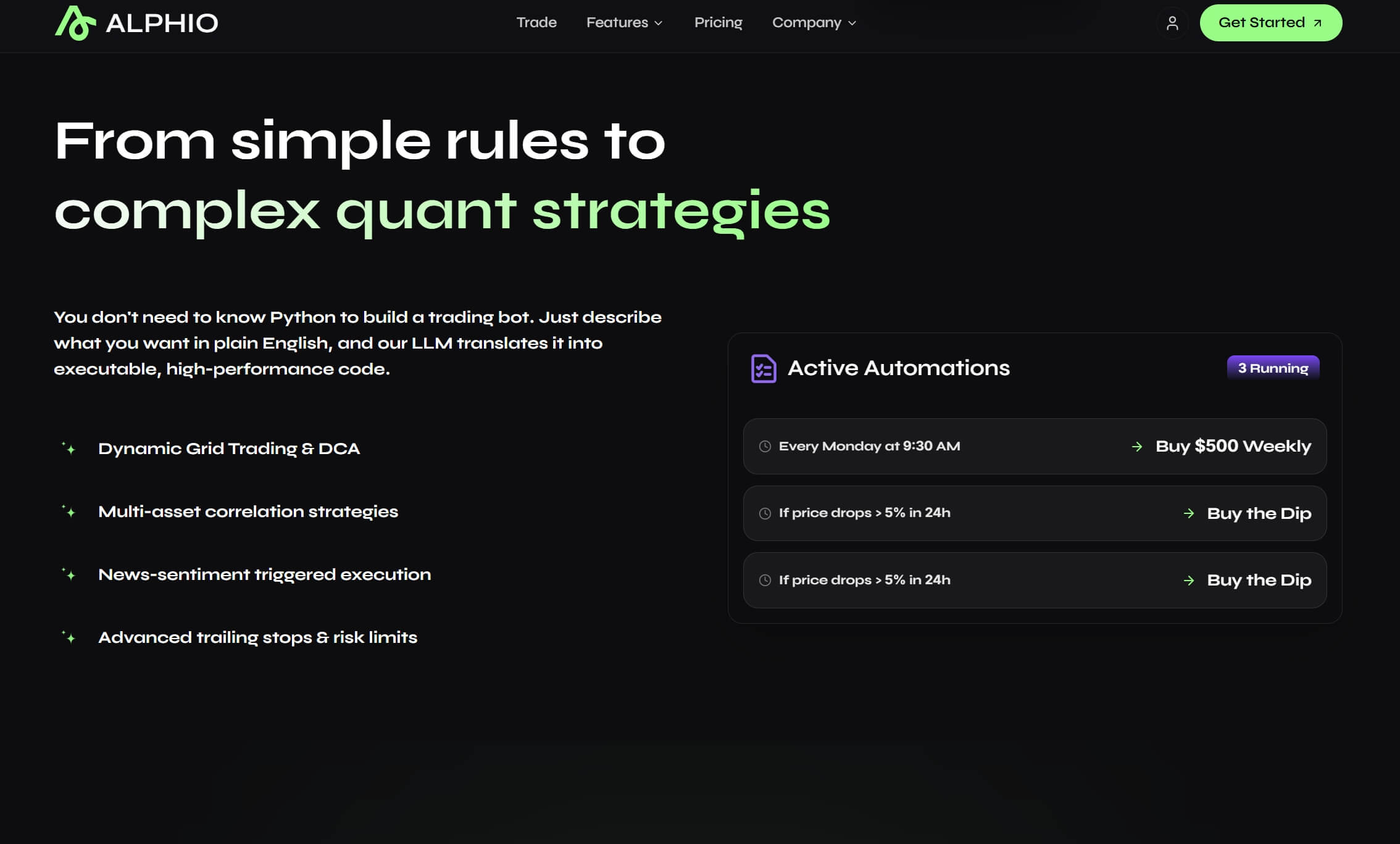
Execute your investment decisions efficiently via chat with Alphio's conversational trading interface, allowing you to act quickly on your research while maintaining focus on analysis.
The Bottom Line
Knowing what to look for before investing separates successful investors from those who consistently underperform. By thoroughly evaluating industry dynamics, historical performance, management quality, recent news, and financial fundamentals, you position yourself to make informed decisions based on analysis rather than emotion.
Remember that investing is a journey of continuous learning. No one gets every investment right, but by following a disciplined research process and learning from both successes and failures, you can steadily improve your results over time. The five factors outlined in this guide provide a solid foundation for your investment research, but they represent a starting point rather than an endpoint.
As you gain experience, you will develop your own insights and refine your approach. Stay curious, remain humble, and never stop learning. The markets reward those who put in the work to understand what they are buying and why they are buying it.
Start building your investment research process today. Your future self will thank you for the discipline and thoroughness you bring to your investment decisions.
FAQs
How much research should I do before investing in a stock?
Thorough research is essential before making any investment. At minimum, you should spend several hours analyzing the company's financial statements, understanding its industry and competitive position, evaluating management quality, and reviewing recent news. For significant investments, consider dedicating 10-20 hours to research. Remember that time spent researching is an investment in itself—it helps you avoid costly mistakes and identify the best opportunities. Many successful investors spend more time researching than actually trading.
What are the most important financial ratios to check before investing?
The most important financial ratios vary by industry, but several are universally relevant. The price-to-earnings (P/E) ratio helps assess valuation relative to earnings. Return on equity (ROE) indicates how effectively management uses shareholder capital. The debt-to-equity ratio reveals financial leverage and risk. Free cash flow margin shows how much cash the business generates relative to revenue. Additionally, examine revenue growth rates, profit margins, and current ratio (liquidity). Compare these metrics to industry peers and the company's historical averages for context.
How do I know if a company's management is trustworthy?
Evaluating management trustworthiness requires examining multiple factors. Review their track records at previous companies and their tenure with the current organization. Analyze their communication in earnings calls and annual reports—transparent, candid discussions of both successes and challenges are positive signs. Check their compensation structures to ensure alignment with shareholder interests. Look at capital allocation decisions: have they made wise investments, avoided value-destroying acquisitions, and returned excess cash to shareholders? Finally, research any regulatory issues, lawsuits, or controversies involving key executives.
Should I invest in companies whose industries I don't understand?
Warren Buffett's advice to stay within your 'circle of competence' is sound guidance. Investing in industries you don't understand exposes you to significant risk because you cannot properly evaluate competitive dynamics, assess management's strategic decisions, or recognize emerging threats. If you are interested in an unfamiliar industry, take time to educate yourself before investing. Read industry reports, follow sector news, and study successful companies in the space. Consider starting with a small position or using ETFs to gain exposure while you continue learning. Never invest based solely on tips or hype without understanding the underlying business.
How often should I review my investments after purchasing them?
Regular portfolio review is essential, but the frequency depends on your investment style. Long-term investors should review holdings quarterly when earnings are released, assessing whether the original investment thesis remains valid. Check for significant news, management changes, or shifts in competitive positioning. Avoid obsessing over daily price movements, which often reflect market noise rather than fundamental changes. Set specific criteria for when you would sell—such as deteriorating fundamentals, excessive valuation, or changes in the investment thesis—and review against these criteria regularly. Document your reviews to track your decision-making over time and learn from both successful and unsuccessful investments.