

US CPI Inflation Cools in July 2026: Implications for Fed Policy and Investor Strategy
US CPI inflation data shows core inflation at 2.6% YoY with 0% monthly growth. Discover what cooling inflation means for Fed rate decisions and investment strategies.


Key Takeaway
The U.S. inflation landscape shifted dramatically in July 2026 as the Bureau of Labor Statistics released June CPI data that caught markets by surprise. Core CPI registered a flat 0% month-over-month reading, significantly below the 0.2% increase economists had anticipated, while the year-over-year figure came in at 2.6%, also missing forecasts. This unexpected cooling of inflationary pressures has fundamentally altered market expectations for Federal Reserve policy, with the implied probability of a July rate hike plummeting to approximately 15%.
For investors navigating these turbulent waters, the implications are profound. The data suggests that the Fed's aggressive tightening campaign may finally be achieving its desired effect, bringing inflation closer to the central bank's 2% target without tipping the economy into recession. However, risks remain elevated, particularly from geopolitical tensions in the Middle East that could disrupt energy supplies and reignite inflationary pressures. Understanding how to position portfolios in this environment requires careful analysis of both the headline numbers and the underlying dynamics driving price movements across the economy.
Understanding the June CPI Report
The June 2026 Consumer Price Index report represents a pivotal moment in the post-pandemic economic recovery. Released on July 14, 2026, the data revealed that headline CPI fell nearly 0.1% on a monthly basis while rising approximately 3.9% year-over-year. These figures represent a significant deceleration from May's readings, which showed a 0.5% monthly increase and 4.2% annual gain.
What makes this report particularly noteworthy is the behavior of core inflation, which excludes volatile food and energy prices. Core CPI's flat monthly reading and 2.6% year-over-year increase suggest that underlying inflationary pressures are genuinely moderating, not merely experiencing temporary relief from falling energy costs. This distinction matters enormously for Federal Reserve policymakers, who closely monitor core inflation as a better predictor of future price trends.
The Federal Reserve Bank of Cleveland's Nowcasting tool had projected a modest monthly decline in headline CPI and a 2.85% year-over-year core reading, meaning actual results came in slightly better than even these optimistic forecasts. BMO Chief Economist Douglas Porter noted that gasoline prices fell 10% in June, marking the fourth largest monthly decline in the past decade, providing substantial relief to household budgets and overall price levels.
The Fed's Dilemma: To Hike or Not to Hike
Federal Reserve policymakers face an increasingly complex decision-making environment as they approach their July meeting. Just days before the CPI release, Federal Reserve Governor Christopher Waller delivered a hawkish speech suggesting potential near-term rate hikes if core CPI data remained strong. The actual data, however, told a distinctly different story, creating a challenging disconnect between rhetoric and reality.
Market pricing reflects this uncertainty, with the probability of a July rate hike collapsing to around 15% following the CPI release, effectively ruling out any immediate policy tightening. This represents a dramatic shift from earlier in the month when markets were pricing in meaningful odds of additional hikes. The fed funds futures market now suggests the Fed is more likely to hold rates steady through the summer, with potential quarter-point increases pushed back to September 2026 and January 2027.
The central bank's challenge extends beyond simply reading the inflation tea leaves. Fed officials must weigh the risks of overtightening against the dangers of allowing inflation to become entrenched above their 2% target. With core inflation at 2.6%, the Fed is closer to its goal than at any point since the inflation surge began, yet the last mile to 2% often proves the most difficult. Historical precedent suggests that inflation can be sticky at these levels, requiring sustained restrictive policy to achieve final victory.
Energy Markets and Geopolitical Risk Premium
While the CPI data provided welcome relief on the inflation front, energy markets continue to present significant uncertainty for the economic outlook. Oil prices have experienced extraordinary volatility throughout 2026, driven by escalating tensions between the United States and Iran that have threatened to disrupt global supply chains.
The Strait of Hormuz, through which approximately one-fifth of global oil shipments pass, has been effectively closed at various points during the year, creating substantial supply concerns. WTI crude oil prices spiked to around $90 per barrel in early June before retreating to approximately $69 by early July as tensions temporarily eased and the two sides announced a memorandum of understanding.
This volatility in energy markets illustrates the delicate balance facing the Federal Reserve. While the June CPI data showed cooling inflation, a renewed escalation in Middle East tensions could quickly reverse these gains by driving oil prices higher and reintroducing inflationary pressures throughout the economy. Analysts suggest that unless geopolitical developments disrupt energy supplies and cause a sharp rise in oil prices, the Fed is more likely to maintain its current stance, with the bar for additional rate hikes having risen substantially.
Sector Analysis: Where Inflation Is Cooling and Where It Remains Stubborn
A deeper dive into the CPI components reveals a mixed picture across different sectors of the economy. Transportation costs have been a major driver of disinflation, with gasoline prices falling sharply and used vehicle prices continuing their decline from pandemic-era peaks. Airfares have also moderated as airline capacity has normalized and competition has intensified.
Housing costs, however, remain a persistent concern. Shelter inflation, which accounts for roughly one-third of the overall CPI basket, has shown signs of deceleration but remains elevated by historical standards. The lag between market rents and their reflection in official inflation statistics means that earlier cooling in the housing market is only now beginning to appear in the data. Economists expect this component to contribute to further disinflation in coming months as lease renewals reflect the softer rental market conditions of late 2025 and early 2026.
Services inflation excluding housing has also proven sticky, driven by wage growth in labor-intensive sectors such as healthcare, education, and personal services. While wage growth has moderated from its peak, it remains above levels consistent with 2% inflation, suggesting potential ongoing pressure in these categories. The interplay between wage growth and services inflation will be critical to watch in subsequent reports.
Investment Implications for Different Asset Classes
The cooling inflation environment creates distinct opportunities and challenges across asset classes. For fixed income investors, the prospect of a less aggressive Fed has already driven Treasury yields lower, benefiting existing bondholders but reducing forward-looking return expectations. The yield curve has steepened modestly as markets price in eventual rate cuts, though the timing remains highly uncertain.
Equity markets have responded positively to the disinflationary data, with growth stocks particularly benefiting from lower discount rates on future earnings. The S&P 500 and Nasdaq have remained near their 2026 highs, while the small-cap Russell 2000 has shown remarkable strength, surging nearly 22% in the first half of the year to post its best performance since 1991.
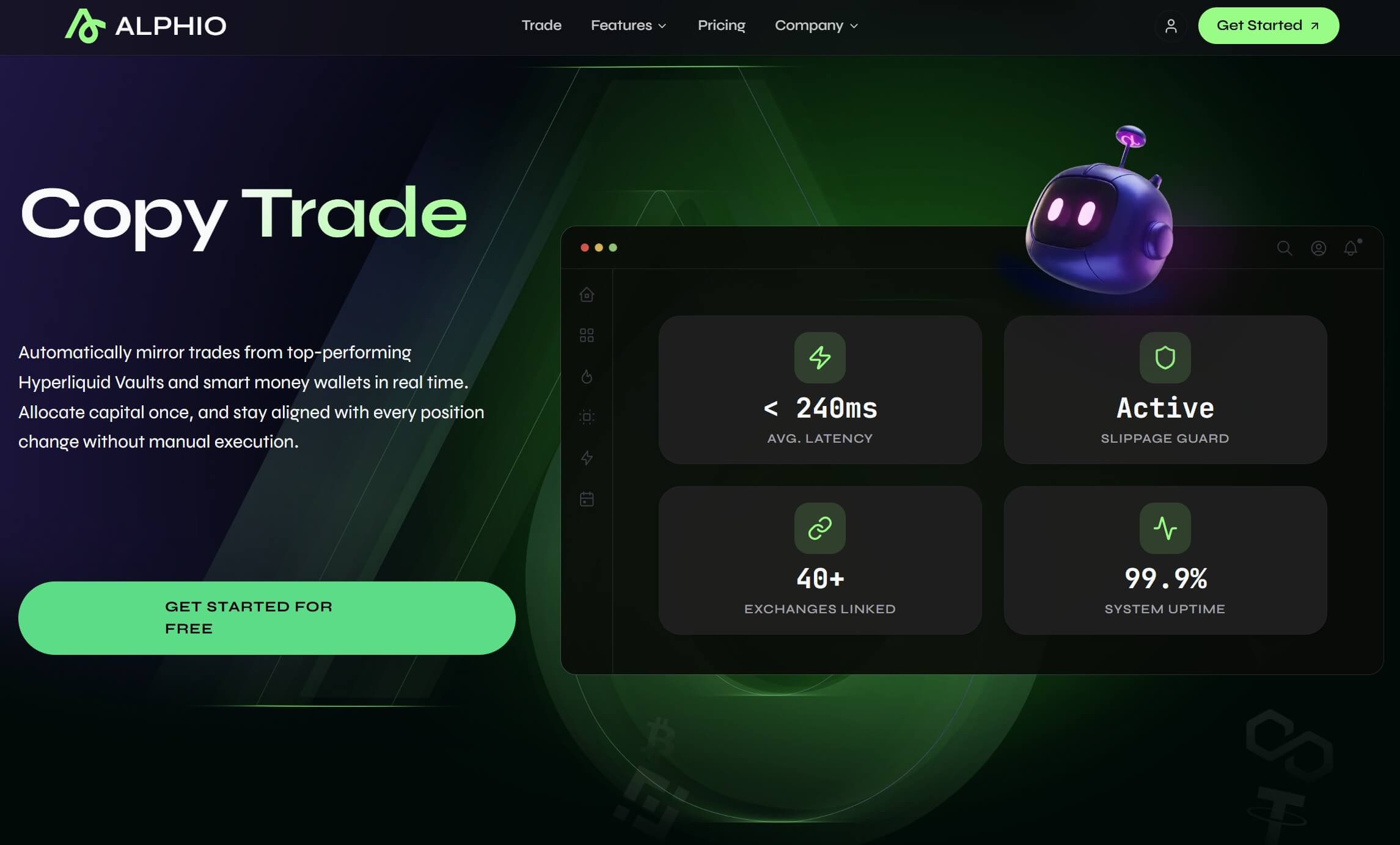
For investors seeking to navigate this environment, consider exploring Alphio AI's copy trading feature to mirror successful traders and smart money wallets who are positioning for the current macroeconomic landscape.

Alternatively, agentic trading capabilities can help automate portfolio management with AI-powered strategies that adapt to changing market conditions.
Global Context: How US Inflation Fits Into the Worldwide Picture
The United States is not alone in experiencing moderating inflation pressures. Central banks worldwide have been grappling with similar dynamics, though the timing and magnitude vary by region. The European Central Bank and Bank of England have also signaled potential shifts toward less restrictive policy as inflation in their jurisdictions shows signs of cooling.
China's economic trajectory remains a critical variable for global inflation dynamics. As the world's second-largest economy continues its structural transition, demand for commodities and manufactured goods has softened, contributing to disinflationary pressures globally. Chinese stimulus measures could potentially reverse this trend, though policymakers in Beijing have been cautious about deploying large-scale fiscal support.
The interplay between US monetary policy and global financial conditions creates complex feedback loops. As the Fed potentially approaches the end of its hiking cycle, emerging markets may benefit from reduced capital outflows and currency pressures. However, the dollar's role as the global reserve currency means that US monetary policy continues to exert outsized influence on financial conditions worldwide.
Historical Parallels: Lessons from Previous Inflation Cycles
Understanding the current inflation environment requires examining historical precedents for guidance. The 1970s stagflation period offers cautionary tales about the dangers of prematurely declaring victory over inflation, as price pressures reaccelerated multiple times following initial periods of moderation. Fed Chair Paul Volcker's ultimately successful campaign required maintaining restrictive policy even as unemployment rose and political pressure intensified.
More recent experience, particularly the mid-2010s period, suggests that inflation can remain subdued for extended periods following economic disruptions. However, the current cycle differs from these precedents in important ways, including the magnitude of fiscal stimulus deployed during the pandemic, structural shifts in labor markets, and ongoing geopolitical tensions affecting supply chains.
The key lesson from history is that the final stages of bringing inflation back to target are often the most challenging. When inflation is running at 6% or 8%, the need for restrictive policy is clear. At 2.6%, the calculus becomes more nuanced, requiring careful judgment about whether additional tightening is necessary or whether patience will allow existing policy to complete the job.
Looking Ahead: Key Data Points to Watch
As investors digest the June CPI report, several upcoming data releases will be critical for shaping expectations about Fed policy and market direction. The July employment report will provide important information about labor market conditions, with particular attention to wage growth trends. The Fed has emphasized that wage growth running above productivity gains represents a potential source of persistent inflationary pressure.
Retail sales data will offer insights into consumer spending patterns, which drive roughly two-thirds of US economic activity. Any signs of consumer weakness could reinforce expectations for a Fed pause, while resilient spending might revive concerns about inflationary pressures. Manufacturing surveys and industrial production figures will provide complementary information about the supply side of the economy.
Energy prices will remain a wild card, with developments in the Middle East capable of rapidly altering the inflation outlook. Investors should monitor not only headline oil prices but also gasoline futures and regional supply disruptions that could affect consumer prices with a short lag.
Conclusion
The June 2026 CPI report represents a significant milestone in the post-pandemic inflation cycle, providing clear evidence that price pressures are moderating toward the Federal Reserve's 2% target. Core inflation's flat monthly reading and 2.6% year-over-year increase suggest that the central bank's restrictive policy stance is achieving its intended effect, reducing the urgency for additional rate hikes in the near term.
For investors, this environment creates both opportunities and risks. Fixed income markets have already repriced for a less aggressive Fed, while equities have benefited from lower discount rates and reduced recession fears. However, geopolitical risks in energy markets remain elevated, capable of quickly reversing the disinflationary progress observed in recent months.
Positioning portfolios for this environment requires balancing the positive momentum in inflation data against the potential for renewed price pressures from supply shocks or policy missteps. Diversification across asset classes and regions remains essential, as does maintaining flexibility to adjust as new data emerges.
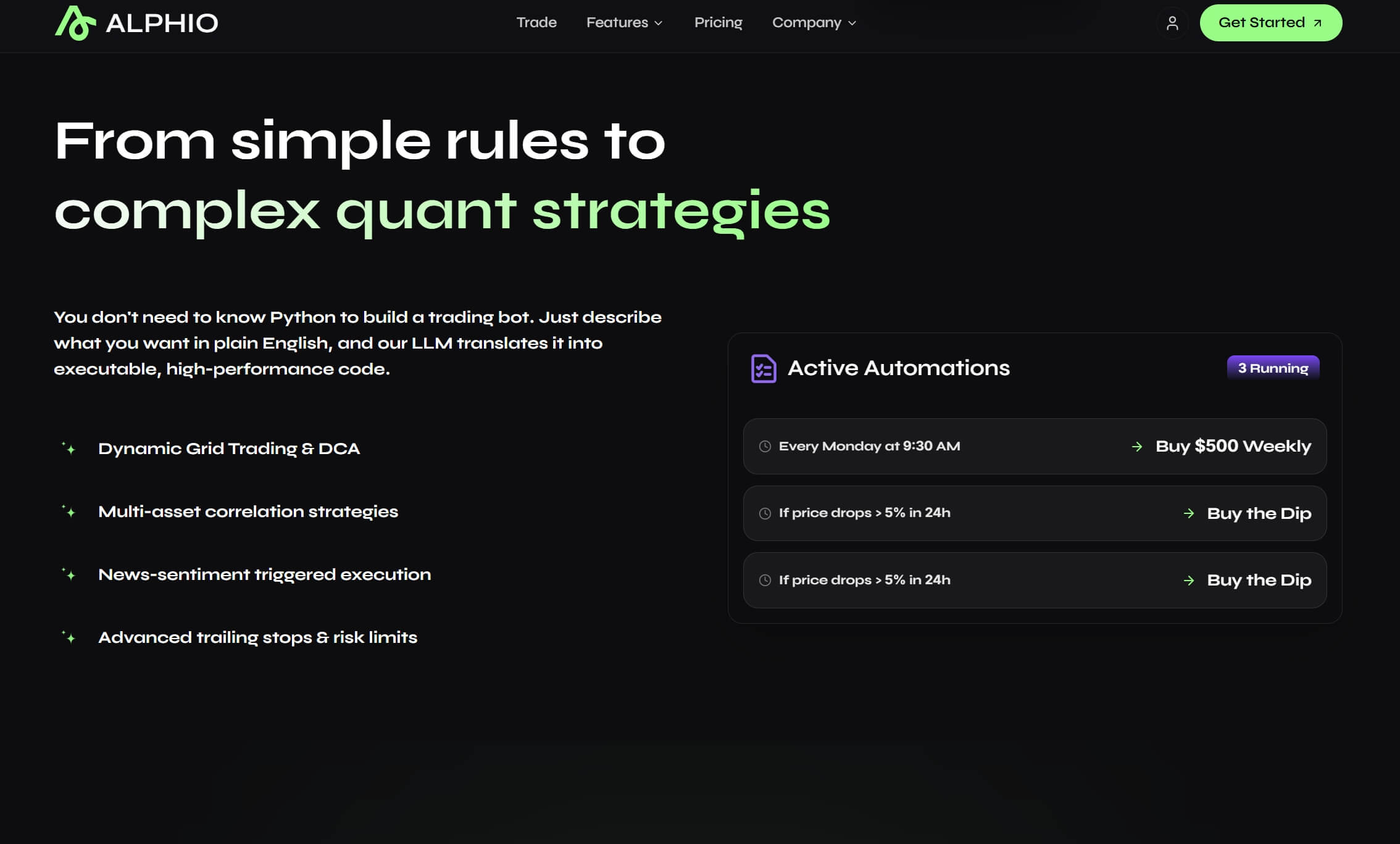
For investors seeking to automate their trading strategies and capitalize on these market dynamics, explore Alphio AI's scheduled task automations to set conditional workflows that respond to economic data releases and market movements.

Additionally, conversational trading capabilities allow you to execute trades via natural language chat, making it easier to respond quickly to changing market conditions.
The coming months will test whether the current disinflationary trend can be sustained or whether new shocks will reignite price pressures. Staying informed and maintaining disciplined investment processes will be essential for navigating whatever challenges lie ahead.
FAQs
What was the US CPI inflation rate for June 2026?
The June 2026 CPI report showed headline CPI fell nearly 0.1% month-over-month and rose approximately 3.9% year-over-year. Core CPI, which excludes food and energy, was flat at 0% monthly growth and increased 2.6% year-over-year, both below economist expectations.
How did markets react to the July 2026 CPI data?
Markets reacted positively to the cooling inflation data. The implied probability of a July Fed rate hike dropped to approximately 15%, effectively ruling out immediate tightening. Treasury yields declined, and equity markets remained near their 2026 highs as investors priced in a less aggressive Fed policy path.
What is the Federal Reserve's inflation target?
The Federal Reserve targets 2% inflation over the longer run, as measured by the annual change in the Personal Consumption Expenditures (PCE) price index. While the Fed monitors multiple inflation measures including CPI, the core PCE deflator is considered the primary benchmark for policy decisions.
How do energy prices affect CPI inflation?
Energy prices have a direct and immediate impact on headline CPI through gasoline, electricity, and heating costs. In June 2026, gasoline prices fell 10%, marking the fourth largest monthly decline in the past decade and contributing significantly to the overall cooling of inflation. However, energy prices are volatile and can reverse quickly based on geopolitical developments.
What are the risks to the disinflationary outlook?
Key risks include escalating geopolitical tensions in the Middle East that could disrupt oil supplies and drive energy prices higher, persistent wage growth above productivity gains in services sectors, and potential policy errors by the Federal Reserve either overtightening or easing too soon. Additionally, Chinese stimulus measures could boost global commodity demand and reignite inflationary pressures.