

Nvidia Stock Earnings August 2026: AI Chip Leader's Q2 Preview & Investment Outlook
Nvidia's Q2 FY2027 earnings on August 26, 2026: AI chip demand surge, Blackwell ramp, and price targets. Wall Street expects $93-95B revenue.


Key Takeaway
Nvidia's upcoming Q2 fiscal 2027 earnings report, scheduled for August 26, 2026, represents one of the most significant catalysts for the technology sector this quarter. The semiconductor giant, which has seen its stock rise approximately 17.7% year-to-date to around $219, faces a critical moment as investors seek clarity on the sustainability of AI infrastructure spending and the ramp of its next-generation Blackwell architecture.
Wall Street analysts expect NVIDIA to report revenue between $93 billion and $95 billion for Q2, representing significant growth driven by strong demand for AI accelerators. The company's data center segment continues to be the primary growth engine, with hyperscale customers including Microsoft, Google, Amazon, and Meta maintaining aggressive capital expenditure plans for AI infrastructure. However, differing views on AI's impact on earnings are emerging, creating a mixed sentiment in the market that makes this earnings report particularly consequential.
For investors seeking to capitalize on the AI revolution through automated trading strategies, consider using Alphio AI's copy trading feature to mirror successful traders and smart money wallets who are positioning ahead of major earnings catalysts.

Nvidia's Q2 FY2027 Earnings Expectations
Revenue and Earnings Projections
Wall Street has set high expectations for Nvidia's Q2 results, with consensus estimates pointing to revenue of $93-95 billion. This would represent substantial year-over-year growth, continuing the company's remarkable trajectory as the dominant supplier of AI accelerators. The data center segment is expected to drive the majority of this growth, with analysts projecting data center revenue could exceed $80 billion for the quarter.
Earnings per share estimates have also trended higher in recent weeks as analysts factor in the company's operating leverage and pricing power. Gross margins have expanded significantly as Nvidia benefits from supply-constrained pricing and a favorable mix shift toward higher-margin data center products. Operating leverage has amplified bottom-line growth, with earnings per share increasing at an even faster rate than revenue.
The company's guidance for Q3 will be equally important as the reported results. Investors are looking for commentary on the Blackwell ramp timeline, supply constraints, and visibility into 2027 demand. Any indication that demand is moderating or that supply is catching up faster than expected could pressure the stock, while evidence of sustained demand strength would likely drive further gains.
The Blackwell Architecture Rollout
Nvidia's next-generation Blackwell architecture represents a critical product transition that investors are watching closely. The new chips promise significant performance improvements over the current Hopper generation, with enhanced capabilities for training and inference workloads. The timing and volume of Blackwell shipments will significantly impact Nvidia's revenue trajectory in the second half of fiscal 2027.
Management commentary on the earnings call regarding Blackwell production yields, customer adoption rates, and the transition from Hopper will be scrutinized by analysts. Any delays in the Blackwell ramp could create a temporary revenue air pocket, while a smooth transition would reinforce Nvidia's competitive moat and pricing power. The company has historically managed major product transitions effectively, but the scale of current AI demand makes this transition unprecedented.
AI Chip Demand: Sustained Growth or Peak Concerns?
Hyperscaler Capital Expenditure Trends
The sustainability of AI infrastructure spending remains the central question for Nvidia investors. Major cloud providers have signaled continued commitment to AI capital expenditures, with combined spending from the top four hyperscalers expected to exceed $200 billion in calendar 2026. This massive investment wave has driven Nvidia's data center revenue to record levels, but questions persist about how long this spending pace can continue.
Microsoft, Amazon, Google, and Meta have all indicated that AI infrastructure remains a top priority, with spending plans extending into 2027. However, investors are increasingly focused on the returns these companies are generating from their AI investments. If hyperscalers begin to show pressure on returns or signal any moderation in spending plans, Nvidia's growth trajectory could face headwinds.
The concentration of revenue among a small number of large customers creates both opportunities and risks for Nvidia. While these deep relationships provide revenue visibility and collaborative product development opportunities, any slowdown in spending from even one major customer could have a meaningful impact on quarterly results. Management's commentary on customer diversification and emerging demand from enterprise and sovereign AI initiatives will be important signals.
Competitive Landscape Intensifies
While Nvidia maintains a dominant position in AI accelerators, competition is intensifying from multiple directions. AMD has gained traction with its MI300 series chips, particularly for inference workloads where cost efficiency is paramount. Custom silicon efforts from Google (TPU), Amazon (Trainium/Inferentia), and Microsoft (Maia) represent longer-term threats, though these efforts have had mixed success to date.
The competitive dynamics vary across different AI workloads. Training large language models remains Nvidia's stronghold, where the company's software ecosystem (CUDA) creates significant switching costs. However, inference workloads are more competitive, with price-performance becoming an increasingly important consideration as AI deployment scales. Nvidia's ability to maintain pricing power and market share in this evolving landscape will be critical to long-term growth.
Market Sentiment and Valuation Considerations
Analyst Price Targets and Ratings
Analyst sentiment toward Nvidia remains predominantly bullish heading into earnings, though price targets have become more dispersed as the stock's valuation has expanded. AI-powered forecasts suggest Nvidia stock could reach $225-$230 by August 31, 2026, representing approximately 4.6% upside from current levels. However, these targets depend heavily on the company's ability to meet or exceed earnings expectations.
The range of analyst estimates has widened considerably, reflecting uncertainty about the sustainability of current growth rates. Bullish analysts point to the massive addressable market for AI infrastructure and Nvidia's entrenched competitive position, while more cautious voices highlight valuation concerns and the potential for demand normalization. The stock's forward P/E multiple remains elevated compared to historical levels, requiring continued execution to justify current prices.
Institutional Positioning
Institutional investors have maintained substantial positions in Nvidia, though some portfolio managers have taken profits following the stock's significant appreciation. The company's weighting in major indices has grown substantially, creating passive inflows that provide underlying support for the stock. However, any disappointment in earnings could trigger meaningful rebalancing activity.
Options market activity suggests elevated implied volatility around the earnings release, with traders positioning for significant price movement in either direction. The put-call skew has shifted in recent sessions, indicating some hedging activity by long-term holders concerned about potential downside. This positioning could amplify post-earnings price moves as options dealers adjust their hedges.
Broader Semiconductor Sector Implications
Earnings Season Ripple Effects
Nvidia's earnings report kicks off a concentrated period of semiconductor results that will collectively shape sector sentiment for the remainder of 2026. Broadcom and Marvell report within days of Nvidia, creating a scenario where guidance from all three companies will either reinforce or contradict the AI infrastructure demand narrative. The PHLX Semiconductor Sector index's 63% gains in 2026 are significantly ahead of the 21% jump in Nvidia's stock price this year.
The correlation between AI-exposed semiconductor stocks has increased as the sector has become more concentrated around AI themes. This means Nvidia's results and guidance will likely influence trading in AMD, Marvell, Broadcom, and other AI-related names regardless of their specific business fundamentals. Investors should be prepared for sector-wide volatility following Nvidia's report.
For traders looking to automate their response to earnings volatility across the semiconductor sector, Alphio AI's agentic trading feature enables automated portfolio management with AI-powered strategies that can react to market-moving events in real-time.

Supply Chain and Manufacturing Dynamics
The semiconductor supply chain has evolved significantly since the pandemic-era shortages, but capacity constraints remain in advanced packaging and certain specialized components critical for AI chips. Nvidia's ability to secure sufficient supply to meet customer demand has improved, though the company still faces challenges in ramping new products like Blackwell.
Taiwan Semiconductor Manufacturing Company (TSMC) remains Nvidia's primary manufacturing partner, and any commentary on capacity allocation or pricing trends from the foundry will be relevant context. The geographic concentration of advanced semiconductor manufacturing continues to be a risk factor that investors monitor, particularly given ongoing geopolitical tensions.
Investment Strategy Considerations
Position Sizing and Risk Management
For investors considering Nvidia positions ahead of earnings, risk management should be a primary consideration. The stock's elevated valuation and the binary nature of earnings reactions suggest that position sizes should reflect individual risk tolerance and portfolio objectives. Options strategies such as straddles or collars can provide defined-risk exposure for traders seeking to participate in post-earnings moves.
Long-term investors should focus on the fundamental drivers of Nvidia's business rather than short-term price movements around earnings. The company's competitive position in AI accelerators, its software ecosystem moat, and the long-term growth trajectory of AI adoption remain the key investment considerations. However, entry points matter for returns, and earnings volatility can create opportunities for patient investors.
Diversification within the AI theme may also be prudent, as the concentration of AI infrastructure spending creates correlated risks across the sector. Investors might consider balancing Nvidia exposure with positions in companies benefiting from AI adoption in other ways, such as software providers, cloud platforms, or enterprises leveraging AI for productivity gains.
Post-Earnings Scenarios
Several scenarios could unfold following Nvidia's earnings report. A beat-and-raise quarter with strong Blackwell commentary would likely drive the stock toward the upper end of analyst price targets, potentially testing the $230 level. Conversely, any indication of demand moderation or supply challenges could trigger a significant pullback, with support levels around $200 and $185 coming into play.
The market's reaction will depend not only on the reported numbers but also on management's tone and guidance commentary. Nvidia's leadership has historically been conservative in their guidance, often setting up for beats. Any deviation from this pattern would be noteworthy and could influence how investors interpret the results.
Conclusion
Nvidia's August 26, 2026 earnings report represents a pivotal moment for both the company and the broader AI investment theme. With expectations elevated and the stock trading at a premium valuation, the company needs to deliver strong results and constructive guidance to maintain investor confidence. The data center segment's continued growth, the Blackwell architecture ramp, and visibility into 2027 demand will be the key focal points.
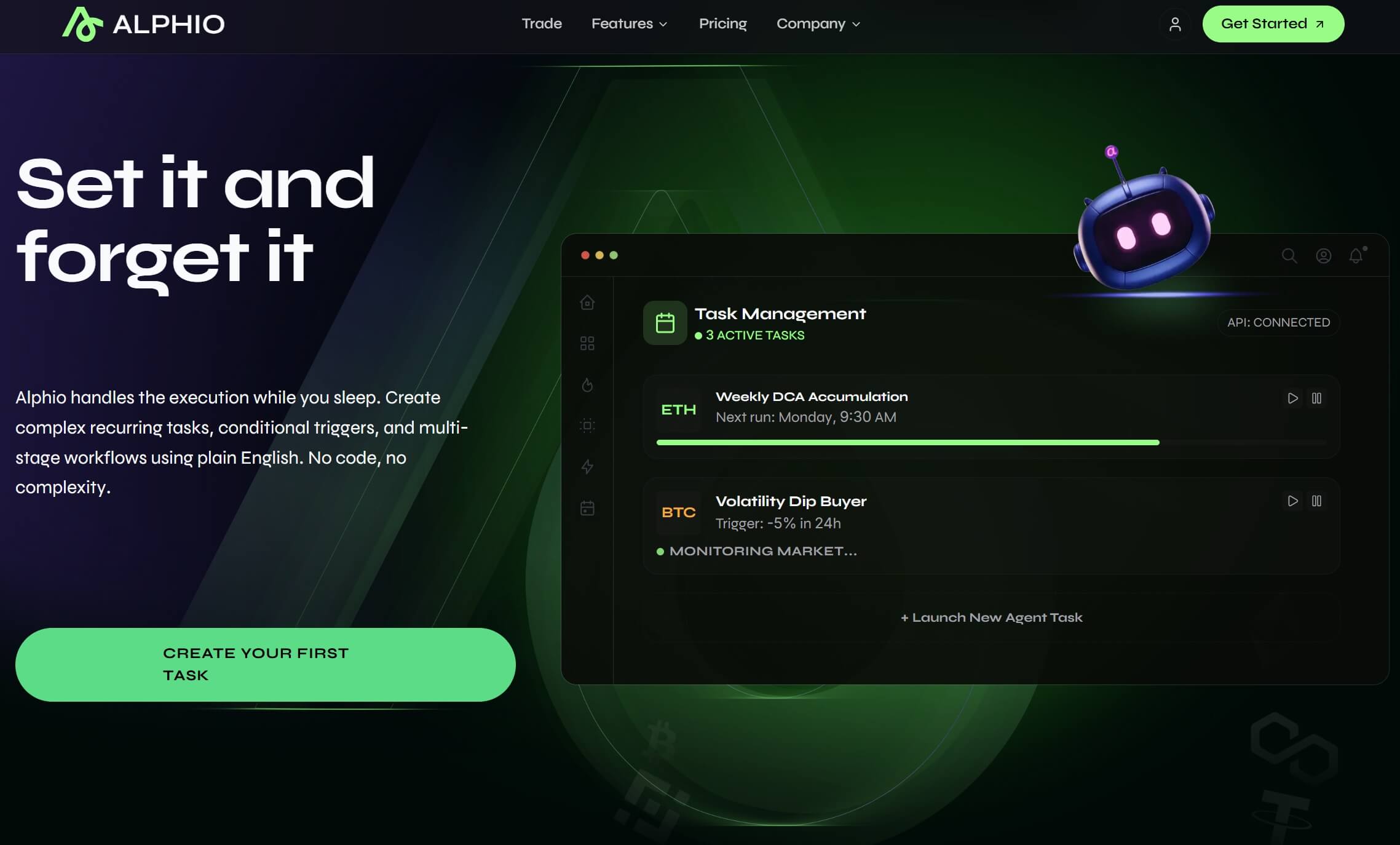
For investors navigating the AI revolution and seeking to optimize their trading strategies, Alphio AI's copy trading feature offers the ability to mirror Hyperliquid Vaults and smart money wallets, while the conversational trading interface enables executing trades via natural language chat. Additionally, Alphio's automations allow you to set conditional workflows that respond to earnings events and market movements automatically.
The AI infrastructure buildout remains in its early stages, with enterprise and sovereign AI demand representing the next wave of growth beyond hyperscale deployments. Nvidia's technology leadership and ecosystem strength position the company well to capture this opportunity, though execution risks and competitive pressures warrant continued monitoring. Investors should approach the earnings event with clear risk management parameters while maintaining focus on the long-term transformative potential of AI adoption across the global economy.
FAQs
When is Nvidia's Q2 FY2027 earnings report?
Nvidia's Q2 fiscal 2027 earnings report is scheduled for August 26, 2026. This is one of the most significant catalysts for the technology sector this quarter, with Wall Street expecting revenue between $93 billion and $95 billion.
What is the price target for Nvidia stock after earnings?
AI-powered forecasts suggest Nvidia stock could reach $225-$230 by August 31, 2026, representing approximately 4.6% upside from current levels around $219. However, these targets depend heavily on the company's ability to meet or exceed earnings expectations.
What is Nvidia's Blackwell architecture?
Blackwell is Nvidia's next-generation AI chip architecture that promises significant performance improvements over the current Hopper generation. The timing and volume of Blackwell shipments will significantly impact Nvidia's revenue trajectory in the second half of fiscal 2027.
How much revenue does Nvidia get from data center?
The data center segment is expected to drive the majority of Nvidia's growth, with analysts projecting data center revenue could exceed $80 billion for Q2 FY2027. This segment has become the company's primary growth engine as hyperscale customers invest heavily in AI infrastructure.
Who are Nvidia's main competitors in AI chips?
While Nvidia maintains a dominant position, competition is intensifying from AMD's MI300 series chips and custom silicon efforts from Google (TPU), Amazon (Trainium/Inferentia), and Microsoft (Maia). However, Nvidia's CUDA software ecosystem creates significant switching costs that help maintain its market leadership.