

How to Build a Winning Stock Watchlist: A Step-by-Step Guide
Learn how to build a winning stock watchlist with our comprehensive guide. Discover the benefits, essential components, and proven strategies for creating watchlists that improve your trading performa

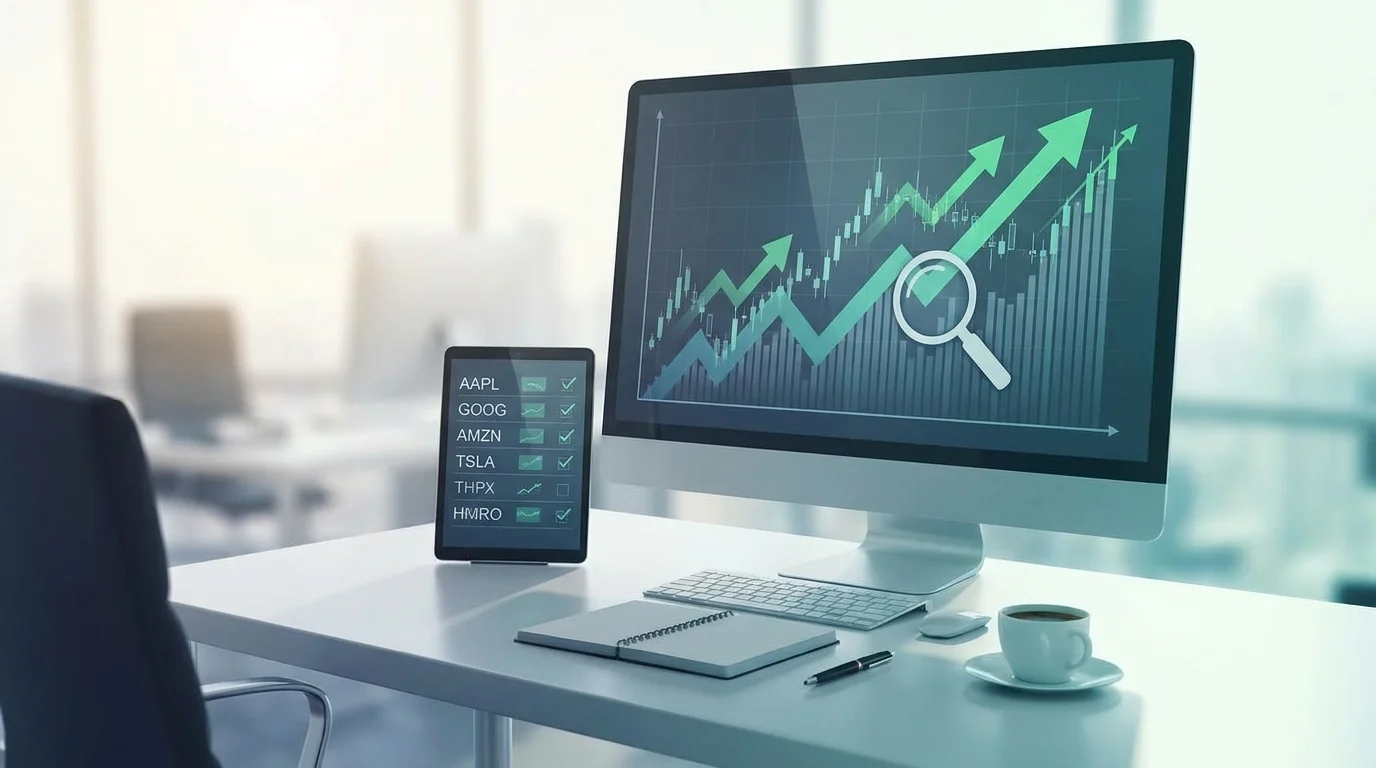
Key Takeaway
A stock watchlist is a curated collection of securities that traders monitor for potential trading opportunities. Building an effective watchlist is one of the most important habits for trading success because it helps you focus your attention on high-quality setups rather than chasing random market movements. The best watchlists are concise, regularly updated, and aligned with your specific trading strategy—whether you're a day trader seeking volatile momentum stocks or a long-term investor tracking fundamentally strong companies. Key elements of a winning watchlist include liquidity (minimum 500K daily volume), appropriate volatility for your risk tolerance, clear catalysts or technical setups, and stocks you understand well. By maintaining multiple watchlists organized by strategy, sector, or timeframe, you can efficiently track opportunities across different market conditions while avoiding the paralysis that comes from monitoring too many securities simultaneously.
What Is a Stock Watchlist?
A stock watchlist is essentially a personalized tracking list of securities that a trader or investor monitors for potential trading opportunities. Think of it as your personal radar system for the market—a curated selection of stocks that have caught your attention for specific reasons, whether technical, fundamental, or catalyst-driven. Unlike a portfolio, which contains positions you already own, a watchlist contains stocks you're considering for future trades.
The concept is simple but powerful. With over 6,000 stocks trading on U.S. exchanges alone, it's impossible to monitor every security effectively. A watchlist solves this problem by narrowing your focus to a manageable number of stocks that meet your specific criteria. This focused approach allows you to develop deep familiarity with how these stocks move, their key support and resistance levels, their typical volume patterns, and their reactions to news events.
Watchlists can be organized in various ways depending on your trading style. Day traders might maintain watchlists of stocks showing unusual pre-market activity or breaking out on high volume. Swing traders may track stocks approaching key technical levels or forming specific chart patterns. Long-term investors often create watchlists of fundamentally strong companies they'd like to own at better prices. The common thread is that every stock on your watchlist should have a clear, definable reason for being there.
Modern trading platforms have made watchlist management incredibly sophisticated. You can create multiple watchlists, set price alerts, receive news notifications, and even automate certain actions when specific conditions are met. Some advanced platforms allow you to share watchlists with other traders or import watchlists created by professionals. Despite these technological advances, the fundamental purpose remains unchanged: to help you stay organized and focused in a market that constantly generates overwhelming amounts of data.
The Benefits of Maintaining a Stock Watchlist
Building and maintaining a stock watchlist offers numerous advantages that directly impact your trading performance and overall market understanding. These benefits extend far beyond simple organization, affecting how you approach the markets and make investment decisions.
Enhanced Market Understanding
When you maintain a focused watchlist, you develop intimate knowledge of how specific stocks behave. You begin to recognize their typical trading ranges, volume signatures, and how they respond to different market conditions. This deep familiarity is impossible to achieve when you're constantly jumping between random stocks. Over time, you'll notice patterns that others miss—how a particular stock tends to bounce at its 50-day moving average, or how another consistently sells off after reaching a certain price level.
This specialized knowledge becomes a significant competitive advantage. While other traders are scrambling to understand a stock's behavior in real-time, you'll already know its personality and can make faster, more confident decisions. The market rewards preparation, and a well-maintained watchlist is one of the best preparation tools available.
Improved Decision Making
Trading decisions made under pressure and without preparation are rarely optimal. A watchlist eliminates much of this pressure by allowing you to conduct thorough analysis before the market opens. You can research each stock's recent news, earnings history, institutional ownership, and technical setup at your leisure. When trading hours begin, you're executing a pre-planned strategy rather than making reactive decisions based on fleeting price movements.
This preparation also helps you avoid impulsive trades. When you have a watchlist of qualified opportunities, you're less likely to chase random stocks that catch your eye during the trading session. You have a plan, and you're more likely to stick to it. This discipline alone can dramatically improve your trading results by reducing emotional decision-making and overtrading.
Efficient Time Management
Time is a finite resource, and the markets demand constant attention. Without a watchlist, you waste countless hours scanning through thousands of stocks trying to find something interesting. With a watchlist, your daily routine becomes streamlined and efficient. You know exactly which stocks to check each morning, which charts to review, and what levels to monitor.
This efficiency extends beyond the trading day. Your research time becomes more productive when you're investigating stocks that have already passed your initial screening criteria. Instead of starting from scratch with every research session, you're building on existing knowledge and tracking developments in stocks you've already qualified as interesting. Over weeks and months, this accumulated knowledge compounds, making you a more effective trader.
Customized Strategy Implementation
Every trader has a unique approach to the markets, and your watchlist should reflect your specific strategy. A momentum trader's watchlist looks very different from a value investor's watchlist, and that's exactly how it should be. By curating your watchlist to match your trading style, you ensure that every stock you monitor is relevant to your approach.
This customization also allows you to track different strategies simultaneously. You might maintain separate watchlists for day trades, swing trades, and long-term investments. Each list can be organized according to its specific requirements, with different criteria for inclusion and different monitoring parameters. This multi-strategy approach is only possible with a well-structured watchlist system.
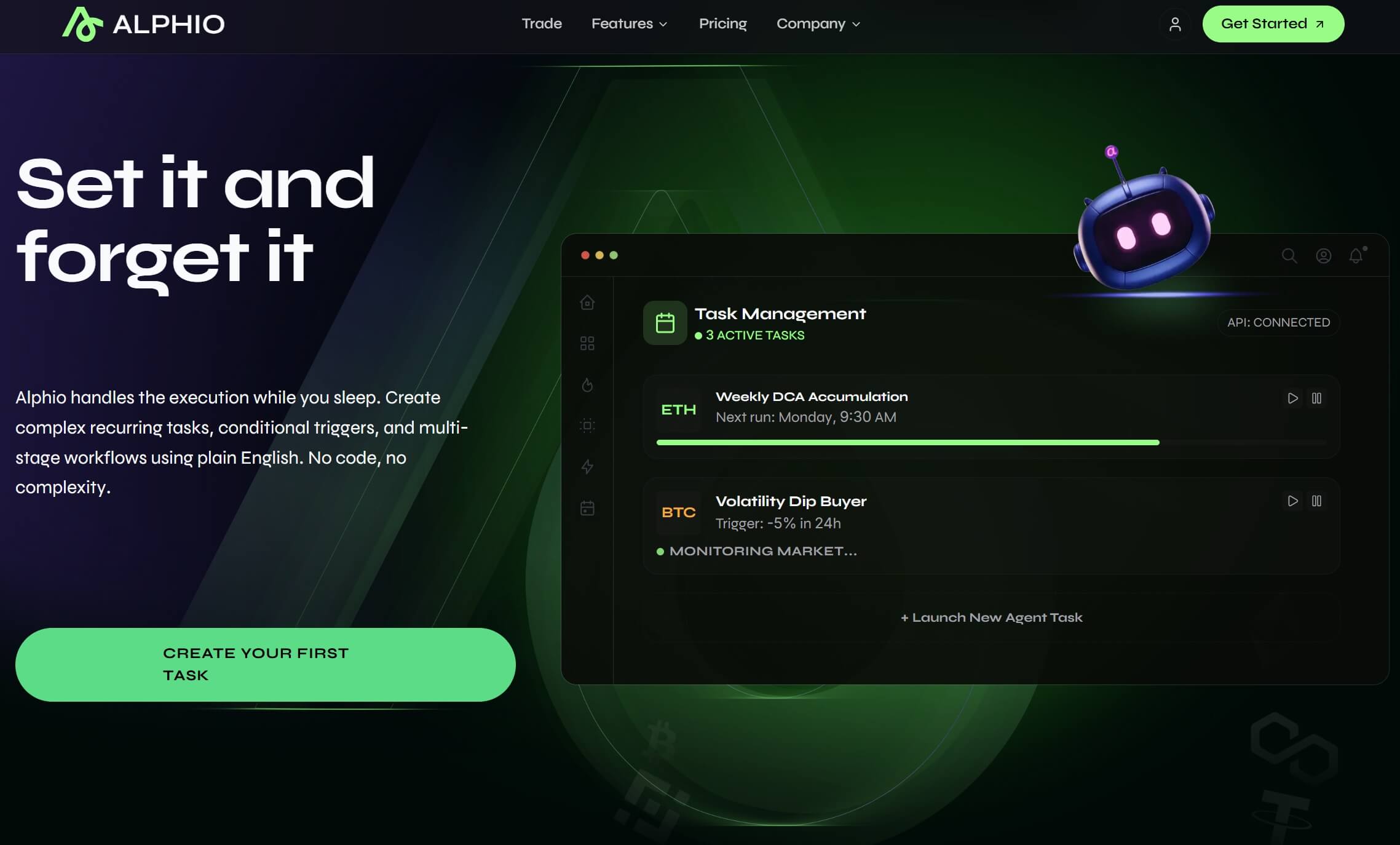
For traders looking to automate their watchlist monitoring, consider using Alphio AI's scheduled task automations to set up conditional workflows that execute based on watchlist alerts.
How to Build an Effective Stock Watchlist
Creating a watchlist that actually improves your trading requires more than just adding random stocks that look interesting. You need a systematic approach that ensures every stock on your list deserves your attention and aligns with your trading goals.
Keep It Concise and Fresh
One of the most common mistakes traders make is creating watchlists that are too large. A watchlist with 100 stocks is nearly as overwhelming as monitoring the entire market. The optimal size depends on your trading style, but most successful traders keep their primary watchlists between 10 and 30 stocks. This range is large enough to provide diverse opportunities while small enough to allow deep familiarity with each security.
Equally important is regularly cleaning your watchlist. Stocks should not remain on your watchlist indefinitely. If a stock has been there for weeks without triggering an entry signal, it's probably time to remove it and replace it with a more promising candidate. Set a regular schedule for watchlist review—perhaps weekly for active traders or monthly for longer-term investors—and be ruthless about removing stocks that no longer meet your criteria.
Freshness also means staying current with market conditions. The stocks that were hot last quarter may be completely dead now. Market leadership rotates constantly, and your watchlist should reflect these rotations. Pay attention to which sectors and themes are currently driving market action, and ensure your watchlist includes exposure to these areas.
Screen to a Focused List
The process of building a watchlist should start with broad screening and gradually narrow down to your final selections. Begin with a large universe of stocks—perhaps all stocks above a certain market cap or volume threshold—and apply increasingly specific filters. This might include technical criteria (stocks above their 200-day moving average), fundamental criteria (positive earnings growth), or catalyst-based criteria (upcoming earnings or FDA decisions).
The key is to be selective. If your screening process returns 200 stocks, your criteria are too loose. Tighten your filters until you're left with a manageable number of high-quality candidates. Remember, the goal is not to catch every opportunity in the market—it's to catch the best opportunities that align with your strategy. Missing a good trade is far better than taking a bad one because you were overwhelmed with options.
Focus on Your Favorites
Some of the best trades come from stocks you know intimately. These favorite stocks—companies you've researched extensively, traded successfully in the past, or followed for years—should form the core of your watchlist. You understand their business models, their competitive positions, and how their stocks typically behave. This knowledge gives you confidence in your decisions and helps you recognize genuine opportunities versus false signals.
Don't be afraid to trade the same stocks repeatedly. Many professional traders focus on a small basket of 10-15 stocks that they trade over and over again. They know these stocks so well that they can anticipate moves before they happen and recognize when a setup is particularly high-probability. This specialization is far more effective than constantly jumping between unfamiliar securities.
Find What You Want
Your watchlist should reflect your personal trading preferences and strengths. If you're excellent at trading breakouts, your watchlist should be full of stocks setting up for potential breakouts. If you excel at finding value in beaten-down stocks, focus your watchlist on oversold candidates with recovery potential. There's no universally perfect watchlist—only the perfect watchlist for your specific approach.
Consider your account size, risk tolerance, and time availability when building your watchlist. A trader with a small account might focus on lower-priced stocks that allow larger position sizes. A risk-averse investor might prioritize dividend-paying stocks with stable earnings. A part-time trader needs a watchlist that doesn't require constant monitoring throughout the day. Tailor your watchlist to your reality, not some theoretical ideal.
Stay Informed with News and Events
Stocks don't move in a vacuum—they react to news, earnings, economic data, and sector developments. Your watchlist management should include staying current with relevant information for your tracked securities. Set up news alerts for your watchlist stocks, mark earnings dates on your calendar, and follow industry publications that cover your focus sectors.
This information edge is crucial. When a stock on your watchlist announces positive earnings or receives an analyst upgrade, you're prepared to act immediately because you've already done your homework. You know the technical levels, you understand the company's business, and you can quickly assess whether the news creates a tradable opportunity. Traders who rely on scanning for opportunities after they move are always a step behind those who are prepared in advance.
What Your Watchlist Should Include
Not all stocks are suitable for watchlist inclusion. To maximize your trading effectiveness, focus on securities that possess specific characteristics conducive to profitable trading.
Liquid Stocks with Tight Spreads
Liquidity is the most important characteristic for any watchlist stock. Without sufficient trading volume, you can't enter or exit positions efficiently, and transaction costs eat into your profits. As a general rule, focus on stocks that trade at least 500,000 shares daily, with higher volume being better. This ensures you can trade meaningful position sizes without significantly impacting the price.
Beyond raw volume, pay attention to the bid-ask spread. Stocks with tight spreads (a penny or two for most securities) allow you to enter and exit at fair prices. Wide spreads indicate poor liquidity and make profitable trading much more difficult. Before adding any stock to your watchlist, check its typical spread during market hours—if it's consistently wide, consider removing it regardless of how attractive the setup appears.
High Volatility Stocks for Active Traders
Volatility is the lifeblood of active trading. Without price movement, there are no profits to be made. Your watchlist should include stocks with sufficient volatility to generate meaningful price swings within your trading timeframe. For day traders, this might mean stocks with average daily ranges of 3-5% or more. For swing traders, weekly ranges of 5-10% might be more appropriate.
However, volatility must be balanced against risk. Extremely volatile stocks can generate large losses just as quickly as large gains. Consider your risk tolerance and position sizing when selecting stocks based on volatility. Also, be aware that volatility changes over time—a stock that was calm last month might become highly volatile due to news or earnings, and vice versa. Regularly review the volatility characteristics of your watchlist stocks and adjust accordingly.
Stocks with Clear Catalysts
Stocks move for reasons, and your watchlist should focus on securities with identifiable catalysts that could drive price action. These catalysts might include upcoming earnings reports, FDA decision dates for biotech companies, product launches, industry conferences, or potential merger announcements. Stocks with pending catalysts offer defined trading opportunities with clear timelines.
Catalysts also provide context for price movements. When a stock on your watchlist suddenly surges 10%, you can quickly determine whether the move is driven by genuine news or simply random noise. This assessment helps you decide whether to chase the move, wait for a pullback, or avoid the stock entirely. Without understanding the catalyst, you're essentially trading blind.
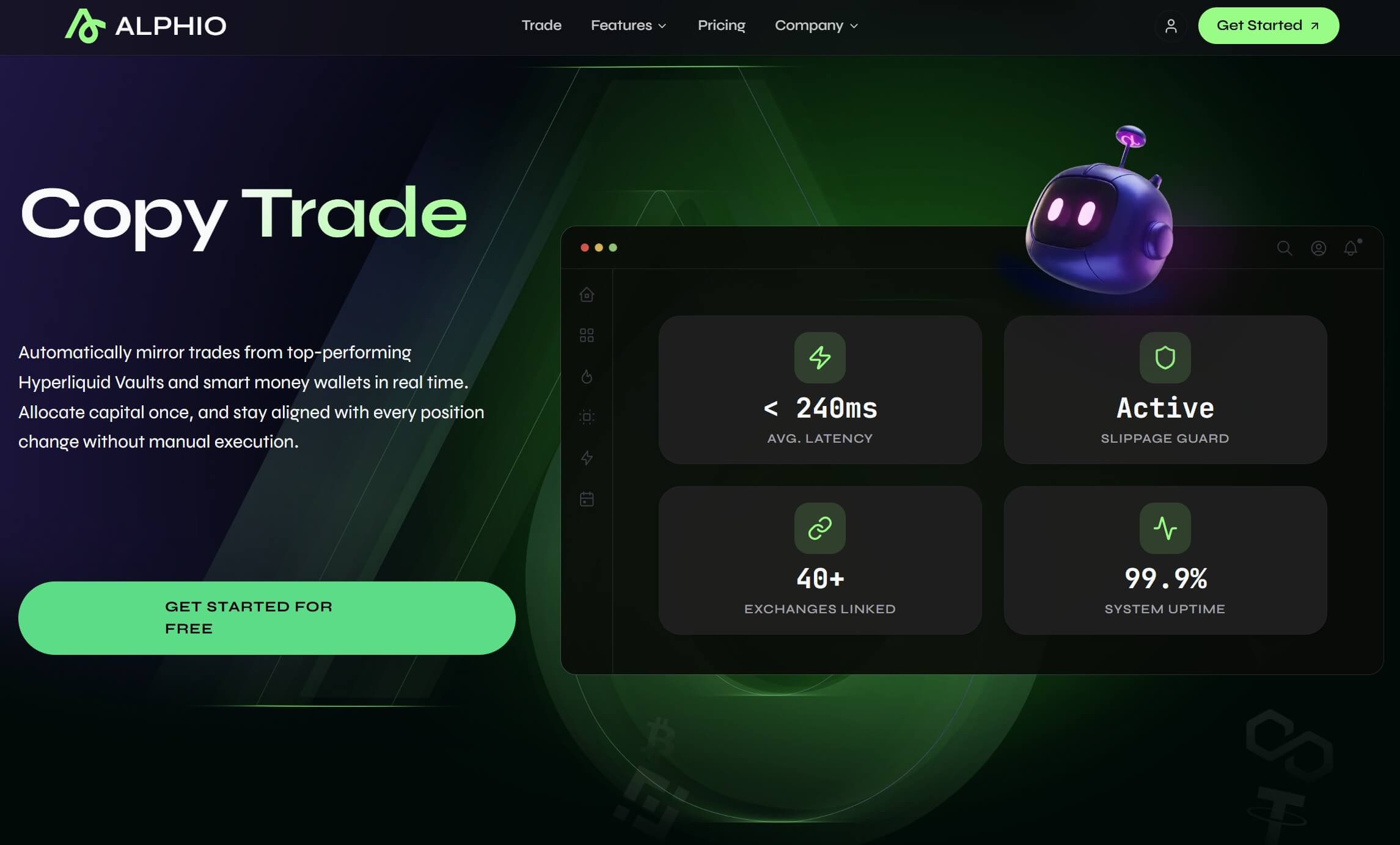
For traders seeking to mirror successful strategies, Alphio AI's copy trading feature allows you to follow Hyperliquid Vaults and smart money wallets, automatically replicating their trades in your account.

Day Trading Watchlist Tips
Day trading places unique demands on watchlist construction and management. The fast-paced nature of intraday trading requires specific approaches to ensure you're tracking the right stocks at the right time.
Focus on Volume Spikes
For day traders, unusual volume is often the first sign that something significant is happening. A stock trading at 3x or 5x its average volume indicates heightened interest and increased probability of meaningful price movement. Your day trading watchlist should prioritize stocks showing these volume spikes, as they're the most likely to produce tradable opportunities.
Volume analysis goes beyond just identifying spikes. Consider the timing of volume—pre-market volume suggests institutional interest and potential gap moves at the open. Midday volume spikes might indicate news-driven moves or technical breakouts. End-of-day volume often reveals institutional positioning for the next session. Understanding these volume patterns helps you anticipate how a stock might behave throughout the trading day.
Monitor News Flow Throughout the Day
Day trading requires constant awareness of news developments. A stock that was setting up beautifully can be derailed by an unexpected announcement, while a quiet stock can suddenly become active on breaking news. Your watchlist management should include real-time news monitoring for all tracked securities.
Set up multiple news sources and alerts to ensure you don't miss important developments. This might include financial wire services, company press release feeds, social media monitoring, and analyst alert services. When news breaks on a watchlist stock, you need to assess it immediately—is it material enough to change your trading plan? Does it create a new opportunity or invalidate an existing setup? The ability to quickly process news and adjust your approach is essential for day trading success.
Apply Technical Analysis to Watchlist Stocks
Every stock on your day trading watchlist should have clearly defined technical levels that guide your trading decisions. Before the market opens, identify key support and resistance levels, moving averages, and any chart patterns that might influence price action. This pre-market preparation allows you to react quickly when levels are tested or broken during the trading session.
Technical analysis also helps you prioritize opportunities. If you have 15 stocks on your watchlist but can only realistically trade 3-4, technical factors help you determine which setups offer the best risk-reward ratios. A stock approaching a major resistance level with declining volume might be a lower priority than one breaking out on heavy volume with clear sky above. Your technical work transforms your watchlist from a simple list of symbols into a prioritized action plan.
Set Clear Entry and Exit Points
Ambiguity is the enemy of successful day trading. For every stock on your watchlist, you should have predetermined entry points, stop-loss levels, and profit targets before the market opens. This planning eliminates emotional decision-making during the heat of the trading session and ensures every trade has a favorable risk-reward profile.
Your entry points should be specific and actionable—not I'll buy if it goes up but I'll buy if it breaks above $50.25 with volume exceeding 100,000 shares in the first 5 minutes. Similarly, your exit points should be predetermined. Know exactly where you'll cut losses if the trade goes against you, and where you'll take profits if it moves in your favor. This level of preparation is only possible with a well-maintained watchlist that you review and analyze before each trading session.
Managing Multiple Watchlists
As your trading evolves, you'll likely find that a single watchlist is insufficient. Different strategies, timeframes, and market conditions require different sets of stocks, and organizing these into separate watchlists improves your efficiency and focus.
Organize by Sector or Industry
Sector-based watchlists help you capitalize on industry trends and rotations. When technology stocks are leading the market, you want a watchlist of the strongest tech names ready for potential trades. When energy stocks are surging on oil price increases, you need immediate access to the best energy plays. By maintaining sector-specific watchlists, you can quickly pivot your focus as market leadership changes.
Sector watchlists also help you understand sector-specific dynamics. Biotech stocks behave differently from bank stocks, and tech stocks have different trading patterns than utility stocks. By grouping similar stocks together, you develop expertise in how each sector trades and what factors drive their movements. This specialized knowledge improves your ability to identify the best opportunities within each sector.
Separate by Trading Strategy
Different trading strategies require different types of stocks. A momentum strategy focuses on stocks making significant moves with strong volume. A mean reversion strategy targets oversold stocks bouncing from support. A breakout strategy monitors stocks consolidating near resistance levels. Trying to track all these different setup types in a single watchlist creates confusion and missed opportunities.
Create separate watchlists for each of your core strategies. Your momentum list might contain stocks up 10% or more on heavy volume. Your reversal list might track stocks down 3+ days in a row reaching oversold technical levels. Your breakout list monitors stocks in tight consolidation patterns approaching key resistance. This organization ensures that when you're looking for a specific type of setup, you know exactly where to find the best candidates.
Categorize by Timeframe
The same stock can be a great day trade, a mediocre swing trade, and a terrible long-term investment—or vice versa. Your watchlists should reflect these timeframe differences. Maintain separate lists for intraday opportunities, multi-day swings, and long-term investments. A stock might appear on multiple lists if it offers opportunities across different timeframes, but the criteria for inclusion and the monitoring approach should be timeframe-specific.
Timeframe organization also helps you manage your attention throughout the day. During market hours, you focus primarily on your day trading watchlist. During evening research sessions, you review your swing trading and long-term watchlists for potential additions or removals. This structured approach ensures you're always working on the right timeframe for the current market session.
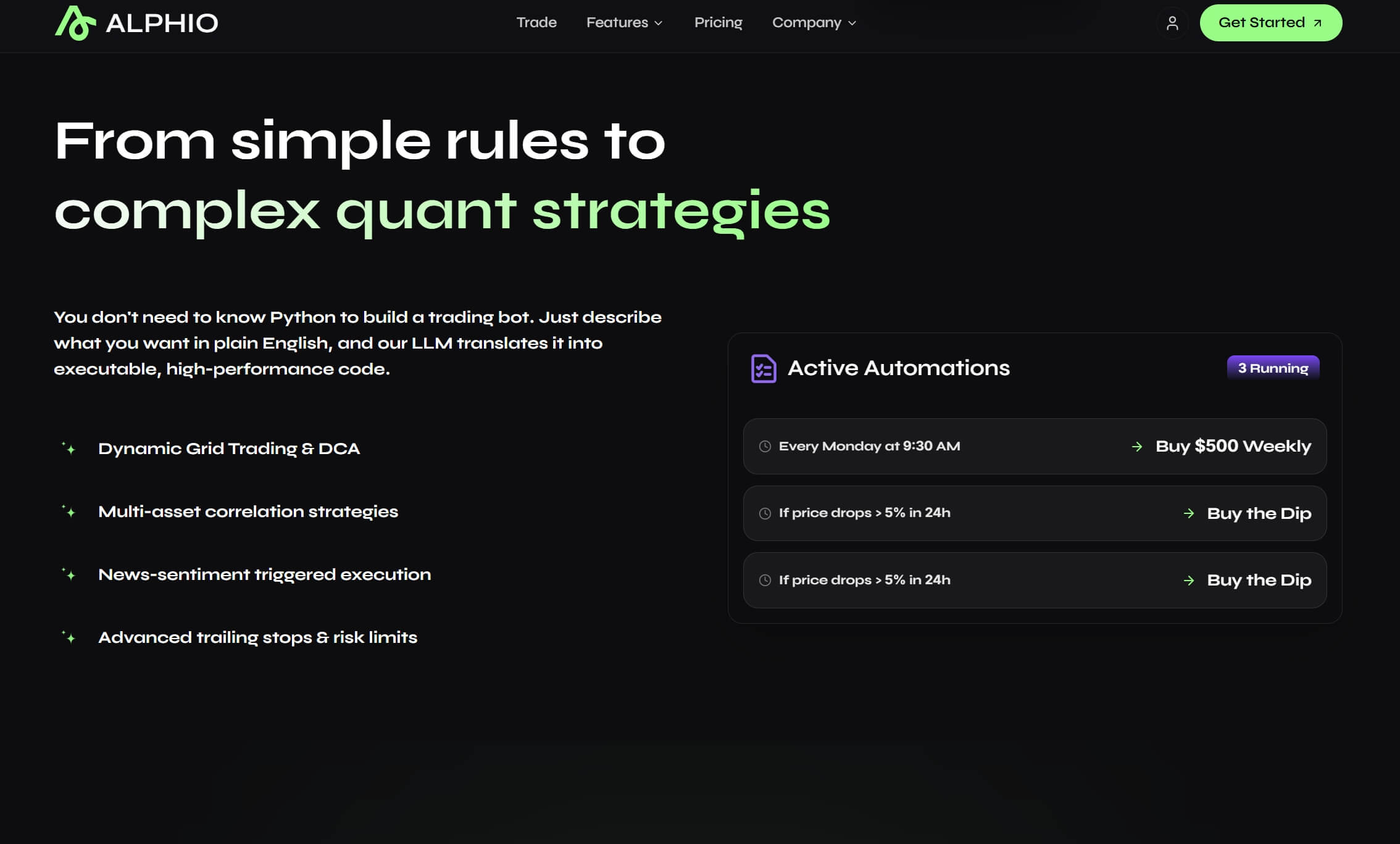
For those interested in automating their trading strategies across multiple timeframes, explore Alphio AI's agentic trading feature to automate portfolio management with AI-powered strategies.
Watchlist Maintenance Best Practices
Creating a watchlist is just the beginning. To remain effective, your watchlist requires ongoing maintenance and regular review. Neglected watchlists quickly become stale and irrelevant, leading to missed opportunities and poor trading decisions.
Daily Review and Update Routine
Establish a consistent daily routine for watchlist maintenance. Before the market opens, review each stock on your list to ensure it still meets your criteria. Check for overnight news, earnings announcements, or other developments that might affect your trading plans. Remove stocks that have broken down technically or no longer offer attractive setups. Add new candidates that have emerged from your screening process.
After the market closes, conduct a more thorough review. Analyze how watchlist stocks performed during the session, noting which setups worked and which failed. Update your technical levels and notes based on the day's price action. This post-market review prepares you for the next trading session and helps you continuously refine your watchlist criteria based on real market feedback.
Remove Underperformers Promptly
One of the hardest but most important aspects of watchlist management is removing stocks that aren't working. It's natural to become attached to stocks you've researched and monitored, but attachment leads to poor decisions. If a stock has been on your watchlist for weeks without offering a valid setup, remove it. If a stock's technical condition has deteriorated, remove it. If a stock's catalyst has passed without producing the expected move, remove it.
Be particularly vigilant about removing stocks after significant news events. Once a stock has made a major move on earnings or other catalysts, it often enters a consolidation phase that can last for weeks or months. There's no reason to keep these stocks on your active watchlist during this period. You can always add them back later when they set up again.
Add New Opportunities Regularly
Just as important as removing stale stocks is adding fresh opportunities. Markets are constantly creating new setups, and your watchlist should reflect this dynamism. Set a goal to add at least a few new stocks to your watchlist each week, replacing the ones you've removed. This continuous refresh ensures you're always tracking the most current opportunities rather than yesterday's news.
New additions should go through the same rigorous screening process as your original watchlist selections. Don't add stocks impulsively just because they had a big day or caught your attention on social media. Apply your standard criteria and ensure every addition deserves its place on your list. Quality control is essential—even as you strive to keep your watchlist fresh, resist the temptation to lower your standards.
Track Performance and Refine Criteria
Your watchlist is a tool for improving your trading, and like any tool, it should be evaluated for effectiveness. Periodically review the performance of trades taken from your watchlist versus trades taken from other sources. Are your watchlist trades more successful? Do they offer better risk-reward ratios? This analysis helps you determine whether your watchlist construction process is working or needs adjustment.
Also track which types of stocks on your watchlist produce the best results. You might discover that mid-cap tech stocks consistently offer better trades than small-cap biotechs, or that stocks with earnings catalysts outperform those with technical setups alone. Use these insights to refine your watchlist criteria and focus on the types of stocks that work best for your trading style.
Common Watchlist Mistakes to Avoid
Even experienced traders make mistakes with their watchlists. Being aware of these common pitfalls helps you avoid them and maintain a more effective tracking system.
Making Watchlists Too Large
The most common watchlist mistake is including too many stocks. A watchlist with 50 or 100 stocks is essentially useless—you can't possibly monitor that many securities effectively, and you'll miss opportunities in the noise. Remember, the purpose of a watchlist is to focus your attention, not to track every stock that might possibly become interesting.
If you find your watchlist growing beyond 30-40 stocks, it's time for a purge. Be ruthless about removing stocks that haven't offered setups recently or that no longer meet your criteria. It's better to have a short list of high-quality opportunities than a long list of marginal ones. You can always add stocks back if conditions change.
Failing to Remove Stale Stocks
Stocks have a shelf life on your watchlist. A stock that was setting up beautifully three weeks ago may have completely broken down technically since then. Failing to remove these stale stocks clutters your watchlist and distracts you from current opportunities. It can also lead to poor trades if you act on outdated setups without realizing conditions have changed.
Set a maximum time limit for how long a stock can remain on your watchlist without triggering a trade. If a stock hasn't offered a valid entry within two to four weeks (depending on your trading timeframe), remove it. The market is constantly creating new opportunities, and there's no reason to stay focused on stocks that aren't performing.
Ignoring Market Conditions
Your watchlist should reflect current market conditions, not some theoretical ideal. In a strong bull market, your watchlist should be heavy on momentum stocks and breakout candidates. In a bear market, you might shift focus to defensive stocks or short-selling opportunities. A watchlist full of aggressive growth stocks is inappropriate when the market is in a severe correction.
Pay attention to the overall market environment and adjust your watchlist accordingly. This doesn't mean chasing every market rotation, but it does mean being realistic about what types of stocks are likely to perform well in current conditions. Flexibility in watchlist construction helps you stay aligned with the market rather than fighting it.
Neglecting Post-Trade Analysis
Every trade you take from your watchlist provides valuable feedback about your watchlist construction process. Did the trade work as expected? Was the setup valid? Did you miss any important factors in your pre-trade analysis? Failing to review your watchlist-based trades means missing opportunities to improve your selection criteria.
After closing a trade from your watchlist, take a moment to evaluate the entire process. Was the stock appropriately qualified for your list? Did your analysis of the setup prove accurate? What could you have done differently? This post-trade analysis helps you continuously refine your watchlist management and improve the quality of future opportunities.
Ready to elevate your trading with intelligent automation? Try Alphio AI's conversational trading interface to execute trades via natural language chat, or explore copy trading to mirror the strategies of successful traders. For hands-off portfolio management, our agentic trading feature automates your strategy execution with AI-powered precision.
Conclusion
Building and maintaining an effective stock watchlist is one of the most important skills for trading success. In a market that generates overwhelming amounts of data and countless potential opportunities, a well-constructed watchlist provides the focus and organization necessary for consistent performance. By carefully selecting stocks that meet your specific criteria, regularly updating your list to reflect current conditions, and avoiding common mistakes like overloading your watchlist or neglecting maintenance, you create a powerful tool that improves every aspect of your trading.
The key principles of successful watchlist management are simple but require discipline to implement. Keep your watchlist concise—10 to 30 stocks is optimal for most traders. Focus on liquid, volatile stocks with clear catalysts that align with your trading strategy. Maintain multiple watchlists organized by sector, strategy, or timeframe to track different types of opportunities. Review and update your lists daily, removing stale stocks and adding fresh candidates. Most importantly, ensure every stock on your watchlist has a clear, defensible reason for being there.
Remember that your watchlist is a living tool, not a static document. It should evolve with your trading style, adapt to changing market conditions, and continuously improve based on your experience. The traders who succeed in the long run are those who treat watchlist construction as a serious discipline, investing the time and effort necessary to build tracking systems that genuinely support their trading goals. Start building your winning watchlist today, and you'll be amazed at how much it improves your market focus and trading results.
FAQs
What is a stock watchlist and why do I need one?
A stock watchlist is a curated list of securities that traders monitor for potential trading opportunities. You need one because it helps you focus your attention on a manageable number of high-quality stocks rather than trying to track the entire market. A well-maintained watchlist improves your market understanding, enables better preparation for trades, saves time, and helps you avoid impulsive decisions. It's an essential tool for both active traders and long-term investors.
How many stocks should I have on my watchlist?
Most successful traders keep their primary watchlists between 10 and 30 stocks. This range is large enough to provide diverse opportunities while small enough to allow deep familiarity with each security. Watchlists with 50+ stocks are too overwhelming and defeat the purpose of focused tracking. If your watchlist grows beyond 30-40 stocks, it's time to remove the least promising candidates and focus on the highest-quality setups.
What criteria should I use to select stocks for my watchlist?
Key criteria include: liquidity (minimum 500K daily volume for easy entry/exit), appropriate volatility for your trading style, clear technical setups or catalysts, and stocks you understand well. Day traders should focus on stocks with high volatility and unusual volume. Long-term investors might prioritize fundamental factors like earnings growth and competitive positioning. Always ensure stocks meet your specific strategy requirements before adding them to your watchlist.
How often should I update my stock watchlist?
Active traders should review their watchlists daily—before the market opens to prepare for the session and after the close to analyze performance. Remove stocks that have broken down technically, no longer meet your criteria, or have been on the list for weeks without offering valid setups. Add fresh opportunities from your screening process. Long-term investors might review weekly or monthly, but regular maintenance is essential for keeping your watchlist relevant and effective.
Should I maintain multiple watchlists for different strategies?
Yes, maintaining multiple watchlists is highly recommended. Organize them by trading strategy (momentum, reversal, breakout), sector (technology, healthcare, energy), or timeframe (day trades, swing trades, long-term holds). This organization helps you quickly find appropriate opportunities based on current market conditions and your trading goals. A stock might appear on multiple lists if it offers opportunities across different timeframes or strategies.