

Nvidia Stock Earnings August 2026: AI Chip Demand Analysis & Price Forecast
Nvidia reports Q2 2026 earnings on August 26. Wall Street expects 2B revenue and .09 EPS. Explore NVDA stock analysis, AI chip demand trends, and price targets.


Key Takeaway
Nvidia (NVDA) is set to report its highly anticipated Q2 fiscal 2027 earnings on August 26, 2026, with Wall Street expecting approximately 2 billion in revenue and earnings per share of .09. This represents nearly double the year-ago results, reflecting the company's dominant position in the AI chip market and its exceptional pricing power amid a global GPU shortage. However, the stock's muted performance in 2026—rising only about 17.7% year-to-date to around 19—suggests that investors have already priced in much of the growth, creating a challenging setup for the earnings report.
The semiconductor giant faces a critical moment that could determine whether the AI-driven rally continues or pauses. With 37 analysts covering the stock and maintaining a consensus Buy rating with an average price target of approximately 06, Nvidia must demonstrate continued execution to justify its premium valuation. The key factors investors will be watching include data center revenue growth, gross margin expansion, guidance for the current quarter, and any commentary on competitive threats from emerging AI chip rivals.
Understanding Nvidia's Q2 2026 Earnings Expectations
Wall Street has set exceptionally high expectations for Nvidia's upcoming earnings report, reflecting the company's transformation from a gaming-focused chipmaker to the dominant force in artificial intelligence infrastructure. Analysts anticipate GAAP earnings of .06 per share, which would represent an extraordinary year-over-year increase and demonstrate the company's ability to translate AI demand into bottom-line profits.
The revenue consensus of approximately 2 billion underscores the massive scale of Nvidia's AI chip business. This figure would represent continued momentum in the data center segment, which has become the primary growth driver for the company. The data center business now accounts for the majority of Nvidia's revenue, fueled by relentless demand from cloud computing providers, enterprise customers, and AI startups all racing to build out their AI infrastructure.
Revenue Growth Drivers
Nvidia's revenue growth has been propelled by several interconnected factors that show no signs of slowing. The proliferation of large language models and generative AI applications has created an insatiable appetite for the company's high-performance GPUs, particularly the H100 and newer Blackwell architecture chips. Cloud service providers including Microsoft, Amazon, Google, and Meta have been among the largest customers, collectively purchasing hundreds of thousands of GPUs to power their AI services.
Enterprise adoption of AI has accelerated beyond initial expectations, with companies across industries—from financial services to healthcare to manufacturing—deploying Nvidia-powered AI solutions. This broadening customer base provides diversification beyond the hyperscaler segment and suggests sustained demand even as the initial infrastructure build-out matures. The company's software ecosystem, including CUDA and various AI frameworks, creates significant switching costs that help maintain customer loyalty.
Data Center Segment: The Growth Engine
The data center segment has emerged as Nvidia's most important business unit, driving the majority of revenue growth and profit expansion. In recent quarters, this segment has grown at an extraordinary pace, with year-over-year increases exceeding 100% in some periods. The segment's success reflects Nvidia's successful pivot from its gaming origins to becoming the essential infrastructure provider for the AI revolution.
Margins and Profitability
One of the most impressive aspects of Nvidia's recent performance has been gross margin expansion, which has reached historically high levels due to the premium pricing power the company enjoys in the AI chip market. The combination of strong demand, limited competition, and high-value products has allowed Nvidia to achieve gross margins above 70%, translating into exceptional profitability.
Operating leverage has amplified bottom-line growth, with earnings per share increasing at an even faster rate than revenue. This operating leverage demonstrates the scalability of Nvidia's business model and suggests that further revenue growth could drive disproportionate profit expansion. However, investors should monitor whether margin pressure emerges as competition intensifies or as customers seek more cost-effective alternatives.
Competitive Landscape and Market Position
While Nvidia currently dominates the AI chip market, competitive threats are emerging from multiple directions. Traditional semiconductor rivals like AMD and Intel are investing heavily in AI accelerators, though they remain significantly behind in market share and ecosystem development. More concerning for Nvidia may be the custom silicon efforts by its largest customers, including Google's TPUs, Amazon's Trainium, and Microsoft's Maia chips.
For investors seeking to navigate the competitive semiconductor landscape, consider using Alphio AI's copy trading feature to mirror successful traders and smart money wallets who specialize in tech stock analysis.

The China Challenge
Nvidia faces ongoing challenges related to U.S. export restrictions on advanced AI chips to China, which has historically been a significant market for the company. The company has developed modified chips that comply with export controls, but these products offer reduced performance compared to their unrestricted counterparts. The long-term impact of these restrictions on Nvidia's growth trajectory remains a key uncertainty.
Despite these headwinds, Nvidia's management has demonstrated resilience in navigating regulatory challenges while maintaining growth. The company's ability to redirect supply to other markets and develop compliant products has helped mitigate the revenue impact, though margins on modified chips may be lower than flagship products.
Analyst Sentiment and Price Targets
The 37 analysts covering Nvidia have maintained a consensus Buy rating, reflecting broad confidence in the company's growth prospects despite valuation concerns. The average price target of approximately 06 represents significant upside from current trading levels, though the range of estimates is wide, reflecting uncertainty about the sustainability of current growth rates.
Bull Case Scenario
Bulls argue that Nvidia remains in the early innings of the AI infrastructure build-out, with years of growth ahead as enterprises deploy AI across their operations. The transition from training large models to inference at scale represents a new growth vector that could sustain demand even as the initial training infrastructure build-out matures. Additionally, Nvidia's software and services revenue, while still small relative to hardware, offers higher margins and recurring revenue potential.
Some analysts suggest the stock is trading at a significant discount based on sum-of-parts analysis of free cash flow, with estimates ranging from 34% to 50% undervalued. This analysis assumes continued dominance in AI chips and successful expansion into adjacent markets including automotive, robotics, and enterprise software.
Bear Case Considerations
Bears point to Nvidia's premium valuation, which requires flawless execution to justify current prices. Any signs of demand deceleration, margin compression, or competitive pressure could trigger significant multiple compression. The concentration of revenue among a handful of hyperscaler customers creates customer concentration risk that could amplify volatility if any major customer reduces orders.
Additionally, concerns about the return on investment for AI infrastructure spending have emerged, with questions about whether the massive capital expenditures by tech giants will generate commensurate returns. If AI adoption proceeds more slowly than expected, or if economic conditions force customers to curtail spending, Nvidia's growth could decelerate more rapidly than anticipated.
Technical Analysis and Trading Levels
From a technical perspective, Nvidia stock has established key support and resistance levels that traders are monitoring ahead of earnings. The stock has shown resilience in maintaining levels above 00, which has emerged as an important psychological support zone. Resistance near 30 represents the next major hurdle, with a breakout above this level potentially targeting the 50 range.
For traders looking to automate their portfolio management during volatile earnings periods, Alphio AI's agentic trading offers AI-powered strategies that can help navigate market volatility.

Volatility Expectations
Options markets are pricing in significant volatility around the earnings release, with implied volatility elevated compared to historical levels. This reflects the binary nature of the event, where results could drive substantial price movement in either direction. Traders should be prepared for potential gaps and consider position sizing accordingly.
The post-earnings price action will likely depend not just on whether Nvidia meets expectations, but on the quality of guidance provided for the current quarter and any commentary on demand trends. Even a slight miss on guidance could trigger significant selling given the high expectations embedded in the current valuation.
Investment Strategy Considerations
For investors considering a position in Nvidia ahead of earnings, several factors warrant consideration. The stock's valuation leaves little room for disappointment, suggesting that risk-averse investors may want to wait for a post-earnings pullback before initiating positions. However, long-term believers in the AI theme may view any weakness as a buying opportunity given Nvidia's dominant market position.
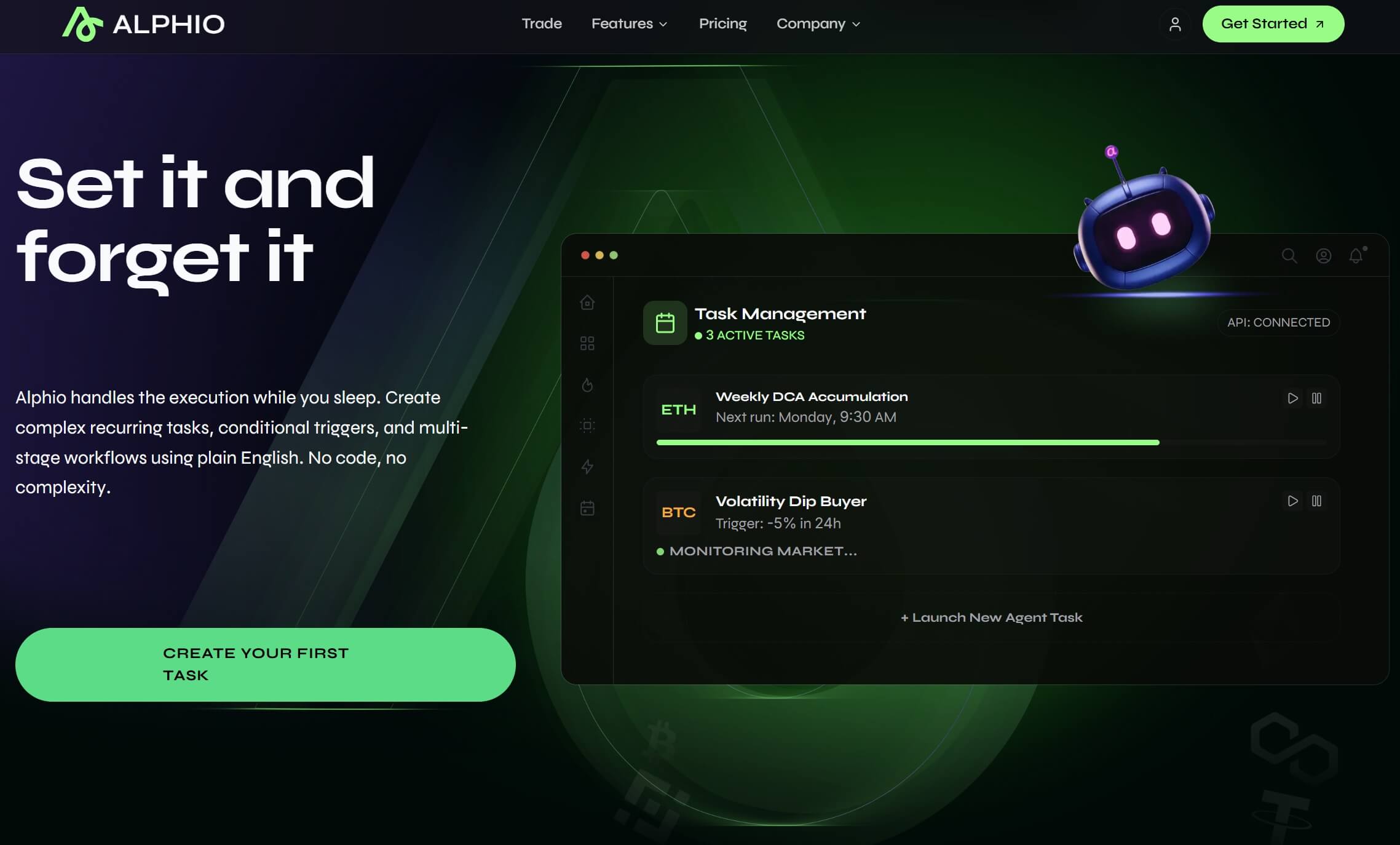
Investors can also explore Alphio AI's automations to set conditional workflows for managing positions around earnings events, helping to remove emotion from trading decisions.
Position Sizing and Risk Management
Given the potential for significant volatility, proper position sizing is essential for managing risk. Investors should consider what percentage of their portfolio they are comfortable allocating to a single stock with elevated volatility characteristics. Diversification across the semiconductor sector or broader technology exposure may provide a more balanced approach for those seeking AI-related growth.
Stop-loss orders or options strategies can help manage downside risk, though investors should be aware that earnings-related gaps can bypass traditional stop levels. Consider using position sizing rather than stop orders as the primary risk management tool for event-driven volatility.
Broader Market Implications
Nvidia's earnings report carries significance beyond the company itself, as the results will provide insight into the health of AI infrastructure spending across the technology sector. As one of the largest companies by market capitalization and a key component of major indices, Nvidia's performance can influence broader market sentiment.
The report will also provide read-throughs for other semiconductor companies, cloud service providers, and AI-related stocks. Strong results could reignite the AI trade that has driven much of the market's gains in recent years, while disappointing results could trigger broader tech sector weakness.
Conclusion
Nvidia's August 26, 2026 earnings report represents a pivotal moment for both the company and the broader AI investment theme. With expectations running high and the stock's valuation reflecting optimism about continued growth, the company must deliver strong results and bullish guidance to sustain the current price level. The data center segment's performance, margin trends, and management commentary on demand sustainability will be the key factors determining the market's reaction.
For long-term investors, Nvidia's dominant position in AI infrastructure and strong competitive moat suggest continued success, though short-term volatility around earnings is likely. The company's ability to maintain pricing power, expand into new markets, and navigate competitive and regulatory challenges will determine whether it can grow into its premium valuation.
Ready to take your trading to the next level? Explore Alphio AI's conversational trading platform to execute trades via chat and access AI-powered market insights that can help you navigate earnings season with confidence.

Whether you are a long-term holder or an active trader, staying informed about Nvidia's evolving story is essential for navigating the AI investment landscape. The August earnings report will provide crucial data points for assessing whether the AI infrastructure build-out remains on track and whether Nvidia can maintain its leadership position in this transformative technology sector.
FAQs
When is Nvidia's Q2 2026 earnings report date?
Nvidia is scheduled to report its Q2 fiscal 2027 earnings on August 26, 2026. The report is expected after market close and will cover the quarter ended July 2026.
What are Wall Street's expectations for Nvidia's Q2 2026 earnings?
Wall Street analysts expect Nvidia to report approximately 2 billion in revenue and earnings per share of .09. This would represent nearly double the year-ago results, reflecting continued strong demand for AI chips.
What is the average analyst price target for NVDA stock?
The 37 analysts covering Nvidia have an average price target of approximately 06, with a consensus Buy rating. This represents significant upside potential from current trading levels around 19.
What are the main risks facing Nvidia investors?
Key risks include competitive pressure from AMD, Intel, and custom silicon efforts by major customers; U.S. export restrictions on AI chips to China; potential demand deceleration as AI infrastructure build-out matures; and valuation concerns given the stock's premium multiple.
How important is the data center segment to Nvidia's revenue?
The data center segment has become Nvidia's primary revenue driver, accounting for the majority of total revenue. This segment has grown at an extraordinary pace, with year-over-year increases exceeding 100% in recent quarters, driven by demand from cloud providers and enterprises building AI infrastructure.