

TSMC Stock Analysis July 2026: Record Profits, AI Dominance & $100B Expansion
TSMC reports record Q2 2026 earnings with 77% profit surge. Analysis of AI chip demand, $100B Arizona expansion, and investment outlook for Taiwan Semiconductor.

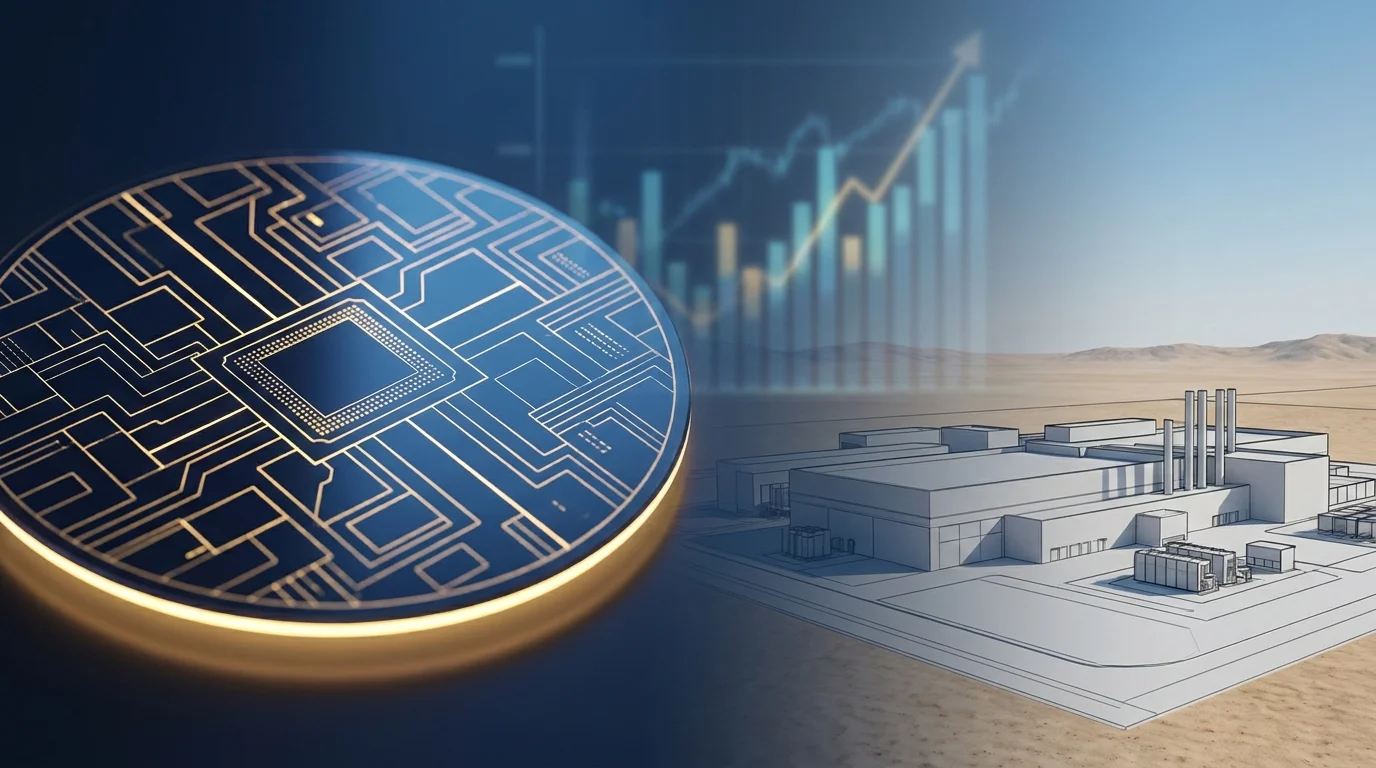
Key Takeaway
Taiwan Semiconductor Manufacturing Company (TSMC) delivered a stunning Q2 2026 earnings report that solidifies its position as the indispensable backbone of the global artificial intelligence revolution. The world's largest contract chipmaker announced a record-breaking net profit of T$706.6 billion ($21.99 billion), representing a remarkable 77% year-over-year surge that blew past Wall Street's consensus estimate of $3.80 per share with an actual EPS of $4.31. This marks TSMC's fifth consecutive quarter of all-time high profits, demonstrating the company's extraordinary ability to capitalize on the insatiable demand for advanced AI chips.
The significance of TSMC's earnings extends far beyond the headline numbers. As the exclusive manufacturer of virtually every leading-edge AI processor - from Nvidia's dominant H100 and Blackwell GPUs to custom silicon designed by Amazon, Google, Microsoft, and Apple - TSMC serves as the critical chokepoint in the global AI supply chain. The company's results provide the most reliable barometer for the health of the entire AI infrastructure buildout, making this report a watershed moment for investors trying to gauge whether the AI boom has sustainable momentum or is approaching a ceiling.
TSMC also announced a dramatic increase in its full-year 2026 revenue growth guidance, raising expectations from "more than 30%" to "slightly above 40%." Perhaps even more significantly, the company unveiled plans for a massive $100 billion investment in Arizona to build advanced 2-nanometer chip manufacturing facilities, representing one of the largest foreign direct investments in U.S. manufacturing history. This strategic move addresses growing geopolitical concerns about Taiwan Strait risks while positioning TSMC to maintain its technological leadership for the next decade.
The AI Chip Supercycle: Understanding TSMC's Strategic Position
The artificial intelligence revolution has created an unprecedented demand environment for advanced semiconductors, and TSMC sits at the absolute center of this transformation. Unlike previous technology cycles that were driven by consumer electronics or enterprise computing, the current AI buildout involves massive capital expenditures from the world's largest technology companies, each racing to secure competitive advantages in AI capabilities. Microsoft, Google parent Alphabet, Meta Platforms, Amazon, and Oracle are collectively spending hundreds of billions of dollars on AI data center infrastructure, with the majority of that investment flowing through TSMC's foundries.
The dynamics driving this demand are structural rather than cyclical. Large language models and generative AI applications require exponentially more computing power than traditional software workloads. Training a state-of-the-art AI model like GPT-5 or Google's Gemini Ultra requires tens of thousands of advanced GPUs running continuously for months, while deploying these models for inference at scale demands equally massive infrastructure. Every major technology company has concluded that AI capabilities will determine competitive positioning for the next decade, creating a arms race mentality that shows no signs of abating.
TSMC's technological leadership is the key factor that makes this demand translate into sustainable profits. The company's 3-nanometer process node, which entered mass production in late 2022, remains the most advanced semiconductor manufacturing technology commercially available. Samsung and Intel have struggled to match TSMC's yield rates and transistor density at the leading edge, giving TSMC an effective monopoly on the most advanced AI chips. This technological moat translates into extraordinary pricing power, with TSMC commanding premium rates that have driven gross margins above 65%.
For investors seeking exposure to the AI revolution without picking winners among the hyperscalers, TSMC offers a compelling "picks and shovels" investment thesis. Regardless of whether Nvidia, AMD, or custom silicon from Google and Amazon ultimately captures the most market share, all of these chips must be manufactured by TSMC. This positioning makes TSMC's revenue and profit growth among the most predictable in the entire technology sector, even as competition intensifies among its customers.
Q2 2026 Earnings Deep Dive: Beating Expectations Across the Board
TSMC's second quarter results demonstrated operational excellence across virtually every metric that matters to investors. Revenue of $40.2 billion edged past the $39.94 billion consensus estimate, while the record profit figure of $21.99 billion represented the fifth consecutive quarter of all-time highs for the Hsinchu-based foundry. This consistent execution is particularly impressive given the volatile macroeconomic environment and ongoing geopolitical tensions that could have disrupted operations.
The company's guidance for the third quarter suggests this momentum will continue. Management projected Q3 revenue between $40.8 billion and $41.6 billion, representing sequential growth even from the record Q2 level. Gross margin guidance of 54% to 56% demonstrates that TSMC is maintaining its pricing discipline despite competitive pressures, while operating margin guidance of 42.5% to 44.5% shows the company's operating leverage continues to improve as scale increases.
Several factors contributed to the earnings beat. Advanced process nodes, defined as 7-nanometer and below, accounted for 69% of total wafer revenue, up from 65% in the previous quarter. This mix shift toward higher-margin technologies is a key driver of profitability expansion. The 3-nanometer node alone contributed 15% of revenue, while the 5-nanometer node contributed 35%. As these advanced nodes ramp to higher volumes and yield improvements continue, margin expansion should persist through the remainder of 2026.
Geographic revenue distribution also tells an important story. North America accounted for 72% of revenue, up from 69% in Q1, reflecting the concentration of AI demand among U.S.-based hyperscalers. China represented just 11% of revenue, down from 14% in the prior quarter, as U.S. export restrictions continue to limit TSMC's ability to serve Chinese customers with advanced chips. This geographic concentration creates some risk but also aligns TSMC's business with the companies driving the AI revolution.
The $100 Billion Arizona Bet: Geopolitics Meets Manufacturing Strategy
Perhaps the most significant announcement accompanying TSMC's earnings was the commitment to invest $100 billion in Arizona to build three additional fabs, including the company's first 2-nanometer manufacturing facility outside Taiwan. This massive capital commitment, which comes on top of the $65 billion already invested in Arizona, represents one of the largest foreign direct investments in U.S. history and signals TSMC's determination to diversify its manufacturing footprint while addressing geopolitical concerns.
The strategic rationale for this expansion is multifaceted. First, having advanced manufacturing capacity in the United States reduces the risk profile associated with potential Taiwan Strait conflicts. While TSMC maintains that its Taiwan operations remain the core of its business, the Arizona facilities provide valuable geographic diversification that could prove critical in a crisis scenario. Second, proximity to major customers like Apple, Nvidia, AMD, and Qualcomm reduces logistics costs and enables closer collaboration on advanced packaging and design optimization.
The 2-nanometer technology that will be produced in Arizona represents the next frontier of semiconductor manufacturing. Scheduled to begin production in 2028, these facilities will produce chips using TSMC's most advanced process technology, featuring gate-all-around transistor architecture that promises significant improvements in power efficiency and performance compared to current 3-nanometer chips. Securing this technology for U.S. manufacturing is a major win for American technology leadership and addresses growing concerns about the concentration of advanced chipmaking in Asia.
However, the Arizona expansion also introduces new challenges. Manufacturing costs in the United States are significantly higher than in Taiwan, with estimates suggesting a 20-30% cost premium due to higher labor costs, regulatory compliance, and less mature supply chain ecosystems. TSMC has indicated it will need continued government support through the CHIPS Act and related programs to make the Arizona facilities economically viable over the long term. The company is also working to build a supplier ecosystem in Arizona, as many of the specialized materials and equipment providers that support TSMC's Taiwan operations are not yet present in the United States.
For investors, the Arizona expansion represents both opportunity and risk. On the positive side, it demonstrates TSMC's commitment to addressing customer and government concerns about supply chain resilience, potentially opening doors to additional business from security-sensitive customers. On the risk side, the massive capital requirements could pressure free cash flow and returns on invested capital if the facilities take longer than expected to ramp to profitable production volumes.
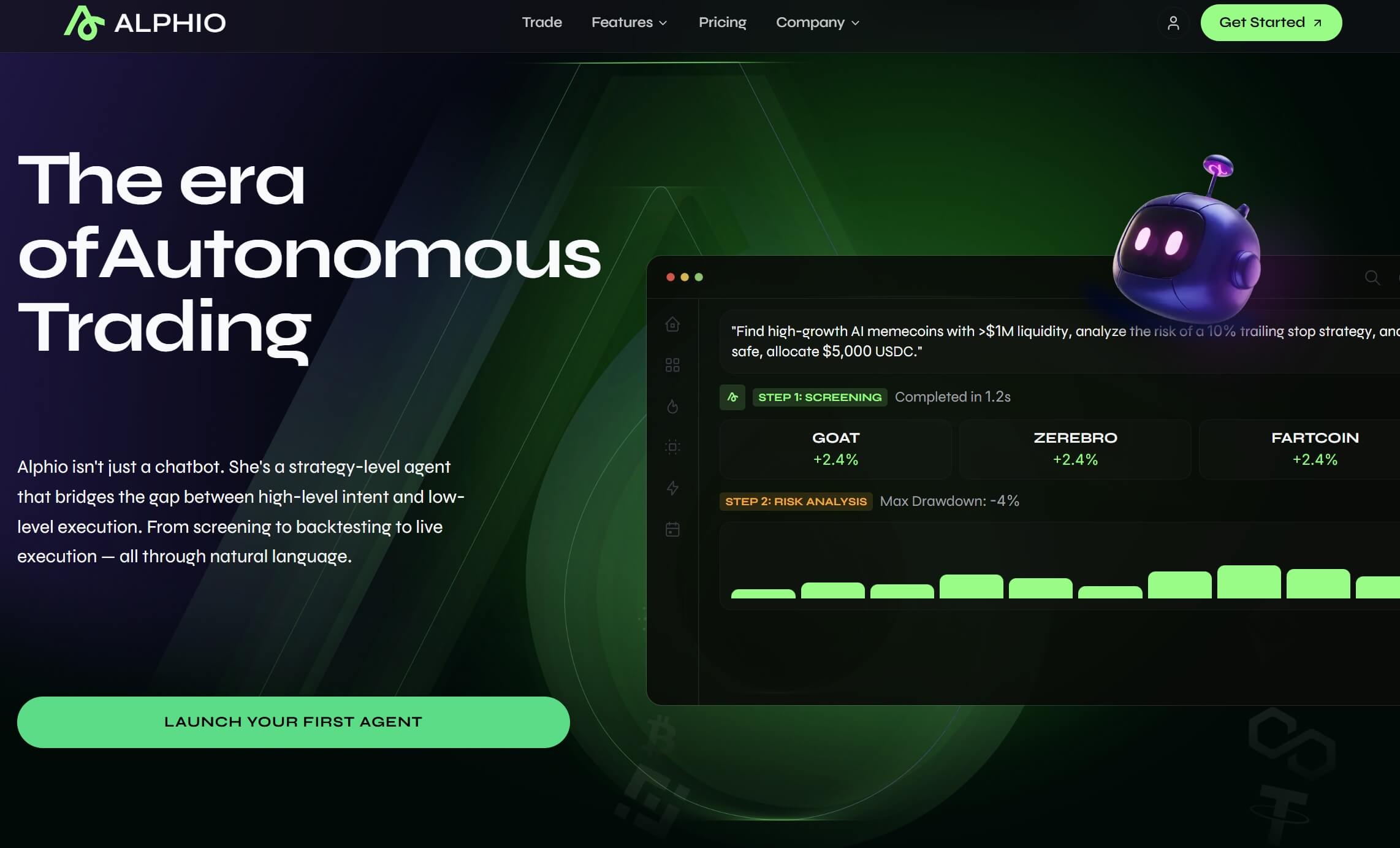
For investors seeking to mirror successful trading strategies in the semiconductor sector, consider using Alphio AI's copy trading feature to follow smart money movements in AI and chip stocks.
AI Demand Durability: The Critical Question for 2026 and Beyond
The most important factor determining TSMC's stock performance over the next twelve months is whether AI chip demand proves durable or represents a temporary bubble that will eventually burst. Bears argue that the current spending levels from hyperscalers are unsustainable, pointing to the history of boom-and-bust cycles in the semiconductor industry. Bulls counter that AI represents a fundamental technological shift comparable to the internet or mobile computing, with demand likely to persist for years as AI capabilities become embedded in virtually every software application.
TSMC's management clearly falls into the bull camp. CEO C.C. Wei described AI demand as "extremely robust" and noted that the emergence of agentic AI - AI systems that can take autonomous actions rather than simply generating text or images - is driving a resurgence in CPU consumption alongside the accelerators that have dominated the conversation. This suggests that the AI buildout may have more legs than skeptics believe, as each new generation of AI capabilities requires corresponding increases in computing infrastructure.
The order books provide additional evidence of demand durability. TSMC's advanced packaging capacity, particularly its CoWoS (Chip-on-Wafer-on-Substrate) technology used for high-bandwidth memory integration in AI chips, remains sold out through 2026 and into 2027. The company is aggressively expanding this capacity, with plans to more than double CoWoS output by the end of 2026, but demand continues to outpace even these aggressive expansion plans. This supply-constrained environment gives TSMC exceptional pricing power and revenue visibility.
Capital expenditure plans also reflect management's confidence in sustained demand. TSMC raised its 2026 capex budget from the high end of $52-56 billion to $60-64 billion, a substantial increase that signals confidence in the long-term demand outlook. While some investors reacted negatively to the increased spending, fearing it could lead to overcapacity, management emphasized that these investments are backed by customer commitments and long-term contracts that de-risk the expansion.
Competitive Landscape: Can Intel or Samsung Challenge TSMC's Dominance?
TSMC's extraordinary profitability has not gone unnoticed by competitors, and both Intel and Samsung are investing heavily to challenge its foundry leadership. Intel, under CEO Pat Gelsinger, has made foundry services a core pillar of its turnaround strategy, with plans to invest over $100 billion in manufacturing capacity across the United States and Europe. Samsung, meanwhile, has committed $230 billion over the next decade to build a massive semiconductor cluster in South Korea.
Despite these ambitious plans, TSMC maintains significant competitive advantages that will be difficult to overcome. The company's ecosystem of trusted relationships with the world's leading chip designers, built over decades of collaboration, creates switching costs that competitors struggle to overcome. Nvidia, Apple, AMD, and Qualcomm have deep institutional knowledge of TSMC's process technologies and design rules, making them reluctant to risk product launches on unproven alternative foundries.
Technical execution also favors TSMC. While Intel has made progress with its 18A process node, yield rates and transistor density metrics still lag TSMC's comparable offerings. Samsung's 3-nanometer gate-all-around technology launched before TSMC's equivalent offering but has struggled with yield issues that have limited its appeal to high-volume customers. Both competitors face the challenge of catching up to a moving target, as TSMC continues to advance its technology roadmap with 2-nanometer production scheduled for 2025.
The most credible near-term threat may come from custom silicon designed by the hyperscalers themselves. Google, Amazon, and Microsoft have all developed their own AI accelerators, which could reduce their reliance on Nvidia and, by extension, TSMC. However, even these custom chips are manufactured by TSMC, and the complexity of leading-edge semiconductor design means that in-house alternatives are likely to complement rather than replace merchant silicon for the foreseeable future.
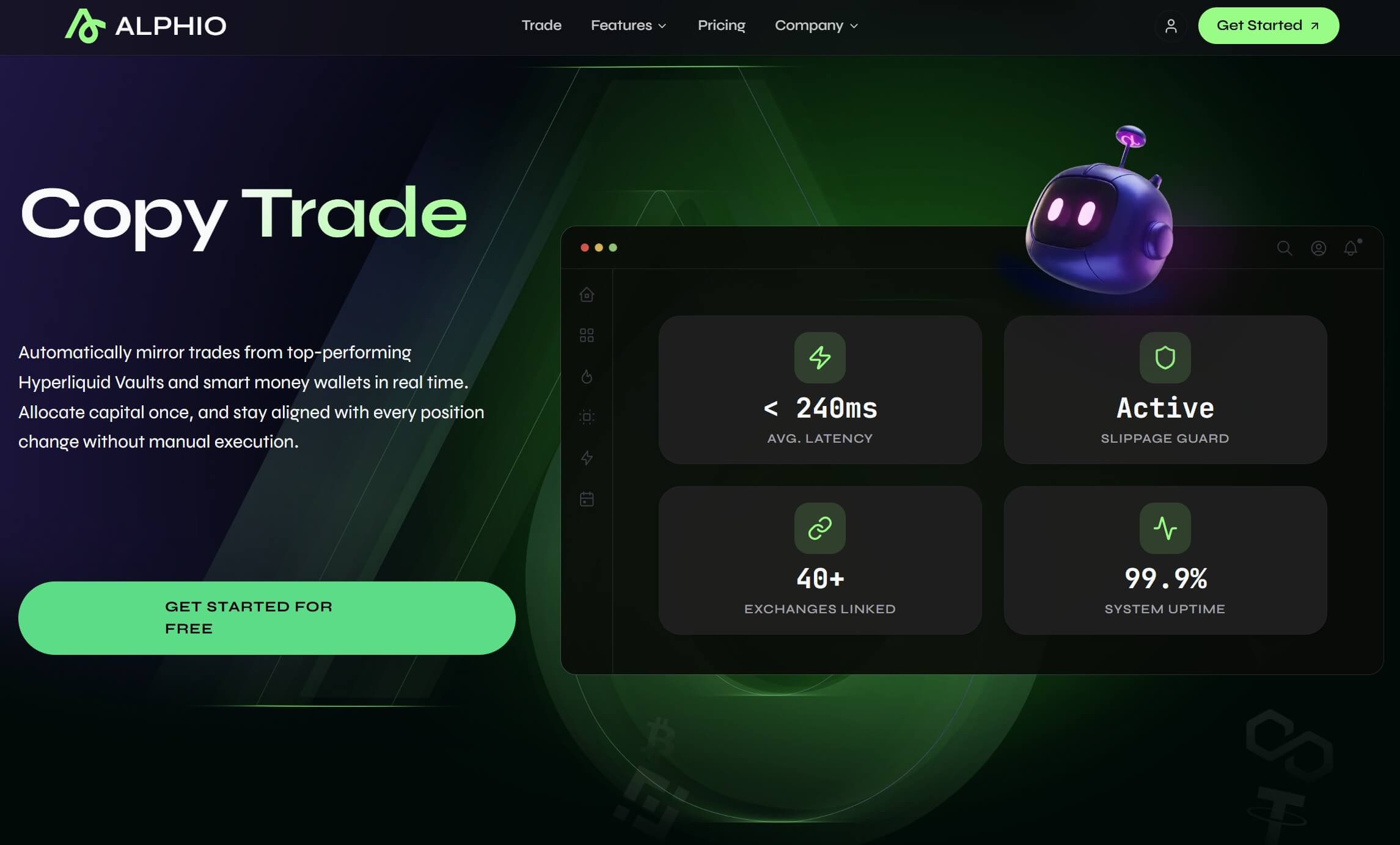
Explore Alphio's agentic trading features to automate your portfolio management and capture opportunities in the fast-moving semiconductor sector.
Valuation Analysis: Is TSMC Priced for Perfection?
With the stock trading near all-time highs following the earnings report, investors must grapple with the question of whether TSMC's valuation leaves room for further upside. The stock currently commands a forward price-to-earnings ratio of approximately 22x, a premium to the broader semiconductor industry but a discount to high-growth technology leaders like Nvidia. This valuation reflects the market's confidence in TSMC's competitive position while acknowledging the capital-intensive nature of the foundry business.
Several valuation frameworks suggest the stock remains reasonably priced relative to its growth prospects. On a price-to-earnings growth (PEG) basis, TSMC trades at a multiple below 1.0 when factoring in the company's projected 40%+ revenue growth for 2026. This suggests that the market may actually be undervaluing the company's growth potential, particularly if AI demand proves more durable than skeptics expect. The company's return on invested capital, which exceeds 25%, also supports a premium valuation relative to capital-intensive industrial companies.
Free cash flow generation is a key consideration for valuation, given the massive capital requirements of leading-edge semiconductor manufacturing. TSMC generated approximately $35 billion in free cash flow over the past twelve months, representing a free cash flow yield of roughly 4%. While the increased capex guidance will pressure free cash flow in the near term, management has committed to maintaining a free cash flow yield above 3% over the long term, which should support the current valuation multiple.
Dividend yield provides another valuation anchor. TSMC maintains a policy of paying out approximately 50% of free cash flow as dividends, resulting in a current yield of roughly 1.8%. While not high by traditional income standards, this yield exceeds that of most growth technology companies and provides downside support for the stock price. The company has also committed to returning excess cash through share buybacks when valuations are attractive.
Risk Factors: What Could Derail the TSMC Investment Thesis?
Despite the compelling growth story, investors must remain cognizant of risks that could impact TSMC's stock performance. Geopolitical tensions surrounding Taiwan represent the most significant existential risk, though the company's Arizona expansion helps mitigate this concern. Any military conflict in the Taiwan Strait would severely disrupt global semiconductor supply chains and likely result in massive write-downs of TSMC's Taiwan-based assets.
Cyclicality in the semiconductor industry poses a more immediate risk. While AI demand appears robust, the broader semiconductor market has historically been subject to boom-and-bust cycles. A slowdown in smartphone, PC, or automotive chip demand could offset AI strength and pressure overall revenue growth. The company's exposure to these end markets, while declining as a percentage of revenue, remains significant enough to create volatility in quarterly results.
Competition from Intel and Samsung, while not an immediate threat, could pressure pricing and market share over the medium term. If either competitor achieves technical parity with TSMC at the leading edge, the company's pricing power would be compromised. Intel's foundry ambitions are particularly noteworthy given the company's deep pockets and support from the U.S. government through the CHIPS Act.
Customer concentration represents another risk factor. Nvidia alone accounts for an estimated 15-20% of TSMC's revenue, and the top five customers likely represent more than 50% of total sales. Any loss of business from a major customer, whether due to competitive dynamics or strategic shifts toward in-house manufacturing, would have a material impact on revenue and profitability.
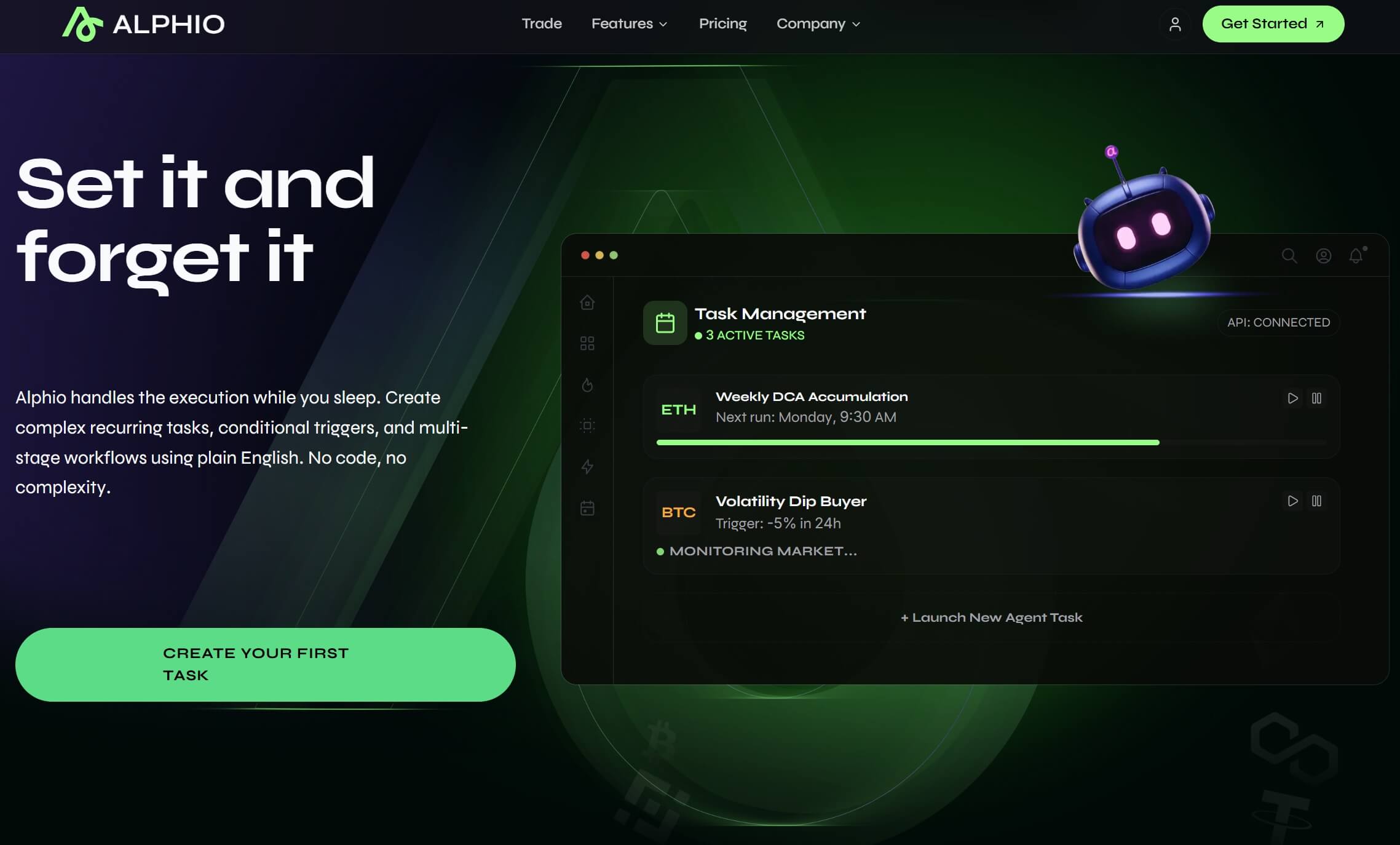
Set up conditional trading workflows with Alphio's automation features to manage risk and capture opportunities in volatile semiconductor stocks.
Conclusion: The Verdict on TSMC Stock for 2026
TSMC's Q2 2026 earnings report confirms that the company remains the indispensable backbone of the global AI revolution, with record profits and raised guidance demonstrating the durability of demand for advanced semiconductors. The $100 billion Arizona expansion addresses geopolitical concerns while positioning TSMC to maintain technological leadership for the next decade. For investors seeking exposure to the AI boom with lower volatility than the hyperscalers themselves, TSMC offers a compelling combination of growth, profitability, and competitive moats.
The investment thesis rests on three pillars that show no signs of weakening. First, TSMC's technological leadership at the leading edge of semiconductor manufacturing creates a moat that competitors struggle to cross. Second, the structural shift toward AI computing creates sustainable demand growth that extends beyond the current cycle. Third, the company's capital discipline and shareholder-friendly capital allocation policy support long-term value creation.
Valuation remains reasonable relative to growth prospects, with the stock trading at a discount to many AI-related peers despite superior profitability and lower risk. While the increased capital expenditure guidance may pressure free cash flow in the near term, these investments are laying the groundwork for continued market leadership and should generate attractive returns over time.
For investors considering TSMC stock, the current environment presents an attractive entry point despite the stock's proximity to all-time highs. The combination of raised guidance, expanded U.S. manufacturing presence, and continued AI demand momentum suggests that the company's growth story has significant runway remaining. As the AI revolution continues to unfold, TSMC's position at the center of the semiconductor supply chain makes it a core holding for any technology-focused portfolio.

Ready to trade TSMC and other AI stocks? Execute trades via chat with Alphio's conversational trading interface and stay ahead of market movements in real-time.
FAQs
What were TSMC's Q2 2026 earnings results?
TSMC reported record Q2 2026 net profit of T$706.6 billion ($21.99 billion), up 77% year-over-year. Revenue of $40.2 billion beat estimates, and EPS of $4.31 significantly exceeded the $3.80 consensus. This marked the fifth consecutive quarter of all-time high profits.
Why is TSMC important for AI chip production?
TSMC manufactures virtually every leading-edge AI processor, including Nvidia's H100 and Blackwell GPUs, as well as custom silicon from Amazon, Google, Microsoft, and Apple. The company's 3nm and advanced packaging technologies are essential for high-performance AI chips, giving it an effective monopoly on the most advanced semiconductor manufacturing.
What is TSMC's $100 billion Arizona investment?
TSMC announced plans to invest $100 billion in Arizona to build three additional fabs, including its first 2-nanometer facility outside Taiwan. This brings total Arizona investment to $165 billion and represents one of the largest foreign direct investments in U.S. manufacturing history, addressing geopolitical concerns while maintaining technological leadership.
Is AI chip demand sustainable for TSMC?
TSMC management and most analysts believe AI demand is structural rather than cyclical. The company's advanced packaging capacity is sold out through 2027, and major customers have made long-term commitments. The emergence of agentic AI is driving additional CPU demand alongside accelerators, suggesting the buildout has multiple phases.
What are the main risks for TSMC investors?
Key risks include geopolitical tensions surrounding Taiwan, semiconductor industry cyclicality, competition from Intel and Samsung, customer concentration (Nvidia represents 15-20% of revenue), and the high capital intensity of leading-edge manufacturing. The Arizona expansion helps mitigate geopolitical risk but introduces execution challenges.