

Q2 2026 Earnings Season Preview: Banks Lead the Charge as Tech Giants Await
Get ready for Q2 2026 earnings season starting July 14. Discover key bank earnings, tech stock forecasts, and Fed decision impacts on S&P 500.


Key Takeaway
The second-quarter 2026 earnings season kicks off on July 14 with major Wall Street banks reporting first, setting the tone for what analysts expect to be another quarter of robust corporate profit growth. With S&P 500 companies projected to deliver over 20% year-over-year earnings growth for the second consecutive quarter, investors are positioning for potential market-moving surprises. The convergence of bank earnings, mega-cap technology results, and the Federal Reserve's July 29 interest rate decision creates a perfect storm of catalysts that could determine the market's trajectory through the summer months.
The current environment presents both opportunities and risks. On one hand, capital expenditure-led expansion driven by AI infrastructure investment continues to fuel earnings momentum. On the other hand, persistent inflation concerns and the Fed's increasingly hawkish stance under new Chairman Kevin Warsh could pressure valuations if guidance disappoints. Investors should pay close attention to forward guidance, AI monetization progress, and margin sustainability as companies navigate an uncertain macroeconomic landscape.
The Earnings Calendar: What to Expect and When
The Q2 2026 earnings season follows a familiar pattern, with financial institutions opening the reporting window followed by technology behemoths later in the month. Understanding this calendar is crucial for investors looking to position ahead of potential volatility.
Bank Week: The Financial Sector Opens
The unofficial start of earnings season arrives on July 14 when America's largest financial institutions report their quarterly results. JPMorgan Chase, Goldman Sachs, Citigroup, Bank of America, and Wells Fargo all release earnings on the same day, providing an immediate comprehensive snapshot of the banking sector's health. Morgan Stanley follows on July 15, completing the picture of Wall Street's investment banking landscape.
These reports matter beyond the financial sector because banks serve as economic bellwethers. Analysts will scrutinize net interest income trends, loan-loss reserve adjustments, and trading revenue to gauge broader economic momentum. The recent surge in investment banking activity, including lucrative IPO underwriting fees from deals like SpaceX, could provide upside surprises for Goldman Sachs and Morgan Stanley specifically.
JPMorgan Chase, as the largest U.S. bank by assets, typically sets the tone for the entire sector. Investors should watch for commentary on consumer credit trends, commercial real estate exposure, and capital markets activity. Any signals about loan demand softness or credit deterioration could ripple through the broader market, affecting not just bank stocks but cyclical sectors dependent on credit availability.
The Mega-Cap Technology Wave
Following the bank reports, attention shifts to the technology sector's largest names, which have driven the bulk of S&P 500 returns in recent years. Alphabet reports on July 22, providing the first glimpse into how AI investments are translating into advertising revenue and cloud growth. Microsoft, Meta Platforms, and Apple cluster around July 29-30, creating a concentrated period of volatility for the Nasdaq 100 and S&P 500.
Amazon rounds out the big-tech reporting on July 30, with investors focused on AWS growth rates and retail margin expansion. Nvidia, arguably the most closely watched earnings event in the current market environment, is expected to report in late August. The company's results have become a proxy for AI infrastructure demand, with data center revenue and guidance for the current quarter capable of moving the entire semiconductor sector.
The critical question for these technology giants is whether their massive AI capital expenditures are beginning to generate meaningful returns. The five largest hyperscalers are expected to spend approximately $700 billion on AI infrastructure in 2026, nearly double their 2025 spending. Investors increasingly demand evidence that these investments translate into revenue growth and margin expansion rather than merely maintaining competitive positioning.
Earnings Growth Expectations: The Numbers Behind the Narrative
Analysts enter this earnings season with unusually optimistic expectations. According to FactSet, S&P 500 companies are projected to report year-over-year earnings growth exceeding 20% for Q2 2026, marking the second consecutive quarter of 20%+ growth. This represents a significant acceleration from historical norms and reflects the continued strength of corporate profitability despite macroeconomic headwinds.
Estimate Revisions Tell a Bullish Story
What makes the current earnings outlook particularly noteworthy is the direction of analyst revisions. During a typical quarter, analysts reduce earnings estimates as the reporting period approaches, with average downward revisions of 2.0% over the past five years and 2.7% over the past decade. However, Q2 2026 has bucked this trend, with estimated earnings per share increasing by 3.4% from March 31 to June 30.
This upward revision pattern suggests that corporate guidance and macroeconomic data have consistently surprised to the upside. The improvement has been concentrated in two sectors: Energy, which saw estimates surge 61.5%, and Information Technology, which experienced an 8% upward revision. This bifurcation highlights the ongoing importance of energy prices and AI-driven technology investment to overall market earnings growth.
Positive Guidance at Above-Average Levels
Corporate guidance provides another bullish signal heading into earnings season. Of the 111 S&P 500 companies that have issued EPS guidance for Q2 2026, 63 have provided positive guidance while 48 have issued negative guidance. This 57% positive guidance rate substantially exceeds both the five-year average of 44% and the ten-year average of 41%.
The prevalence of positive guidance suggests that management teams remain confident about near-term business conditions despite concerns about Fed policy and geopolitical risks. However, investors should interpret this optimism cautiously, as guidance beats in the current quarter may reflect conservative initial estimates rather than genuine business acceleration.
Sector Spotlight: Where the Growth Is Concentrated
While the S&P 500 as a whole is expected to deliver strong earnings growth, the composition of that growth matters enormously for investors making sector allocation decisions. Three sectors stand out as primary drivers of the anticipated 20%+ earnings expansion.
Financials: Investment Banking Resurgence
The financial sector enters earnings season with significant momentum, driven by a resurgence in investment banking activity. The recent SpaceX IPO generated hundreds of millions in underwriting fees for participating banks, while merger and acquisition advisory volumes have recovered from 2023-2024 lows. Trading revenue may face tough year-over-year comparisons given the volatility-driven strength in Q2 2025, but fixed income and equity trading remain elevated by historical standards.
Net interest income trends represent the key variable for commercial banks like JPMorgan and Bank of America. The Fed's higher-for-longer rate posture has supported net interest margins, but deposit migration and funding cost pressures may begin to bite. Any commentary about loan demand softness in commercial real estate or consumer credit would warrant attention given concerns about sectoral stress.
Technology: AI Monetization Under Scrutiny
The technology sector's earnings growth increasingly depends on successful AI monetization. Microsoft, Google, and Amazon have invested billions in AI infrastructure, and investors expect these investments to begin generating measurable returns through cloud revenue acceleration, advertising efficiency gains, and productivity software premium pricing.
The challenge facing these companies is demonstrating clear pathways to profitability from AI investments. Simply building large language models and AI infrastructure is no longer sufficient; investors want evidence of customer adoption, pricing power, and margin expansion. Companies that fail to articulate compelling AI monetization strategies may face valuation compression regardless of headline earnings beats.
Nvidia's upcoming report deserves special attention given its outsized influence on market sentiment. The company's data center revenue growth rate and guidance for the current quarter will likely determine whether the AI trade continues its momentum or faces a period of consolidation. Any signs of demand deceleration or competitive pressure from custom silicon solutions could trigger broader semiconductor sector weakness.
Energy: Commodity Price Tailwinds
The energy sector has experienced the most dramatic earnings estimate revisions, with expectations surging 61.5% during the quarter. This reflects both higher oil and natural gas prices during the April-June period and continued capital discipline among producers that has supported free cash flow generation.
Geopolitical developments remain a wild card for energy earnings. The reopening of the Strait of Hormuz following the US-Iran deal reduced supply risk premiums, but ongoing tensions in the Middle East could reignite volatility. Investors should watch for commentary about production growth plans, shareholder return policies, and capital allocation priorities as companies balance growth investment with dividend and buyback commitments.
The Fed Factor: How Monetary Policy Shapes Earnings Expectations
The Federal Reserve's July 29 interest rate decision looms large over this earnings season. Under new Chairman Kevin Warsh, the Fed has adopted a notably more hawkish posture, with the June meeting minutes revealing that nine of eighteen participants penciled in at least one rate hike for 2026. This represents a significant shift from earlier expectations of multiple rate cuts.
Interest Rate Sensitivity Across Sectors
Different sectors face varying degrees of interest rate sensitivity, creating winners and losers from the Fed's hawkish turn. Financials generally benefit from higher rates through improved net interest margins, though the benefit diminishes if rate increases trigger credit quality deterioration or loan demand destruction.
Rate-sensitive growth sectors, particularly technology and biotechnology, face headwinds from higher discount rates applied to future cash flows. The mega-cap technology companies reporting this month have sufficiently strong current cash flows to withstand valuation pressure, but smaller growth companies with distant profitability may face more significant compression.
Guidance in an Uncertain Rate Environment
Corporate management teams face a challenging task when providing forward guidance given uncertainty about Fed policy. Companies with significant floating-rate debt exposure must account for higher interest expense in their forecasts, while those with pricing power can potentially pass through cost increases to customers.
The most valuable guidance this earnings season will likely address how companies are positioning for various rate scenarios. Management teams that articulate clear contingency plans and demonstrate business model resilience across different monetary policy environments will likely be rewarded by investors.
Key Metrics to Watch Beyond Headline EPS
While earnings per share will dominate headlines, sophisticated investors should dig deeper into several key metrics that provide insight into business quality and sustainability.
Margin Trends and Cost Management
Operating margins have remained resilient despite inflationary pressures, but analysts question whether this can continue. Companies that demonstrate continued margin expansion or stable margins despite cost pressures will signal pricing power and operational efficiency. Conversely, margin compression despite revenue growth would suggest business model stress.
Free Cash Flow Generation
In an environment of elevated capital expenditure requirements for AI infrastructure, free cash flow generation becomes particularly important. Companies investing heavily in growth while maintaining strong free cash flow demonstrate capital efficiency. Those burning cash to fund growth may face investor skepticism, particularly if funding costs rise with interest rates.
Guidance Quality and Specificity
Vague guidance that merely repeats prior commentary will likely disappoint investors seeking clarity. The most valuable management commentary will provide specific quantitative guidance for revenue, margins, and capital expenditure, along with qualitative context about demand trends and competitive dynamics.
Investment Implications: Positioning for Earnings Season
The convergence of bank earnings, technology results, and Fed policy creates both opportunities and risks for investors. Several positioning strategies warrant consideration as earnings season approaches.
Sector Rotation Opportunities
The divergence in earnings momentum between sectors creates potential rotation opportunities. Financials and energy, with strong estimate revisions and positive guidance trends, may outperform if results validate analyst optimism. Technology faces higher expectations and greater scrutiny of AI monetization, creating potential for disappointment despite strong absolute results.
For investors seeking exposure to the earnings-led market move without taking single-stock risk, the Financial Select Sector SPDR Fund (XLF) offers targeted upside to bank earnings while avoiding the concentration risk of individual names.
Volatility Considerations
Earnings season typically brings elevated volatility, particularly for individual stocks reporting results. Options markets are pricing in significant moves for many reporting companies, with implied volatility elevated relative to historical realized volatility. Investors should ensure their position sizing reflects the potential for large single-day moves.
Long-Term Perspective
While short-term trading around earnings can be profitable, long-term investors should focus on business fundamentals rather than quarterly noise. Companies with durable competitive advantages, strong balance sheets, and clear growth runways will likely outperform through multiple earnings cycles regardless of short-term volatility.
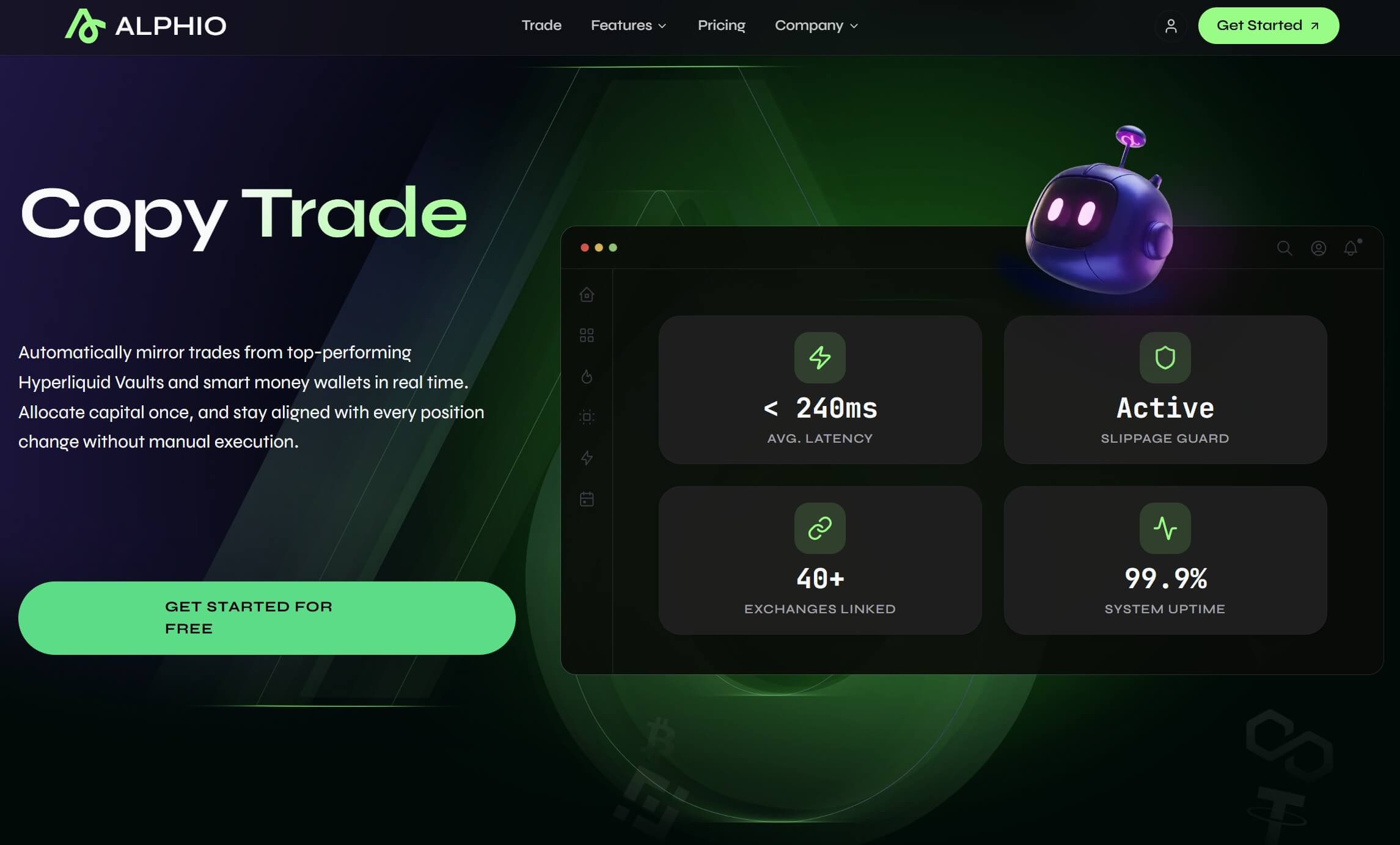
For investors seeking to automate their trading strategies during this volatile earnings season, consider using Alphio AI's copy trading feature to mirror successful traders and smart money wallets navigating these market conditions.
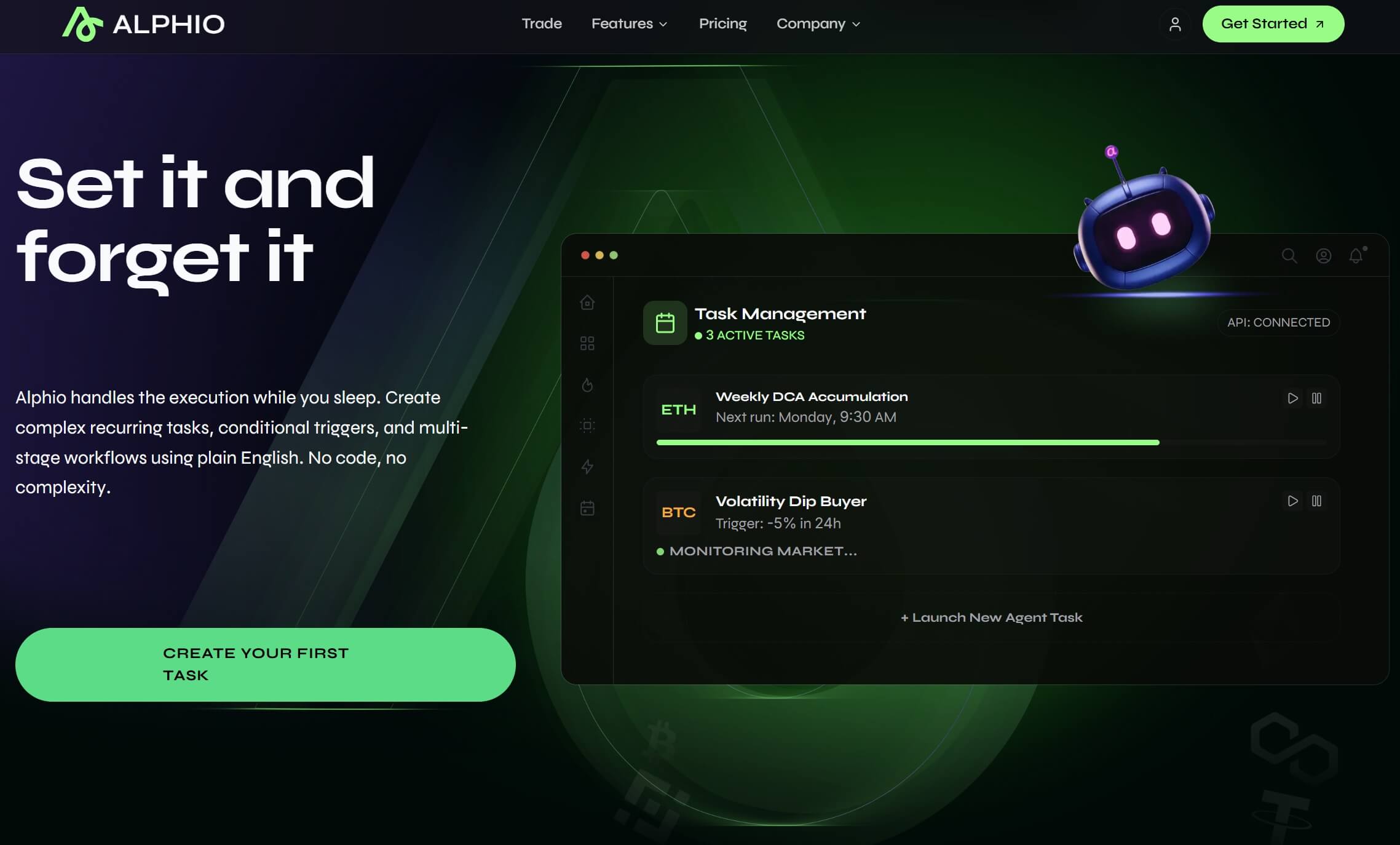
Alternatively, explore agentic trading to automate your portfolio management with AI-powered strategies that can react to earnings surprises and Fed policy shifts in real-time.
Conclusion
The Q2 2026 earnings season arrives at a critical juncture for equity markets. With S&P 500 valuations elevated and the Federal Reserve adopting a more hawkish stance, corporate results must validate optimistic expectations to sustain the market's upward trajectory. The concentration of reporting among banks and mega-cap technology companies means that individual results could have outsized index-level impacts.
Investors should approach this earnings season with a focus on guidance quality, margin sustainability, and AI monetization progress rather than merely headline beats or misses. Companies that demonstrate clear pathways to converting AI investments into profitable growth while maintaining operational discipline will likely be rewarded, regardless of short-term Fed policy uncertainty.
The coming weeks will test whether the earnings growth momentum of the past five quarters can continue into the second half of 2026. For prepared investors, the volatility and dispersion created by earnings season will present opportunities to identify high-quality businesses at attractive valuations.
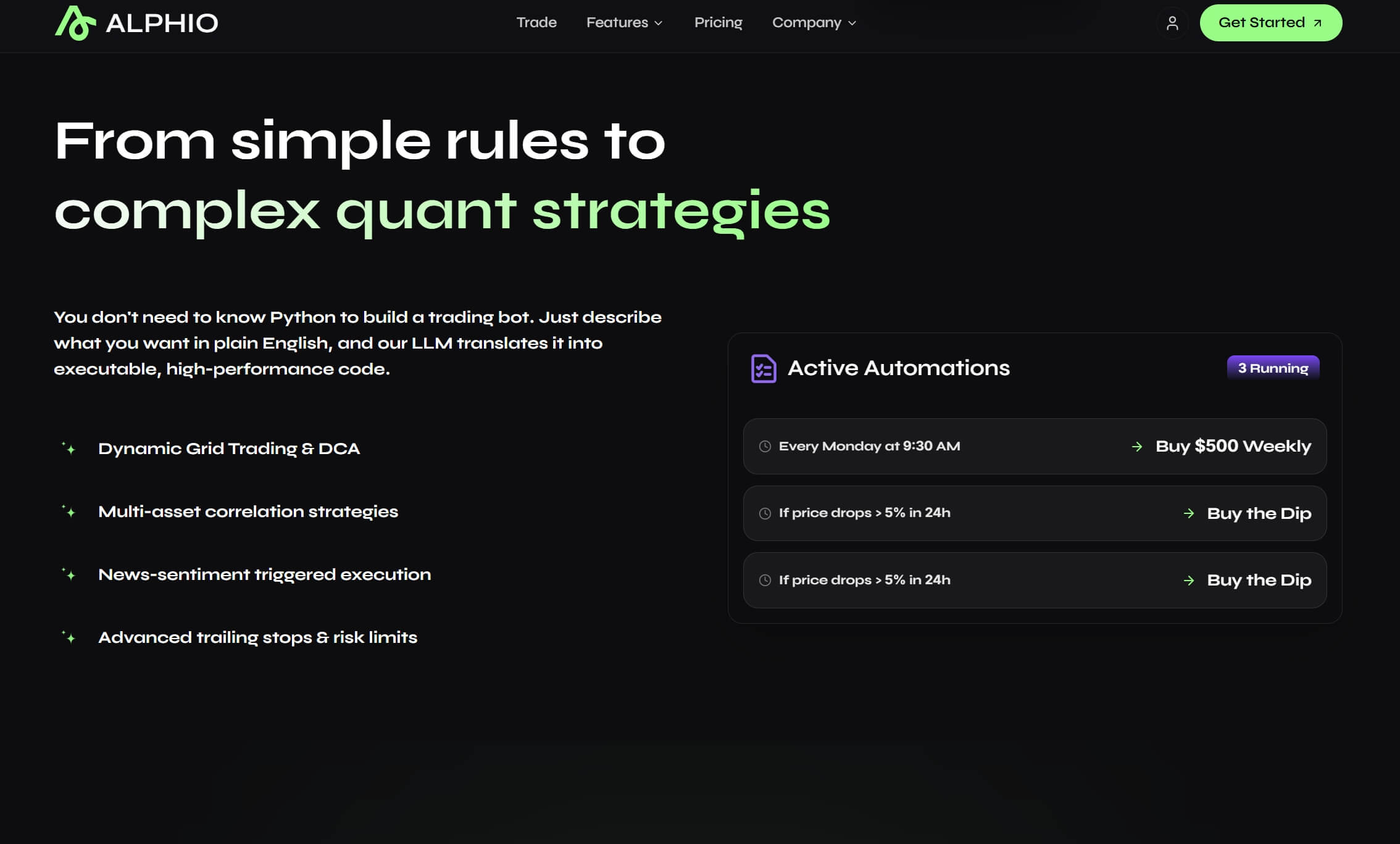
To stay ahead of earnings announcements and automate your response to market-moving results, consider setting up scheduled automations that execute trades based on earnings surprises and guidance changes.
For conversational access to market analysis and trade execution during this busy earnings period, explore Alphio's conversational trading interface to manage your positions through natural language commands.
FAQs
When does Q2 2026 earnings season start?
Q2 2026 earnings season unofficially begins on July 14, 2026, when major U.S. banks including JPMorgan Chase, Goldman Sachs, Citigroup, Bank of America, and Wells Fargo report their quarterly results. The technology sector's largest companies report later in July, with Alphabet on July 22, Microsoft and Meta on July 29, and Apple and Amazon on July 30.
What are analysts expecting for S&P 500 earnings growth in Q2 2026?
Analysts expect S&P 500 companies to report year-over-year earnings growth exceeding 20% for Q2 2026, marking the second consecutive quarter of 20%+ growth. This is particularly notable because earnings estimates were revised upward by 3.4% during the quarter, bucking the typical pattern of downward revisions.
Which sectors are expected to lead earnings growth in Q2 2026?
Three sectors are driving the anticipated earnings growth: Energy (with estimates surging 61.5% during the quarter due to commodity price tailwinds), Information Technology (8% upward revision driven by AI infrastructure investment), and Financials (benefiting from investment banking resurgence and higher interest rates).
How will the Fed's July 29 interest rate decision impact earnings season?
The Federal Reserve's July 29 decision under Chairman Kevin Warsh could significantly impact market sentiment. With nine of eighteen Fed participants penciling in at least one rate hike for 2026, a hawkish outcome could pressure growth stock valuations while benefiting financials through improved net interest margins. Corporate guidance will be scrutinized for how companies are positioning for various rate scenarios.
What should investors watch beyond headline EPS during earnings season?
Beyond headline earnings per share, investors should focus on operating margin trends (signaling pricing power), free cash flow generation (important given elevated AI capital expenditures), forward guidance specificity, AI monetization progress, and commentary about demand trends and competitive dynamics. These metrics provide deeper insight into business quality and sustainability.