

Paper Trading: The Ultimate Guide to Risk-Free Trading Practice
Master paper trading with our comprehensive guide. Learn how to use stock simulators for risk-free practice, discover top virtual trading platforms, and transition confidently from demo to live tradin

Key Takeaway
Paper trading, also known as virtual trading or using a stock simulator, is the practice of executing trades with virtual money in real market conditions—providing aspiring traders with a risk-free environment to develop skills, test strategies, and build confidence before committing real capital. This comprehensive guide explores everything you need to know about paper trading in 2026, from understanding its fundamental benefits and limitations to selecting the right platform and transitioning successfully to live trading.
The primary advantage of paper trading is the elimination of financial risk while maintaining exposure to authentic market dynamics. Beginners can learn how trading platforms work, experiment with different order types, and develop emotional discipline without the fear of losing money. Experienced traders use virtual trading to backtest new strategies, explore unfamiliar asset classes, or refine their approach during volatile market conditions.
However, paper trading has significant limitations that traders must acknowledge. The absence of real financial consequences means that psychological pressures—such as fear, greed, and the stress of watching hard-earned money fluctuate—are not accurately replicated. Execution differences between simulated and live markets can also create unrealistic expectations, particularly for strategies that rely on precise entry and exit timing.
To maximize the value of paper trading, treat your virtual account as if it were real money, maintain detailed trading journals, set realistic goals, and establish a clear timeline for transitioning to live trading. The most successful traders view paper trading not as a game, but as a serious training ground where habits and discipline are forged before capital is put at risk.
What Is Paper Trading?
Paper trading is a simulated trading practice where individuals execute buy and sell orders using virtual money rather than real capital. The term originated decades ago when aspiring traders would literally write down their hypothetical trades on paper, tracking performance manually as they practiced their strategies. Today, sophisticated trading simulators and virtual trading platforms have transformed this practice into a digital experience that closely mirrors live market conditions.
How Paper Trading Works
Modern paper trading platforms provide users with a virtual account funded with simulated currency—typically ranging from $10,000 to $1,000,000 depending on the platform and user preferences. Traders can access real-time market data, place various order types (market orders, limit orders, stop-loss orders), and monitor their portfolio performance just as they would with a live brokerage account. The key difference is that no actual money changes hands, and all profits and losses remain purely theoretical.
Most stock simulators replicate the full trading experience, including:
- Real-time price quotes from major exchanges like NYSE and NASDAQ
- Order execution simulation that mimics how orders would fill in live markets
- Portfolio tracking showing positions, unrealized gains/losses, and account balances
- Commission and fee calculations to provide realistic cost assessments
- Historical data access for backtesting strategies against past market conditions
The sophistication of modern trading simulators means that the technical experience of paper trading is virtually indistinguishable from live trading. This authenticity is crucial because it allows traders to develop muscle memory for platform navigation, order entry, and position management—skills that translate directly when transitioning to real accounts.
Who Should Use Paper Trading?
Paper trading serves a diverse audience of market participants at various stages of their trading journey:
Complete Beginners: Those new to trading can use virtual trading to learn platform mechanics, understand order types, and grasp basic market concepts without financial risk. Paper trading provides a safe space to make mistakes and learn from them—an essential part of the education process.
Strategy Developers: Experienced traders developing new approaches can test hypotheses in simulated environments before risking capital. This is particularly valuable for algorithmic traders, options strategists, and those exploring new asset classes or timeframes.
Platform Evaluators: Traders considering switching brokers can use demo accounts to evaluate different platforms' interfaces, tools, and execution quality before committing to an account transfer.
Confidence Builders: Those returning to trading after a hiatus or recovering from significant losses can use paper trading to rebuild confidence and refine their approach before re-entering live markets.
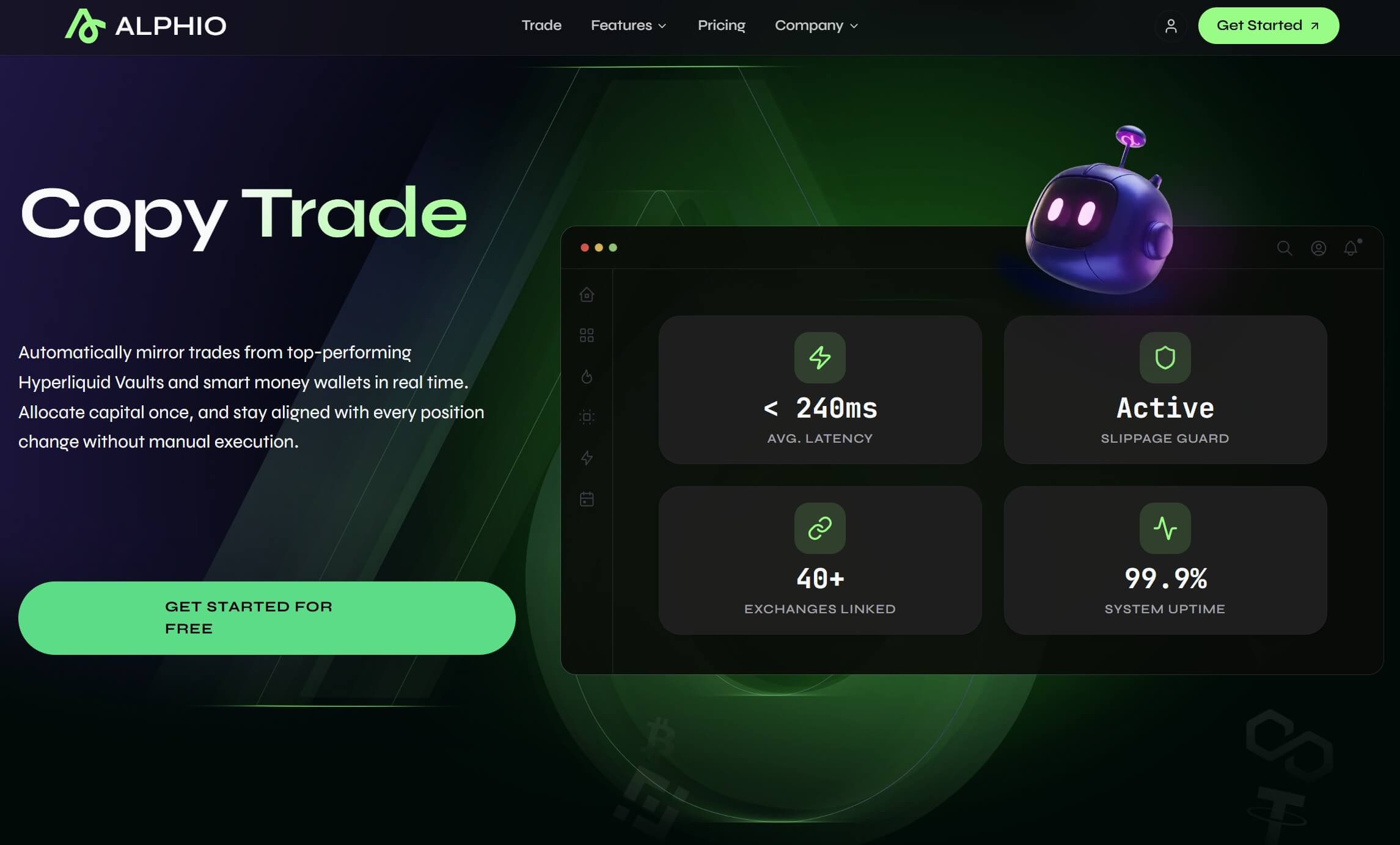
For traders looking to combine paper trading practice with AI-powered insights, Alphio AI's agentic trading capabilities offer sophisticated tools to analyze your simulated trades and identify patterns in your decision-making.
Benefits of Paper Trading
The advantages of paper trading extend far beyond the obvious benefit of risk-free practice. When approached with discipline and seriousness, virtual trading can accelerate the learning curve and help traders develop habits that contribute to long-term success.
Zero-Risk Learning Environment
The most apparent benefit of paper trading is the complete absence of financial risk. Beginners can experiment freely, trying different strategies and approaches without the paralyzing fear of losing money. This freedom encourages exploration and accelerates the learning process. Mistakes that might cost hundreds or thousands of dollars in a live account become valuable learning experiences in a simulated environment.
Consider a new trader learning about stop-loss orders. In a live account, placing a stop too tight might result in being stopped out of a position prematurely, costing real money and potentially causing the trader to abandon a sound strategy. In paper trading, the same mistake provides a lesson about volatility and position sizing without financial consequences.
Strategy Testing and Refinement
Paper trading provides an ideal laboratory for strategy development. Traders can test new approaches, refine existing systems, and explore different timeframes or asset classes without capital exposure. This capability is particularly valuable for:
- Backtesting manual strategies against historical market conditions
- Forward-testing new approaches in real-time market environments
- Comparing strategy variations to identify optimal parameters
- Exploring new markets such as forex, futures, or options before committing capital
The ability to test strategies in real-time market conditions—rather than just historical backtests—provides valuable insights into how approaches perform under current market dynamics. Market regimes change, and strategies that worked in the past may not perform similarly in present conditions.
Platform Familiarity and Technical Skills
Modern trading platforms are sophisticated tools with extensive features, charting capabilities, and order management systems. Paper trading allows users to become proficient with these tools before trading live. This familiarity reduces the likelihood of costly errors such as:
- Entering incorrect order quantities or prices
- Misunderstanding order type behaviors
- Failing to set appropriate stop-losses
- Struggling to find critical information during fast-moving markets
The technical proficiency gained through paper trading translates directly to live trading, where platform fluency can mean the difference between capturing an opportunity and missing it.
Confidence Building and Emotional Preparation
Trading is as much a psychological endeavor as a technical one. Paper trading helps build the confidence necessary to execute trades decisively when real money is on the line. By experiencing the emotional aspects of trading—excitement about gains, disappointment about losses, anxiety about uncertainty—in a low-stakes environment, traders can develop emotional resilience.
However, it's important to note that paper trading only partially replicates the emotional pressures of live trading. While it provides a foundation, the psychological experience of risking real money is qualitatively different and can only be fully understood through live trading experience.
For traders ready to transition from paper to live trading, Alphio's copy trading feature allows you to mirror the strategies of successful traders while you continue learning.

Limitations and Risks of Paper Trading
While paper trading offers substantial benefits, traders must understand its limitations to avoid developing false confidence or unrealistic expectations. The gap between simulated and live trading can be significant, and failing to acknowledge these differences can lead to costly mistakes when transitioning to real accounts.
The Psychology Gap: Real Money vs. Virtual Money
The most significant limitation of paper trading is its inability to replicate the emotional and psychological pressures of trading with real money. When no actual capital is at risk, the fear of loss, the stress of watching positions decline, and the temptation to deviate from strategy are all diminished.
Key psychological differences include:
-
Risk Perception: Virtual losses don't trigger the same emotional response as real financial setbacks. A 10% drawdown in a paper account might be shrugged off, while the same loss in a live account could cause panic or strategy abandonment.
-
Decision Making: Paper traders may take larger positions, hold losing trades longer, or chase entries more aggressively than they would with real money at stake.
-
Overtrading: Without commission costs and the psychological weight of each decision, paper traders often trade more frequently than they would in live accounts, developing habits that may be unsustainable when real costs and emotions are involved.
Execution Differences and Slippage
Paper trading platforms typically execute orders at the displayed price or with minimal slippage. In live markets, particularly during volatile conditions or with less liquid securities, actual execution prices can differ significantly from expected prices. This slippage can impact strategy performance, especially for:
- High-frequency strategies that rely on precise entry and exit timing
- Large position sizes that may move the market or face partial fills
- Volatile market conditions where prices can gap between order placement and execution
Traders who develop strategies in paper trading environments may find that their edge diminishes or disappears when slippage and execution delays are factored into live trading.
The Danger of Overconfidence
Success in paper trading can breed overconfidence that proves dangerous when transitioning to live markets. A trader who generates consistent profits in a simulated environment may assume they're ready for larger position sizes or more aggressive strategies than their experience and risk tolerance warrant.
This overconfidence can lead to:
- Oversizing positions relative to account size and risk tolerance
- Abandoning risk management rules developed during paper trading
- Trading without adequate preparation for the psychological challenges of live markets
To mitigate this risk, traders should view paper trading success as a prerequisite for live trading, not a guarantee of live trading profitability.
Market Impact and Liquidity Assumptions
Paper trading assumes that orders can be filled at available prices without impacting the market. For small positions in liquid securities, this assumption is reasonable. However, for larger positions or less liquid instruments, a trader's own orders can move prices—a factor that paper trading cannot simulate.
Traders planning to execute strategies with significant position sizes should be aware that their paper trading results may overstate achievable performance due to this market impact factor.
Top Paper Trading Platforms in 2026
The quality of your paper trading experience depends significantly on the platform you choose. The best stock simulators offer realistic execution, comprehensive features, and seamless transitions to live trading when you're ready. Here are the leading platforms for virtual trading in 2026:
StocksToTrade
StocksToTrade has established itself as a premier platform for active traders, offering robust paper trading capabilities alongside powerful scanning and analysis tools. The platform is particularly popular among day traders and swing traders who focus on small-cap stocks and momentum plays.
Key Features:
- Real-time Level 2 quotes and advanced charting
- Customizable scanners for finding trading opportunities
- Paper trading environment that mirrors live trading exactly
- Integration with multiple brokerages for seamless transition
- Extensive educational resources and community support
StocksToTrade's paper trading module replicates the live trading experience closely, making it an excellent choice for traders preparing to trade real capital. The platform's focus on active trading strategies makes it particularly suitable for day traders and short-term swing traders.
TradingView
TradingView has become the most popular charting platform globally, and its paper trading capabilities have evolved to match its exceptional technical analysis tools. The platform's social features allow traders to share ideas and learn from a global community of market participants.
Key Features:
- Industry-leading charting with hundreds of technical indicators
- Paper trading integrated directly into the charting interface
- Global market coverage including stocks, forex, crypto, and futures
- Strategy backtesting and Pine Script automation
- Active community with trade ideas and educational content
TradingView's paper trading is ideal for traders who prioritize technical analysis and want to test strategies across multiple asset classes. The platform's free tier provides substantial functionality, making it accessible to beginners.
TD Ameritrade (thinkorswim)
TD Ameritrade's thinkorswim platform is widely regarded as one of the most comprehensive trading platforms available, and its paperMoney virtual trading feature is equally impressive. The platform is particularly strong for options traders and those who want access to professional-grade tools.
Key Features:
- paperMoney virtual account with $100,000 in virtual currency
- Full access to thinkorswim's professional trading tools
- Options trading with complex strategy support
- Extensive educational resources and live webinars
- Seamless transition to live TD Ameritrade accounts
thinkorswim's paper trading environment is virtually identical to its live trading platform, providing an authentic experience for traders preparing to go live. The platform's options capabilities are particularly noteworthy, making it a top choice for options traders.
Webull
Webull has gained popularity among younger traders and those seeking a mobile-first trading experience. The platform offers commission-free trading and a user-friendly interface that appeals to beginners while providing advanced features for experienced traders.
Key Features:
- Free paper trading account with real-time data
- Intuitive mobile and desktop applications
- Extended hours trading in simulated environment
- Advanced charting and technical indicators
- Easy transition to live Webull brokerage account
Webull's paper trading is particularly well-suited for beginners and those who prioritize mobile trading. The platform's clean interface and educational approach make it an excellent starting point for new traders.
TradeStation
TradeStation caters to serious traders and algorithmic strategists, offering sophisticated tools for strategy development and automated trading. The platform's simulated trading environment is ideal for traders who want to test complex strategies before deployment.
Key Features:
- TradeStation Simulator with historical and real-time data
- EasyLanguage programming for strategy automation
- Advanced backtesting capabilities
- Professional-grade charting and analysis tools
- Direct market access and fast execution
TradeStation is best suited for experienced traders and those interested in algorithmic or automated trading strategies. The platform's learning curve is steeper than some alternatives, but the depth of features justifies the investment for serious traders.
For traders evaluating which platform best suits their needs, Alphio's conversational trading interface provides an intuitive way to explore trading features and execute strategies once you're ready to go live.
How to Paper Trade Effectively
Simply opening a paper trading account is not enough to develop trading skills. To maximize the value of virtual trading, you must approach it with discipline, structure, and clear objectives. Here's how to paper trade effectively:
Set Realistic Goals and Parameters
Before placing your first paper trade, establish clear goals and parameters that mirror how you intend to trade live:
Account Size: Fund your paper account with the same amount of capital you plan to use in live trading. If you'll start with $25,000 in a live account, practice with $25,000 in paper trading. This ensures that position sizing and risk management translate directly when you transition.
Trading Style: Define your intended trading style—day trading, swing trading, position trading—and practice accordingly. Each style requires different skills, time commitments, and risk management approaches.
Strategy Rules: Document your trading strategy with specific entry criteria, exit rules, and risk management parameters. Trade your paper account according to these rules without deviation.
Performance Targets: Set realistic performance goals based on market conditions and your experience level. Unrealistic expectations can lead to frustration or reckless behavior.
Maintain a Detailed Trading Journal
A comprehensive trading journal is essential for learning from both successes and failures. Your journal should record:
- Trade rationale: Why you entered the trade, what setup you identified, and what your thesis was
- Entry details: Entry price, position size, stop-loss level, and target price
- Market conditions: Broader market context, sector strength, and relevant news
- Emotional state: How you felt before, during, and after the trade
- Outcome: Profit or loss, and whether you followed your plan
- Lessons learned: What the trade taught you about your strategy or yourself
Regular review of your trading journal reveals patterns in your decision-making, highlights strengths to leverage, and identifies weaknesses to address.
Analyze Performance Metrics
Beyond simply tracking profits and losses, analyze key performance metrics to understand your trading effectiveness:
- Win rate: Percentage of trades that are profitable
- Risk-reward ratio: Average profit per winning trade versus average loss per losing trade
- Maximum drawdown: Largest peak-to-trough decline in your account
- Sharpe ratio: Risk-adjusted return measurement
- Consecutive wins/losses: Helps assess streak potential and emotional impact
These metrics provide objective feedback on your trading performance and help identify areas for improvement.
Practice Risk Management Religiously
Risk management is the foundation of trading success, and paper trading is where these habits must be established. Practice:
- Position sizing: Never risk more than 1-2% of your account on a single trade
- Stop-loss discipline: Always set and respect stop-loss orders
- Diversification: Avoid overconcentration in single securities or sectors
- Correlation awareness: Understand how positions interact with each other
The risk management habits you develop in paper trading will directly impact your survival and success when trading live.
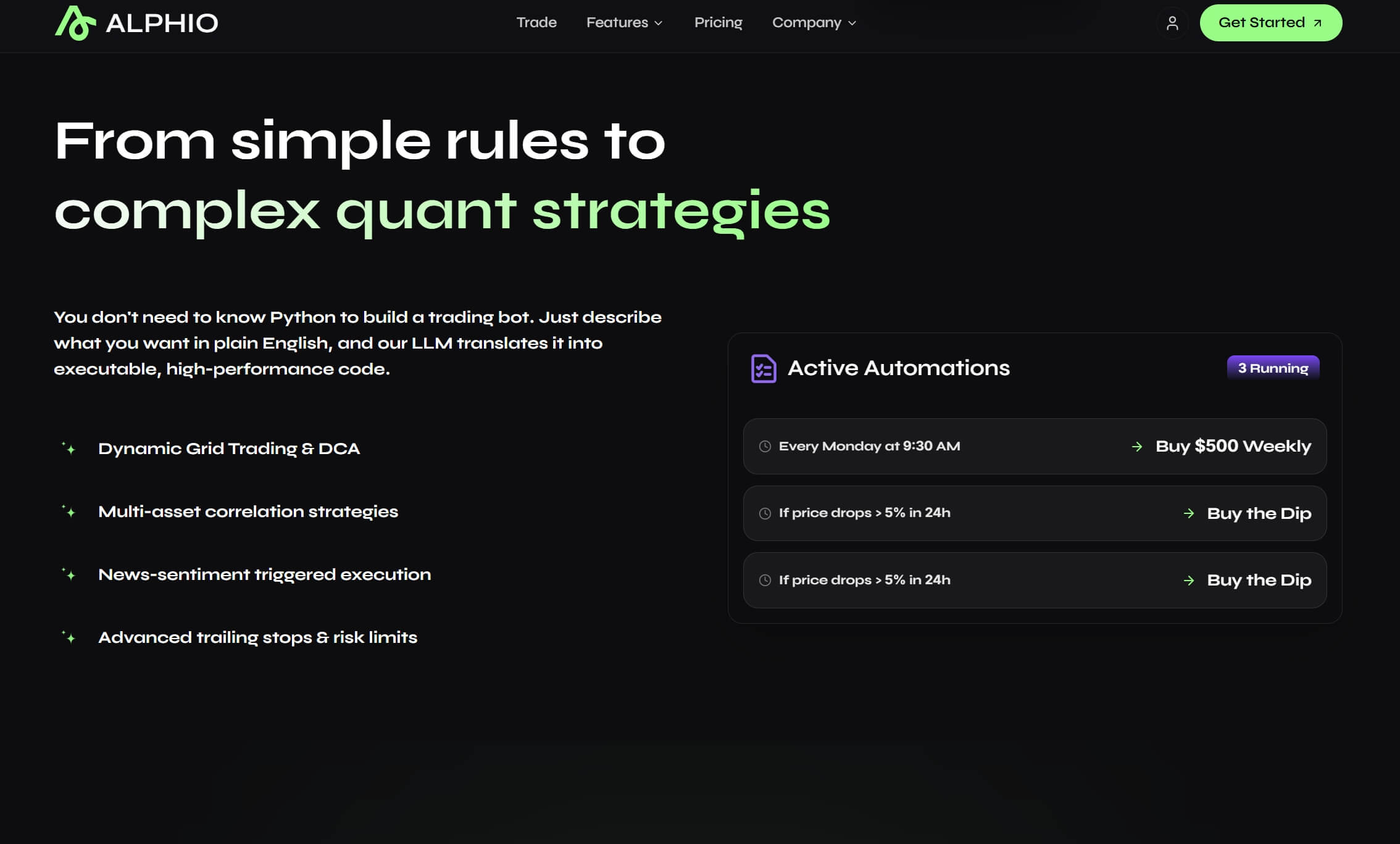
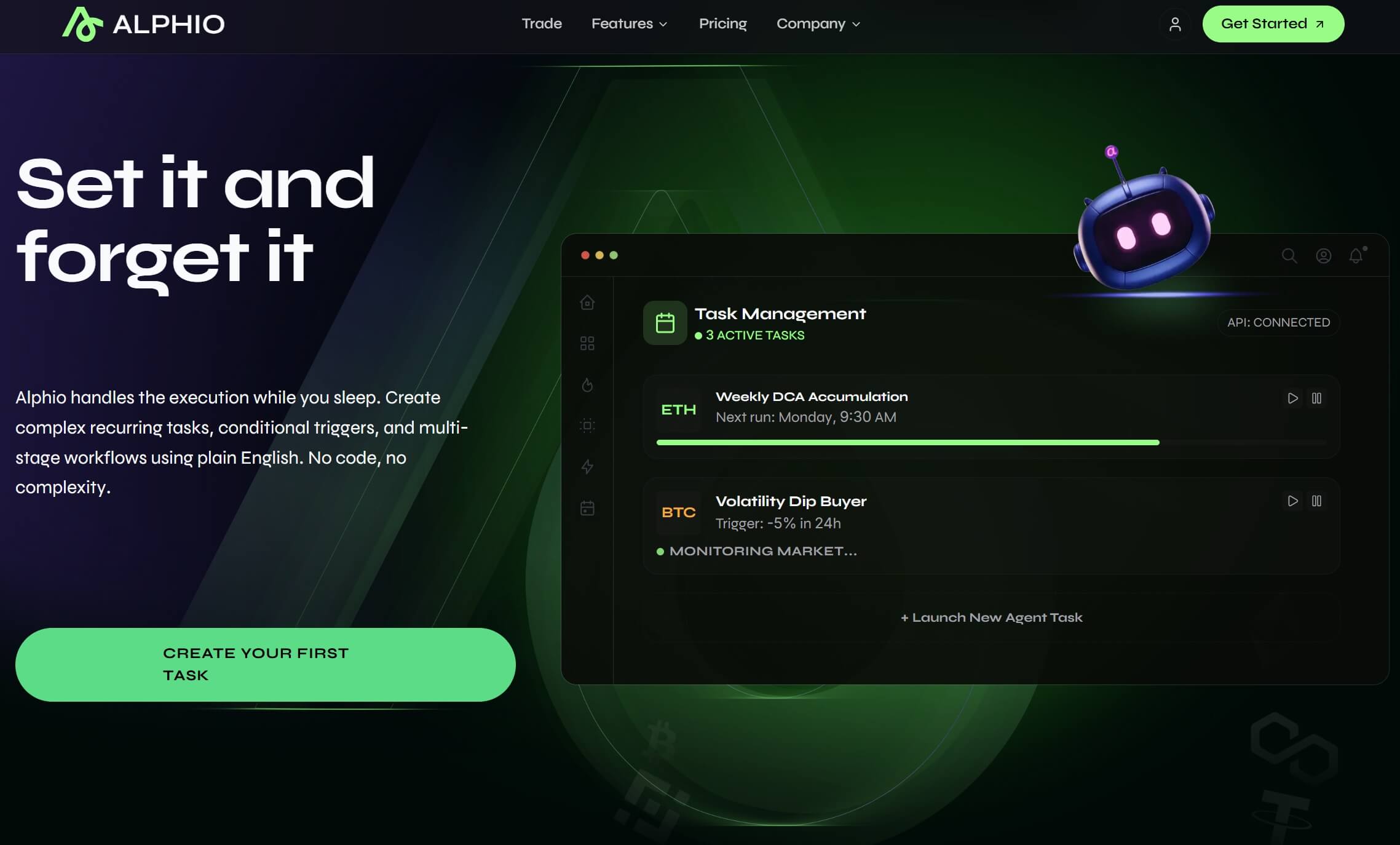
To enhance your trading workflow and automate risk management rules, consider Alphio's automation features, which allow you to set conditional alerts and automated responses based on your trading parameters.
Transitioning from Paper Trading to Live Trading
The transition from paper to live trading is one of the most critical phases in a trader's development. Many traders who succeed in simulated environments struggle when real money is at stake. Here's how to make this transition successfully:
Start Small and Scale Gradually
When you begin live trading, start with position sizes significantly smaller than what you traded in your paper account. If you were trading 100-share positions in paper trading, start with 10 or 25 shares live. This approach:
- Reduces the psychological pressure of initial live trades
- Allows you to adjust to the emotional aspects of real trading gradually
- Limits potential losses while you're adapting to live market conditions
- Builds confidence through small successes
As you gain comfort and consistency, gradually increase position sizes toward your intended trading scale. This scaling process should take weeks or months, not days.
Maintain the Same Strategy and Rules
The strategy that worked in paper trading should be the strategy you use when starting live trading. Resist the temptation to:
- Abandon your tested approach because of early losses
- Change your strategy mid-trade due to emotional reactions
- Take larger risks to "make up" for losses
- Deviate from your established risk management rules
Early live trading losses are normal and expected as you adapt to the psychological differences. Staying disciplined to your proven approach is essential for long-term success.
Accept That Losses Are Part of Trading
Even the best traders experience losing trades and drawdowns. In paper trading, losses may not bother you emotionally. In live trading, accepting losses as a normal part of the business is crucial.
- Expect losses: No strategy wins 100% of the time
- Focus on process: Judge yourself on whether you followed your rules, not just on outcomes
- Avoid revenge trading: Never increase position sizes or trade impulsively to recover losses
- Maintain perspective: Individual trades matter less than long-term performance
Keep Trading Records and Continue Learning
The discipline of journaling and performance analysis that you developed in paper trading becomes even more important in live trading. Continue to:
- Record every trade with detailed rationale and emotional state
- Review performance weekly and monthly
- Identify mistakes and develop plans to avoid repeating them
- Stay humble and committed to continuous improvement
Live trading is where real learning happens, but only for those who approach it with discipline and self-awareness.
Paper Trading Best Practices
To extract maximum value from your paper trading experience, follow these best practices that separate serious practice from casual simulation:
Treat Virtual Money Like Real Money
The most important principle of effective paper trading is psychological: treat your virtual account as if it contains your actual life savings. This mindset shift changes how you approach every decision:
- Respect risk: Don't take excessive risks just because you can't lose real money
- Follow your plan: Execute your strategy with the same discipline you would use with real capital
- Feel the emotions: Acknowledge the excitement of wins and disappointment of losses, even though they're simulated
- Avoid recklessness: Don't use paper trading as an excuse to gamble or take wild risks
Traders who treat paper trading seriously develop the habits and discipline necessary for live trading success. Those who view it as a game often struggle when real money is on the line.
Set a Time Limit for Paper Trading
While paper trading is valuable preparation, it should not become a permanent substitute for live trading. Set a specific timeframe for your paper trading phase—typically 3-6 months for active traders, longer for those with less time to practice.
Having a defined endpoint:
- Creates urgency and motivation to learn efficiently
- Prevents indefinite procrastination of live trading
- Forces you to focus on the most important skills
- Provides a clear milestone for transitioning to real capital
Focus on Learning, Not Profits
The goal of paper trading is skill development, not generating impressive simulated returns. A trader who makes consistent small profits while following a sound strategy is better prepared than one who generates large paper gains through reckless risk-taking.
Focus on:
- Process over profits: Did you follow your rules?
- Consistency over home runs: Are your results repeatable?
- Risk management over returns: Are you protecting capital?
- Learning over winning: Are you gaining valuable experience?
Simulate Real-World Conditions
Make your paper trading as realistic as possible by simulating the constraints and conditions of your live trading environment:
- Trade during the same hours you'll trade live
- Account for commissions and fees in your performance calculations
- Practice with the same platform you'll use for live trading
- Face the same distractions and time pressures you'll encounter live
The more closely your paper trading mirrors your live trading reality, the smoother your transition will be.
Conclusion: Mastering Paper Trading for Trading Success
Paper trading remains an essential tool for traders at all levels, from complete beginners taking their first steps into the markets to experienced professionals testing new strategies. When approached with discipline and seriousness, virtual trading provides a risk-free environment to develop the technical skills, emotional discipline, and strategic expertise necessary for live trading success.
The key insights from this guide can be summarized as follows:
-
Paper trading is preparation, not a game: Treat your virtual account with the same respect you would give real capital. The habits you develop in simulation will carry over to live trading.
-
Understand the limitations: Acknowledge that paper trading cannot fully replicate the psychological pressures of risking real money. Use simulation to build skills, but recognize that live trading requires additional emotional preparation.
-
Choose the right platform: Select a paper trading environment that matches your intended trading style and provides the tools you'll need for live trading. The transition to real capital should be seamless.
-
Focus on process over profits: Use paper trading to develop sound trading habits, risk management discipline, and strategic consistency. Impressive simulated returns mean little if they're achieved through reckless behavior.
-
Plan your transition: Set clear criteria for moving from paper to live trading, start with small position sizes, and scale gradually as you gain confidence and consistency.
The traders who succeed in the long run are those who invest time in proper preparation. Paper trading is not a guarantee of future success, but it significantly improves your odds by allowing you to make mistakes, learn lessons, and develop discipline without financial consequences.
Whether you're just beginning your trading journey or refining your approach, embrace paper trading as the valuable educational tool it is. The markets will still be there when you're ready to trade live—and you'll be far better prepared to meet their challenges.
For traders ready to take the next step, Alphio AI provides the tools, insights, and automation capabilities to support your trading journey from simulation through live trading and beyond. Start your paper trading practice today, and when you're ready, let Alphio help you navigate the markets with confidence.
FAQs
What is paper trading and how does it work?
Paper trading, also known as virtual trading or using a stock simulator, is the practice of executing trades with virtual money in real market conditions. Modern paper trading platforms provide users with a virtual account funded with simulated currency (typically $10,000 to $1,000,000), allowing them to access real-time market data, place various order types, and monitor portfolio performance just like a live brokerage account. The key difference is that no actual money changes hands, making it a risk-free environment for learning and strategy testing.
How long should I paper trade before going live?
The ideal paper trading duration varies by individual, but most traders should spend 3-6 months in simulation before transitioning to live trading. This timeframe allows sufficient opportunity to experience different market conditions, develop consistent habits, and build confidence. However, the quality of practice matters more than duration—traders who actively journal, analyze performance, and treat paper trading seriously may be ready sooner than those who trade casually for a longer period. Set specific performance and consistency goals rather than just a time limit.
What are the main differences between paper trading and live trading?
The primary differences are psychological and execution-related. Paper trading cannot replicate the emotional pressures of risking real money—fear, greed, and stress are significantly diminished when losses don't impact your actual finances. Additionally, paper trading often provides idealized execution without slippage, while live markets may fill orders at different prices than expected, especially during volatile conditions or with less liquid securities. Finally, paper traders may overtrade or take excessive risks since there are no real financial consequences.
Which paper trading platform is best for beginners?
For beginners, Webull and TD Ameritrade's thinkorswim paperMoney are excellent choices. Webull offers an intuitive, mobile-friendly interface with free real-time data, making it ideal for those new to trading. TD Ameritrade's thinkorswim provides a more comprehensive platform with professional-grade tools and extensive educational resources. Both platforms offer seamless transitions to live accounts when you're ready. TradingView is also popular for its superior charting capabilities and active community. Choose based on whether you prioritize simplicity (Webull), comprehensive features (thinkorswim), or technical analysis tools (TradingView).
Can I make money with the strategies I develop in paper trading?
Strategies that work in paper trading can translate to live trading profits, but success is not guaranteed. The key is whether your paper trading accurately simulated live conditions—did you account for slippage, commissions, and realistic execution? More importantly, can you execute the same strategy when real money and emotions are involved? Many traders find their edge diminishes in live trading due to psychological factors. The best approach is to start with small position sizes when going live, maintain the same discipline you practiced in simulation, and scale gradually as you prove consistency. Paper trading success is a prerequisite, not a guarantee, of live trading profitability.