

NVIDIA Earnings August 2026 Preview: AI Chip Leader's Next Catalyst
NVIDIA reports Q2 FY27 earnings on August 26, 2026. Wall Street expects $93-95B revenue driven by AI accelerator demand and Blackwell ramp. Stock analysis.


Key Takeaway
NVIDIA is scheduled to report its Q2 fiscal 2027 earnings on Wednesday, August 26, 2026, after the market close, and Wall Street is expecting another blockbuster quarter. Analysts project revenue between $93 billion and $95 billion, surpassing previous estimates, driven by robust AI infrastructure spending and the continued adoption of NVIDIA's Blackwell architecture. The company's data center segment, which generated $75.2 billion in Q1 (up 92% year-over-year), remains the primary growth engine as cloud providers and enterprises race to build AI capabilities.
The upcoming earnings report represents a critical inflection point for NVIDIA and the broader AI investment narrative. With the stock trading near $219 and price targets ranging from $250 to $330, investors are weighing the company's dominant market position against concerns about valuation and competition. The guidance provided during this earnings call will likely shape sentiment around AI infrastructure spending for the remainder of 2026 and beyond.
For traders looking to capitalize on earnings volatility, consider using Alphio AI's copy trading feature to mirror successful traders and smart money wallets who specialize in tech earnings plays.

Q2 Earnings Expectations and Wall Street Consensus
Revenue Projections and Growth Metrics
Wall Street analysts have steadily raised their expectations for NVIDIA's Q2 results, reflecting continued momentum in AI infrastructure spending. The consensus revenue estimate of approximately $92-95 billion represents remarkable growth from the $81.6 billion reported in Q1 FY27. This acceleration underscores how demand for AI accelerators has evolved from an early-adopter phenomenon to a mainstream enterprise priority.
Earnings per share expectations have also trended higher, with the current consensus around $2.06 to $2.08. The company's gross margins have remained exceptionally strong at approximately 75%, demonstrating pricing power and operational efficiency even as production scales rapidly. This margin profile is particularly impressive given the complexity of manufacturing advanced AI chips and the capital-intensive nature of the semiconductor industry.
The networking segment has emerged as an unexpected growth driver, with revenue surging 199% to $14.8 billion in Q1. This expansion reflects the critical importance of interconnect technology in large-scale AI deployments, where thousands of GPUs must communicate efficiently. NVIDIA's NVLink and InfiniBand technologies have become essential infrastructure components for the largest AI training clusters.
Data Center Segment: The Growth Engine
The data center business now accounts for over 92% of NVIDIA's total revenue, a dramatic shift from just a few years ago when gaming represented the company's core business. This transformation reflects the explosive growth in AI training and inference workloads, which require massive computational resources that NVIDIA's GPUs are uniquely positioned to provide.
Major cloud providers including Microsoft Azure, Amazon Web Services, and Google Cloud have all announced Blackwell-based instances, providing visibility into demand for the new platform. These partnerships are critical because hyperscalers represent the largest customers for NVIDIA's highest-margin products. The multi-year deployment cycles typical of cloud infrastructure investments suggest sustained demand rather than one-time purchases.
Enterprise adoption has also accelerated, with companies across industries deploying AI for applications ranging from drug discovery to financial modeling. This diversification beyond the largest tech companies reduces customer concentration risk and creates additional growth vectors for NVIDIA's data center business.
Blackwell Architecture: The Next Growth Phase
Product Transition and Market Reception
NVIDIA's Blackwell architecture represents a significant leap forward in AI computing capabilities, and early customer feedback has been overwhelmingly positive. The B200, B300, and rack-scale DGX systems have begun shipping in volume, with major deployments expected throughout the second half of 2026. This product transition is occurring smoothly, suggesting NVIDIA has learned from previous generation launches and built sufficient manufacturing capacity.
The Blackwell Ultra systems (B300 and GB300) and NVLink interconnect run the bulk of the AI capacity currently installed at every major cloud provider. This dominance in the highest-performance computing tier creates significant competitive moats, as customers building large AI clusters face substantial switching costs and integration challenges when considering alternative suppliers.
Cloud providers like Microsoft and Amazon are ramping up Blackwell deployments across their data centers throughout 2026. These deployments follow months of testing and validation, indicating that the products meet the reliability and performance standards required for production AI workloads. The visibility provided by these public cloud deployments offers investors tangible evidence of demand trends.
Competition and Market Position
While NVIDIA maintains a commanding position in AI accelerators, competition is intensifying from multiple directions. AMD provides meaningful competition with its MI-series accelerators, which have gained traction in certain customer segments. Meanwhile, the broader landscape is being reshaped by hyperscalers developing their own custom silicon to reduce dependency on merchant chip vendors and lower total cost of ownership.
Google's TPU, Amazon's Trainium, and Microsoft's Maia chips represent long-term strategic threats, though these custom solutions typically require years to mature and scale. In the near term, NVIDIA's comprehensive software ecosystem, including CUDA and its extensive library of optimized AI frameworks, creates significant switching costs that protect its market position.
The competitive dynamics vary by market segment. For the largest AI training clusters, NVIDIA's technology leadership and ecosystem advantages remain compelling. For inference workloads and smaller deployments, price-sensitive customers may increasingly consider alternatives as competitive products mature.
AI Infrastructure Spending Trends
Cloud Provider Capital Expenditure
The major cloud providers have dramatically increased their capital expenditure budgets to support AI infrastructure buildouts. Google, Amazon, Meta, and Microsoft have all hiked their AI capex forecasts for 2026, with collective spending expected to exceed $200 billion. This investment wave directly benefits NVIDIA, which supplies the critical chips and networking equipment that power these AI data centers.
IDC expects spending on AI data center infrastructure to reach $487 billion in 2026 and exceed $1 trillion by 2029. For companies such as NVIDIA, Microsoft, Amazon, and Google, this represents an enormous opportunity to supply the hardware, cloud capacity, and software platforms that will enable the next generation of AI applications.
The competitive implications extend beyond hardware sales. As the next generation of AI chips demands ever more power, chip-level efficiency gains are becoming a genuine competitive lever. NVIDIA's Blackwell NVL72 FP4 configuration improves inference energy efficiency by 2x to 130x over the prior-generation NVL8 FP8 setup, addressing one of the most significant constraints facing large-scale AI deployments.
Enterprise AI Adoption
Beyond the major cloud providers, enterprise adoption of AI is accelerating across industries. Companies are deploying AI for customer service automation, code generation, document analysis, and countless other applications. Each of these use cases requires computational infrastructure, creating additional demand for NVIDIA's products.
The shift from AI experimentation to production deployment represents a significant inflection point. Experimental projects can run on smaller, less expensive hardware configurations, but production deployments at scale require the high-performance systems that NVIDIA specializes in. This transition suggests that the current investment cycle has staying power beyond the initial hype phase.
For investors seeking to automate their trading strategies, explore Alphio AI's agentic trading to automate your portfolio management with AI-powered strategies.

Stock Performance and Valuation Analysis
Recent Price Action and Technical Levels
NVIDIA's stock has shown resilience in recent trading sessions, climbing toward $220 ahead of the earnings report. The stock has recovered from volatility earlier in the year and is approaching key technical resistance levels. A breakout above $225 could signal continued momentum, while support around $200 provides a downside cushion.
The Cboe Volatility Index (VIX) has been climbing from 2026 lows, reflecting broader market uncertainty around interest rates and economic growth. NVIDIA's implied volatility typically increases significantly ahead of earnings, creating opportunities for options traders while increasing risk for equity holders.
AI-powered forecasts suggest Nvidia stock could reach $225-$230 by August 31, 2026, representing approximately 4.6% upside from current levels. However, these targets depend heavily on the company's ability to meet or exceed earnings expectations and provide optimistic forward guidance.
Analyst Sentiment and Price Targets
Wall Street analysts remain overwhelmingly bullish on NVIDIA, with an average price target of approximately $306 according to TipRanks data. This represents significant upside from current levels and reflects confidence in the company's continued growth trajectory. The highest analyst price target is $500, while the most bearish forecast is $250.
Bank of America has called NVIDIA stock a "screaming buy" with 60% upside potential, citing the company's dominant position in AI infrastructure and the long runway for growth. Analysts lifted their Nvidia price target to $330 from $310, citing continued strength in AI data center demand, tighter supply across key components, and reinforced confidence in the company's role at the center of surging hyperscaler spending.
The consensus view holds that NVIDIA's valuation, while elevated by traditional metrics, is justified by the company's growth prospects and competitive position. However, bears argue that expectations are already priced in and that any disappointment could trigger significant downside.
Key Risks and Challenges
Supply Chain Constraints
The 2026 memory chip shortage has created headwinds for the entire semiconductor industry, including NVIDIA. SK Hynix has warned that supply constraints may last past 2030, and major OEM clients were reportedly receiving only 50% to 66% of the memory volumes they had actually ordered. These shortages could limit NVIDIA's ability to meet demand and potentially impact revenue growth.
High-Bandwidth Memory (HBM) is particularly critical for NVIDIA's AI accelerators, and supply of this specialized memory remains tight. While NVIDIA has secured supply agreements with memory vendors, any disruption could impact production schedules and financial results.
Geopolitical and Regulatory Risks
Export restrictions on advanced semiconductors to China continue to evolve, creating uncertainty around NVIDIA's ability to serve certain markets. The company has developed modified products that comply with current regulations, but further restrictions could impact revenue from one of the world's largest technology markets.
Regulatory scrutiny of AI technology is also increasing, with potential implications for how quickly AI applications can be deployed at scale. While these concerns are unlikely to impact near-term results, they represent longer-term risks that investors should monitor.
Competition and Market Maturation
As the AI market matures, growth rates will inevitably slow from the extraordinary levels seen in recent years. The transition from hypergrowth to more sustainable growth rates could pressure valuation multiples and stock performance. Additionally, successful competition from AMD, custom silicon, or new entrants could erode NVIDIA's market share and pricing power.
The concentration of revenue in the data center segment, while reflecting the company's success in AI, also creates vulnerability to any slowdown in AI infrastructure spending. A downturn in cloud provider capex or enterprise AI adoption would disproportionately impact NVIDIA compared to more diversified semiconductor companies.
What to Watch in the Earnings Report
Guidance and Forward Commentary
The most critical element of NVIDIA's earnings report will be the guidance for Q3 and the full year. Wall Street will be looking for confirmation that AI demand remains robust and that the Blackwell ramp is proceeding as planned. Any indication of slowing demand or supply constraints would likely trigger a negative reaction in the stock.
Management commentary around the competitive environment will also be closely watched. Investors want to understand how NVIDIA views the threat from custom silicon and whether the company is seeing any pricing pressure as competition intensifies.
Segment Performance and Customer Concentration
The breakdown of revenue between hyperscale cloud providers, enterprise customers, and other segments will provide insight into the diversification of NVIDIA's business. High customer concentration among a few large cloud providers creates risk, so evidence of broad-based demand would be viewed positively.
The networking segment's performance will be particularly interesting given its explosive growth in recent quarters. Sustained momentum in this business would validate NVIDIA's strategy of providing complete AI infrastructure solutions rather than just GPUs.
Gross Margin Trends
NVIDIA's industry-leading gross margins are a key pillar of its investment thesis. Any compression in margins would raise concerns about pricing pressure or product mix shifts toward lower-margin offerings. Conversely, margin expansion would demonstrate the company's continued pricing power and operational efficiency.
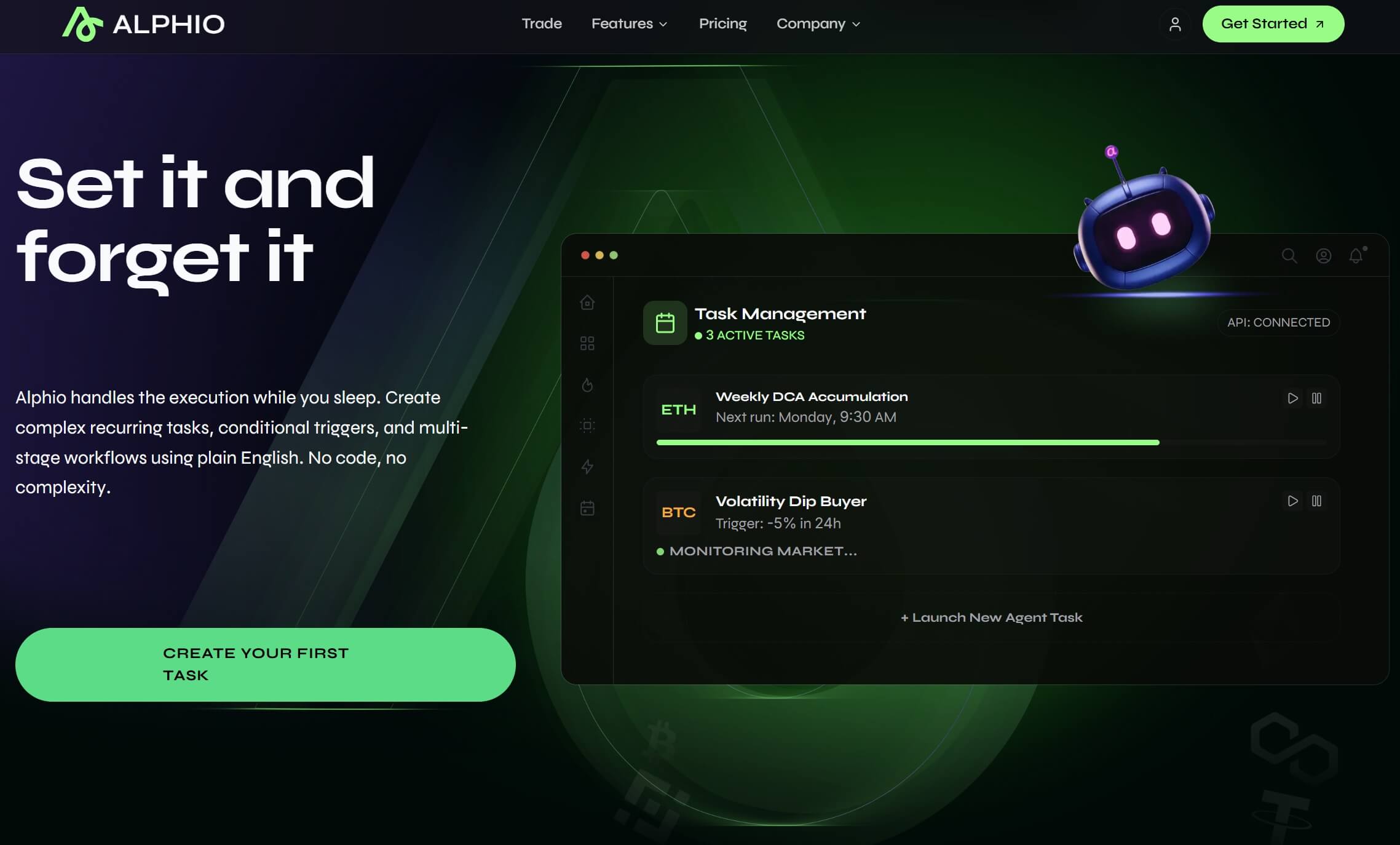
For traders who want to set conditional workflows and automate their trading decisions, check out Alphio AI's automations to set up scheduled tasks and trading rules.
Conclusion
NVIDIA's upcoming Q2 earnings report represents a pivotal moment for both the company and the broader AI investment theme. With expectations running high and the stock trading at elevated valuations, the company needs to deliver strong results and optimistic guidance to sustain momentum. The data center segment's continued growth, successful Blackwell ramp, and expanding enterprise adoption all support a bullish case, while supply constraints, competition, and valuation concerns present risks.
For investors with a long-term perspective, NVIDIA's position at the center of the AI revolution remains compelling. The company's technology leadership, ecosystem advantages, and customer relationships create durable competitive moats that should support continued growth. However, near-term volatility around earnings is likely, and investors should be prepared for significant price swings based on the results and guidance.
The AI infrastructure buildout is still in its early stages, with IDC projecting the market to exceed $1 trillion by 2029. As the leading supplier of AI accelerators and networking equipment, NVIDIA is well-positioned to capture a significant share of this spending. For investors seeking exposure to the AI revolution, NVIDIA remains a core holding, though position sizing should reflect the stock's volatility and valuation risks.
Ready to execute trades with the power of AI? Try Alphio AI's conversational trading to execute trades via chat and access real-time market insights.

FAQs
When is NVIDIA's Q2 FY27 earnings report?
NVIDIA is scheduled to report its Q2 fiscal 2027 earnings on Wednesday, August 26, 2026, after the market close. Analysts expect revenue between $93-95 billion and EPS of approximately $2.06-$2.08.
What is driving NVIDIA's revenue growth?
NVIDIA's revenue growth is primarily driven by its data center segment, which generated $75.2 billion in Q1 (up 92% year-over-year). The company is benefiting from massive AI infrastructure spending by cloud providers and enterprises adopting AI technologies.
What is NVIDIA's Blackwell architecture?
Blackwell is NVIDIA's latest AI chip architecture, including the B200, B300, and DGX systems. It delivers significant improvements in compute density, memory bandwidth, and energy efficiency compared to the previous Hopper generation.
What are the main risks for NVIDIA stock?
Key risks include supply chain constraints (particularly memory shortages), export restrictions to China, intensifying competition from AMD and custom silicon, and high valuation multiples that leave little room for disappointment.
What is Wall Street's price target for NVIDIA?
According to TipRanks, the average price target for NVIDIA is approximately $306, based on 35 Wall Street analysts. Price targets range from $250 to $500, reflecting varying views on growth prospects and valuation.